Yana Skakun

Sustainable and Eco-Friendly Wedding Suppliers in the UK
By Yana Skakun·10 June 2026·6 min read
Over the years I've photographed weddings everywhere from barns in the Suffolk countryside to walled gardens just outside Cambridge, and one thing has shifted noticeably: couples genuinely care where things come from. They want flowers that haven't been flown halfway around the world, food sourced from down the road, and keepsakes that won't end up in landfill by Monday. If you're planning a greener day, here is my honest, photographer's-eye guide to the best eco friendly wedding suppliers in the UK — the florists, caterers and stationers I see doing it properly.
Why sustainable suppliers actually matter
A wedding is a surprisingly resource-hungry day. The average UK celebration gets through a startling amount of single-use plastic, imported blooms and food miles before the first dance even begins. Choosing local, seasonal and low-waste suppliers cuts that footprint dramatically — and, in my experience, it tends to make the day feel more rooted and personal too.
There's a practical bonus that nobody mentions: sustainable choices usually photograph beautifully. British-grown flowers in June, a long table of foraged greenery, hand-pressed paper with a bit of texture to it — these things catch light in a way that mass-produced, plastic-wrapped alternatives simply don't. Eco and elegant are far from mutually exclusive.
Green florists: think British and seasonal
The single biggest swap you can make is your flowers. Around eighty per cent of cut flowers sold in the UK are imported, often refrigerated and air-freighted from thousands of miles away. The alternative — British flower farms — has quietly boomed, and across Cambridgeshire, Suffolk and Norfolk there are now dozens of growers who cut to order and deliver within a day.
Look for florists who are members of Flowers from the Farm, the network of UK growers, and who avoid floral foam (that green brick is single-use plastic that never breaks down). The good ones build arrangements in reusable vessels, chicken-wire mechanics or moss instead. A spring wedding might lean on tulips and ranunculus, high summer on sweet peas, dahlias and cosmos, and an autumn date on hips, grasses and dried seedheads. Booking seasonally also keeps the cost sensible.
Caterers who source from down the road
Food is where guests really notice the difference. The East of England is spoilt for produce — Suffolk pork, Cromer crab, asparagus from the Fens, cheese from small Cambridgeshire dairies — so a genuinely local menu is achievable here without compromise. Ask caterers directly where their ingredients come from and how they handle waste; the ones who care will answer in detail.
The best sustainable caterers I work with plan portion sizes carefully to avoid waste, compost their scraps, use real crockery rather than disposables, and have a plan for surplus food (often a charity collection or a staff supper rather than the bin). Plant-forward menus, even if you're not going fully vegetarian, slash the carbon footprint considerably — and a clever seasonal sharing feast tends to get guests talking far more than a predictable plated chicken.
Stationers and the small details
Paper goods are easy to overlook and easy to get right. Plenty of UK stationers now print on recycled or FSC-certified stock with vegetable-based inks, and seed paper — embedded with wildflower seeds so guests can plant their invitation — has gone from gimmick to genuinely lovely. If you'd rather skip paper altogether, a well-designed digital invitation and an on-the-day wedding website covers most of what you need.
Here's a quick directory of the supplier types worth seeking out, and what to ask each of them before you book:
- ◆British flower farms: Members of Flowers from the Farm who grow seasonally and never use plastic floral foam.
- ◆Foam-free florists: Studios that build with chicken wire, moss and reusable vessels, hiring out rather than binning props.
- ◆Local feast caterers: Teams sourcing from East Anglian farms, composting scraps and rehoming surplus food.
- ◆Eco stationers: Printers using recycled or FSC paper, vegetable inks, or plantable seed paper invitations.
- ◆Dress and ring resellers: Pre-loved gown boutiques and jewellers offering recycled gold and ethically sourced stones.
- ◆Hire and dressing companies: Suppliers renting tableware, linens and decor so nothing is bought new for a single day.
Choosing a venue that does the work for you
Your venue sets the tone for everything else. Some Cambridgeshire and Suffolk barns, walled gardens and estate venues now run on renewable energy, have on-site kitchen gardens, or actively manage their grounds for wildlife. Choosing one of these means your suppliers are already operating within a greener framework — and it usually cuts down on travel, since florists and caterers won't be driving across three counties to reach you.
A word from behind the camera: the more local and seasonal your day is, the more it looks and feels like it belongs exactly where it is. British weather is famously unpredictable, so an outdoor-leaning eco wedding wants a solid wet-weather plan — but a damp morning that breaks into golden light over a meadow is, frankly, some of the loveliest material I ever get to photograph.
Planning a sustainable wedding in Cambridgeshire or beyond?
I love documenting thoughtful, low-waste days in a relaxed, natural way — and I'm always happy to share my little black book of trusted green suppliers across the East of England.
Check Your Date →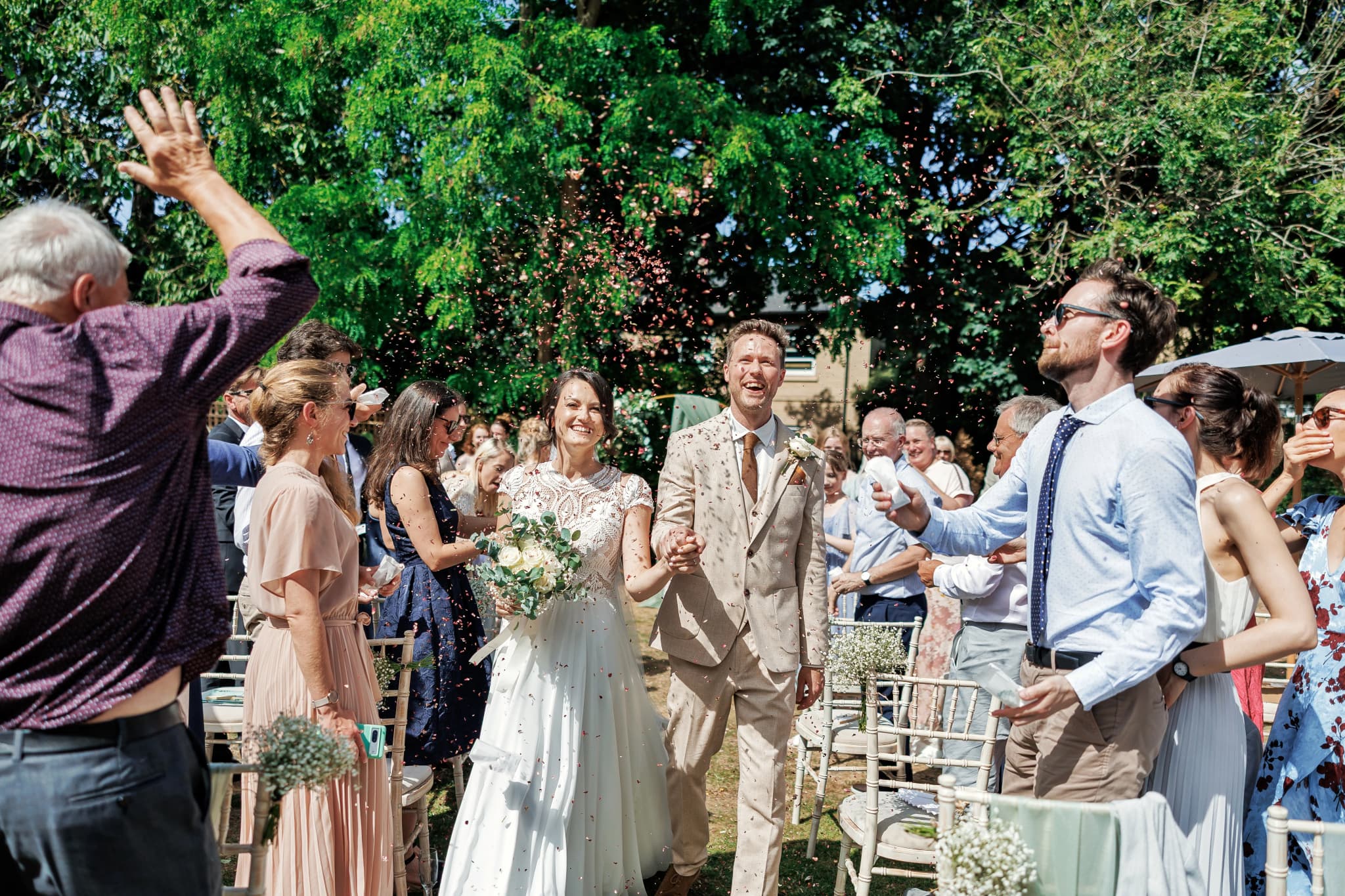


Yana Skakun
Photographer · England
Professional wedding, family and portrait photographer based in England. Passionate about capturing authentic emotions and timeless moments.
About Yana →ecofriendlyweddingsuppliers
Wedding Planning — Professional Photography in Cambridge & England
Yana Skakun is a professional photographer based in Cambridge, covering weddings, families, and portraits across England. Every session is personal — planned around your story, your people, and the moments that matter most. This guide — Sustainable and Eco-Friendly Wedding Suppliers in the UK — is part of the photography journal: practical, experience-based advice drawn from real sessions across England. Whether you arrived searching for eco or friendly, the same care and attention shapes every session Yana photographs.
Professional Photography sessions are available year-round, with bookings open across Cambridge, Ely, Huntingdon, Peterborough, and further afield — East England, London, the Midlands, and beyond. If you have specific questions about wedding, mention it in your enquiry. Get in touch through the contact form above to check availability and discuss your session. Enquiries are welcomed from anywhere in the UK.
Frequently Asked Questions
What camera settings should I use for outdoor portraits?+
For outdoor portraits, shoot in aperture priority mode. Use a wide aperture (f/1.8–f/2.8) to blur the background and isolate your subject. Keep ISO as low as possible in good light. In bright conditions, use a neutral density filter or switch to manual to avoid overexposure at wide apertures.
What is the golden hour in photography?+
Golden hour is the period roughly 30–60 minutes after sunrise and before sunset. The sun is low in the sky, producing warm, soft, directional light that flatters skin tones and creates beautiful long shadows. It's widely considered the best natural light for portrait and outdoor photography.
How do you get sharp photos in low light?+
In low light, increase your ISO (accepting some grain), use the widest aperture your lens allows, and slow your shutter speed to the slowest you can hand-hold without camera shake (roughly 1/focal length as a guide). Use image stabilisation if available, and consider a tripod for static subjects.
What is the rule of thirds in photography?+
The rule of thirds divides the frame into a 3×3 grid. Placing your subject on one of the four intersection points — rather than dead centre — creates a more dynamic, visually interesting composition. It's a guideline, not a rule: some of the most powerful images break it deliberately.
How do you edit photos to look professional?+
Professional editing starts with shooting in RAW format. In Lightroom or similar software, correct exposure, white balance, and contrast first. Recover shadow and highlight detail. Apply gentle colour grading for mood. Be conservative with skin retouching — the goal is natural enhancement, not transformation. Consistency across a set of images is what separates professional from amateur editing.


Get in Touch
Ready to Book Your Session?
Get in touch to discuss your vision — I'll reply within 24 hours.