Yana Skakun

The Full-Day Wedding Photography Timeline (10-12 Hours)
By Yana Skakun·10 June 2026·6 min read
A full day of wedding photography — usually ten to twelve hours — is the most relaxed way to be photographed on your wedding day. After more than a decade shooting weddings across Cambridgeshire and Suffolk, I've learned that the gift of a generous timeline isn't the extra photos; it's the breathing room. Nobody is rushed, the light is given the respect it deserves, and the quiet, unrepeatable moments actually get to happen. Here is how I structure a full-day timeline from morning prep right through to your first dance.
Morning Prep (10:00–13:00)
I usually arrive around three hours before your ceremony. That sounds like a lot, but mornings move faster than anyone expects. If you're getting ready in a country house near Ely or a hotel suite in central Cambridge, I'll start with the quiet details: the dress hanging in the window light, the rings, your shoes, the invitation, and any heirlooms or letters that mean something. These calm, methodical opening frames set the tone for the whole gallery.
From there I move into the candid energy of hair and make-up, the champagne being poured, and the laughter between people who've known you for years. A genuine tip from experience: ask your make-up artist to finish at least forty-five minutes before you need to leave. That buffer is where the best getting-into-the-dress photographs live, without anyone glancing anxiously at the clock.
Ceremony & Confetti (13:30–14:30)
Whether you're marrying in a village church in Suffolk or a licensed barn in the Cambridgeshire countryside, the ceremony is the emotional centre of the day. I work discreetly here, often with longer lenses, so that the moments you'll treasure — the first look down the aisle, a parent's tears, the vows — unfold without a camera pushed into the middle of them. Do check your venue's photography rules in advance; some churches ask me to stay at the back, and that's genuinely fine.
Straight afterwards comes the confetti line, which is one of my favourite two minutes of any wedding. It's joyful, fast, and brilliantly colourful. Brief your ushers to gather everyone into a tight tunnel rather than a thin scatter, and ask your guests to throw high — petals falling from above always photograph better than a flat handful thrown forwards.
Drinks, Groups & Couple Portraits (14:30–16:30)
The reception drinks are where a full-day timeline really earns its keep. I move through the crowd capturing reactions and reunions, then we run your formal group photographs. My honest advice is to keep these to a focused list of eight to ten combinations. Each one takes around three minutes to gather and arrange, so a list of twenty quietly swallows an hour you'd much rather spend with a glass in hand.
We'll then slip away for twenty to thirty minutes of couple portraits. This is the only part of the day that's just the two of you, and it's usually where people relax for the first time all day. Given our famously changeable British weather, I always plan a sheltered alternative; some of the most romantic portraits I've taken happened under an umbrella or in a doorway while the rain came down outside.
- ◆Golden hour: If sunset works with your schedule, we'll steal ten minutes for portraits in the warm, low light — consistently the most-loved frames in the gallery.
- ◆Group list: Send me your eight to ten must-have combinations a fortnight ahead so the formals run quickly and painlessly.
- ◆A nominated helper: Choose one confident family member who knows everyone by name to call out groups; it saves precious time.
- ◆Weather plan B: We'll agree an indoor or covered backup before the day so a Cambridgeshire downpour never derails the portraits.
- ◆Quiet moments: I deliberately leave gaps to catch the unposed glances, the toasts, and the children running riot on the lawn.
- ◆Detail shots: The styled tables, stationery, and cake all get photographed before guests sit down and the room comes to life.
Wedding Breakfast & Speeches (16:30–19:00)
As guests are called through for your wedding breakfast, I'll grab the wide shot of the dressed room in its full glory before a single chair is moved. During the meal I tend to step back and let people eat in peace; I'll often use this window to back up the morning's cards and have a quick bite myself so I'm sharp for the evening.
Speeches are pure gold for reactions. Whether they land before or after the meal, I position myself to capture both the speaker and the faces around the table — the laughter, the wiped-away tear, the squeeze of a hand. If you can, ask your speakers to keep the room lit rather than dimmed; it makes an enormous difference to how natural and warm those photographs feel.
Evening & First Dance (19:00–21:00)
Full-day coverage means I'm still there as the mood shifts into evening. There's often a turnaround while the room is reset for the party, which is a lovely moment to capture any evening guests arriving and the venue glowing under string lights — particularly beautiful in our converted barns and orangeries across the region.
Then comes the first dance, the natural high point to end on. I'll light it carefully so it feels atmospheric rather than washed out, and once the floor fills I'll catch a few frames of everyone you love dancing together. By around nine o'clock we've told the complete story of your day — calm morning to joyful night — and that full arc is exactly what makes a ten-to-twelve-hour timeline worth it.
Planning a full day of wedding coverage in Cambridgeshire or beyond?
I'd love to hear about your day and help you build a timeline that feels unhurried from prep to first dance. Get in touch to check availability for your date.
Check Your Date →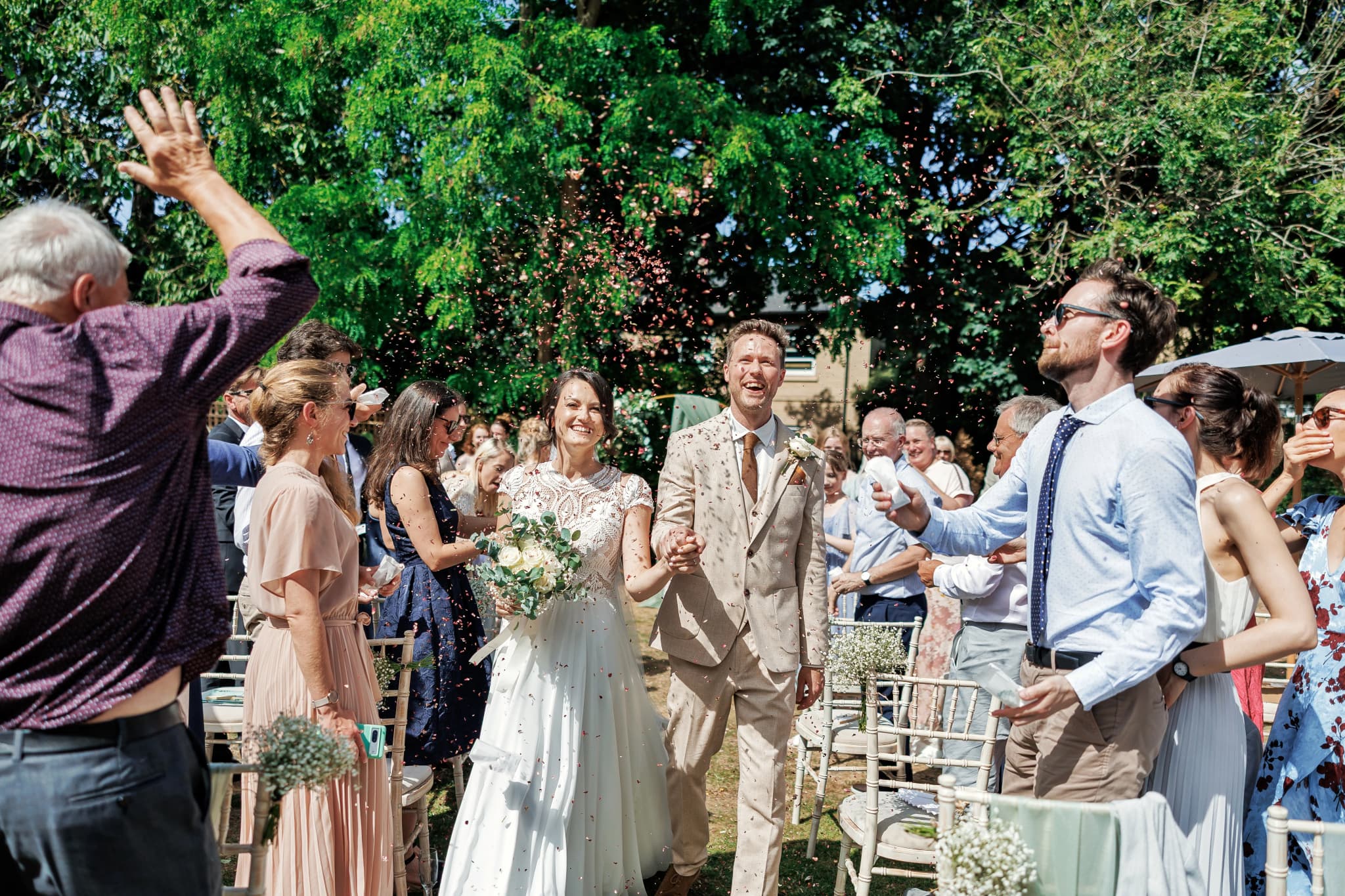

Yana Skakun
Photographer · England
Professional wedding, family and portrait photographer based in England. Passionate about capturing authentic emotions and timeless moments.
About Yana →fulldayweddingtimeline
Wedding Planning — Professional Photography in Cambridge & England
Yana Skakun is a professional photographer based in Cambridge, covering weddings, families, and portraits across England. Every session is personal — planned around your story, your people, and the moments that matter most. This guide — The Full-Day Wedding Photography Timeline (10-12 Hours) — is part of the photography journal: practical, experience-based advice drawn from real sessions across England. Whether you arrived searching for full or day, the same care and attention shapes every session Yana photographs.
Professional Photography sessions are available year-round, with bookings open across Cambridge, Ely, Huntingdon, Peterborough, and further afield — East England, London, the Midlands, and beyond. If you have specific questions about wedding, mention it in your enquiry. Get in touch through the contact form above to check availability and discuss your session. Enquiries are welcomed from anywhere in the UK.
Frequently Asked Questions
What camera settings should I use for outdoor portraits?+
For outdoor portraits, shoot in aperture priority mode. Use a wide aperture (f/1.8–f/2.8) to blur the background and isolate your subject. Keep ISO as low as possible in good light. In bright conditions, use a neutral density filter or switch to manual to avoid overexposure at wide apertures.
What is the golden hour in photography?+
Golden hour is the period roughly 30–60 minutes after sunrise and before sunset. The sun is low in the sky, producing warm, soft, directional light that flatters skin tones and creates beautiful long shadows. It's widely considered the best natural light for portrait and outdoor photography.
How do you get sharp photos in low light?+
In low light, increase your ISO (accepting some grain), use the widest aperture your lens allows, and slow your shutter speed to the slowest you can hand-hold without camera shake (roughly 1/focal length as a guide). Use image stabilisation if available, and consider a tripod for static subjects.
What is the rule of thirds in photography?+
The rule of thirds divides the frame into a 3×3 grid. Placing your subject on one of the four intersection points — rather than dead centre — creates a more dynamic, visually interesting composition. It's a guideline, not a rule: some of the most powerful images break it deliberately.
How do you edit photos to look professional?+
Professional editing starts with shooting in RAW format. In Lightroom or similar software, correct exposure, white balance, and contrast first. Recover shadow and highlight detail. Apply gentle colour grading for mood. Be conservative with skin retouching — the goal is natural enhancement, not transformation. Consistency across a set of images is what separates professional from amateur editing.


Get in Touch
Ready to Book Your Session?
Get in touch to discuss your vision — I'll reply within 24 hours.