Yana Skakun

The Biggest Wedding Budget Regrets of UK Brides
By Yana Skakun·10 June 2026·6 min read
After photographing weddings across Cambridgeshire, Suffolk and beyond for the better part of a decade, I've had the same conversation in countless candlelit barns and marquees: a bride pulling me aside near the end of the night to whisper what she wishes she'd done differently with the money. The biggest wedding budget regrets I hear are rarely about spending too much overall — they're about spending it in the wrong places. So I asked dozens of real UK couples where they overspent and where they wish they'd invested, and the patterns are remarkably consistent.
The flowers that no one remembered by Sunday
Floristry is, hands down, the regret I hear most often. Couples in Cambridge and the surrounding villages routinely spend £2,000 to £4,000 on elaborate installations — hanging florals, full arch arrangements, ceiling-to-table cascades — and by the time the speeches are done, almost no one is looking up at the rafters.
One Suffolk bride told me she'd remortgaged her flower budget to fund a statement aisle meadow, then realised her guests walked down it once, for ninety seconds. Her honest advice: spend on a gorgeous bouquet and a few generous table centres, then let the venue do the heavy lifting. A converted barn or a walled garden in June needs surprisingly little dressing.
Where couples wish they'd redirected that money? Almost universally, into things that lasted — food, photography and a band that kept the floor full.
Cutting the photographer to afford the favours
I'll be honest about my own bias here, but the data backs me up: nearly every couple who economised on photography or videography listed it as their number one regret. The favours melted, the chair sashes went back in a box, and the cheap photographer delivered grainy, badly-lit images of the one day they can never repeat.
A Cambridgeshire couple shared that they'd trimmed £800 off their photography to fund personalised gin miniatures for 120 guests. Eighteen months on, they have a drawer of empty bottles and a gallery they're embarrassed to print. The maths is brutal: your photos are the only part of the day you'll still be holding in twenty years, yet they're often the first line item to get squeezed.
Underestimating the British weather
This one is uniquely, painfully British. Couples plan for the one glorious July day they imagined and refuse to budget for a wet-weather plan. Then a Fenland downpour arrives, the marquee sides aren't hired, the ground turns to mud, and the "saved" £500 becomes a frantic, expensive scramble the morning of.
Brides told me again and again that they wished they'd treated a contingency for rain — clear umbrellas, marquee linings, a covered drinks reception — as non-negotiable rather than optional. In East Anglia we get beautiful light, but we also get sideways rain in August. Plan for both and you'll never panic.
Where UK couples actually wish they'd spent more
When I pooled the answers, six categories came up over and over as the things couples would happily pay double for if they could go back. These are the investments that quietly made or broke the day.
- ◆Good food: Guests forget the centrepieces but remember a cold, slow, mediocre meal for years. A proper caterer earns its fee.
- ◆A great band or DJ: An empty dance floor at 9pm is the silent killer of receptions. Music keeps the energy and the memories alive.
- ◆Photography and film: The only tangible thing left when the flowers wilt and the cake is gone. Couples never regret investing here.
- ◆A day-of coordinator: The single best money many couples spent — it bought them the freedom to actually be present at their own wedding.
- ◆Comfortable footwear: Brides laughed about this, but sore feet by the first dance is a genuine, recurring regret across every region.
- ◆Generous drinks: Running dry at the bar before the speeches is remembered. A fuller reception budget beats a fancier favour every time.
The trap of inviting everyone
The quietest regret, and perhaps the most expensive, is the guest list. At roughly £100 to £150 per head once you factor in food, drink and stationery, every "we probably should invite them" decision costs real money. One couple near Ely calculated they'd spent nearly £3,000 on a table of distant relatives they barely spoke to all evening.
Almost everyone I asked said the same thing in hindsight: a smaller, warmer wedding of people you genuinely love beats a sprawling guest list every single time. Trim the list, and suddenly the budget for everything that matters — the food, the photos, the day itself — relaxes beautifully.
If there's one thread running through all of these biggest wedding budget regrets, it's this: spend on experiences and memories, not decoration. Your guests came for you, the celebration and a good time — not the ceiling florals.
Worried photography will become your biggest regret too?
I'd love to make sure the one part of your day you keep forever is the part you treasure most. Let's have a relaxed chat about your wedding and check I'm free for your date.
Check Your Date →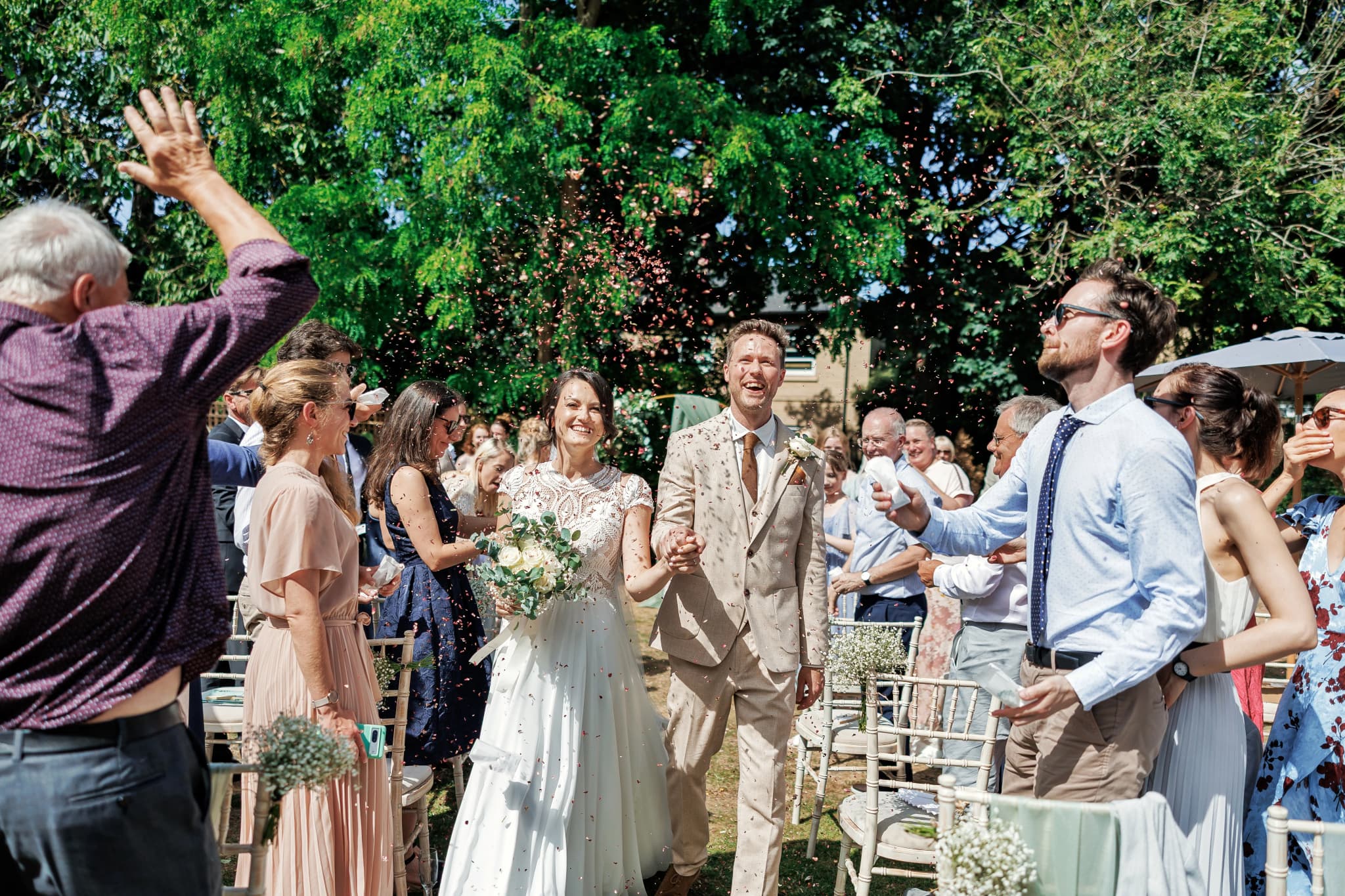

Yana Skakun
Photographer · England
Professional wedding, family and portrait photographer based in England. Passionate about capturing authentic emotions and timeless moments.
About Yana →biggestweddingbudgetregrets
Wedding Planning — Professional Photography in Cambridge & England
Yana Skakun is a professional photographer based in Cambridge, covering weddings, families, and portraits across England. Every session is personal — planned around your story, your people, and the moments that matter most. This guide — The Biggest Wedding Budget Regrets of UK Brides — is part of the photography journal: practical, experience-based advice drawn from real sessions across England. Whether you arrived searching for biggest or wedding, the same care and attention shapes every session Yana photographs.
Professional Photography sessions are available year-round, with bookings open across Cambridge, Ely, Huntingdon, Peterborough, and further afield — East England, London, the Midlands, and beyond. If you have specific questions about budget, mention it in your enquiry. Get in touch through the contact form above to check availability and discuss your session. Enquiries are welcomed from anywhere in the UK.
Frequently Asked Questions
What camera settings should I use for outdoor portraits?+
For outdoor portraits, shoot in aperture priority mode. Use a wide aperture (f/1.8–f/2.8) to blur the background and isolate your subject. Keep ISO as low as possible in good light. In bright conditions, use a neutral density filter or switch to manual to avoid overexposure at wide apertures.
What is the golden hour in photography?+
Golden hour is the period roughly 30–60 minutes after sunrise and before sunset. The sun is low in the sky, producing warm, soft, directional light that flatters skin tones and creates beautiful long shadows. It's widely considered the best natural light for portrait and outdoor photography.
How do you get sharp photos in low light?+
In low light, increase your ISO (accepting some grain), use the widest aperture your lens allows, and slow your shutter speed to the slowest you can hand-hold without camera shake (roughly 1/focal length as a guide). Use image stabilisation if available, and consider a tripod for static subjects.
What is the rule of thirds in photography?+
The rule of thirds divides the frame into a 3×3 grid. Placing your subject on one of the four intersection points — rather than dead centre — creates a more dynamic, visually interesting composition. It's a guideline, not a rule: some of the most powerful images break it deliberately.
How do you edit photos to look professional?+
Professional editing starts with shooting in RAW format. In Lightroom or similar software, correct exposure, white balance, and contrast first. Recover shadow and highlight detail. Apply gentle colour grading for mood. Be conservative with skin retouching — the goal is natural enhancement, not transformation. Consistency across a set of images is what separates professional from amateur editing.


Get in Touch
Ready to Book Your Session?
Get in touch to discuss your vision — I'll reply within 24 hours.