Yana Skakun

Body Confidence Photography: Celebrating Every Shape and Size
By Yana Skakun·7 April 2026·6 min read
There is a particular kind of hesitation I recognise almost immediately in a first phone call or email — a slight pause before someone says "I'm not really photogenic, but…" or "I hate how I look in photos, but I want to do this." It usually comes from people who haven't had a genuinely good photograph taken of themselves in years, sometimes decades, and who have quietly decided that the problem is them rather than the camera. Body confidence sessions exist for exactly that moment — for the person who wants to feel differently about how they look, and who is willing to be a little brave to get there.
Why Most People's Self-Image Is Wrong
Most of us form our mental picture of our own appearance from two unreliable sources: mirrors and phone cameras. A mirror reverses your face left to right, so you are permanently looking at a version of yourself no one else has ever seen — the asymmetries read differently, and the face you know is not quite the face the world knows. Phone front cameras compound this. They use a wide focal length held at close range, which distorts whatever is nearest the lens — typically the nose, forehead, and chin — usually at a slightly wrong angle, in whatever light happens to be available.
The cumulative effect of years of mirrors and selfies is a mental self-image that is measurably worse than reality, reinforced every time someone glances at a phone screen. It is not vanity that causes people to feel they photograph badly — it is a genuine, mechanical distortion baked into the tools most people use to see themselves, repeated so often it starts to feel like truth.
Professional portrait photography corrects nearly all of this at once. The right focal length removes the distortion. Natural, directional light does what a bathroom mirror or a phone flash cannot — it shapes the face rather than flattening it. And a photographer who knows how to direct a moment can catch an expression mid-formation, rather than the slightly frozen look most people pull the instant they know a lens is pointed at them. The most common reaction I see when someone opens their gallery for the first time is quiet surprise — not that they have been flattered, but that the image actually looks like them, just a version of them they have not seen before.
What Actually Happens During a Body Confidence Session
Before any camera comes out, we talk. This conversation usually happens over a call or a coffee a couple of weeks before the session, and it is the part clients tend to be most nervous about beforehand and most grateful for afterwards. I ask what has prompted the session, what parts of yourself you have felt disconnected from, and — just as importantly — what you would like to feel when you look at the finished images. Some people want to see themselves as strong. Some want softness. Some simply want proof they can look at a photograph of themselves without immediately searching for what is wrong with it. There is no template answer, and I am not trying to steer you toward mine.
That conversation shapes everything that follows: the location, the light, the clothing, the level of movement, and the kind of direction I give you on the day. If certain areas feel more sensitive than others, we talk about that too, in plain and practical terms, so nothing comes as a surprise once we are actually shooting. Comfort is not an afterthought bolted onto the session — it is the framework the whole session is built inside.
On the day itself, sessions run at whatever pace the client needs. Some people arrive nervous and need the first ten minutes to simply exist in the space before a camera is raised at all — we might just walk and talk and let you get used to the light before anything is documented. Others want to get moving straight away, because stillness is where self-consciousness creeps in. I read the room and adjust; there is no fixed shot list marching us through a schedule regardless of how someone is actually feeling.
How Direction Helps People Relax
Very few people know what to do with their hands or expression the moment they are told to "just be natural" in front of a camera — it is one of the least helpful instructions in photography, because almost nobody feels natural on command. What works instead is specific, small direction: a slight shift of weight, something to do with the chin, a movement to repeat, something to focus on that isn't the lens itself. Given something concrete to do, most people stop performing self-consciousness and start simply moving, and that is where the genuine expressions live.
I also work in short bursts rather than long, static holds, since a pose held for thirty seconds while I fiddle with settings gives self-doubt time to settle in. Clients are often surprised, looking back through a session, at how many usable frames came from a stretch they don't even remember being particularly aware of the camera during — that unawareness is usually exactly when the best images happen. I will show you images on the back of the camera if you want to see them, and seeing one genuinely good frame early on tends to visibly change how someone holds themselves for the rest of the session. Confidence, in my experience, is less something you arrive with and more something that builds across the hour, one good frame at a time.
Why Natural Light and an Unhurried Pace Matter Here
I shoot these sessions almost exclusively in natural light, and the reason goes beyond aesthetic preference. Harsh, direct light and on-camera flash tend to flatten texture and exaggerate exactly the areas people are often most self-conscious about. Soft, indirect natural light — through a large window, in open shade, or during the gentler hours of the day outdoors — wraps around the face and body instead, creating gradual shadow rather than harsh contrast. It is more forgiving in the most literal sense of that word, and it also simply looks calmer.
The unhurried pace matters just as much as the light. These are not fifteen-minute sessions squeezed between other bookings. I build in real time — enough that the first, most self-conscious minutes can pass and be forgotten about, enough for a genuinely awkward moment to be laughed off rather than setting the tone, and enough that by the second half, most clients have stopped monitoring themselves the way they were at the start. That shift, when it happens, is usually visible in the images themselves. Sessions are also entirely private: no assistant unless specifically requested, and no images shared anywhere without explicit permission agreed in writing beforehand.
A note on privacy and pace
Every body confidence session is planned around a conversation first and a camera second. We talk beforehand about what you want to feel and see, agree what happens to the images afterwards, and build in enough time on the day that nerves have space to settle before anything important is captured. If the idea of a session like this appeals to you but you are still working up to it, that hesitation is normal, and it is not a reason to wait.
Get in touch about a sessionWhat to Wear and Bring
There is no single right outfit for a body confidence session, and part of the earlier conversation is working out what will actually make you feel like yourself in front of the camera. Some clients prefer something structured and tailored that makes them feel put-together; others want something soft and simple that they would genuinely wear on an ordinary day. What matters more than any specific garment is that it is something you feel at ease in, rather than something bought specifically for the occasion and never worn since — discomfort in clothing shows in a session far more than people expect.
I generally suggest bringing two or three options rather than committing to one outfit in advance, since it is often easier to decide what feels right once you are actually in the space and can see the light. A layer you can add or remove partway through gives the session some visual variation without requiring a full change. Bring anything that feels personally meaningful too — a piece of jewellery, a fabric, an object — if it helps you feel more like yourself rather than less.
Beyond clothing, the most useful thing to bring is simply permission to arrive as you are that day. Some clients want to do their hair and makeup beforehand; others prefer bare-faced, unstyled images that feel closer to how they actually look on a normal Tuesday. Both are valid reasons to book a session, and neither is more or less "confident" than the other — the aim is accuracy and warmth, not a particular aesthetic standard.
Who These Sessions Are Actually For
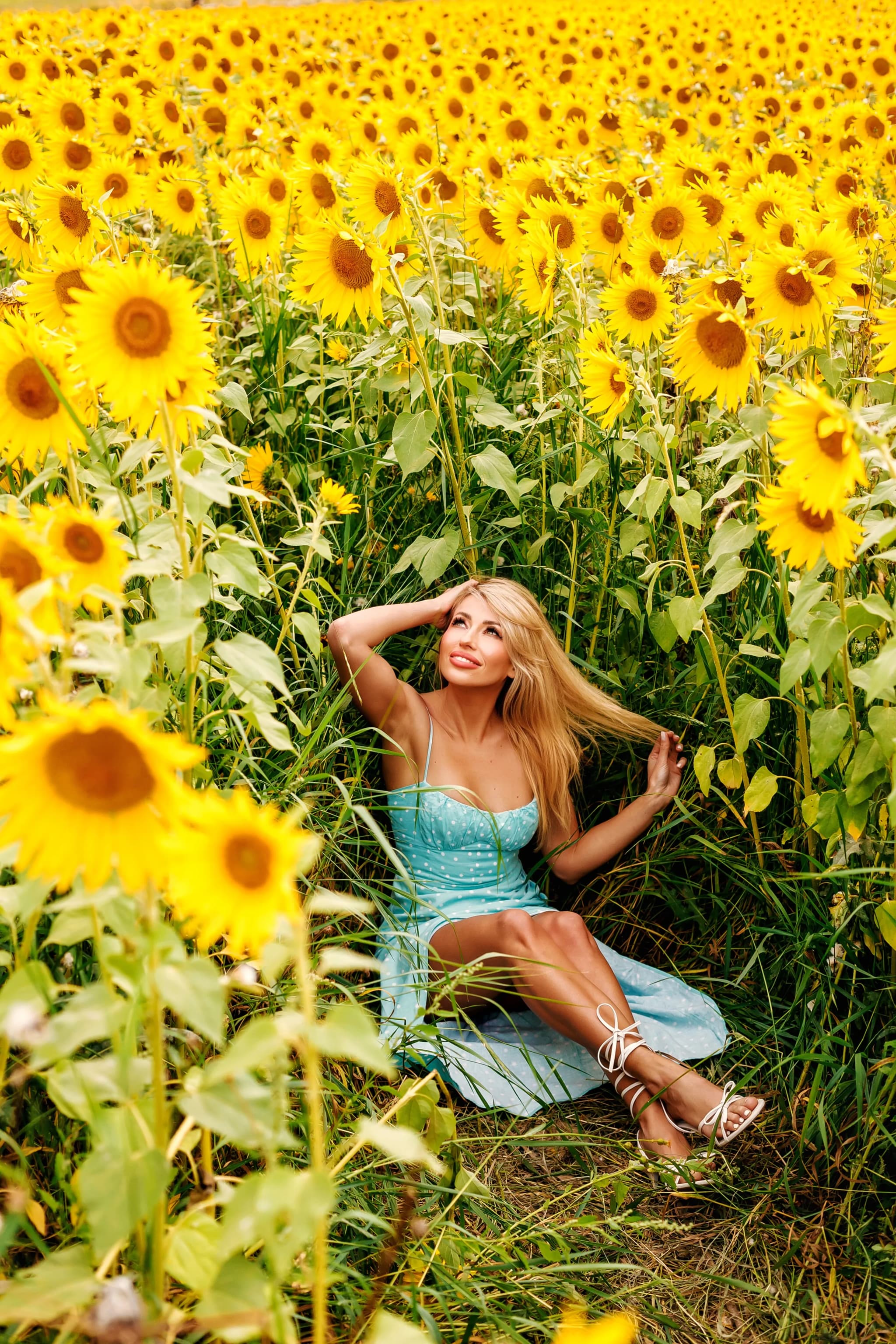
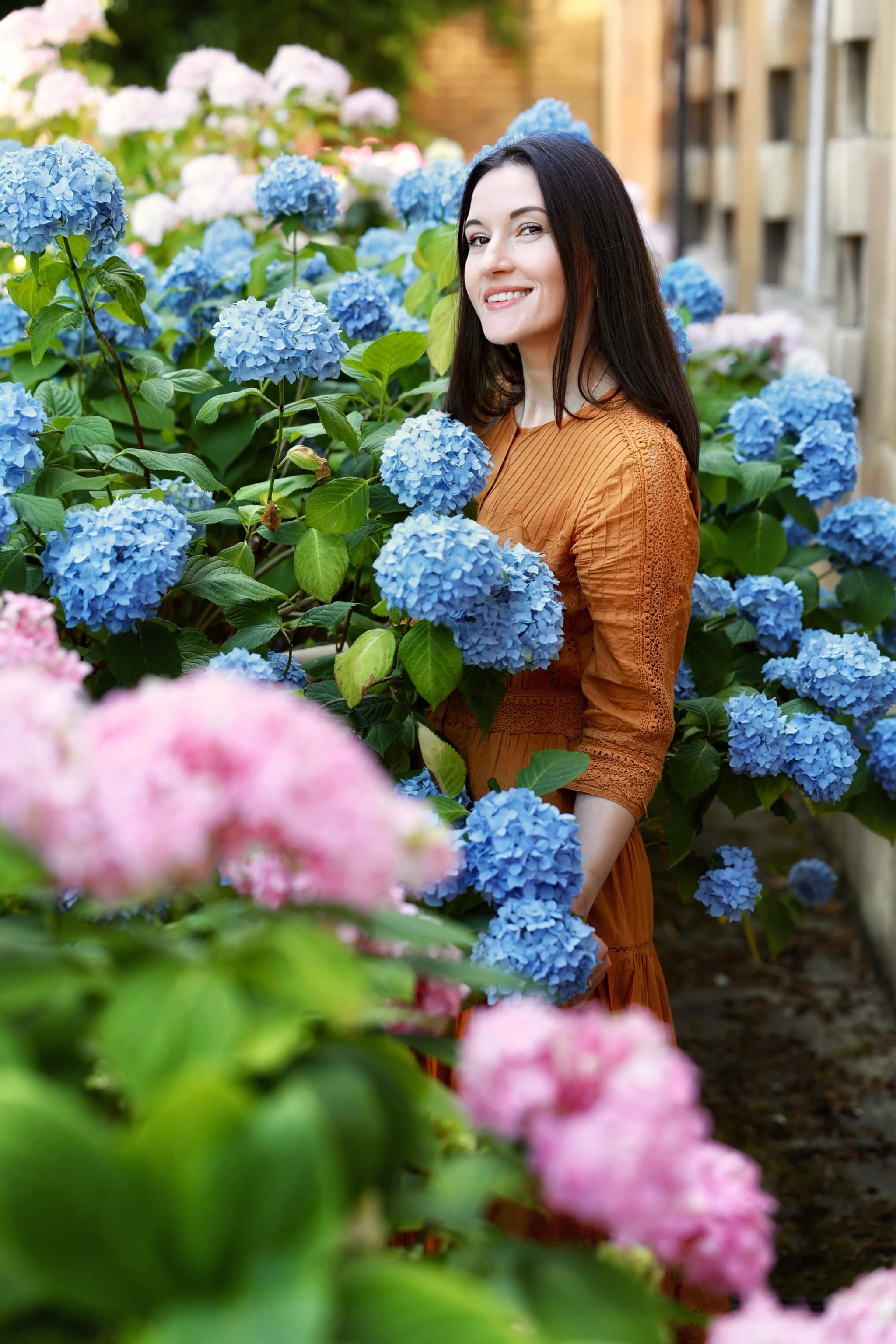
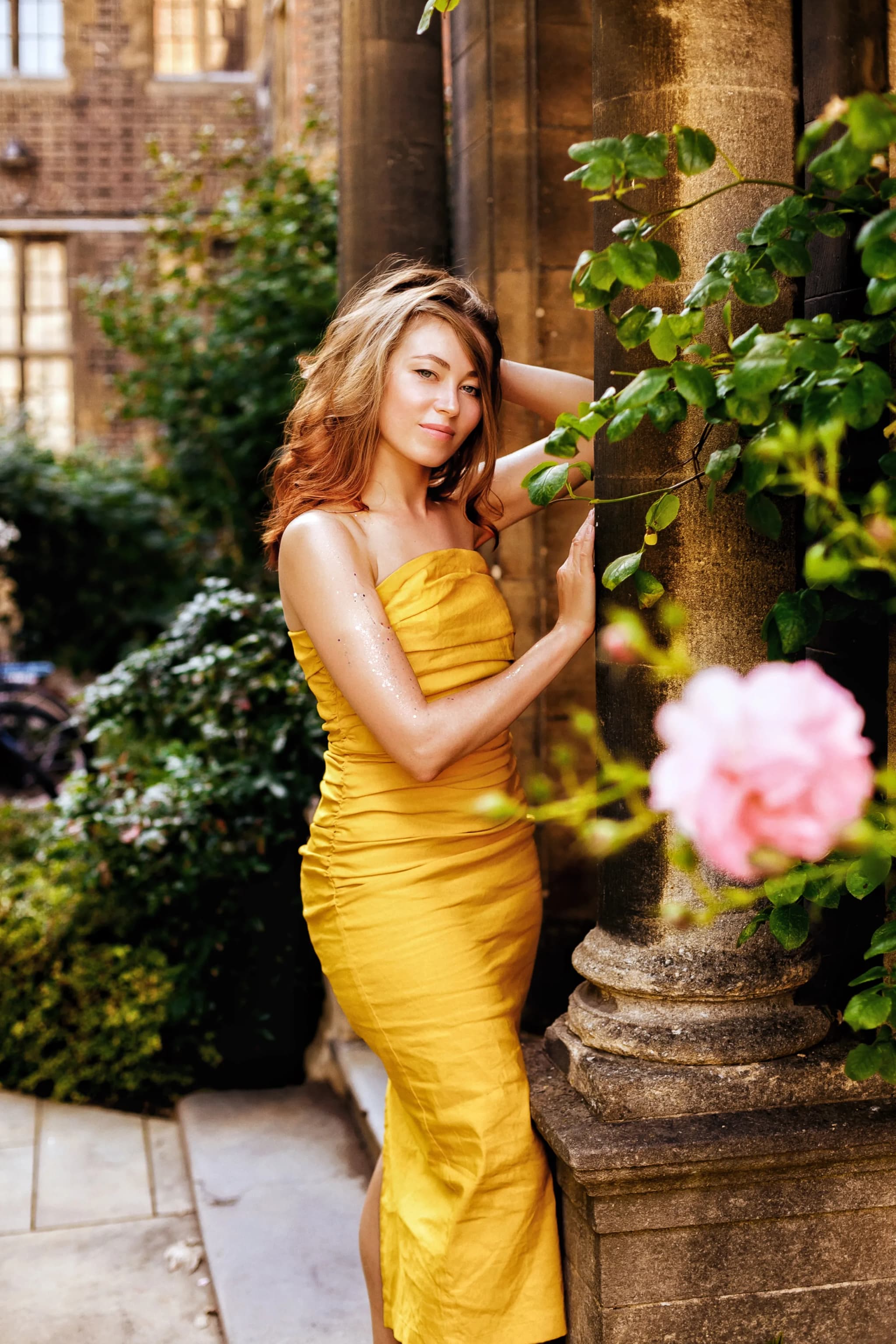
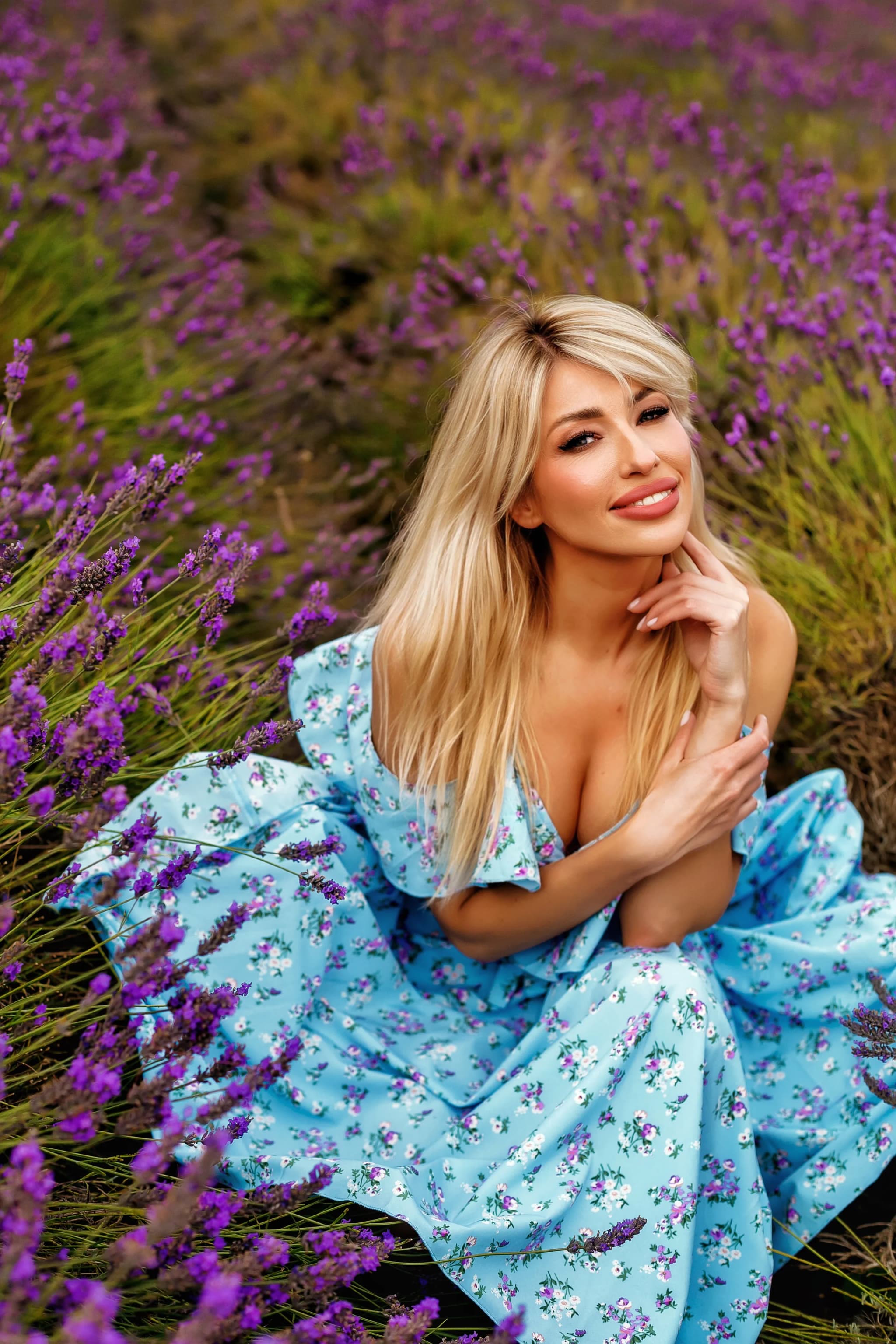
Body confidence sessions are not designed for one type of person, one body shape, or one stage of life. I have photographed people booking a session as a marker after a significant health event, people rebuilding a relationship with their appearance after a major life change, people who simply want, for the first time in years, a photograph of themselves that they are not tempted to delete immediately. Age, size, and starting point are not filters for who this is appropriate for — if anything, the sessions matter most for people who have spent the longest time avoiding cameras altogether.
It is worth saying plainly that these sessions are not about becoming a different person in front of the lens. They are about seeing an accurate, well-lit, well-composed version of the person who already exists — often for the first time. The transformation, where it happens, is almost always in perception rather than appearance: the same face, the same body, photographed with genuine skill and care, producing an image that finally matches how the people who know and love you already see you.
Booking the session is, for a lot of clients, the hardest part of the entire process — harder than the session itself, which tends to feel far less exposing in practice than it does in anticipation. That initial hesitation is not a sign you are not ready. It is a completely ordinary response to doing something unfamiliar and slightly vulnerable, and in my experience it is very rarely still present by the time the session ends.
If you have been thinking about a session like this for a while — turning it over, half-drafting an email, closing the tab — that hesitation is a normal part of the process, not a reason to keep waiting. I would rather talk you through exactly what to expect before you commit to anything than have you arrive on the day still uncertain. If you would like to know more or start the conversation, get in touch and we can talk through what a session built around you might actually look like.

Yana Skakun
Photographer · England
Professional wedding, family and portrait photographer based in England. Passionate about capturing authentic emotions and timeless moments.
About Yana →body confidence photography ukbody positive photographer cambridgeempowerment photography sessionconfidence portrait photography uk
Portrait Tips — Portrait Photography in Cambridge & England
Portrait sessions with Yana Skakun are unhurried and personal — designed to produce images that feel genuinely like you, not a performance. Sessions are available in Cambridge, across East England, and at locations throughout the UK. This guide — Body Confidence Photography: Celebrating Every Shape and Size — is part of the photography journal: practical, experience-based advice drawn from real sessions across England. Whether you arrived searching for body confidence photography uk or body positive photographer cambridge, the same care and attention shapes every session Yana photographs.
Portrait Photography sessions are available year-round, with bookings open across Cambridge, Ely, Huntingdon, Peterborough, and further afield — East England, London, the Midlands, and beyond. If you have specific questions about empowerment photography session, mention it in your enquiry. Get in touch through the contact form above to check availability and discuss your session. Enquiries are welcomed from anywhere in the UK.
Frequently Asked Questions
How do I look natural in portrait photos?+
The key is to keep moving — walking, talking, laughing. Still poses often look stiff. A good portrait photographer will direct you gently rather than just pointing and shooting. Take a breath, drop your shoulders, and try to focus on something that makes you happy rather than worrying about how you look.
What should I wear for a portrait session?+
Wear something you feel good in — not something borrowed or brand new that you haven't worn before. Solid colours photograph better than busy patterns. Bring a second outfit for variety. Think about the location: flowing fabrics work beautifully outdoors; tailored looks suit urban settings.
How long does a portrait session take?+
Standard portrait sessions last 60–75 minutes. This allows enough time to warm up, try different locations and poses, and explore a couple of looks without rushing. If you're very camera-shy, a longer session helps — the more relaxed you become, the better the final images.
What locations are best for outdoor portrait photography?+
Gardens, parks, riverside paths, woodland, and areas with interesting architecture all make great portrait backgrounds. The most important factor is light — a location with open shade or soft directional light will always photograph better than a technically beautiful spot in harsh midday sun.
What is the difference between a portrait session and a headshot session?+
Portrait sessions focus on you as a whole person — full-body, three-quarter, and close-up images in a relaxed, often outdoor setting. Headshot sessions focus specifically on professional or actor headshots: face and upper body, often in a controlled setting with consistent, professional lighting.
Continue Reading
Related Articles

Portrait Tips
Glasses and Glare in Photography: How to Get Great Results
6 min read · Read Article
Portrait Tips
Fake Tan Before a Photoshoot: Timing, Application, and What Can Go Wrong
6 min read · Read Article
Portrait Tips
Hair and Makeup for a Photoshoot: What Photographs Well
7 min read · Read Article
Get in Touch
Ready to Book Your Session?
Get in touch to discuss your vision — I'll reply within 24 hours.