Yana Skakun

Booking Your Wedding Photographer Too Late: The Costly Mistake
By Yana Skakun·10 June 2026·6 min read
Every spring I receive the same heartbreaking email: a couple has booked the barn, sent the save-the-dates, chosen the dress, and only now turned to finding a photographer for a date that's barely six months away. They've found my work, they love it, and I have to tell them I'm already photographing another wedding that day. Booking your wedding photographer too late is one of the most common and most costly mistakes I see, and it's entirely avoidable once you understand how this corner of the industry actually works.
Why popular photographers are gone 12 to 18 months ahead
A wedding photographer is not a shop with shelves to restock. I can shoot exactly one wedding per day, and a Saturday in the peak season from May to September is a single, finite slot. Across a whole year there are only around twenty truly prime Saturdays. When you multiply that scarcity by the number of couples who want a particular style, the maths becomes brutal very quickly.
Most established photographers in Cambridgeshire and the surrounding counties open their diaries as soon as a couple has a confirmed date and venue, which for many is eighteen months before the day itself. By the time you've relaxed into your engagement and started thinking about photography, the people whose work first caught your eye may have been booked for that date for the best part of a year. It isn't snobbery or scarcity marketing; it's simply that talented people with a finite calendar fill up.
The real cost of leaving it late
The obvious cost is missing out on your first choice. The subtler cost is the chain of compromises that follows. Couples who scramble at the last minute often end up paying a premium for a cancellation slot, settling for someone whose style doesn't quite match their vision, or hiring a photographer they've never properly met because there simply wasn't time to compare options.
There's an emotional cost too. Your photographs are the one element of the day that outlives everything else. The flowers wilt, the cake is eaten, and the dress goes into storage, but the images stay on your walls and in your family for generations. Rushing that decision under pressure rarely produces the calm, confident choice you'd have made with time on your side.
When you should actually start looking
My honest advice is to begin your photographer search the moment your venue is confirmed, even before you've thought about florists or cars. In practice that usually means nine to eighteen months ahead for a summer Saturday in the East of England. If you're marrying at a sought-after venue in Suffolk or a marquee on a Cambridgeshire estate during the peak months, treat the photographer as one of the very first suppliers you secure, right alongside the venue itself.
Off-peak weddings give you a little more breathing room. A Friday in March or a winter wedding near Ely or Bury St Edmunds is far less competitive, and you may find your preferred photographer free at shorter notice. But even then, the diaries fill in an unpredictable order, so an early enquiry costs you nothing and protects you from disappointment.
How to avoid being left without your first choice
Securing the right photographer in good time isn't complicated, but it does reward a little organisation. Here are the steps I'd urge every couple to take as soon as the date is set, drawn from the countless conversations I've had with people who got it right and a fair few who got in touch a fortnight too late.
- ◆Enquire the day you confirm your venue: Send a short message with your date and location before anything else feels urgent. A date hold costs nothing and buys you weeks of breathing space.
- ◆Shortlist three photographers, not ten: Pick a handful whose style genuinely moves you, rather than endlessly browsing. Decision fatigue is what makes couples freeze and run out of time.
- ◆Ask about availability first: Before falling in love with a portfolio, check the date is free. There's no point investing emotion in someone already booked for your Saturday.
- ◆Book a consultation early: Meet in person or on a video call within a few weeks. Trusting the person behind the camera matters as much as the images themselves.
- ◆Understand the deposit terms: Most photographers hold your date only once a retainer is paid. Read what's refundable and what secures the booking before you commit.
- ◆Have a backup plan for hot dates: If your heart is set on a peak Saturday, line up a second choice in case your first is gone. It removes the panic if the worst happens.
What to do if you've already left it late
If you're reading this with a date that's only months away and no photographer booked, don't despair. Start by being honest about your priorities: if a particular style matters most, ask your favourites whether they have an associate photographer or know a trusted colleague with the same approach. Many of us work within friendly local networks and will happily recommend someone whose work we'd trust with our own family.
Be flexible where you can. Mid-week and off-peak dates open up far more options, and a slightly earlier or later ceremony time can occasionally unlock a photographer who's shooting a half-day elsewhere. Above all, move quickly and decisively. The British wedding season is short and the good people go fast, so once you find someone available whose work you love, book them before the next couple does.
Worried your perfect date might already be slipping away?
I keep a limited number of weddings each year so I can give every couple my full attention. Send me your date and venue and I'll tell you honestly whether I'm free before you go any further.
Check Your Date →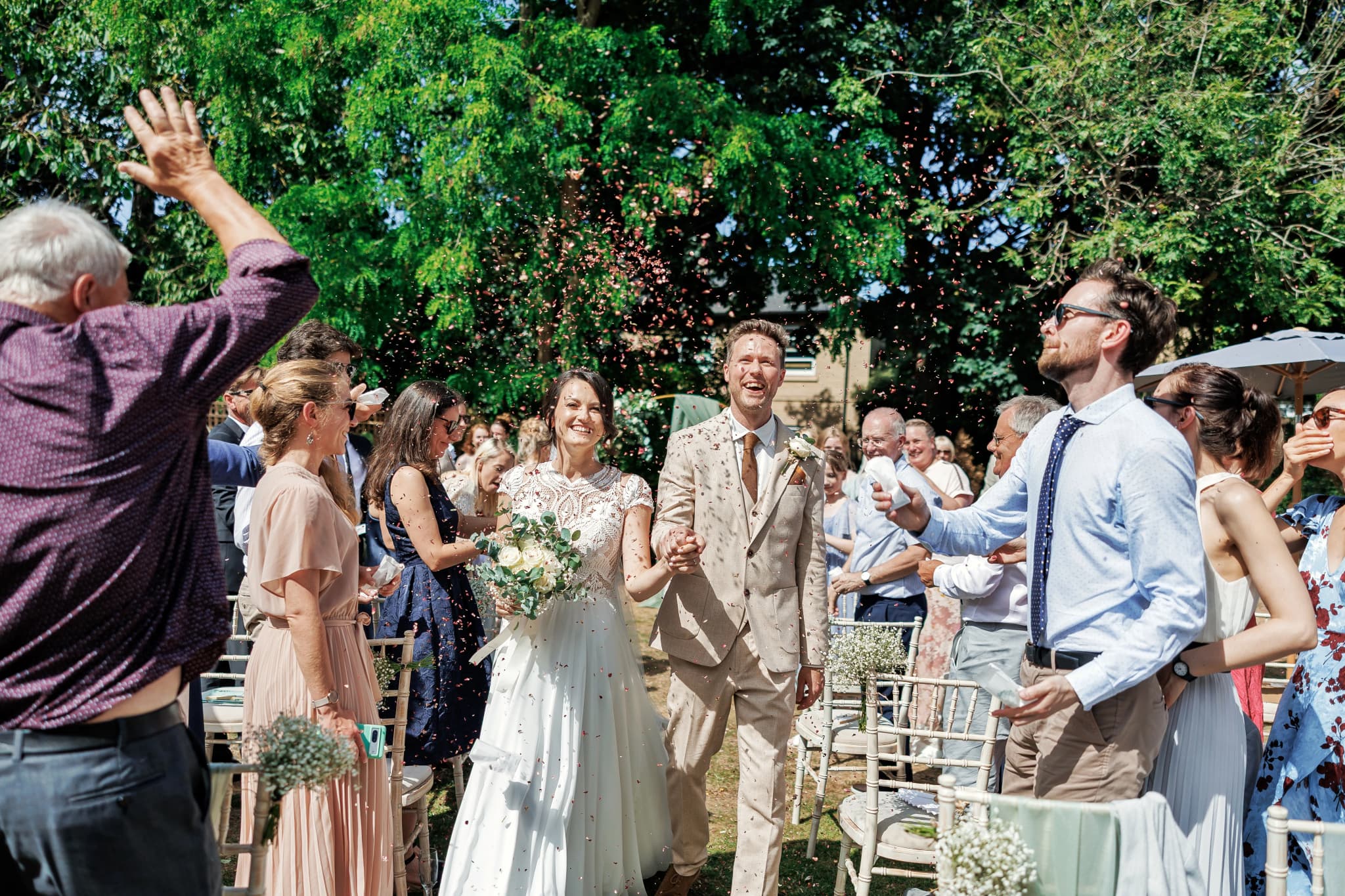

Yana Skakun
Photographer · England
Professional wedding, family and portrait photographer based in England. Passionate about capturing authentic emotions and timeless moments.
About Yana →bookingweddingphotographerlate
Wedding Planning — Professional Photography in Cambridge & England
Yana Skakun is a professional photographer based in Cambridge, covering weddings, families, and portraits across England. Every session is personal — planned around your story, your people, and the moments that matter most. This guide — Booking Your Wedding Photographer Too Late: The Costly Mistake — is part of the photography journal: practical, experience-based advice drawn from real sessions across England. Whether you arrived searching for booking or wedding, the same care and attention shapes every session Yana photographs.
Professional Photography sessions are available year-round, with bookings open across Cambridge, Ely, Huntingdon, Peterborough, and further afield — East England, London, the Midlands, and beyond. If you have specific questions about photographer, mention it in your enquiry. Get in touch through the contact form above to check availability and discuss your session. Enquiries are welcomed from anywhere in the UK.
Frequently Asked Questions
What camera settings should I use for outdoor portraits?+
For outdoor portraits, shoot in aperture priority mode. Use a wide aperture (f/1.8–f/2.8) to blur the background and isolate your subject. Keep ISO as low as possible in good light. In bright conditions, use a neutral density filter or switch to manual to avoid overexposure at wide apertures.
What is the golden hour in photography?+
Golden hour is the period roughly 30–60 minutes after sunrise and before sunset. The sun is low in the sky, producing warm, soft, directional light that flatters skin tones and creates beautiful long shadows. It's widely considered the best natural light for portrait and outdoor photography.
How do you get sharp photos in low light?+
In low light, increase your ISO (accepting some grain), use the widest aperture your lens allows, and slow your shutter speed to the slowest you can hand-hold without camera shake (roughly 1/focal length as a guide). Use image stabilisation if available, and consider a tripod for static subjects.
What is the rule of thirds in photography?+
The rule of thirds divides the frame into a 3×3 grid. Placing your subject on one of the four intersection points — rather than dead centre — creates a more dynamic, visually interesting composition. It's a guideline, not a rule: some of the most powerful images break it deliberately.
How do you edit photos to look professional?+
Professional editing starts with shooting in RAW format. In Lightroom or similar software, correct exposure, white balance, and contrast first. Recover shadow and highlight detail. Apply gentle colour grading for mood. Be conservative with skin retouching — the goal is natural enhancement, not transformation. Consistency across a set of images is what separates professional from amateur editing.


Get in Touch
Ready to Book Your Session?
Get in touch to discuss your vision — I'll reply within 24 hours.