Yana Skakun

Boudoir Photography: What to Expect at Your Session
By Yana Skakun·7 April 2026·7 min read
If you have never had a boudoir session before, feeling nervous beforehand is completely normal — in fact it is close to universal. Almost every client I photograph tells me, in the days leading up to their session, that they are not entirely sure how they feel about it. That uncertainty tends to soften within the first ten minutes of actually being here, once the session stops being an abstract idea and becomes a quiet room, good light, and someone paying close attention to making you feel at ease. This guide walks through exactly what happens, from the first enquiry to the moment you open your gallery, so there are no surprises and nothing to brace yourself for.
The Booking and Consultation
A boudoir session begins with a consultation, usually by email or phone in the first instance, sometimes followed by a short call or an in-person chat if that feels more comfortable. This conversation is where you tell me what you are hoping the images will feel like, what you are comfortable with, what you would like to wear, and whether there are any poses, angles, or areas of focus you would rather we avoided entirely. Nothing about the session is assumed or standardised. It is shaped around your brief, not around a template I apply to everyone.
I find the consultation does two things at once. Practically, it lets me plan wardrobe changes, lighting, and pacing in advance so the session itself runs smoothly. Emotionally, it gives you a chance to say out loud the things you are unsure about before you are standing in the room, which almost always makes those things easier to manage on the day. If you are nervous about a particular part of your body, or self-conscious about scarring, stretch marks, or anything else, that is exactly the kind of thing worth mentioning at this stage — not because it needs fixing, but because knowing about it in advance lets me shoot in a way that already accounts for it.
There is no pressure to have a fully formed vision before we speak. Plenty of clients arrive at the consultation only knowing that they want to feel good about the results, without a clear sense of poses, outfits, or mood. That is entirely workable. I would rather build a session around an honest starting point of "I am not sure yet" than around a Pinterest board that does not actually reflect what you would feel comfortable doing.
Preparing Beforehand
The preparation advice I give clients is deliberately simple, because overthinking tends to create more anxiety than it resolves. Rest matters more than any specific beauty routine — a full night's sleep before the session shows in your face far more than any product does. Staying hydrated in the day or two before helps with skin as well. Beyond that, whatever your normal skincare routine is will generally serve you better than anything new or unfamiliar introduced the night before, since new products occasionally cause a reaction at exactly the wrong moment.
On wardrobe, I would rather you bring three or four things you already feel good in than agonise over buying something new specifically for the session. Fabric and fit matter more than any particular style — something that sits well on your body and that you have already worn and felt confident in tends to photograph better than an unworn item bought under pressure the week before. If you want guidance on specific pieces, we cover that in the consultation, but there is no required uniform and no wardrobe you need to own before you can book.
Arriving for Your Session
Sessions take place in a private location — a hotel room, your own bedroom, or a studio space, depending on what you have chosen and what suits the images you want. When you arrive, you will have time to settle in properly before anything begins: getting changed, having a coffee, talking through the plan for the session, and simply adjusting to being in the space. Nothing starts until you are actually ready, and there is no clock running on that settling-in period.
Many of the people I photograph have never done anything like this before, and that is entirely fine — it is, if anything, the more common starting point than not. The beginning of every session is simple and unhurried. We might start with something as low-stakes as a robe and a cup of coffee while we talk, well before a camera is even out. That gradual opening matters. There is no plunging in at the deep end, no expectation that you arrive already at ease, and no first shot that asks more of you than the last five minutes of conversation already have.
How the Session Actually Unfolds
Nerves generally follow a predictable arc across a session, and it helps to know that in advance. The first few minutes in front of the camera are usually the hardest — an unfamiliar feeling of being looked at, a moment of self-consciousness about where to put your hands or how to stand. That feeling reliably eases as the session goes on. By the midpoint, most clients have stopped thinking about the camera altogether and are simply responding to gentle direction and easy conversation. By the end, the person in front of me is usually far more relaxed, and often visibly more confident, than the person who arrived.
I direct gently throughout — a hand position adjusted here, a chin angle shifted there, a small change in weight or gaze — while keeping the atmosphere relaxed and conversational rather than clinical. You do not need to know how to pose, and it genuinely helps if you have never done this before, because there are no ingrained habits from other shoots to unlearn. Direction in practice looks like small, specific suggestions rather than complicated instructions: "turn your shoulder slightly toward me," "drop your chin just a little," "let your hand rest here instead." None of it requires prior experience, and I check in constantly to make sure each adjustment still feels comfortable rather than simply correct on camera.
Consent and pacing are not a one-time conversation at the start — they run through the whole session. I check in between poses and between outfit changes, and I would always rather skip a shot than push through something that has started to feel wrong. If a pose, an angle, or a level of coverage does not feel right in the moment, even if it was discussed and agreed at the consultation stage, we simply move on to something else. Preferences are allowed to change once you are actually in the room, and nothing about the plan we discussed beforehand is fixed once you are here.
A note on privacy and confidentiality
Every enquiry and every consultation is treated in complete confidence. If you have questions about how a session works, what a location involves, or anything else before committing to book, I am glad to talk it through with no obligation attached. Reaching out is the lowest-pressure step in the whole process.
Get in touch confidentiallyWhy Natural Light Matters for This Kind of Portrait
I use natural window light wherever possible for boudoir sessions, and it is not simply a stylistic preference — it changes how the whole experience feels. Studio lighting setups involve umbrellas, softboxes, and stands positioned around you, which can make a room feel technical and a little exposed. A session built around window light needs none of that. The space stays uncluttered, the light is soft and directional in a way that flatters skin without harsh shadows, and the whole setup feels closer to a quiet room than a production.
Practically, natural light is also simply more forgiving. It wraps gently rather than creating the flat, even glare of an on-camera flash or the stark contrast of a single hard studio light. Positioned near a window, most people photograph well without needing to understand anything about lighting at all — the work of finding the flattering angle is mine to do, not something you need to manage on top of everything else about the session.
Receiving Your Images
Finished images are delivered in a private, password-protected online gallery within two to three weeks of your session. You choose which images to include in your final album or digital collection — there is no obligation to select anything you do not love, and no pressure to take the full set if a smaller, more curated collection suits you better. The gallery remains live for forty-five days, which gives you plenty of time to sit with the images privately, revisit them more than once, and decide without being rushed.
I do not share or publish boudoir images anywhere, in any form, without your explicit written consent. Your gallery is visible only to you unless you actively choose otherwise. If you would like to bring a trusted friend along to the session itself, that is welcome too — a familiar face in the room often takes the edge off nerves, and they can occasionally be useful with a zip or an accessory between changes. And there is no size or body type these sessions are designed around. The approach — light, angle, framing, posing — is calibrated to your specific shape on the day, not fitted to some fixed ideal you are expected to match.
Boudoir photography, done well, has very little to do with a particular look and a great deal to do with how someone is made to feel across a couple of hours in a quiet room. If you are curious but still uncertain, that uncertainty is a completely normal place to start from, not a reason to wait. The best way to find out whether it is right for you is a low-pressure conversation, so get in touch and we can talk through exactly what your session would look like.
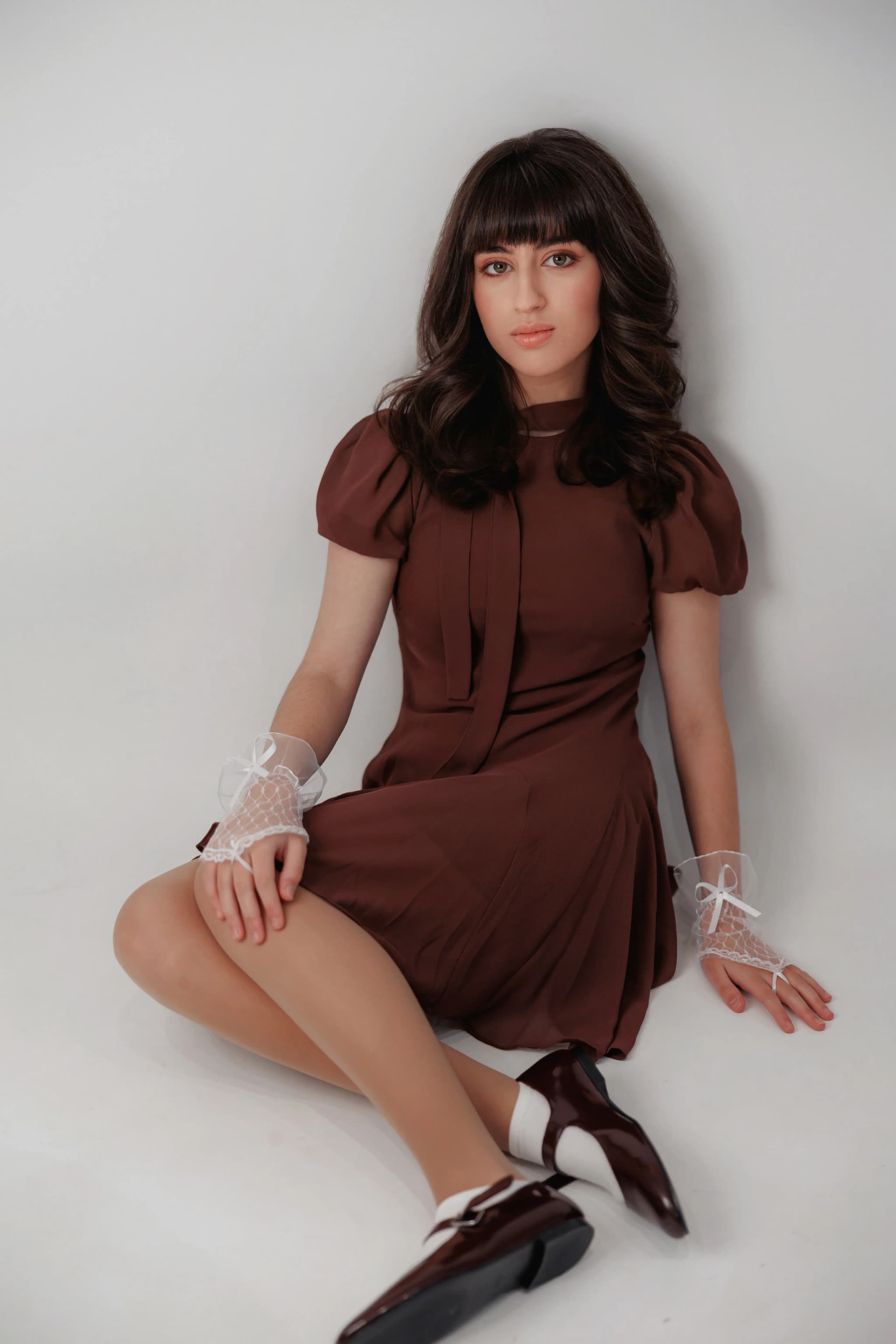
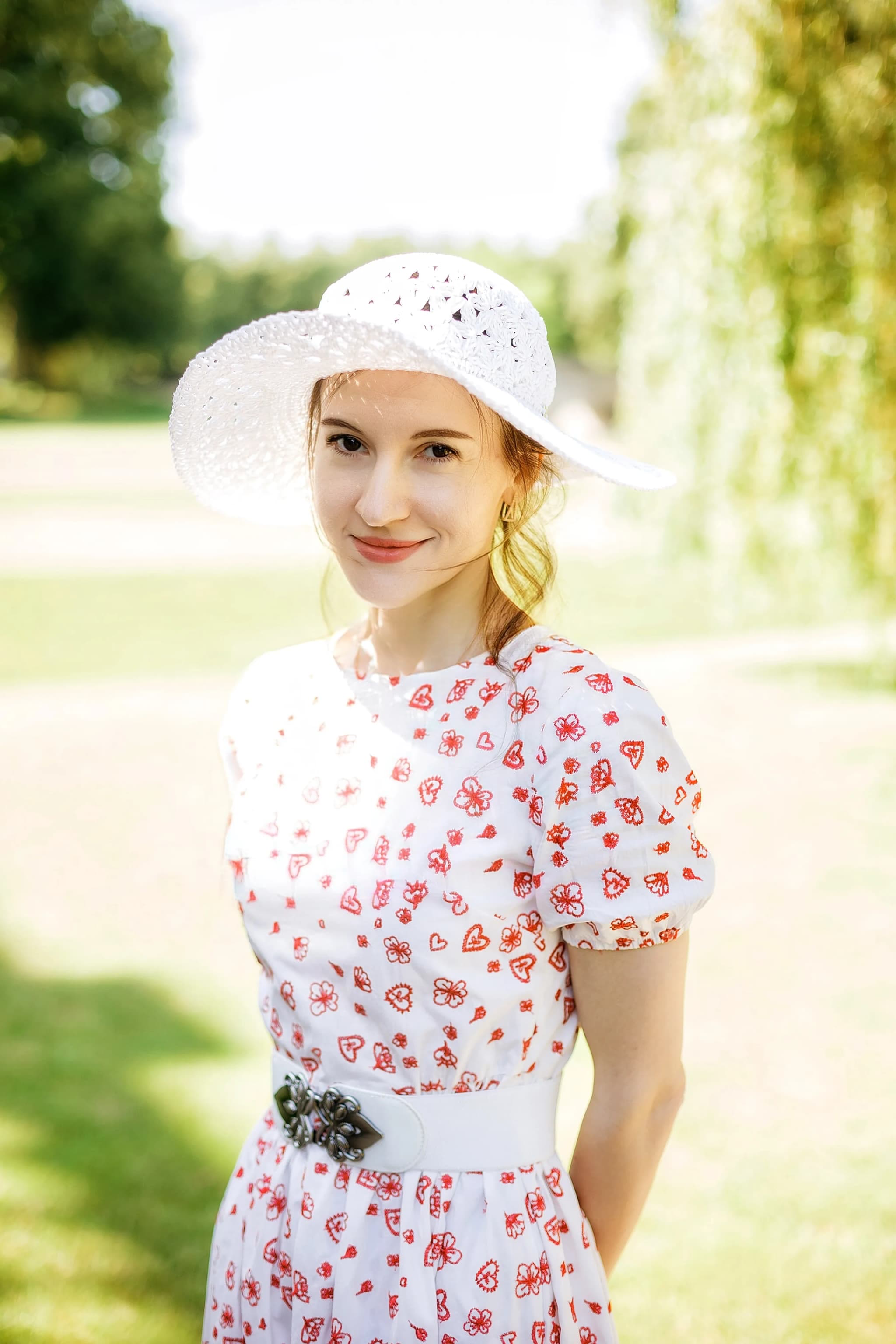
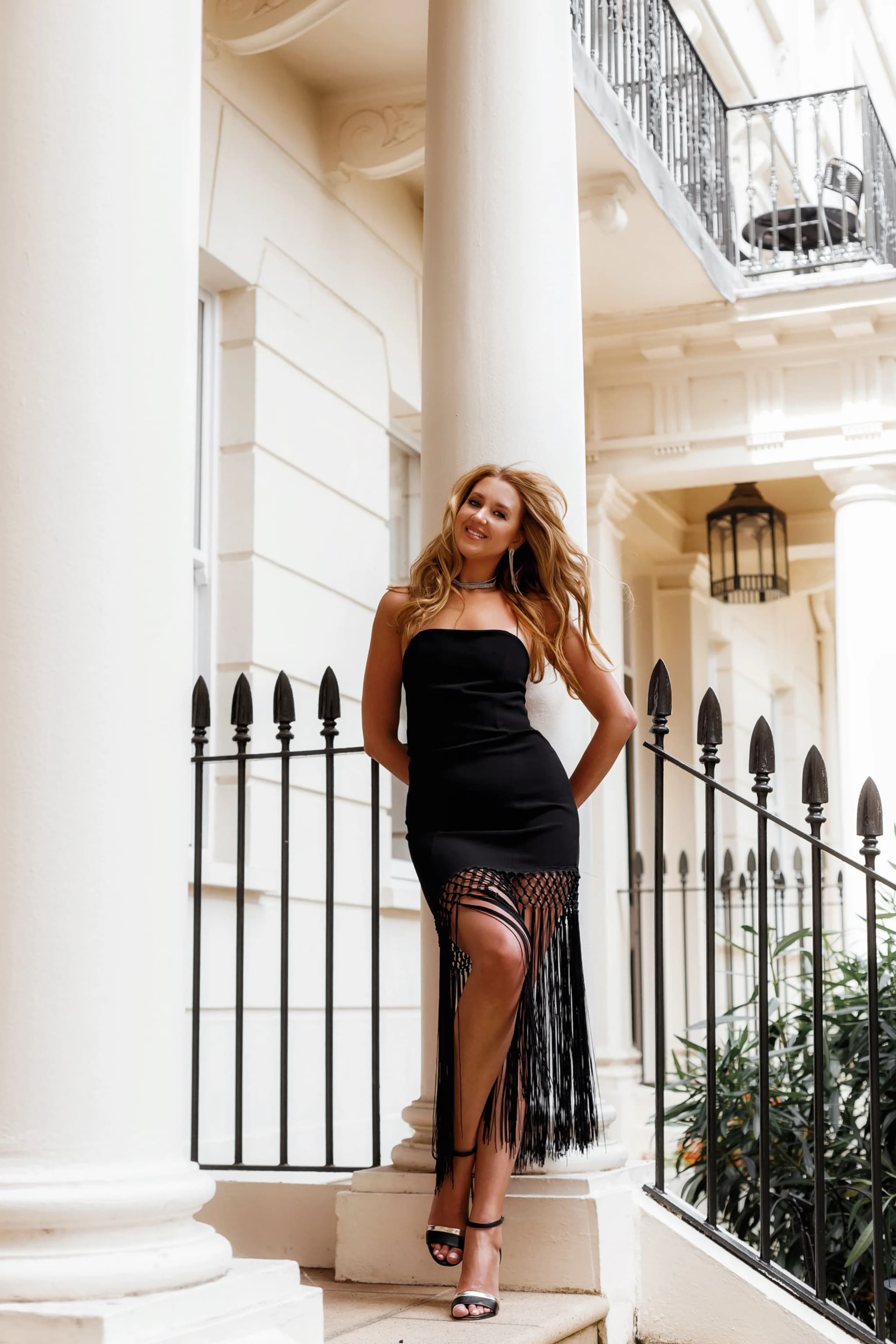
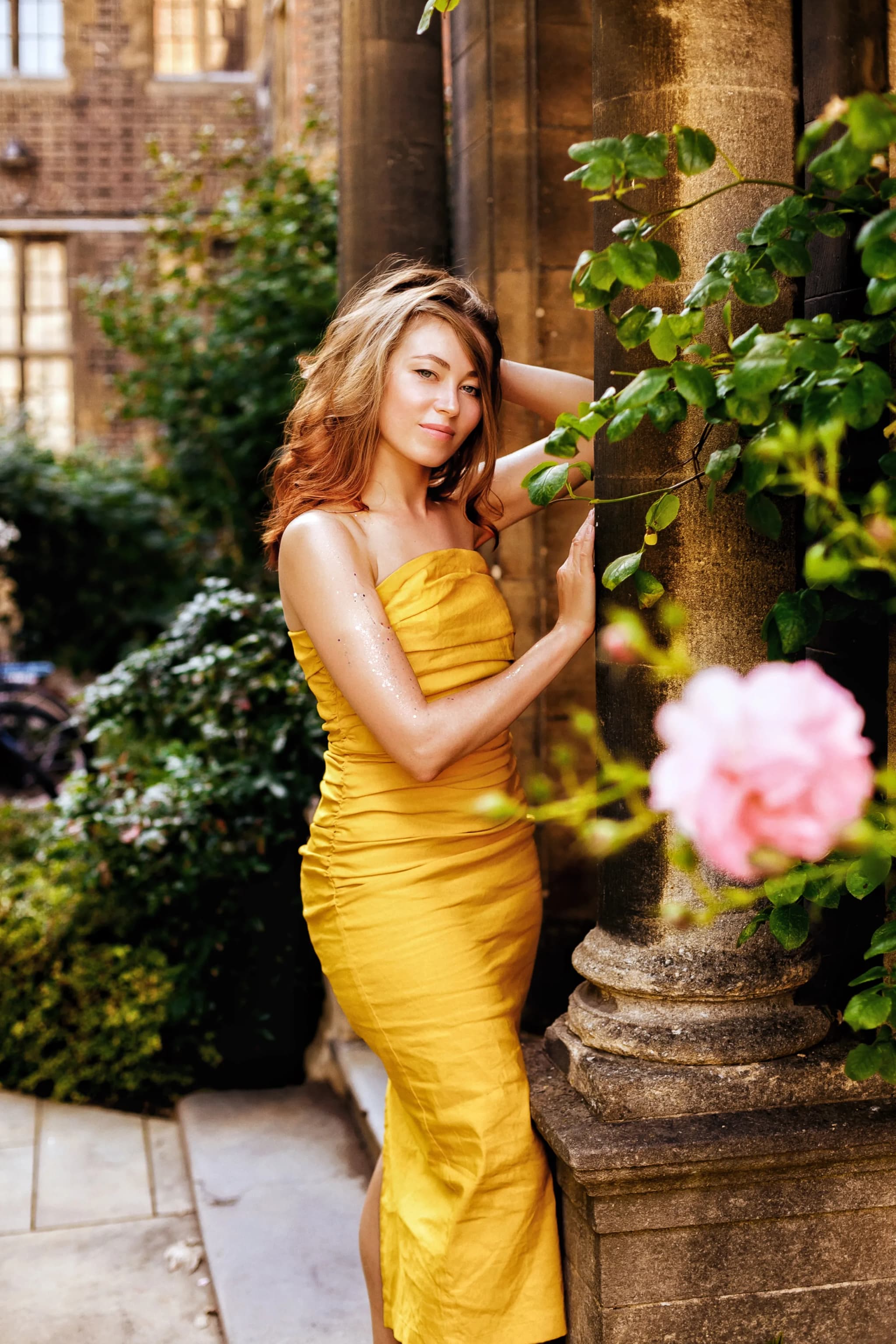

Yana Skakun
Photographer · England
Professional wedding, family and portrait photographer based in England. Passionate about capturing authentic emotions and timeless moments.
About Yana →boudoir photography what to expectboudoir session process ukfirst boudoir shoot tipsboudoir photographer cambridge
Portrait Tips — Portrait Photography in Cambridge & England
Portrait sessions with Yana Skakun are unhurried and personal — designed to produce images that feel genuinely like you, not a performance. Sessions are available in Cambridge, across East England, and at locations throughout the UK. This guide — Boudoir Photography: What to Expect at Your Session — is part of the photography journal: practical, experience-based advice drawn from real sessions across England. Whether you arrived searching for boudoir photography what to expect or boudoir session process uk, the same care and attention shapes every session Yana photographs.
Portrait Photography sessions are available year-round, with bookings open across Cambridge, Ely, Huntingdon, Peterborough, and further afield — East England, London, the Midlands, and beyond. If you have specific questions about first boudoir shoot tips, mention it in your enquiry. Get in touch through the contact form above to check availability and discuss your session. Enquiries are welcomed from anywhere in the UK.
Frequently Asked Questions
How do I look natural in portrait photos?+
The key is to keep moving — walking, talking, laughing. Still poses often look stiff. A good portrait photographer will direct you gently rather than just pointing and shooting. Take a breath, drop your shoulders, and try to focus on something that makes you happy rather than worrying about how you look.
What should I wear for a portrait session?+
Wear something you feel good in — not something borrowed or brand new that you haven't worn before. Solid colours photograph better than busy patterns. Bring a second outfit for variety. Think about the location: flowing fabrics work beautifully outdoors; tailored looks suit urban settings.
How long does a portrait session take?+
Standard portrait sessions last 60–75 minutes. This allows enough time to warm up, try different locations and poses, and explore a couple of looks without rushing. If you're very camera-shy, a longer session helps — the more relaxed you become, the better the final images.
What locations are best for outdoor portrait photography?+
Gardens, parks, riverside paths, woodland, and areas with interesting architecture all make great portrait backgrounds. The most important factor is light — a location with open shade or soft directional light will always photograph better than a technically beautiful spot in harsh midday sun.
What is the difference between a portrait session and a headshot session?+
Portrait sessions focus on you as a whole person — full-body, three-quarter, and close-up images in a relaxed, often outdoor setting. Headshot sessions focus specifically on professional or actor headshots: face and upper body, often in a controlled setting with consistent, professional lighting.
Continue Reading
Related Articles

Portrait Tips
Glasses and Glare in Photography: How to Get Great Results
6 min read · Read Article
Portrait Tips
Fake Tan Before a Photoshoot: Timing, Application, and What Can Go Wrong
6 min read · Read Article
Portrait Tips
Hair and Makeup for a Photoshoot: What Photographs Well
7 min read · Read Article
Get in Touch
Ready to Book Your Session?
Get in touch to discuss your vision — I'll reply within 24 hours.