Yana Skakun

Cambridge University Wedding Photography: The Rules Explained
By Yana Skakun·10 June 2026·6 min read
Few backdrops in England are as breathtaking as a Cambridge college on your wedding day – honey-coloured stone, manicured courts and the gentle hush of the Backs. But before you picture yourselves posing on a centuries-old lawn, there is one thing every couple needs to understand: Cambridge University colleges have strict, individual rules about wedding photography, and they are not always written down in the brochure. After more than a decade photographing weddings across Cambridgeshire, I want to walk you through exactly how college access, fees and rules really work.
Each College Is Its Own Little Kingdom
The first thing to grasp is that there is no single "Cambridge University" policy. The university is a federation of 31 independent colleges, and each one sets its own rules about who may take photographs on its grounds. King's, Trinity, St John's, Clare, Queens' and Magdalene all operate differently – some welcome wedding parties warmly, others restrict access to members and their guests only, and a few prohibit commercial photography on the premises entirely.
This matters enormously if you have your heart set on a particular backdrop. The famous view of King's College Chapel across the Backs, for example, can be photographed from public land near the river, but stepping onto the college's private lawns for a portrait is a different matter altogether. I always advise couples to confirm in writing what is and isn't permitted before the day, because turning up unannounced with a photographer in tow is the surest way to be politely but firmly turned away by a porter.
Why Most Couples Need a College Connection
The colleges that allow weddings and wedding photography usually expect a genuine link – one of you may be an alumnus, a current member, a member of staff, or a Fellow. If neither of you studied here, your options narrow considerably, although several colleges hire out their grounds and dining halls for private events to the public through their conference and events offices. Trinity Hall, Christ's and Sidney Sussex are among those that have hosted external celebrations.
Where you do have a connection, the process is far smoother, but you will still need to book formally through the college's domestic bursar or events team. They will want to know the date, the number of guests, the timings and, crucially, whether you intend to bring a professional photographer. Never assume that booking the venue automatically includes the right to a photo shoot in every quad and cloister.
I have photographed couples who were married elsewhere – perhaps at a Cambridgeshire village church or a registry office on the Suffolk border – and simply wanted twenty minutes of portraits at their old college. Even that brief visit requires permission, and often a small access fee.
The Fees and Rules You Should Expect
Costs vary widely, from a modest photography access charge of around £50 to £150 for a short portrait session, up to several thousand pounds for a full wedding and reception with exclusive use of a dining hall and gardens. The figures change every year and between colleges, so treat anything you read online as a rough guide only and ask the events office for a current quote.
Beyond the money, there are practical rules that catch couples out. Here are the conditions I see most often when photographing weddings at Cambridge colleges:
- ◆Lawn access: Most college lawns are strictly off-limits unless a Fellow or the head porter grants explicit permission – those pristine courts are centuries old and fiercely protected.
- ◆Time limits: Portrait slots are often capped at 20 to 30 minutes and scheduled around term, exams and conferences, so flexibility is essential.
- ◆Confetti bans: Almost every college prohibits confetti, including biodegradable petals, because of the cleaning required on the historic stone and grass.
- ◆Group sizes: Some colleges restrict how many people may accompany the couple, meaning the full bridal party cannot always come along for portraits.
- ◆Drone restrictions: Aerial photography is generally forbidden over college grounds and the city centre without specific written clearance.
- ◆Term-time limits: During Michaelmas, Lent and Easter terms, student and tourist activity can mean tighter access or higher fees than in the vacation.
Planning Around Weather, Light and the Calendar
Cambridge is a beautiful place to marry, but the local climate has opinions of its own. The flat fenland around the city means clear, big skies one moment and sweeping rain the next, so I always plan an indoor fallback – a cloister, a chapel doorway or a panelled hall – for portraits. The soft, low light of late afternoon in autumn turns that warm Cambridgeshire stone golden, which is why Michaelmas-term weddings can look so magical even when the air is sharp.
Timing also matters for crowds. The Backs and the central colleges fill with tourists and punts from late spring through summer, so an early-morning slot often gives us emptier courts and gentler light. Outside term, in the long vacation, colleges are quieter and access can be easier, though some close certain areas for maintenance. Knowing this rhythm is half the battle, and it's where a photographer who lives and works locally earns their keep.
How I Help Couples Get It Right
Because I'm based in Cambridge, I know the porters, the events teams and the quiet corners that photograph beautifully without breaking any rules. I'll happily liaise with your college on the access requirements, map out a realistic timeline that respects the time limits, and have a weather plan ready for the inevitable shower. My aim is simple: that your day feels relaxed and joyful, not spent negotiating with a porter's lodge.
If your wedding sits just outside the city – in a Cambridgeshire barn, a Suffolk hall or one of the riverside venues along the Cam – I can still weave in a short college portrait session, provided we secure permission well in advance. The earlier we start the conversation, the more doors, quite literally, we can open.
Dreaming of wedding portraits in a Cambridge college court?
Let's talk through your college, the access rules and the timings well before the big day – so the only thing you'll need to think about is enjoying it.
Check Your Date →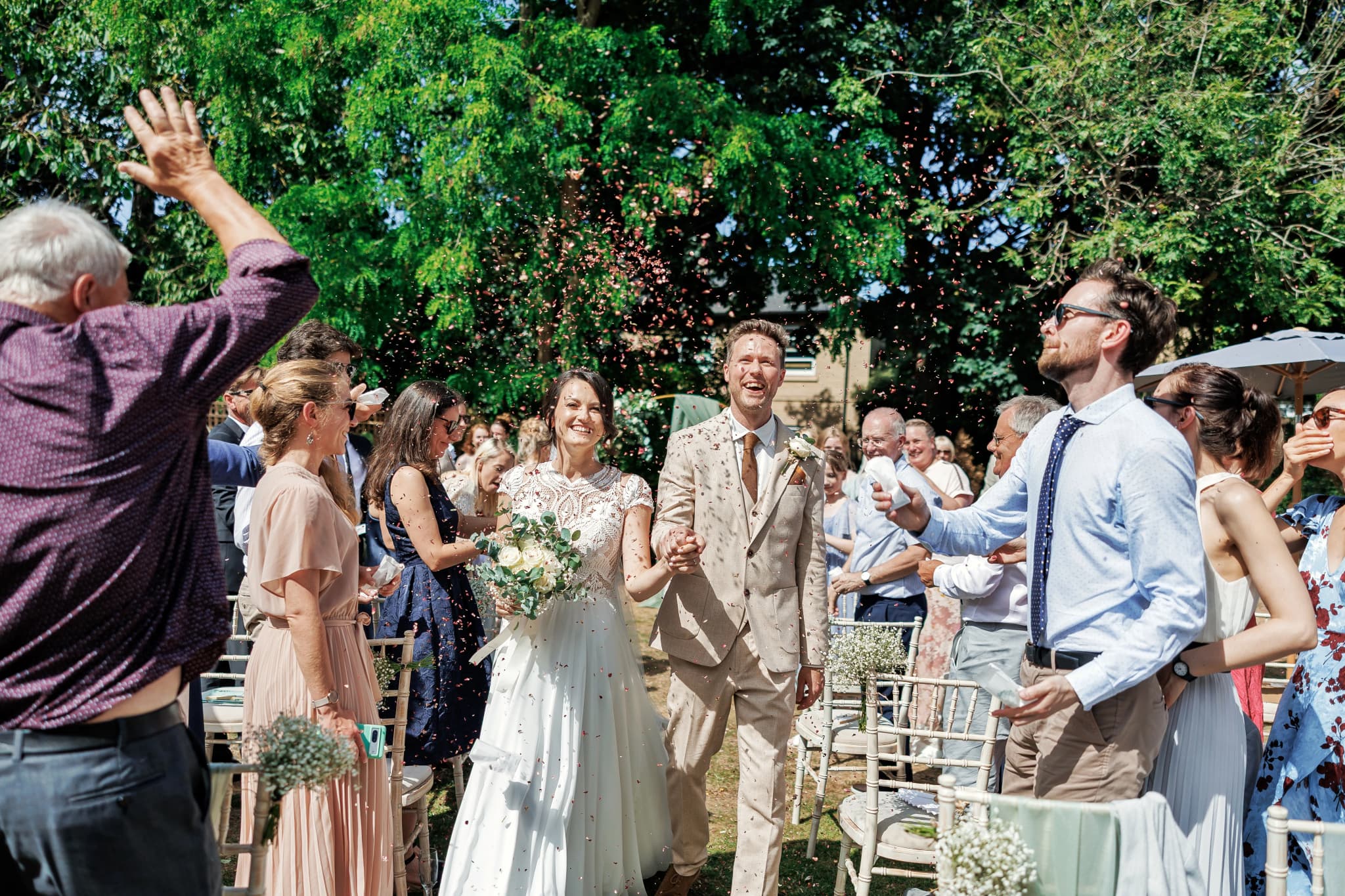

Yana Skakun
Photographer · England
Professional wedding, family and portrait photographer based in England. Passionate about capturing authentic emotions and timeless moments.
About Yana →cambridgeuniversityweddingphotography
Wedding Planning — Professional Photography in Cambridge & England
Yana Skakun is a professional photographer based in Cambridge, covering weddings, families, and portraits across England. Every session is personal — planned around your story, your people, and the moments that matter most. This guide — Cambridge University Wedding Photography: The Rules Explained — is part of the photography journal: practical, experience-based advice drawn from real sessions across England. Whether you arrived searching for cambridge or university, the same care and attention shapes every session Yana photographs.
Professional Photography sessions are available year-round, with bookings open across Cambridge, Ely, Huntingdon, Peterborough, and further afield — East England, London, the Midlands, and beyond. If you have specific questions about wedding, mention it in your enquiry. Get in touch through the contact form above to check availability and discuss your session. Enquiries are welcomed from anywhere in the UK.
Frequently Asked Questions
What camera settings should I use for outdoor portraits?+
For outdoor portraits, shoot in aperture priority mode. Use a wide aperture (f/1.8–f/2.8) to blur the background and isolate your subject. Keep ISO as low as possible in good light. In bright conditions, use a neutral density filter or switch to manual to avoid overexposure at wide apertures.
What is the golden hour in photography?+
Golden hour is the period roughly 30–60 minutes after sunrise and before sunset. The sun is low in the sky, producing warm, soft, directional light that flatters skin tones and creates beautiful long shadows. It's widely considered the best natural light for portrait and outdoor photography.
How do you get sharp photos in low light?+
In low light, increase your ISO (accepting some grain), use the widest aperture your lens allows, and slow your shutter speed to the slowest you can hand-hold without camera shake (roughly 1/focal length as a guide). Use image stabilisation if available, and consider a tripod for static subjects.
What is the rule of thirds in photography?+
The rule of thirds divides the frame into a 3×3 grid. Placing your subject on one of the four intersection points — rather than dead centre — creates a more dynamic, visually interesting composition. It's a guideline, not a rule: some of the most powerful images break it deliberately.
How do you edit photos to look professional?+
Professional editing starts with shooting in RAW format. In Lightroom or similar software, correct exposure, white balance, and contrast first. Recover shadow and highlight detail. Apply gentle colour grading for mood. Be conservative with skin retouching — the goal is natural enhancement, not transformation. Consistency across a set of images is what separates professional from amateur editing.


Get in Touch
Ready to Book Your Session?
Get in touch to discuss your vision — I'll reply within 24 hours.