Yana Skakun

Planning a Chateau Wedding in France: What You Need to Know
By Yana Skakun·10 June 2026·6 min read
A French chateau wedding is one of the most romantic things a couple can plan, but it's also a logistical marathon dressed up in fairy-tale clothing. I've photographed celebrations from a converted barn near Newmarket to a sixteenth-century estate in the Dordogne, and the difference always comes down to how well the timeline is mapped before anyone sets foot in France. Here's what I've learnt from being on the ground for these multi-day affairs.
Why a Chateau Is a Three-Day Commitment, Not a Day Out
The single biggest shift for British couples is realising that a chateau is rarely hired for one day. Most estates rent the property for a long weekend, often Friday to Monday, because the venue is also your accommodation, your getting-ready suite, your dinner hall and frequently your morning-after brunch spot. That sounds indulgent, and it is, but it also means you're effectively running a small private hotel for three days.
I always tell couples to think of it as three separate events with three separate moods: a relaxed welcome evening, the wedding day itself, and a slow recovery brunch. Each one needs its own rough running order, its own catering plan and its own lighting consideration. Unlike a tidy Cambridgeshire marquee that's built and struck in a day, a chateau weekend has no natural full stop, so structure has to come from you.
The Legal Reality: You Probably Marry at Home First
Here's the part that surprises people. France does not recognise symbolic or celebrant-led ceremonies as legally binding, and to marry legally in France one party usually needs around forty days of residency in the commune beforehand. For a couple based in Cambridge, that's simply not realistic.
The practical solution most of my couples choose is to complete the legal marriage quietly in the UK, often a short registry-office appointment in Cambridge or Bury St Edmunds, and then hold the "real" ceremony, the emotional one with all the guests, at the chateau as a celebrant-led blessing. Nobody at the chateau need ever know it isn't the legal one; the vows, the rings and the tears are identical. Book your registry slot early, because UK notice periods run to twenty-eight days as standard.
Building the Weekend Timeline
A well-paced chateau weekend has a rhythm that keeps guests engaged without exhausting them. Most people will have travelled from the UK, flying into somewhere like Bergerac, Bordeaux or Toulouse and then driving, so the first evening should be gentle. The wedding day carries the weight, and the final morning should ask nothing of anyone.
These are the building blocks I'd sketch out with you, roughly in order, so the photography, the catering and the guests' energy all line up:
- ◆Friday welcome dinner: A long, informal supper outdoors as guests arrive, ideal for relaxed candid photos and reacquainting families.
- ◆Saturday morning prep: Hair, make-up and a calm getting-ready window of at least three hours in good natural light somewhere in the chateau.
- ◆The blessing ceremony: Held late afternoon to dodge the harsh midday sun, typically in the grounds or a courtyard with shade.
- ◆Aperitif hour: Drinks and canapes on the terrace while you slip away for couple portraits in the golden evening light.
- ◆The wedding dinner: A leisurely seated meal, often four or five courses, running well past sunset under festoon lighting.
- ◆Sunday brunch: A slow farewell spread the next morning, no schedule, no speeches, just coffee and goodbyes before the airport runs.
Weather, Light and the Heat Nobody Warns You About
Couples picture a French summer as reliably golden, and southern France in July or August genuinely is, but it's also brutally hot, frequently in the mid-thirties. A two-o'clock ceremony in full sun is unkind to elderly relatives, to make-up and to anyone in a three-piece suit. I push hard for late-afternoon ceremonies, around five or six, when the light softens and the temperature drops to something humane.
The flip side is that French evenings stay light far longer than we're used to in Suffolk; sunset in late June can be close to ten o'clock. That generous golden hour is a gift for portraits, but it also means your "evening" party doesn't feel like night until much later, so plan the band, the dancing and any fireworks accordingly. Always have a wet-weather plan too; the south can deliver dramatic thunderstorms that roll in within the hour.
Suppliers: Bring or Source Locally?
This is where budgets quietly balloon. Some couples bring their trusted UK team, photographer, hair and make-up, even a celebrant, while others source everything locally to save on travel and accommodation. My honest view is to bring the people whose work you'll live with forever and source the rest nearby. I travel for my couples regularly, and there's real value in a photographer who already knows how you move and where you'll relax.
For catering, florals and furniture hire, local French suppliers almost always win on cost, quality and logistics, and a good chateau will have a trusted little black book. Do factor in the practicalities for any UK suppliers travelling with you: flights, two or three nights' accommodation, hire cars and a day either side for travel. Build that into the quote from the start so there are no awkward surprises, and confirm everyone's passports have at least six months' validity post-Brexit.
Dreaming of saying "I do" under a French sky?
I travel from Cambridge for chateau weddings across France and would love to capture your whole weekend, from the welcome dinner to the farewell brunch. Let's talk timelines and see if your date is free.
Check Your Date →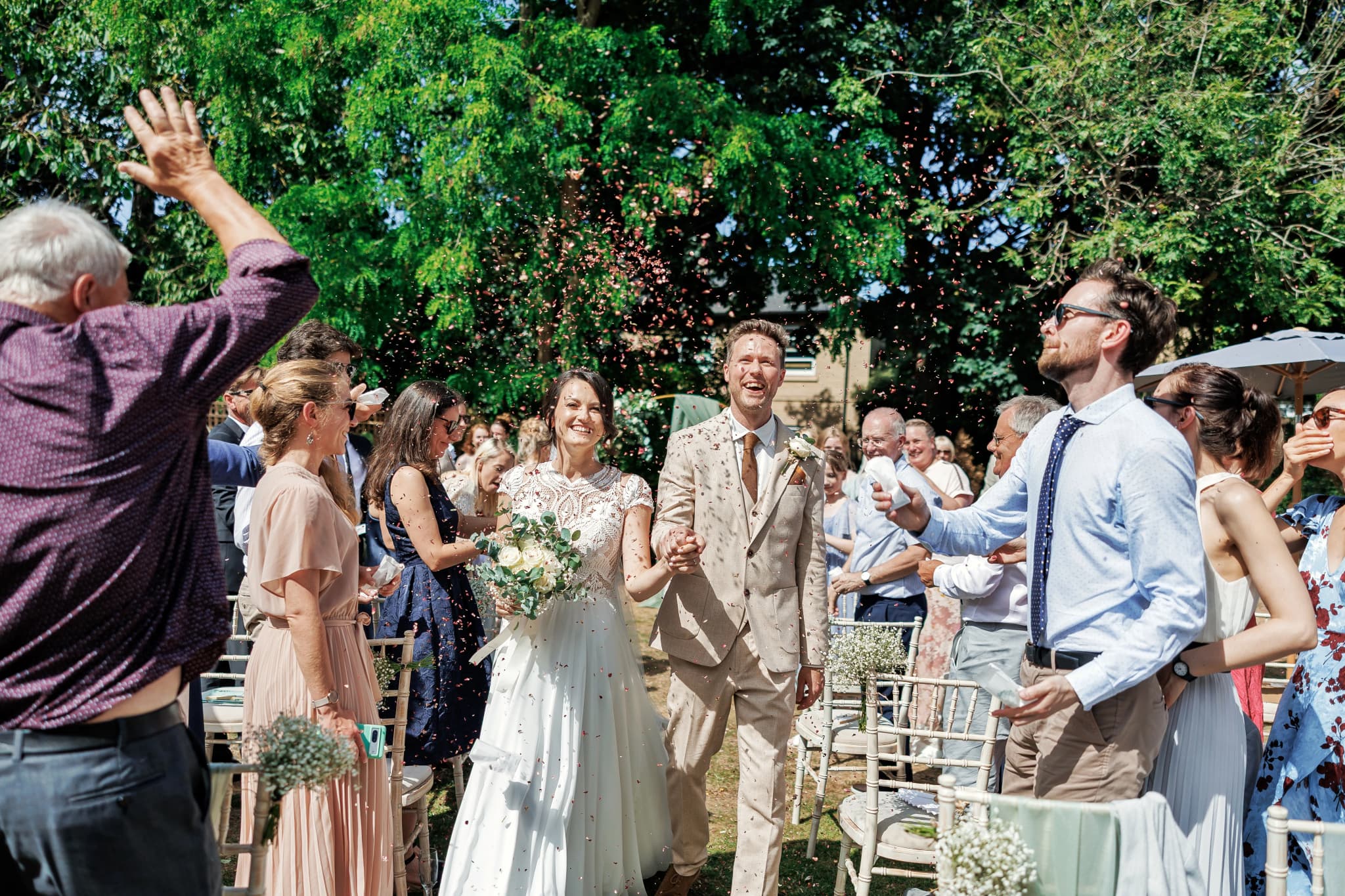

Yana Skakun
Photographer · England
Professional wedding, family and portrait photographer based in England. Passionate about capturing authentic emotions and timeless moments.
About Yana →chateauweddingfranceguide
Wedding Planning — Professional Photography in Cambridge & England
Yana Skakun is a professional photographer based in Cambridge, covering weddings, families, and portraits across England. Every session is personal — planned around your story, your people, and the moments that matter most. This guide — Planning a Chateau Wedding in France: What You Need to Know — is part of the photography journal: practical, experience-based advice drawn from real sessions across England. Whether you arrived searching for chateau or wedding, the same care and attention shapes every session Yana photographs.
Professional Photography sessions are available year-round, with bookings open across Cambridge, Ely, Huntingdon, Peterborough, and further afield — East England, London, the Midlands, and beyond. If you have specific questions about france, mention it in your enquiry. Get in touch through the contact form above to check availability and discuss your session. Enquiries are welcomed from anywhere in the UK.
Frequently Asked Questions
What camera settings should I use for outdoor portraits?+
For outdoor portraits, shoot in aperture priority mode. Use a wide aperture (f/1.8–f/2.8) to blur the background and isolate your subject. Keep ISO as low as possible in good light. In bright conditions, use a neutral density filter or switch to manual to avoid overexposure at wide apertures.
What is the golden hour in photography?+
Golden hour is the period roughly 30–60 minutes after sunrise and before sunset. The sun is low in the sky, producing warm, soft, directional light that flatters skin tones and creates beautiful long shadows. It's widely considered the best natural light for portrait and outdoor photography.
How do you get sharp photos in low light?+
In low light, increase your ISO (accepting some grain), use the widest aperture your lens allows, and slow your shutter speed to the slowest you can hand-hold without camera shake (roughly 1/focal length as a guide). Use image stabilisation if available, and consider a tripod for static subjects.
What is the rule of thirds in photography?+
The rule of thirds divides the frame into a 3×3 grid. Placing your subject on one of the four intersection points — rather than dead centre — creates a more dynamic, visually interesting composition. It's a guideline, not a rule: some of the most powerful images break it deliberately.
How do you edit photos to look professional?+
Professional editing starts with shooting in RAW format. In Lightroom or similar software, correct exposure, white balance, and contrast first. Recover shadow and highlight detail. Apply gentle colour grading for mood. Be conservative with skin retouching — the goal is natural enhancement, not transformation. Consistency across a set of images is what separates professional from amateur editing.


Get in Touch
Ready to Book Your Session?
Get in touch to discuss your vision — I'll reply within 24 hours.