Yana Skakun

The Cocktail Hour Timeline: Keeping Guests Happy While You Shoot Portraits
By Yana Skakun·10 June 2026·6 min read
Cocktail hour is the most quietly clever stretch of any wedding day. While I'm whisking the two of you away for couple portraits, your guests need somewhere to be, something in their hands, and a reason not to glance at their watches. Get the timeline right and that "gap" becomes the most relaxed, photogenic part of the whole day. Get it wrong and you return from portraits to a room of restless, hungry people. Here's exactly how I structure it so your photos and your guests' enjoyment happen at the same time, not at each other's expense.
Why the cocktail hour exists in the first place
Most couples assume the post-ceremony hour is for them. It isn't, really. It's the buffer that lets your venue flip the ceremony room into a dining space, lets the caterers plate up, and gives the wedding party a window to be photographed without 80 people waiting on them. At Cambridgeshire barns like Quy Mill or South Farm, that turnaround genuinely takes the full hour, so the cocktail hour isn't padding, it's load-bearing.
My rule of thumb: plan for 75 minutes, not 60. A scheduled hour almost always runs long because the receiving line overruns, or it takes ten minutes to gently herd everyone from a churchyard to drinks. Building in that cushion means I'm not rushing your portraits, and your guests never feel abandoned. The extra fifteen minutes is the difference between a calm day and a clock-watching one.
Overlapping portraits with entertainment
The whole trick is making the two halves of cocktail hour run in parallel. The moment you're married, I want your guests occupied within five minutes so the second I take you away, nobody is standing about. That means drinks in hand on arrival, not a tray that appears twenty minutes later. While you and I slip off for fifteen to twenty minutes of couple portraits, the room should be running its own gentle programme.
I deliberately keep couple portraits short. Fifteen focused minutes in good light gives me far more than forty minutes of you both flagging and wanting to rejoin the party. Especially through a long English summer afternoon, or a drizzly Suffolk one where we're ducking under a porch, efficiency keeps the energy up. Then we head back and I photograph the cocktail hour itself, which is where the warm, candid, no-one-posing pictures live.
A timeline that actually works
Here's the structure I share with couples during planning. The times are relative to the ceremony ending, and each block is designed to keep one group busy while another is being photographed.
- ◆0–5 min: Confetti and immediate congratulations. I shoot this fast, then drinks and canapés go straight into guests' hands.
- ◆5–15 min: Family group photos. Do these first while everyone is dressed, sober-ish, and easy to locate before they scatter.
- ◆15–35 min: Your couple portraits. I take you away for a focused twenty minutes while guests enjoy drinks, lawn games, or a musician.
- ◆35–55 min: You rejoin the party. I shoot candids, guests mingle, and any background entertainment keeps the momentum going.
- ◆55–70 min: Quiet wind-down. Toilets, top-ups, and a subtle nudge from the toastmaster or venue coordinator.
- ◆70–75 min: Call for dinner. Guests are seated relaxed and well-fed on canapés, not hangry and impatient.
Notice the family photos sit at the very front. It's the single biggest timeline fix I recommend: pin down relatives before the bar opens and they drift off to find Auntie Sue. A tight shot list of eight to ten groupings clears in ten minutes flat.
Keeping guests genuinely happy
Drinks alone won't carry a full hour, particularly with mixed ages. I've watched lawn games like giant Jenga or croquet quietly save a slow patch on a country-house lawn, and a single acoustic guitarist do more for the mood than any amount of fussing. If the British weather turns, and in Cambridgeshire it often threatens to, make sure your venue has a wet-weather plan that keeps people in one warm, lively room rather than scattered and shivering.
Food matters more than couples expect. Aim for three or four canapés per person across the hour, served steadily rather than in one early rush. Hungry guests are the ones who notice you're gone. A well-fed crowd with a fresh drink barely registers your twenty-minute absence, and that is exactly the point.
What to tell your photographer in advance
Share your draft timeline with me weeks ahead, not on the morning. I'll flag where the light will be best for portraits, whether sunset falls mid-dinner and we should sneak out for ten golden minutes, and how to sequence family groups so nobody's hunted down. On a recent Suffolk wedding we moved couple portraits later purely because the low evening light over the meadow was worth waiting for, a call we could only make because we'd planned together.
The best cocktail hours feel effortless to guests precisely because they were engineered. When portraits and entertainment overlap by design, you get the relaxed couple shots, the candid laughter, and a room full of people who never once wondered where you'd gone.
Want a cocktail hour that photographs as well as it flows?
I help Cambridgeshire and Suffolk couples build wedding timelines where portraits and guest entertainment work in harmony. Let's map yours together.
Check Your Date →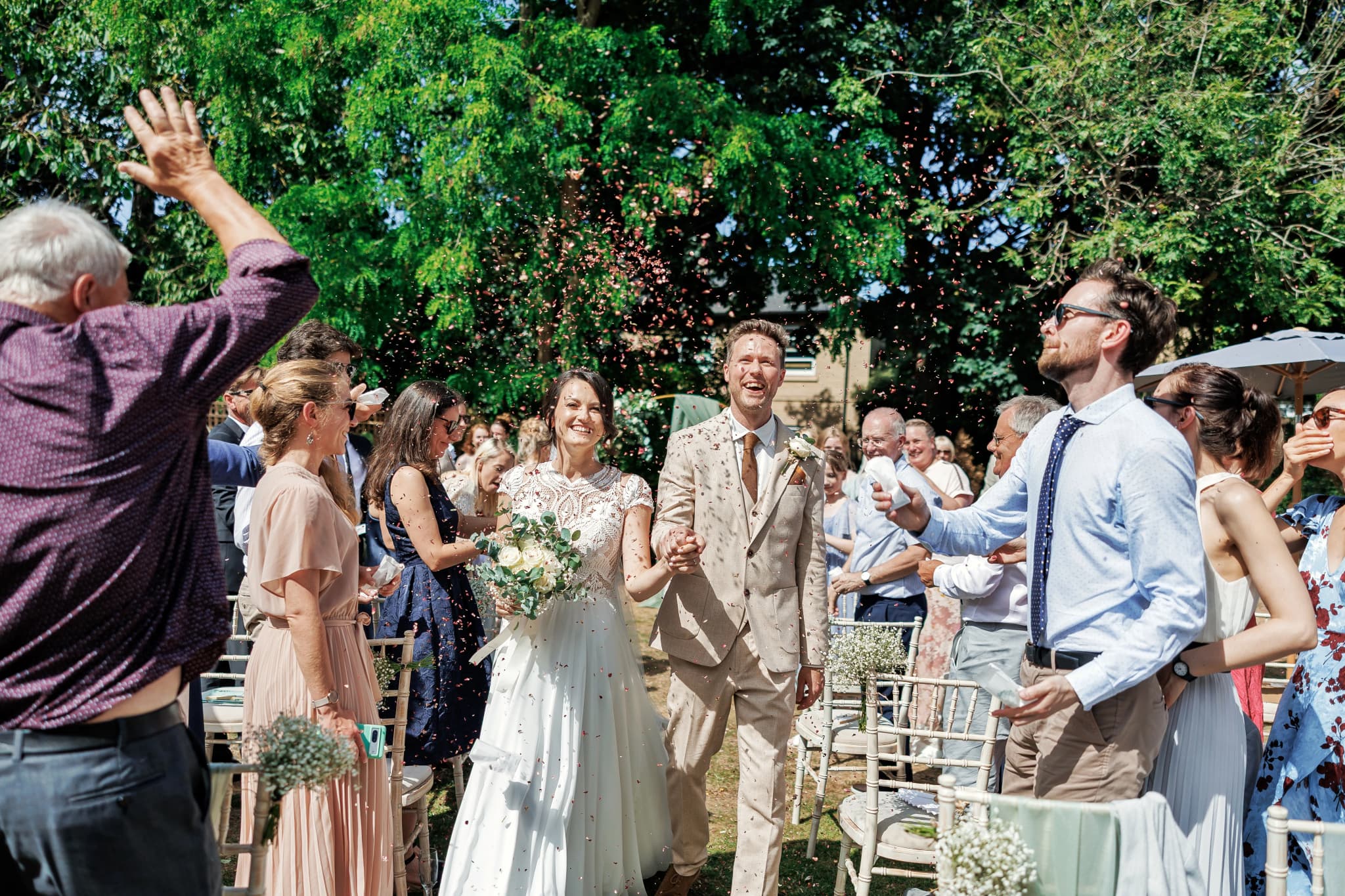

Yana Skakun
Photographer · England
Professional wedding, family and portrait photographer based in England. Passionate about capturing authentic emotions and timeless moments.
About Yana →cocktailhourweddingtimeline
Wedding Planning — Professional Photography in Cambridge & England
Yana Skakun is a professional photographer based in Cambridge, covering weddings, families, and portraits across England. Every session is personal — planned around your story, your people, and the moments that matter most. This guide — The Cocktail Hour Timeline: Keeping Guests Happy While You Shoot Portraits — is part of the photography journal: practical, experience-based advice drawn from real sessions across England. Whether you arrived searching for cocktail or hour, the same care and attention shapes every session Yana photographs.
Professional Photography sessions are available year-round, with bookings open across Cambridge, Ely, Huntingdon, Peterborough, and further afield — East England, London, the Midlands, and beyond. If you have specific questions about wedding, mention it in your enquiry. Get in touch through the contact form above to check availability and discuss your session. Enquiries are welcomed from anywhere in the UK.
Frequently Asked Questions
What camera settings should I use for outdoor portraits?+
For outdoor portraits, shoot in aperture priority mode. Use a wide aperture (f/1.8–f/2.8) to blur the background and isolate your subject. Keep ISO as low as possible in good light. In bright conditions, use a neutral density filter or switch to manual to avoid overexposure at wide apertures.
What is the golden hour in photography?+
Golden hour is the period roughly 30–60 minutes after sunrise and before sunset. The sun is low in the sky, producing warm, soft, directional light that flatters skin tones and creates beautiful long shadows. It's widely considered the best natural light for portrait and outdoor photography.
How do you get sharp photos in low light?+
In low light, increase your ISO (accepting some grain), use the widest aperture your lens allows, and slow your shutter speed to the slowest you can hand-hold without camera shake (roughly 1/focal length as a guide). Use image stabilisation if available, and consider a tripod for static subjects.
What is the rule of thirds in photography?+
The rule of thirds divides the frame into a 3×3 grid. Placing your subject on one of the four intersection points — rather than dead centre — creates a more dynamic, visually interesting composition. It's a guideline, not a rule: some of the most powerful images break it deliberately.
How do you edit photos to look professional?+
Professional editing starts with shooting in RAW format. In Lightroom or similar software, correct exposure, white balance, and contrast first. Recover shadow and highlight detail. Apply gentle colour grading for mood. Be conservative with skin retouching — the goal is natural enhancement, not transformation. Consistency across a set of images is what separates professional from amateur editing.


Get in Touch
Ready to Book Your Session?
Get in touch to discuss your vision — I'll reply within 24 hours.