Yana Skakun

Destination Wedding Cost: France vs Italy (2026 Guide)
By Yana Skakun·10 June 2026·6 min read
Every couple I meet in my Cambridge studio who is dreaming of a wedding abroad asks me the same thing first: 'Which is actually cheaper, France or Italy?' After photographing celebrations from a Provençal farmhouse to a Tuscan vineyard, my honest answer is that the destination matters less than how you plan it. But there are real, predictable differences in cost between the two, and knowing them early will save you thousands. Here is the side-by-side breakdown I wish every couple had before they fell in love with a venue.
The headline numbers: what a destination wedding really costs
Let's start with the figure couples care about most. A destination wedding for 40 to 60 guests in France typically lands between £18,000 and £35,000 all in, while the equivalent in Italy runs slightly higher, roughly £22,000 to £42,000. That gap is not enormous, but it is consistent, and it widens as your guest list grows.
The reason Italy edges ahead is rarely the food or wine, both of which can be wonderfully affordable. It is the regional sales tax on venue hire, the near-universal expectation of a wedding planner, and the cost of celebrant and legal paperwork for non-residents. France, by contrast, tends to bundle more into a single venue fee, especially in the less fashionable corners of Burgundy or the Dordogne where I've shot some of my favourite weddings.
For comparison, the average UK wedding in 2026 sits around £22,000 to £24,000. So a carefully planned French wedding can genuinely cost the same as a marquee weekend in a Suffolk field, just with better light and warmer evenings.
Venue and catering: where France quietly wins
Venues are the single biggest line on any budget, and this is where the two countries diverge most clearly. In France you can hire a private château or restored farmhouse for a full weekend, often with accommodation for twenty or more guests included, for £6,000 to £12,000. Because so many of these properties are family-run, catering is frequently arranged in-house at sensible per-head rates of £90 to £140.
Italy operates differently. The most sought-after Tuscan and Amalfi venues charge a hire fee and then expect you to bring in an external caterer, a planner, and sometimes even your own furniture. Add the 22 percent IVA sales tax that applies to most wedding services and the same 50-guest celebration can cost noticeably more, even though the raw ingredients are no pricier than a market in Cambridgeshire.
My practical advice: if budget is your priority, look at south-west France. If you are set on Italy, move inland. Umbria offers everything Tuscany does at perhaps two-thirds of the price, and the rolling countryside photographs just as beautifully.
The hidden costs couples forget to budget for
The sticker price of a venue is never the whole story, and the extras are where well-organised budgets quietly unravel. These are the line items I see catch couples out again and again, whichever country they choose.
- ◆Legal paperwork: A symbolic ceremony abroad with the legal bit done quietly at your local register office in Cambridge is far cheaper than navigating French or Italian residency rules, which can add £600 to £1,500.
- ◆Planner fees: Italy almost demands a local planner at 10 to 15 percent of your total; in France a part-time coordinator at a flat £1,500 to £3,000 is often enough.
- ◆Supplier travel: Bringing trusted UK suppliers like your photographer means flights, accommodation and a travel day, usually £400 to £900 per supplier.
- ◆Guest accommodation: You may not pay for it, but blocking rooms and arranging shuttles takes time and sometimes a deposit you won't see back quickly.
- ◆Currency and transfers: Paying deposits in euros over 18 months exposes you to exchange swings; lock rates early or budget a 5 percent buffer.
- ◆The weather plan: An Italian summer can hit 38 degrees, so air-conditioned spaces, shade and a wet-weather marquee in France are real, often forgotten, costs.
Bringing your photographer from home versus hiring locally
I am biased here, so let me be transparent about the maths. Hiring a local French or Italian photographer can look cheaper on paper, with day rates sometimes £500 below a UK supplier. But factor in that you have never met them, cannot see them work at a real wedding near you, and may face a language gap on the most emotional day of your life, and the saving feels thinner.
When couples bring me from Cambridge, the travel adds perhaps £500 to £800 to my standard package. In return you get someone who has already photographed your engagement on the Backs by the river, knows exactly how you both relax in front of a lens, and treats the trip as part of the storytelling rather than a one-off booking. For most of my couples that continuity is worth far more than the difference.
Whichever way you go, book your photographer before you book flights for guests. The best suppliers, local or UK-based, are reserved twelve to eighteen months ahead for prime summer Saturdays.
So which should you choose?
If your heart is set on the lowest possible spend, France wins, particularly the rural west and the Loire. You get château grandeur, generous in-house catering and a weekend-long celebration that often costs less than a traditional wedding back in Cambridgeshire. It is the choice I gently steer budget-conscious couples towards.
Choose Italy if a specific landscape, a lakeside or a clifftop, is non-negotiable for you, and you are happy to invest in a planner who makes the extra complexity disappear. The country rewards couples who commit to it, and the photographs from an Italian golden hour are genuinely unmatched.
Dreaming of saying 'I do' in France or Italy?
I travel from Cambridge across Europe and would love to hear your plans. Let's talk through your destination, your budget and your dates before the best weekends are taken.
Check Your Date →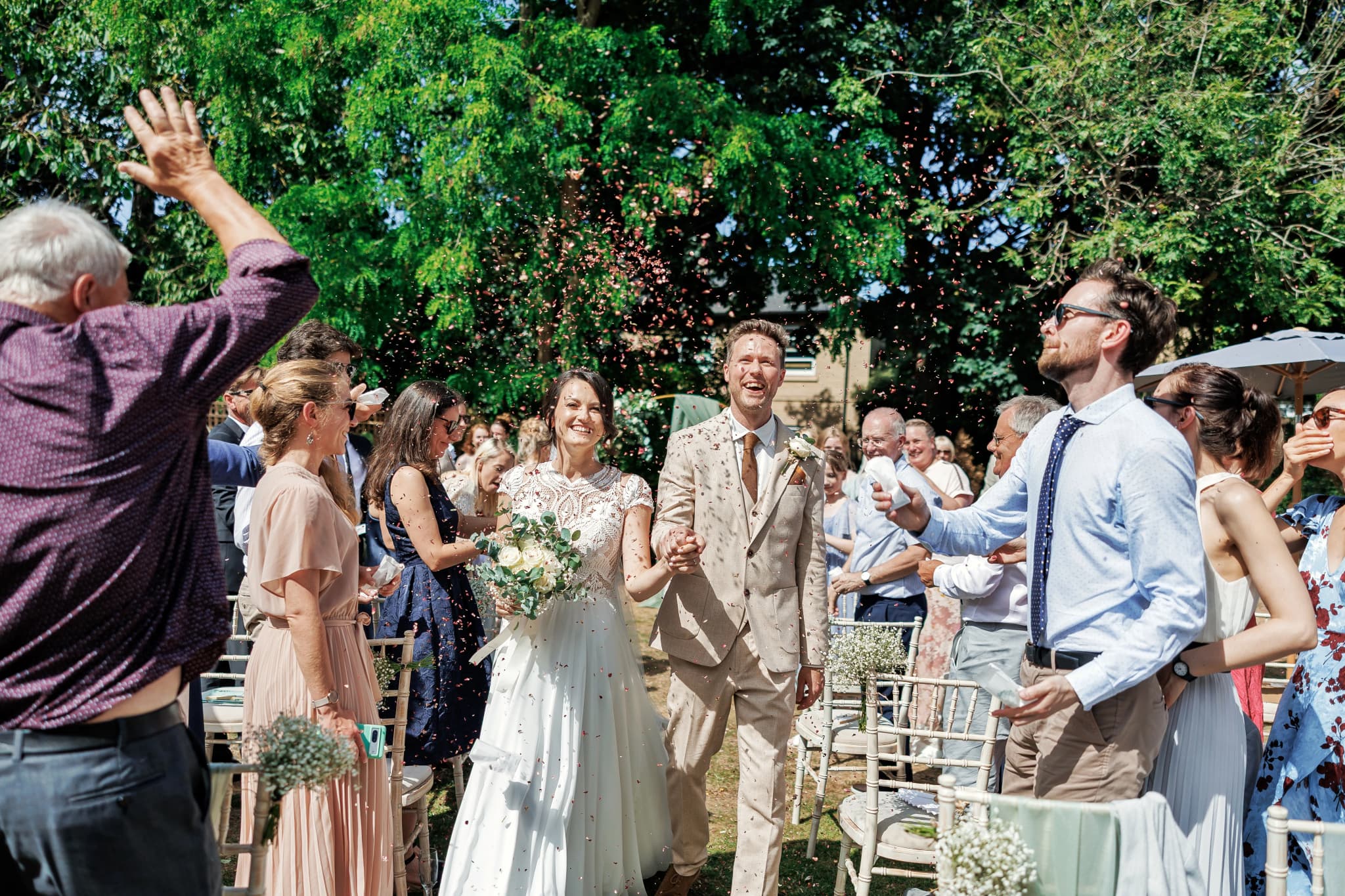


Yana Skakun
Photographer · England
Professional wedding, family and portrait photographer based in England. Passionate about capturing authentic emotions and timeless moments.
About Yana →destinationweddingcosteurope
Wedding Planning — Professional Photography in Cambridge & England
Yana Skakun is a professional photographer based in Cambridge, covering weddings, families, and portraits across England. Every session is personal — planned around your story, your people, and the moments that matter most. This guide — Destination Wedding Cost: France vs Italy (2026 Guide) — is part of the photography journal: practical, experience-based advice drawn from real sessions across England. Whether you arrived searching for destination or wedding, the same care and attention shapes every session Yana photographs.
Professional Photography sessions are available year-round, with bookings open across Cambridge, Ely, Huntingdon, Peterborough, and further afield — East England, London, the Midlands, and beyond. If you have specific questions about cost, mention it in your enquiry. Get in touch through the contact form above to check availability and discuss your session. Enquiries are welcomed from anywhere in the UK.
Frequently Asked Questions
What camera settings should I use for outdoor portraits?+
For outdoor portraits, shoot in aperture priority mode. Use a wide aperture (f/1.8–f/2.8) to blur the background and isolate your subject. Keep ISO as low as possible in good light. In bright conditions, use a neutral density filter or switch to manual to avoid overexposure at wide apertures.
What is the golden hour in photography?+
Golden hour is the period roughly 30–60 minutes after sunrise and before sunset. The sun is low in the sky, producing warm, soft, directional light that flatters skin tones and creates beautiful long shadows. It's widely considered the best natural light for portrait and outdoor photography.
How do you get sharp photos in low light?+
In low light, increase your ISO (accepting some grain), use the widest aperture your lens allows, and slow your shutter speed to the slowest you can hand-hold without camera shake (roughly 1/focal length as a guide). Use image stabilisation if available, and consider a tripod for static subjects.
What is the rule of thirds in photography?+
The rule of thirds divides the frame into a 3×3 grid. Placing your subject on one of the four intersection points — rather than dead centre — creates a more dynamic, visually interesting composition. It's a guideline, not a rule: some of the most powerful images break it deliberately.
How do you edit photos to look professional?+
Professional editing starts with shooting in RAW format. In Lightroom or similar software, correct exposure, white balance, and contrast first. Recover shadow and highlight detail. Apply gentle colour grading for mood. Be conservative with skin retouching — the goal is natural enhancement, not transformation. Consistency across a set of images is what separates professional from amateur editing.


Get in Touch
Ready to Book Your Session?
Get in touch to discuss your vision — I'll reply within 24 hours.