Yana Skakun

Destination Wedding Timeline: Planning the Day Abroad
By Yana Skakun·10 June 2026·6 min read
When a couple from Cambridgeshire tells me they're marrying in Puglia or the Algarve, my first question is never about the dress or the menu — it's about the sun. A destination wedding timeline that works in the soft, forgiving light of a Suffolk barn will fall apart under a 33°C Mediterranean afternoon. After a decade photographing couples both at home and abroad, I've learned that planning the day around heat and light is the single biggest difference between a relaxed celebration and a sweltering scramble.
Why a UK Timeline Doesn't Travel
In England, we're used to ceremonies at 1pm or 2pm because the light stays gentle and the temperature rarely punishes anyone. A July wedding in the Cotswolds peaks at maybe 24°C, and even our brightest days carry a haze that flatters skin and softens shadows. That instinct is exactly what catches UK couples out overseas.
Around the Mediterranean, southern Spain, Greece and much of Italy, the hours between roughly noon and 4pm are brutal. The sun sits high and hard, carving deep shadows under the eyes, bleaching white dresses to a glare and leaving guests wilting in tailoring they chose for an English summer. Booking your ceremony for 2pm because that's what felt normal back home is the most common mistake I see.
The fix is simple but it reshapes everything: you build the day backwards from sunset, not forwards from lunch. Once you accept that, the rest of the schedule falls into place naturally.
Anchor Everything to Golden Hour
Golden hour — the 60 to 90 minutes before sunset — is where your couple portraits should live. The light goes warm, low and directional, the heat drops, and everyone looks their best. In peak season abroad, sunset often falls between 8.30pm and 9.15pm, which is far later than UK couples expect.
That late sunset is a gift. It means a 6pm or 6.30pm ceremony, an aperitivo in the shade while the worst of the heat fades, then portraits as the light turns golden. Your guests stay comfortable, your photographs glow, and dinner begins under string lights rather than a blazing sky. I always check the exact sunset time for your date and venue before we agree a single start time.
A Heat-Aware Sample Timeline
Every venue and country differs, but this rhythm has served my couples well from Tuscany to the Greek islands. Treat it as a starting frame and we'll adjust it to your sunset and your party.
- ◆2pm – 4pm: Getting ready indoors with air conditioning or shutters closed. The hottest hours are for hair, make-up and quiet time, not for standing in a courtyard.
- ◆5pm: First look or pre-ceremony portraits in open shade. Skin still looks fresh and nobody is sweating through their outfit yet.
- ◆6pm: Ceremony as the sun begins to drop. Seat guests in shade and have water and fans ready — small touches that prevent fainting.
- ◆6.45pm: Drinks and canapés while the heat eases. This is your buffer, and it doubles as relaxed candid coverage.
- ◆8pm: Golden-hour couple portraits, twenty unhurried minutes when the light does all the work for me.
- ◆9pm: Dinner and speeches under fairy lights, then dancing once full dark and cooler air arrive.
Notice how much of the day sits in the cooler evening. By front-loading the admin — getting ready, paperwork, family arrivals — into the shaded afternoon, you protect the celebration itself from the heat entirely.
Practical Details UK Couples Forget
Beyond the broad strokes, a handful of small decisions make a disproportionate difference. Build in shaded areas for every part of the day, even the ceremony; a pergola, an olive grove or a north-facing wall transforms how comfortable people feel and how they photograph. Provide water, paper fans and a discreet basket of sun cream, because guests who travelled from Norfolk genuinely underestimate a Mediterranean afternoon.
Think too about your timings for hair and make-up — humidity behaves differently abroad, and a look that lasts all day in Cambridge may need touching up by the evening in Crete. Factor in a longer buffer than you would at home, because local suppliers and a relaxed pace mean things rarely run to a British schedule.
Finally, don't forget the legal layer. Many UK couples hold a quiet civil ceremony at their local register office before flying out, then treat the destination day as a symbolic celebration. That removes paperwork stress on the day and means your overseas timeline can be built purely around light and enjoyment.
Bring the Same Care Home
If a far-flung wedding isn't for you, the same principles apply closer to home. I shoot plenty of summer weddings across Suffolk and Cambridgeshire where a late-afternoon ceremony and golden-hour portraits along the river produce the warmest images of the day. The science of light doesn't change at the airport; only the temperatures do.
Whether you're planning a vineyard in Provence or a barn near Bury St Edmunds, a thoughtful timeline is what lets you actually be present at your own wedding. Get the hours right and everything else — the photographs included — simply falls into place.
Marrying abroad and unsure how to shape the day?
I help UK couples build heat- and light-aware timelines for weddings overseas, then travel to capture them. Tell me your destination and date, and let's plan a day that flows beautifully from first look to last dance.
Check Your Date →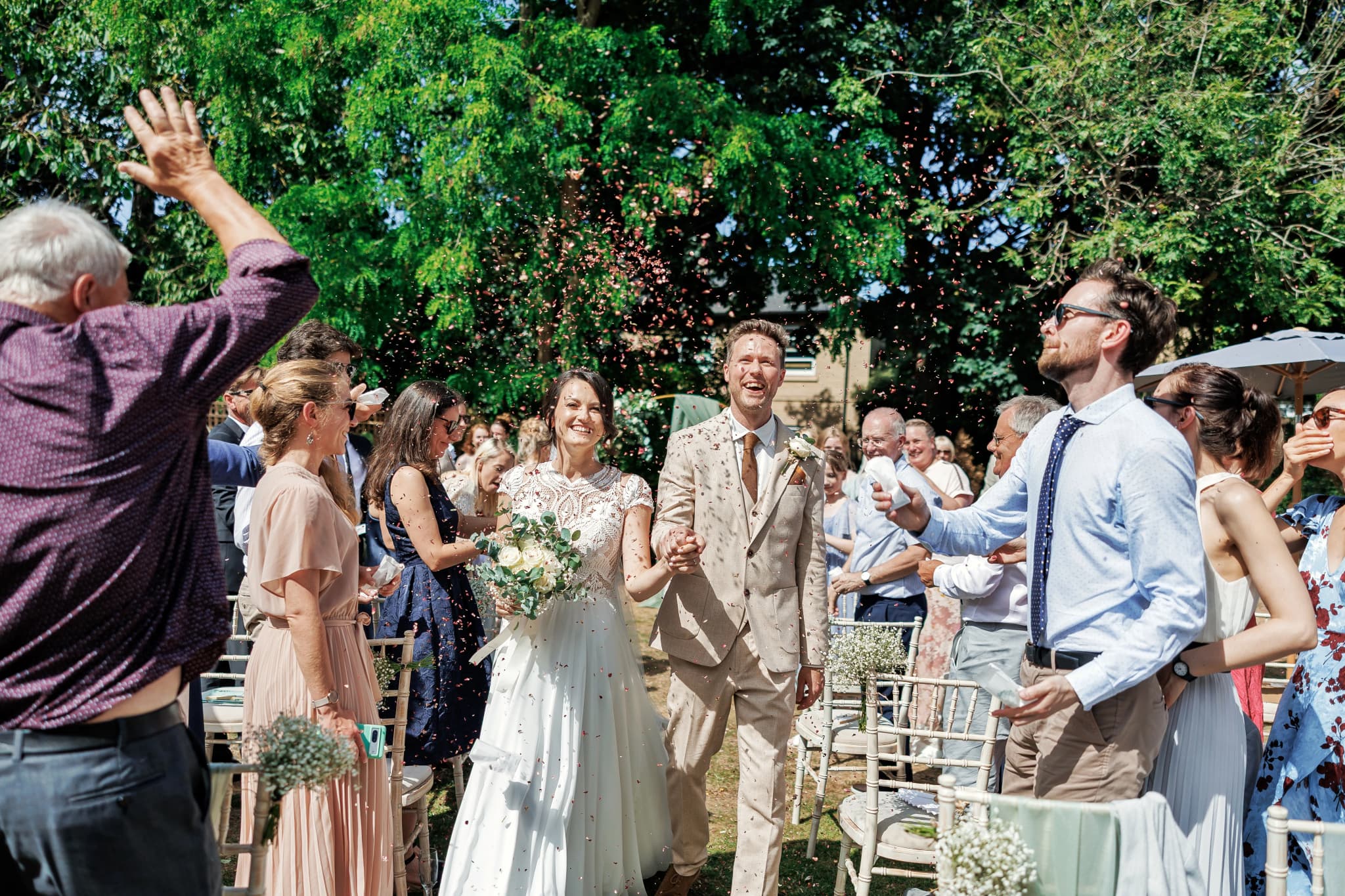


Yana Skakun
Photographer · England
Professional wedding, family and portrait photographer based in England. Passionate about capturing authentic emotions and timeless moments.
About Yana →destinationweddingtimelineplanning
Wedding Planning — Professional Photography in Cambridge & England
Yana Skakun is a professional photographer based in Cambridge, covering weddings, families, and portraits across England. Every session is personal — planned around your story, your people, and the moments that matter most. This guide — Destination Wedding Timeline: Planning the Day Abroad — is part of the photography journal: practical, experience-based advice drawn from real sessions across England. Whether you arrived searching for destination or wedding, the same care and attention shapes every session Yana photographs.
Professional Photography sessions are available year-round, with bookings open across Cambridge, Ely, Huntingdon, Peterborough, and further afield — East England, London, the Midlands, and beyond. If you have specific questions about timeline, mention it in your enquiry. Get in touch through the contact form above to check availability and discuss your session. Enquiries are welcomed from anywhere in the UK.
Frequently Asked Questions
What camera settings should I use for outdoor portraits?+
For outdoor portraits, shoot in aperture priority mode. Use a wide aperture (f/1.8–f/2.8) to blur the background and isolate your subject. Keep ISO as low as possible in good light. In bright conditions, use a neutral density filter or switch to manual to avoid overexposure at wide apertures.
What is the golden hour in photography?+
Golden hour is the period roughly 30–60 minutes after sunrise and before sunset. The sun is low in the sky, producing warm, soft, directional light that flatters skin tones and creates beautiful long shadows. It's widely considered the best natural light for portrait and outdoor photography.
How do you get sharp photos in low light?+
In low light, increase your ISO (accepting some grain), use the widest aperture your lens allows, and slow your shutter speed to the slowest you can hand-hold without camera shake (roughly 1/focal length as a guide). Use image stabilisation if available, and consider a tripod for static subjects.
What is the rule of thirds in photography?+
The rule of thirds divides the frame into a 3×3 grid. Placing your subject on one of the four intersection points — rather than dead centre — creates a more dynamic, visually interesting composition. It's a guideline, not a rule: some of the most powerful images break it deliberately.
How do you edit photos to look professional?+
Professional editing starts with shooting in RAW format. In Lightroom or similar software, correct exposure, white balance, and contrast first. Recover shadow and highlight detail. Apply gentle colour grading for mood. Be conservative with skin retouching — the goal is natural enhancement, not transformation. Consistency across a set of images is what separates professional from amateur editing.


Get in Touch
Ready to Book Your Session?
Get in touch to discuss your vision — I'll reply within 24 hours.