Yana Skakun
Easter family mini sessions: Ideas & how to prepare
By Yana Skakun·25 April 2026·5 min read
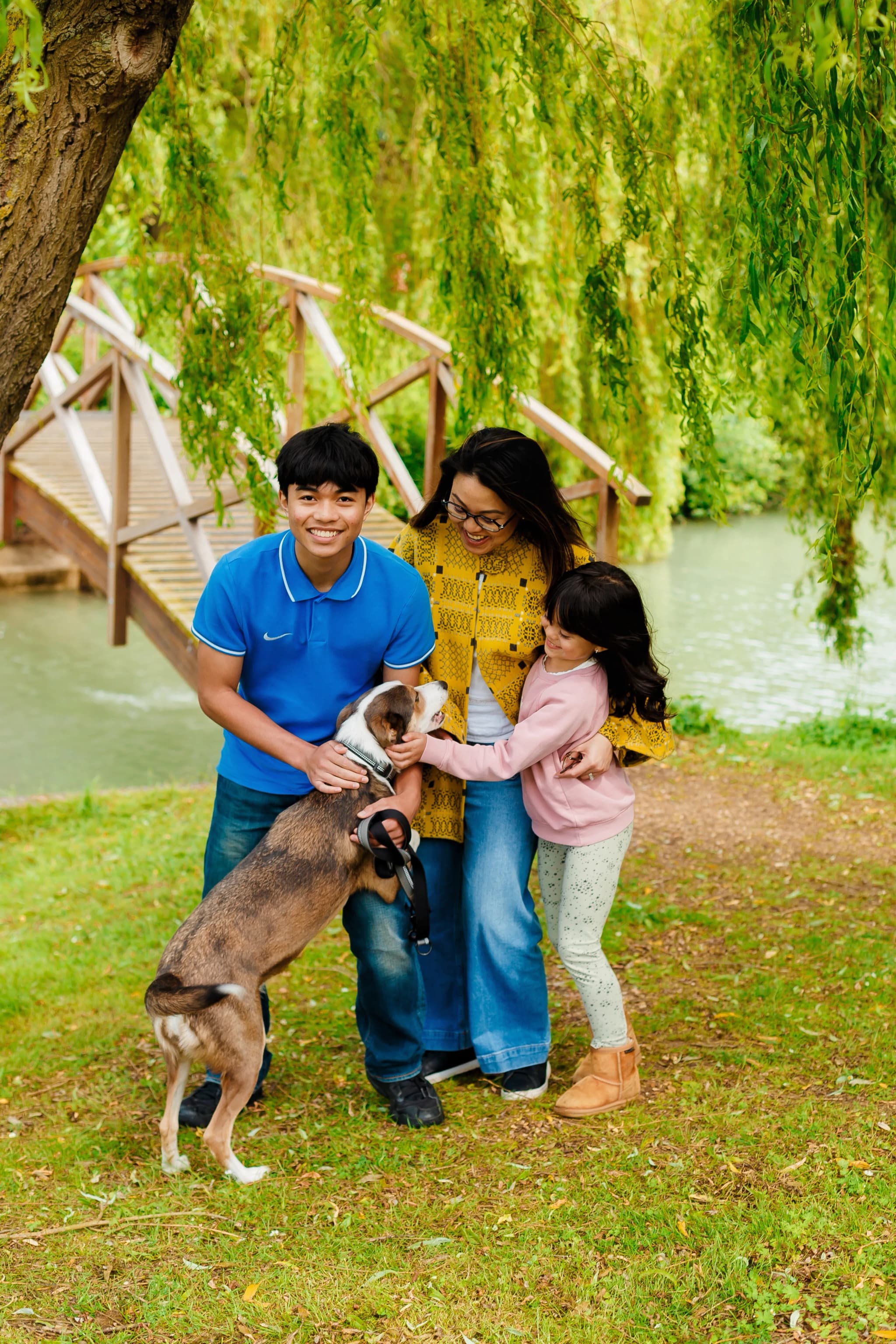
Spring mini sessions are some of the most popular bookings of the year, and it is easy to see why. After a long grey winter, the first weeks of proper spring light coincide with fresh green growth, blossom on the trees, and children dressed in their brightest, softest spring clothes. The combination produces photographs that feel genuinely of the moment rather than staged for the camera. Here is everything worth knowing before booking one.
What a Mini Session Actually Is
A mini session is a shorter, more focused photography appointment than a full family session. Where a full session typically runs for one to two hours and moves through a range of settings, poses, and configurations of the family, a mini session is usually twenty to thirty minutes at a single pre-chosen location. The shorter format is not a compromise; for many families, and especially for families with young children, twenty-five focused minutes produces better images than two hours would, because everyone involved is still fresh, cooperative, and genuinely enjoying themselves when the session ends.
Spring mini sessions are usually offered at one fixed outdoor location on a specific date, or a small handful of dates across a few weeks. Rather than each family choosing their own location and time, everyone books a slot within the same window at a setting I have already scouted for the season's blossom or fresh growth. This has a practical benefit too: because the location and lighting plan are already worked out in advance, the full twenty or thirty minutes goes toward photographing your family rather than toward finding a spot and figuring out the light.
The fixed-location, fixed-date model also means the cost stays lower than a full bespoke session, because the setup time is shared across everyone booked that day. For families who mainly want a fresh, current set of portraits rather than an extensive documentary-style shoot, that trade-off usually makes complete sense. It also suits families who are slightly nervous in front of the camera, since a shorter, lower-pressure format is far less daunting than the idea of an hour or more of being photographed continuously.
Mini sessions work particularly well for marking a specific stage: a baby's first spring, a toddler who has just learned to walk, or simply an annual update so grandparents and family further afield can see how much everyone has grown since the previous year. Because they are shorter and scheduled at a set time of year, they naturally become something families come back for season after season, which in turn creates a proper visual record over time rather than a single isolated set of images.
What to Wear for Spring Mini Sessions
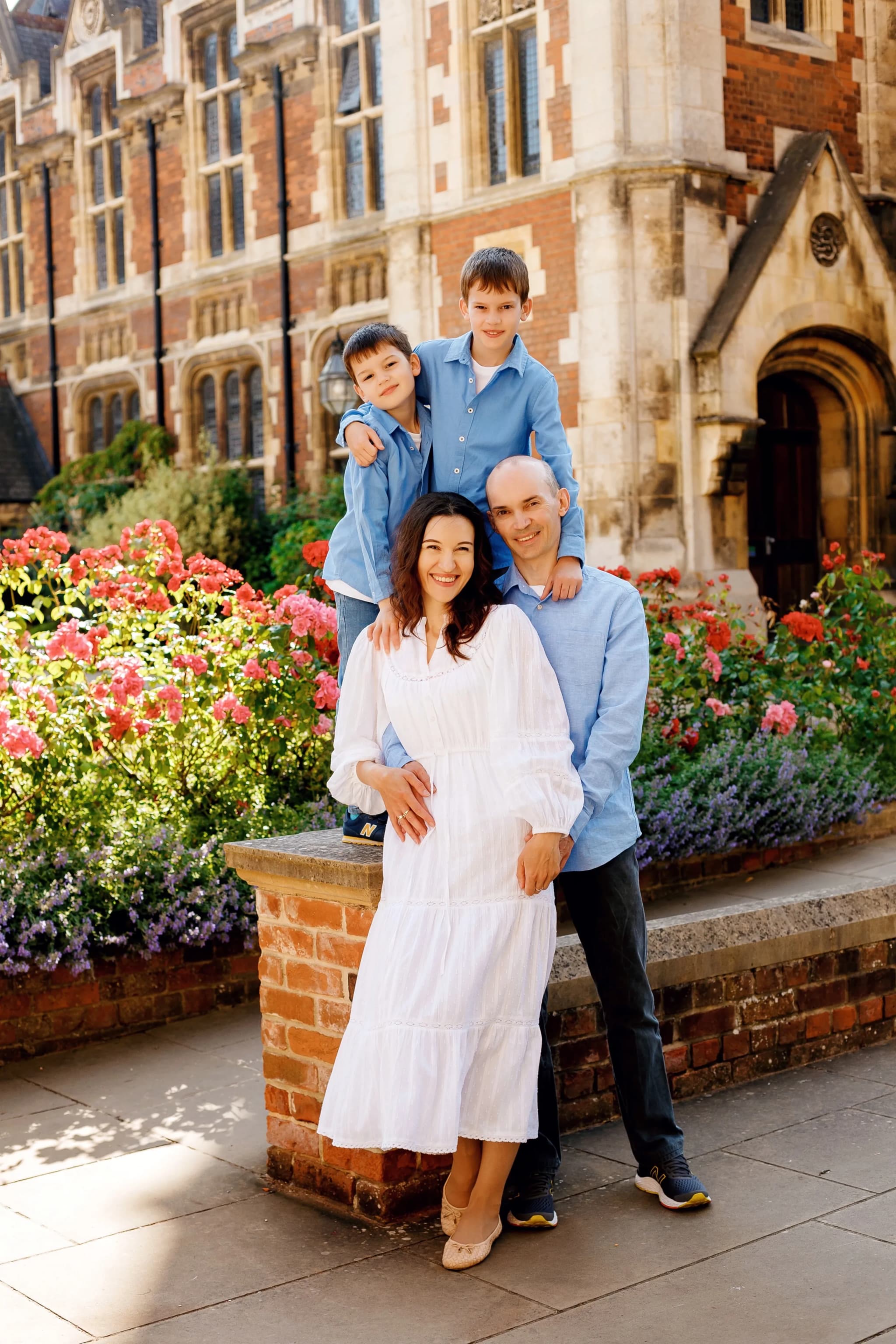
Spring colour palettes photograph beautifully. Soft pastels, fresh whites, sage greens, and blush pinks all sit well against the fresh greenery and blossom that spring provides, without competing with it. These tones also tend to age well in photographs; a soft sage jumper looks just as good in ten years as it does today, whereas a strongly trend-led outfit can date an image almost immediately.
Dark colours and very busy patterns are worth avoiding. Dark clothing absorbs the soft spring light rather than reflecting it, which can leave faces looking underexposed relative to the background, and busy patterns compete with a face for the viewer's attention in a way that plain or subtly textured fabric does not. It is not necessary for everyone to match exactly; coordinating within a shared palette of two or three tones tends to look more natural than identical outfits, and gives the images a lived-in, unstaged quality.
Most importantly, keep children comfortable. A child who is warm, unrestricted, and not being fussed over produces far better photographs than one in a pristine, uncomfortable outfit they are not allowed to sit down or run around in. If in doubt, choose the outfit your child would happily wear to play in the garden, in colours that suit the season, rather than the most formal option in the wardrobe.
How to Prepare Your Children
The single most useful thing a parent can do before a session is resist the urge to over-brief their children. Telling a child repeatedly that they need to "be good" or "smile nicely for the camera" tends to create anxiety rather than cooperation, and that anxiety shows in the resulting images. A far gentler approach is simply telling them you are going for a walk to see a photographer friend, with no further pressure attached. Children who arrive without a weight of expectation on their shoulders are, almost without exception, the ones who relax fastest in front of the camera.
A small snack before the session, though not immediately before, does a great deal for mood and patience. Arriving five or so minutes early gives children a moment to acclimatise to the location before the session officially begins, so they are already a little settled by the time I start photographing rather than encountering the place and the camera simultaneously. During the session itself, I follow the children rather than directing them into fixed poses; letting them explore, investigate a patch of blossom, or chase something across the grass produces far more natural expressions than asking them to stand still and look at the lens.
It is also worth managing your own expectations as a parent. Some children take five minutes or more to warm up to a new setting and a stranger with a camera, and that is entirely normal rather than a sign the session is going wrong. I build that adjustment period into every mini session, and the images from the final ten minutes are very often the strongest, once everyone has properly settled in.
A note on booking early
Spring mini session dates tend to fill quickly, particularly the slots around the Easter school holidays when most families are looking for the same window of free time. Booking a few weeks ahead means a better choice of time slot and gives me the chance to answer any questions about location or outfits before the day itself.
Get in touch about spring mini sessionsHow Many Images Will You Receive?
A twenty-minute session typically yields between fifteen and twenty-five fully edited images. A thirty-minute slot produces between twenty-five and thirty-five. These figures reflect a curated, properly edited set rather than a raw dump of everything captured during the session; every image delivered has been individually selected and edited, so what you receive is a genuinely usable collection rather than hundreds of near-duplicates to sort through yourself.
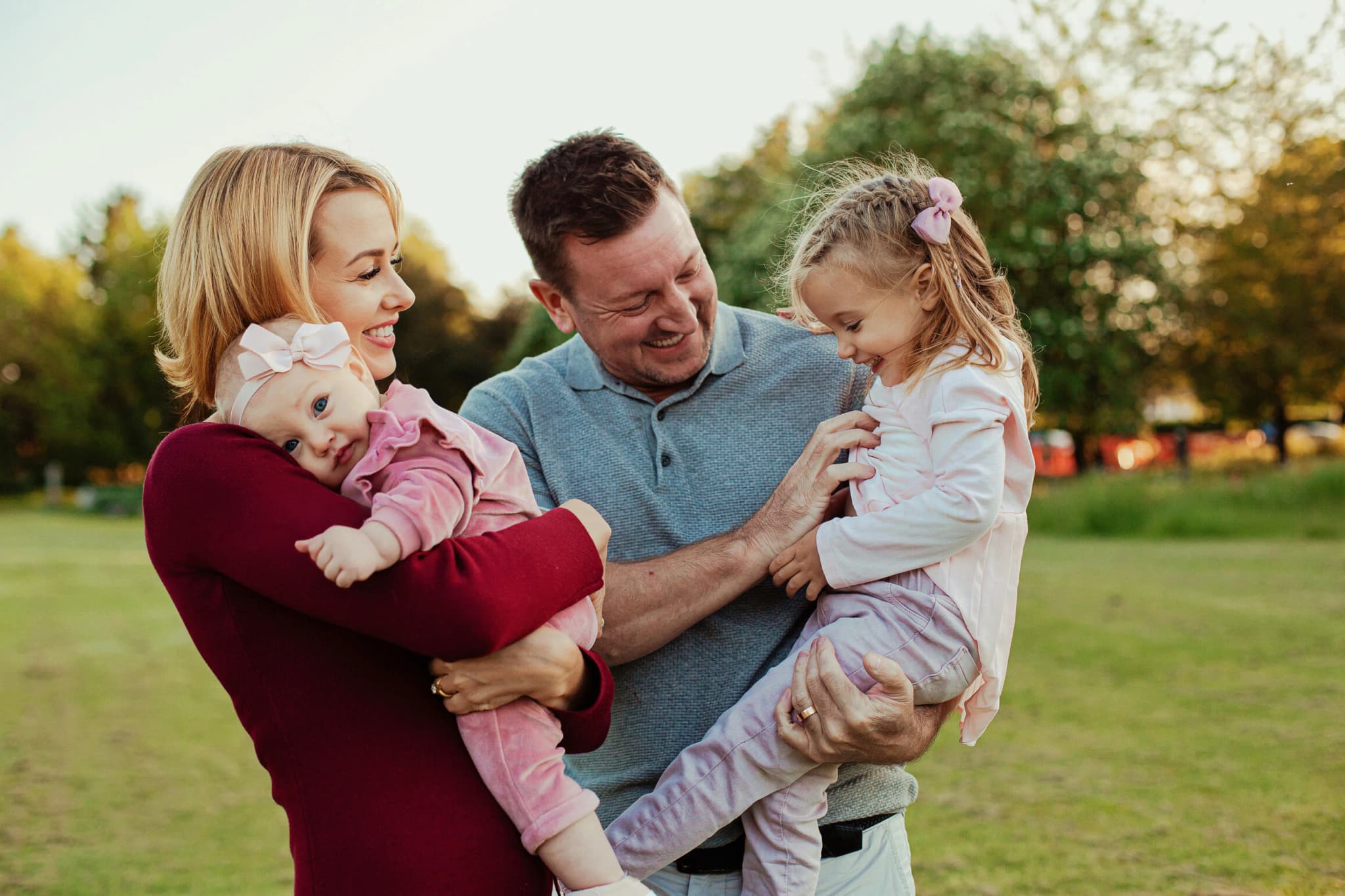
The final gallery usually includes a mix of posed and candid images: a handful of classic, everyone-looking-at-the-camera portraits alongside more natural, in-between moments where children are mid-laugh or mid-run. In my experience, it is often the unposed images that families end up printing and framing, precisely because they capture a real expression rather than a held one.
Making the Most of a Short Session
Because a mini session is short by design, a little preparation goes a long way toward making those minutes count. Deciding on outfits a few days in advance, rather than the morning of the session, avoids the last-minute stress that can put everyone in a slightly frazzled mood before they have even left the house. Similarly, planning to arrive with enough time to park and walk to the location calmly, rather than rushing in at the last minute, tends to produce a noticeably more relaxed set of images.
If you have a specific shot in mind, such as a grandparent's first meeting with a new baby, or a sibling group that rarely sits still together, mentioning it beforehand means I can plan for it within the session rather than trying to fit it in around everything else. Beyond that, the best approach is usually to let the session unfold naturally and trust the process; the spring light and setting do a great deal of the work, and my job is simply to be ready for the moments as they happen.
It is also worth thinking about who else might be part of the session. Pets, grandparents, and older siblings home from university all fit comfortably within a mini session slot, provided I know in advance roughly how many people to expect and can plan the framing and positioning accordingly. A slightly larger group does not need a longer session, just a little more thought given beforehand to how everyone will be arranged within the chosen setting.
If you would like to know about upcoming spring mini session dates or have questions about what to expect, get in touch and I will let you know what is available.

Yana Skakun
Photographer · England
Professional wedding, family and portrait photographer based in England. Passionate about capturing authentic emotions and timeless moments.
About Yana →Easter family photo sessionspring mini sessions UKEaster photo shoot Cambridgespring family photography UKmini sessions Easter
Family Tips — Family Photography in Cambridge & England
Yana Skakun offers natural, relaxed family photography sessions across Cambridge, Cambridgeshire, and the wider East of England. Sessions take place outdoors — in parks, woodland, and countryside — or at your family home, wherever everyone feels most at ease. This guide — Easter family mini sessions: Ideas & how to prepare — is part of the photography journal: practical, experience-based advice drawn from real sessions across England. Whether you arrived searching for easter family photo session or spring mini sessions uk, the same care and attention shapes every session Yana photographs.
Family Photography sessions are available year-round, with bookings open across Cambridge, Ely, Huntingdon, Peterborough, and further afield — East England, London, the Midlands, and beyond. If you have specific questions about easter photo shoot cambridge, mention it in your enquiry. Get in touch through the contact form above to check availability and discuss your session. Enquiries are welcomed from anywhere in the UK.
Frequently Asked Questions
How do you prepare children for a family photoshoot?+
Keep it low-key beforehand — don't over-explain or build it up too much. Make sure children are fed and rested. Bring a snack and a favourite toy or comfort item. Let them warm up at their own pace rather than forcing poses from the start. The best family photos happen when children forget there's a camera.
What should a family wear for photos?+
Choose a colour palette — 2–3 complementary tones — rather than identical outfits. Earthy neutrals, blues and greens, or cream and blush all work beautifully outdoors. Avoid large logos, neon colours, and very small patterns that create visual noise. Dress for the location and season, and make sure everyone is comfortable.
When is the best time for an outdoor family photoshoot?+
The golden hour — the first hour after sunrise or the last hour before sunset — gives the softest, warmest light. Overcast days are also excellent: the cloud acts as a natural diffuser, eliminating harsh shadows. Midday summer sun is the most challenging light to shoot in.
How long does a family photography session take?+
Most family sessions last 45–75 minutes. Mini sessions (30–40 minutes) work well for smaller families and toddlers who have shorter attention spans. Larger extended family groups may need 90 minutes to cover everyone comfortably.
How many photos will I get from a family photoshoot?+
A standard 60-minute family session typically produces 30–60 edited images delivered in a private online gallery. Mini sessions deliver 15–25 images. All images are colour-corrected, naturally edited, and ready for printing.
Continue Reading
Related Articles

Family Tips
Blended Family Photography: A Sensitive Guide to Step-Families, Co-Parenting & Group Portraits
11 min read · Read Article
Family Tips
Baby Milestone Photography: Capturing Every Stage of the First Year
10 min read · Read Article
Family Tips
Maternity Photography in England: When to Book, What to Wear & Where to Shoot
11 min read · Read Article
Get in Touch
Ready to Book Your Session?
Get in touch to discuss your vision — I'll reply within 24 hours.