Yana Skakun

Top 10 Eco-Friendly Wedding Venues in the UK
By Yana Skakun·10 June 2026·6 min read
I've spent the better part of a decade photographing weddings across the UK, and the conversation has shifted. More couples now ask me, before the lighting or the timeline, whether a venue is genuinely sustainable. It's a fair question, and a tricky one, because "eco-friendly" gets stamped on a lot of marketing that doesn't survive a second look. Here are ten UK venues whose green credentials hold up, along with what actually makes a wedding kinder to the planet.
What "eco-friendly" really means for a venue
A field with a tipi isn't automatically sustainable, and a grand country house isn't automatically wasteful. The things I look for are practical: where the food comes from, how the building is heated, what happens to the waste, and whether the team has thought about water, biodiversity and travel. The best venues can answer all of that without reaching for a brochure.
Renewable energy is a strong signal. Several of the venues below run on ground-source heat pumps, solar arrays or a certified green tariff, which genuinely cuts the carbon footprint of a day that can otherwise gobble electricity from morning prep to the last dance. Seasonal, locally sourced catering matters just as much, because food and its transport often make up the single largest chunk of a wedding's emissions.
Ten UK venues with real green credentials
These are spread across the country deliberately, because the right venue depends on where your people are travelling from. Fewer guests in cars and on planes is one of the most effective things you can do, so a venue near the bulk of your guest list is a quietly sustainable choice in itself.
- ◆The Green House, Bournemouth: A four-star eco hotel running on a green energy tariff, with locally sourced menus and an obsession over waste. Lovely soft light off the water for portraits.
- ◆Elmore Court, Gloucestershire: Powered partly by its own renewable energy, with rewilded grounds and the Gillyflower extension built with sustainability baked in from the start.
- ◆South Farm, Cambridgeshire: Close to home for me, a working organic farm near Royston with kitchen gardens, free-roaming animals and food grown on the land you marry on.
- ◆The Roundhouse, Bodmin, Cornwall: An off-grid eco venue with composting loos and woodland surroundings, ideal for couples who want a low-impact celebration with character.
- ◆Fforty Hall Estate, Enfield: A restored Jacobean estate with its own vineyard and farm, managed with conservation in mind on the edge of London.
- ◆Eshott Hall, Northumberland: A Georgian hall with biomass heating, walled kitchen gardens and a genuine farm-to-fork ethos in a quiet corner of the North East.
Rounding out my ten: Knepp Estate in West Sussex, the famous rewilding project where you can marry among genuinely wild meadows; Almonry Barn in Somerset, with its solar panels and electric-car charging; Charlton Hall in Northumberland, restored with reclaimed materials; and Combermere Abbey in Cheshire, where the historic walled garden supplies much of the seasonal flowers and produce. Every one of these can talk you through its choices rather than hiding behind a buzzword.
Making the day itself greener
The venue sets the foundation, but the decisions you make around it carry real weight. Seasonal British flowers from a local grower beat imported blooms flown halfway round the world, and in my experience they photograph with more life and texture anyway. Foliage from a Suffolk hedgerow in autumn does things no shipped rose ever will.
Think about what survives the day. Hired or vintage tableware, a borrowed or rented outfit, real plants instead of cut flowers as table centres that guests can take home, and digital invitations or recycled-card stationery all chip away at the waste. Caterers who compost and donate surplus food through schemes like Olio are worth seeking out, because a shocking amount of beautiful catering otherwise goes in the bin.
And a gentle nudge on travel: a venue with on-site or nearby accommodation keeps cars off the road the morning after, and a single coach for guests from the nearest town does more for your footprint than any amount of recycled confetti. Speaking of which, dried petals or leaf confetti are biodiversity-friendly and, frankly, far prettier in a photograph than the plastic stuff, which many venues now ban outright.
A photographer's honest take
Here's what I notice from behind the camera: sustainable venues tend to be beautiful in a way that needs no dressing up. Walled gardens, wildflower meadows and restored barns give me natural light, real texture and a sense of place that no amount of hired styling can fake. A Cambridgeshire farm in late summer, with the harvest light coming low across the fields, is one of my favourite settings in the country.
My one piece of advice is to ask venues specific questions and listen for specific answers. "We care about the environment" means little. "Our heating is a ground-source pump, our veg comes from the garden you're standing in, and we compost everything" means a great deal. The genuinely sustainable places are proud of the detail, and that pride usually shows up in how the whole day is run.
Planning a sustainable wedding in the East of England or beyond?
I'm a Cambridge-based wedding photographer who loves these green, characterful venues. Tell me your date and your plans, and let's see if we're a fit.
Check Your Date →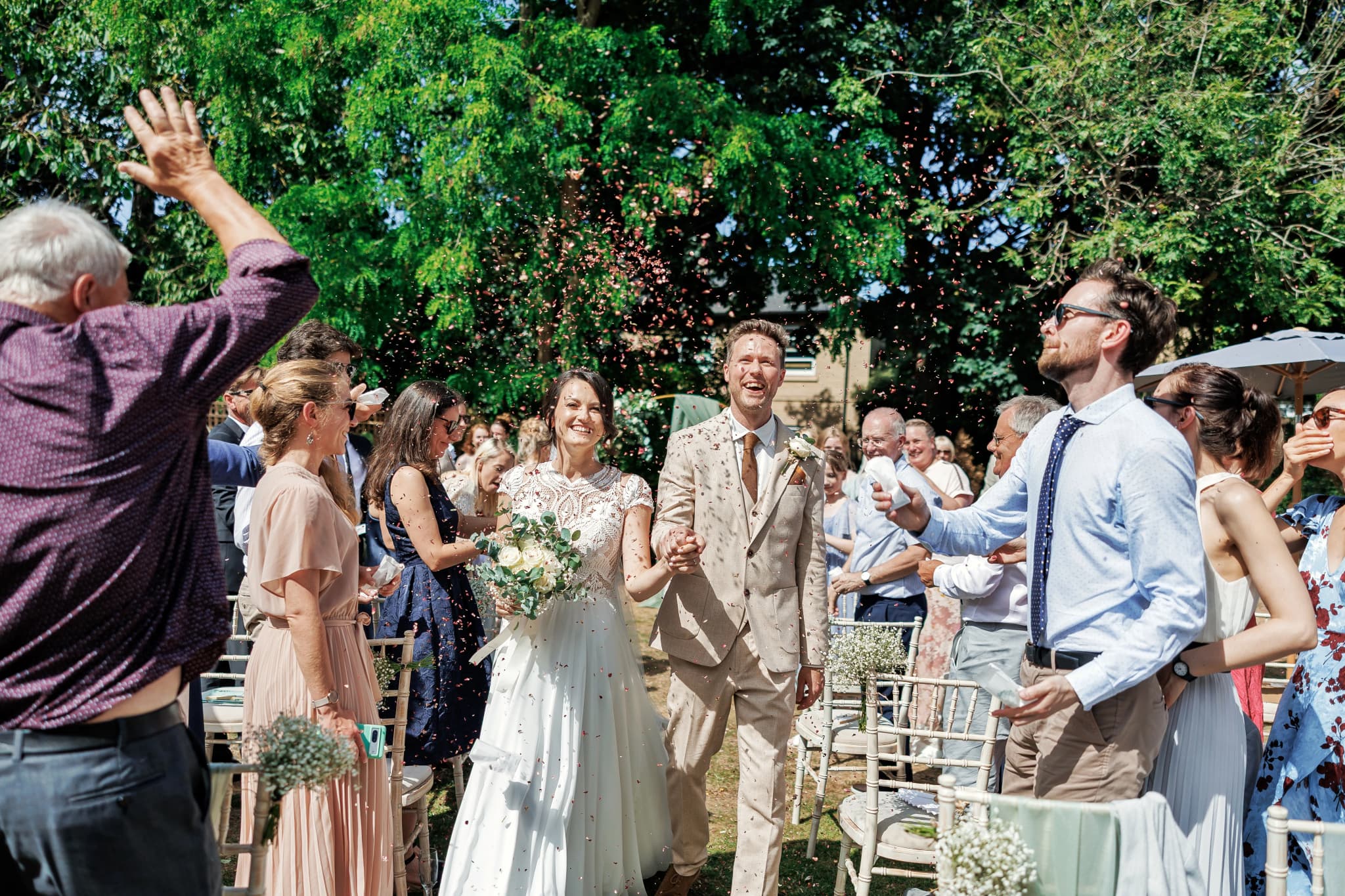

Yana Skakun
Photographer · England
Professional wedding, family and portrait photographer based in England. Passionate about capturing authentic emotions and timeless moments.
About Yana →eco-friendlyweddingvenuesuk
Wedding Planning — Professional Photography in Cambridge & England
Yana Skakun is a professional photographer based in Cambridge, covering weddings, families, and portraits across England. Every session is personal — planned around your story, your people, and the moments that matter most. This guide — Top 10 Eco-Friendly Wedding Venues in the UK — is part of the photography journal: practical, experience-based advice drawn from real sessions across England. Whether you arrived searching for eco-friendly or wedding, the same care and attention shapes every session Yana photographs.
Professional Photography sessions are available year-round, with bookings open across Cambridge, Ely, Huntingdon, Peterborough, and further afield — East England, London, the Midlands, and beyond. If you have specific questions about venues, mention it in your enquiry. Get in touch through the contact form above to check availability and discuss your session. Enquiries are welcomed from anywhere in the UK.
Frequently Asked Questions
What camera settings should I use for outdoor portraits?+
For outdoor portraits, shoot in aperture priority mode. Use a wide aperture (f/1.8–f/2.8) to blur the background and isolate your subject. Keep ISO as low as possible in good light. In bright conditions, use a neutral density filter or switch to manual to avoid overexposure at wide apertures.
What is the golden hour in photography?+
Golden hour is the period roughly 30–60 minutes after sunrise and before sunset. The sun is low in the sky, producing warm, soft, directional light that flatters skin tones and creates beautiful long shadows. It's widely considered the best natural light for portrait and outdoor photography.
How do you get sharp photos in low light?+
In low light, increase your ISO (accepting some grain), use the widest aperture your lens allows, and slow your shutter speed to the slowest you can hand-hold without camera shake (roughly 1/focal length as a guide). Use image stabilisation if available, and consider a tripod for static subjects.
What is the rule of thirds in photography?+
The rule of thirds divides the frame into a 3×3 grid. Placing your subject on one of the four intersection points — rather than dead centre — creates a more dynamic, visually interesting composition. It's a guideline, not a rule: some of the most powerful images break it deliberately.
How do you edit photos to look professional?+
Professional editing starts with shooting in RAW format. In Lightroom or similar software, correct exposure, white balance, and contrast first. Recover shadow and highlight detail. Apply gentle colour grading for mood. Be conservative with skin retouching — the goal is natural enhancement, not transformation. Consistency across a set of images is what separates professional from amateur editing.


Get in Touch
Ready to Book Your Session?
Get in touch to discuss your vision — I'll reply within 24 hours.