Yana Skakun
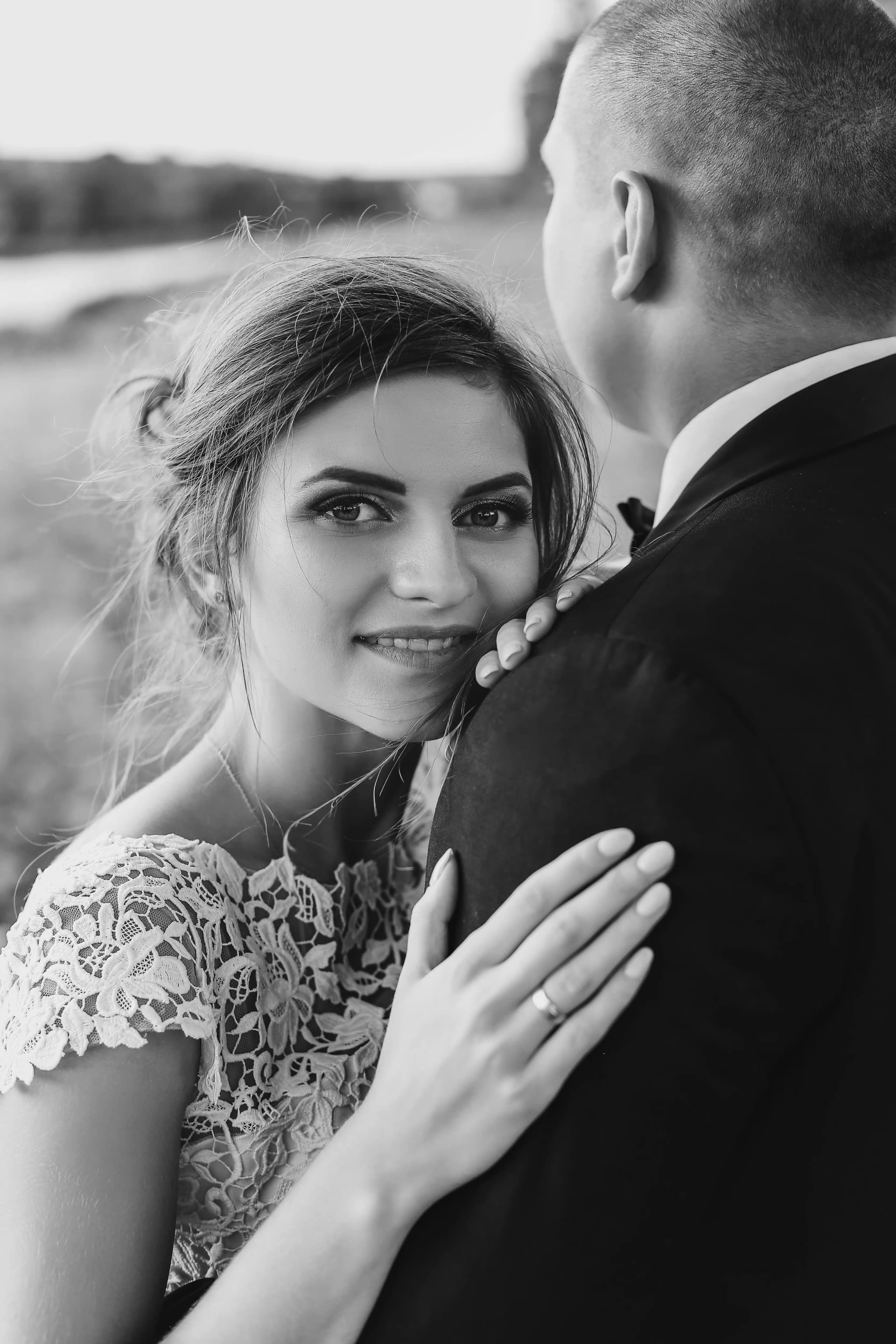
Why Editorial Wedding Photography is Trending in 2026
By Yana Skakun·13 March 2026·5 min read
If you have been browsing wedding photography in 2025 or 2026, you will have noticed a shift in what is appearing on the Instagram and website portfolios of the most sought-after photographers. The clean, heavily processed presets of 2018–2022 are fading. In their place: an editorial aesthetic that borrows from fashion photography, magazine work, and fine art — and applies it to weddings. Here is what editorial wedding photography actually means and why it is gaining ground.
What Makes a Wedding Photograph "Editorial"?
Editorial photography is, at its root, photography made to accompany and communicate a story — typically for publication in a magazine or editorial feature. It has several characteristics:
- Strong visual composition. Not just technically correct — actively designed. Use of negative space, geometric framing, deliberate relationship between subject and environment.
- Intentional colour work. Not just "clean editing" but a specific palette that is coherent across the gallery. Skin tones, shadows, and highlights are handled in a way that communicates mood.
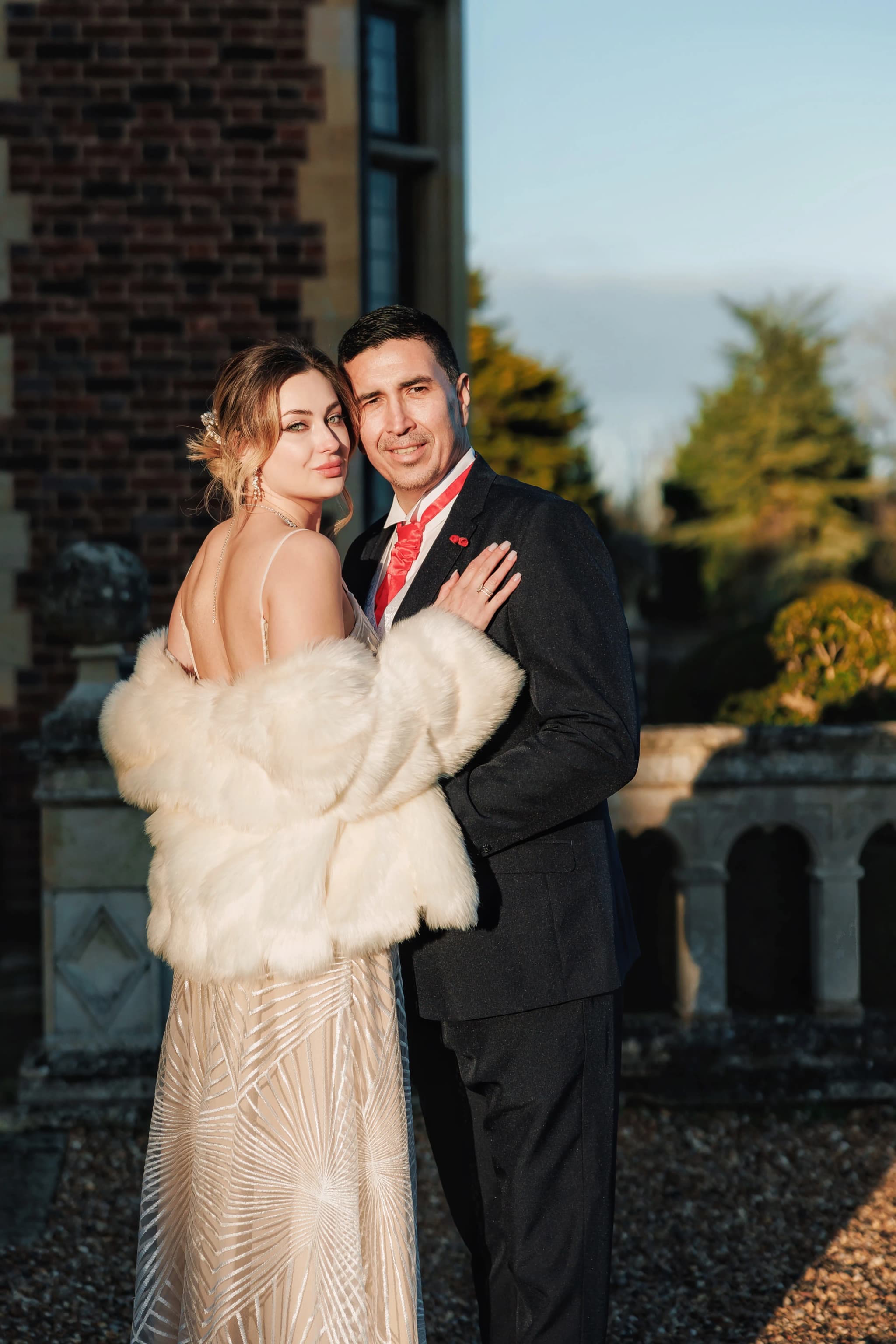
- Fashion-influenced portrait work. Couple portraits that use posture, movement, and expression in a way that goes beyond "stand here and smile nicely."
- Details treated as still-life objects. Rings, florals, shoes, table settings — photographed as they would appear in a magazine feature rather than as documentary records.
Why This Approach is Growing in 2026
Several cultural shifts have contributed to the rise of editorial wedding photography:
- Couples are more visually sophisticated. Pinterest, Instagram, and wedding publications have raised expectations for what wedding photography can look like. Couples in 2026 have spent years looking at images and have specific references for what they want.
- The preset era is over. The moody VSCO presets and heavy desaturation of 2015–2021 became ubiquitous and then dated. Photographers and couples are moving towards something more considered and individual.
- Venues are becoming more design-conscious. Restored barns, country houses, and contemporary event spaces in 2026 are styled as design objects in their own right. Photography that responds to this aesthetic catches the venues' attention and creates images worth publishing.
- Instagram is image-quality competitive. As more photographers compete for attention on visual platforms, the ones gaining ground are producing images that look genuinely different from the mean — which currently means editorial quality.
What This Means for the Couple
If you want editorial-style wedding photography, a few practical considerations:
- Allow time for portrait work. Editorial portraits require location, light, and enough time to move through multiple setups. A 45-minute portrait session gives significantly better results than 20 minutes rushed between drinks and dinner.
- Discuss your references. Share the images you have saved. A good editorial photographer will know what draws you to certain images and will be able to work towards that aesthetic.
- Trust the direction. Editorial work often requires the photographer to give specific guidance on posture, movement, and positioning. This feels more directed than candid work — but the results justify it.

Yana Skakun
Photographer · England
Professional wedding, family and portrait photographer based in England. Passionate about capturing authentic emotions and timeless moments.
About Yana →editorial wedding photographyeditorial wedding photography style 2026editorial wedding photos uk
Photography Tips — Professional Photography in Cambridge & England
Yana Skakun is a professional photographer based in Cambridge, specialising in wedding, family, and portrait photography across England. Every session is personal — planned around your story, your people, and the moments that matter most. This guide — Why Editorial Wedding Photography is Trending in 2026 — is part of the photography journal: practical, experience-based advice drawn from real sessions across England. Whether you arrived searching for editorial wedding photography or editorial wedding photography style 2026, the same care and attention shapes every session Yana photographs.
Professional Photography sessions are available year-round, with bookings open across Cambridge, Ely, Huntingdon, Peterborough, and further afield — East England, London, the Midlands, and beyond. If you have specific questions about editorial wedding photos uk, mention it in your enquiry. Get in touch through the contact form above to check availability and discuss your session. Enquiries are welcomed from anywhere in the UK.
Frequently Asked Questions
What camera settings should I use for outdoor portraits?+
For outdoor portraits, shoot in aperture priority mode. Use a wide aperture (f/1.8–f/2.8) to blur the background and isolate your subject. Keep ISO as low as possible in good light. In bright conditions, use a neutral density filter or switch to manual to avoid overexposure at wide apertures.
What is the golden hour in photography?+
Golden hour is the period roughly 30–60 minutes after sunrise and before sunset. The sun is low in the sky, producing warm, soft, directional light that flatters skin tones and creates beautiful long shadows. It's widely considered the best natural light for portrait and outdoor photography.
How do you get sharp photos in low light?+
In low light, increase your ISO (accepting some grain), use the widest aperture your lens allows, and slow your shutter speed to the slowest you can hand-hold without camera shake (roughly 1/focal length as a guide). Use image stabilisation if available, and consider a tripod for static subjects.
What is the rule of thirds in photography?+
The rule of thirds divides the frame into a 3×3 grid. Placing your subject on one of the four intersection points — rather than dead centre — creates a more dynamic, visually interesting composition. It's a guideline, not a rule: some of the most powerful images break it deliberately.
How do you edit photos to look professional?+
Professional editing starts with shooting in RAW format. In Lightroom or similar software, correct exposure, white balance, and contrast first. Recover shadow and highlight detail. Apply gentle colour grading for mood. Be conservative with skin retouching — the goal is natural enhancement, not transformation. Consistency across a set of images is what separates professional from amateur editing.
Continue Reading
Related Articles

Photography Tips
Photography Gift Vouchers: The Most Personal Present You Can Give
5 min read · Read Article
Photography Tips
Photo Books vs Photo Albums: What Is the Difference and Which Is Better?
5 min read · Read Article
Photography Tips
Photo Gift Ideas: Turning Professional Images into Meaningful Presents
5 min read · Read Article
Get in Touch
Ready to Book Your Session?
Get in touch to discuss your vision — I'll reply within 24 hours.