Yana Skakun
Fine Art Wedding Photography: What It Means and Whether It's Right for You
By Yana Skakun·19 May 2026·7 min read
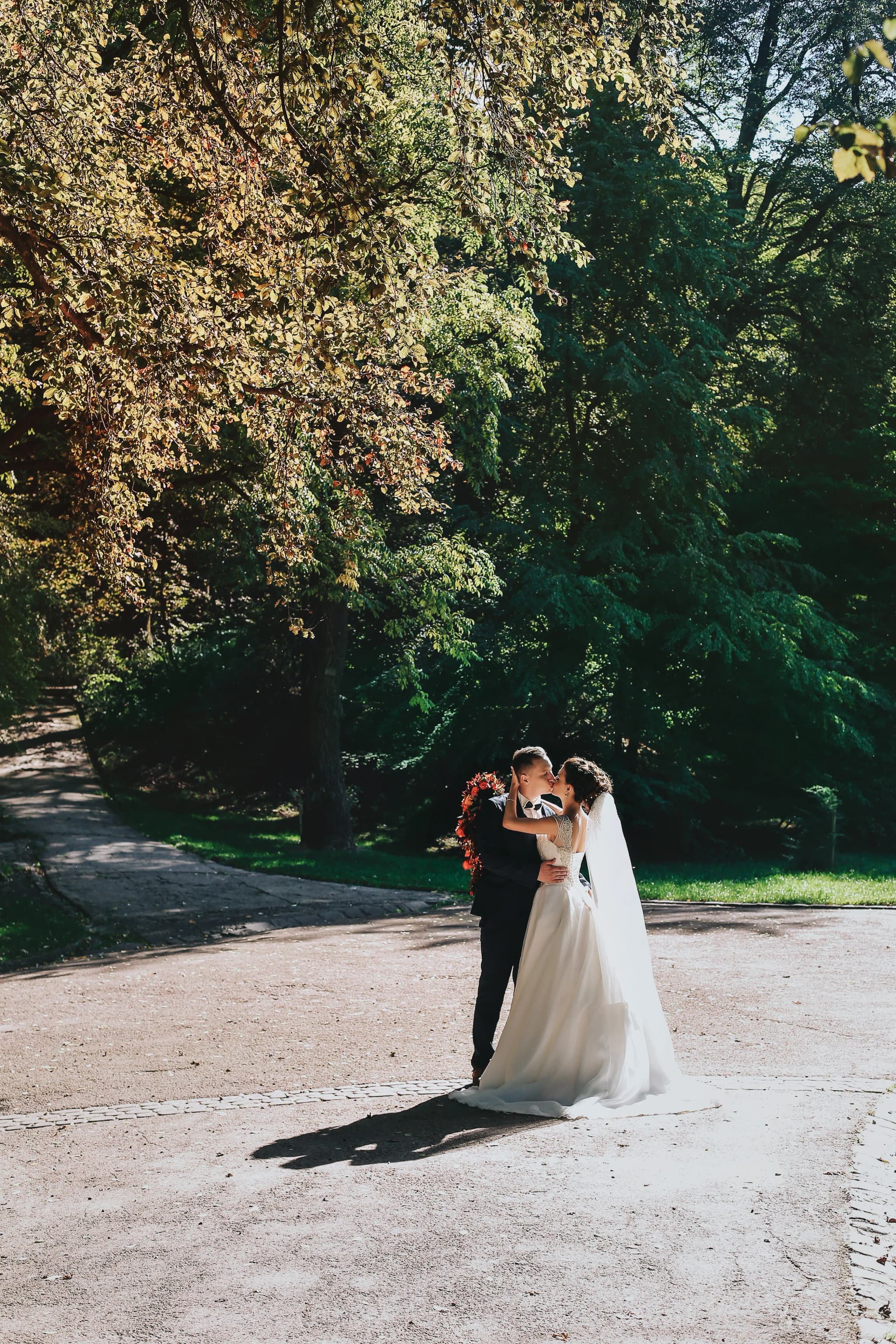
Fine art wedding photography is a specific approach to documenting a wedding that prioritises intentional composition, careful light, and a consistent, refined aesthetic. It draws from the traditions of fine art photography — the idea that a wedding photograph can be made with the same artistic intention as a photograph made for a gallery wall. This guide explains what defines fine art wedding photography, who it suits, what to look for in a portfolio, and how it differs from related styles.
What Defines Fine Art Wedding Photography?
Fine art wedding photography is defined by a set of aesthetic and technical priorities rather than by any single technique. The key characteristics:
- ◆Light as subject: A fine art photographer actively works with light — positioning subjects in window light, using the directional quality of afternoon sun, finding open shade. Light is not just a technical requirement; it is a compositional element. Many fine art photographers work predominantly in natural light, avoiding on-camera flash.
- ◆Intentional composition: Frames are composed deliberately — using architecture, vegetation, negative space, and leading lines as compositional elements. The goal is a photograph that works as a self-contained image, not only as a record of what happened.
- ◆Restrained colour palette: Fine art wedding photography typically has a controlled, consistent colour treatment — often soft, slightly muted tones, with precise white balance and skin tone accuracy. Colours are complementary rather than saturated. The palette feels cohesive across an entire gallery.
- ◆Film-inspired aesthetic: Many fine art wedding photographers either shoot on film (medium format film cameras such as the Contax 645 or Mamiya RZ67) or process digital files to emulate film's tonal range, grain, and colour response. Film produces a specific quality of light rendering that digital has historically struggled to replicate — though modern digital sensors are now very close.
- ◆Selective, curated delivery: Fine art photographers typically deliver a curated selection of images — often fewer than documentary photographers — because the emphasis is on quality over quantity. A gallery of 400 carefully selected images is preferable to 800 that include near-duplicates.
Fine Art vs. Documentary Wedding Photography
The relationship between fine art and documentary is often misunderstood. The terms refer to different emphases rather than mutually exclusive categories:
| Fine Art | Documentary |
|---|---|
| Intentional, directed compositions | Observational, unposed moments |
| Light-driven — will reposition for better light | Event-driven — follows what is happening |
| Curated, smaller gallery | Comprehensive, larger gallery |
| Consistent aesthetic across all images | Variety of situations takes priority |
| Photographer makes aesthetic choices | Photographer records, couple decides meaning |
Most fine art wedding photographers also shoot documentary-style during the ceremony and reception — the distinction applies primarily to portraits and the overall aesthetic treatment of the final gallery.
Is Fine Art Wedding Photography Right for You?
Fine art wedding photography suits couples who value a cohesive aesthetic and are comfortable with some light direction during portrait time. If you strongly dislike being directed at all and want pure documentary throughout, a dedicated photojournalist may be a better fit. But for most couples who want beautiful, intentional couple portraits alongside natural documentary coverage of the day, fine art is an excellent approach.
What to Look For in a Fine Art Wedding Portfolio
- ◆Consistency: Does the portfolio look cohesive? Do the images have a recognisable aesthetic across different venues and lighting conditions? Inconsistency suggests the photographer's style is not well-defined.
- ◆Light quality: Are the portraits lit beautifully? Do you see evidence of the photographer working with soft window light, golden hour, open shade — or are most portraits in flat, uninspiring light?
- ◆A range of conditions: A fine art photographer should be able to produce high-quality work in poor weather, indoors, and in different seasons. A portfolio that only looks good in perfect summer golden-hour conditions is a warning sign.
- ◆Emotional connection: Do the people in the photographs look genuinely connected and at ease? A fine art aesthetic should not come at the cost of warmth and authenticity.
- ◆Image design: Look for photographs that are designed, not just taken — where the background, framing, and light all serve the image.
Venues That Suit Fine Art Wedding Photography
Fine art wedding photography works best in venues with architectural character and interesting natural light — old stone buildings, barn conversions with large windows, country house venues with formal gardens, woodland clearings. Cambridge is exceptionally well-suited: the college buildings, Backs, punting on the Cam, meadows, and tree-lined avenues provide strong architectural and natural light elements throughout the year.
Fine Art Wedding Photography in Cambridge
My approach to wedding photography is rooted in fine art principles — working with natural light, designing portraits with intention, and delivering a cohesive, edited gallery. Based in Cambridge, I work across East Anglia, London, and destination weddings internationally.
View My Wedding Portfolio

Yana Skakun
Photographer · England
Professional wedding, family and portrait photographer based in England. Passionate about capturing authentic emotions and timeless moments.
About Yana →fine art wedding photographywhat is fine art wedding photographyfine art vs documentary wedding photographyfilm wedding photography guideCambridge fine art wedding photographer
Wedding Styles — Professional Photography in Cambridge & England
Yana Skakun is a professional photographer based in Cambridge, covering weddings, families, and portraits across England. Every session is personal — planned around your story, your people, and the moments that matter most. This guide — Fine Art Wedding Photography: What It Means and Whether It's Right for You — is part of the photography journal: practical, experience-based advice drawn from real sessions across England. Whether you arrived searching for fine art wedding photography or what is fine art wedding photography, the same care and attention shapes every session Yana photographs.
Professional Photography sessions are available year-round, with bookings open across Cambridge, Ely, Huntingdon, Peterborough, and further afield — East England, London, the Midlands, and beyond. If you have specific questions about fine art vs documentary wedding photography, mention it in your enquiry. Get in touch through the contact form above to check availability and discuss your session. Enquiries are welcomed from anywhere in the UK.
Frequently Asked Questions
What camera settings should I use for outdoor portraits?+
For outdoor portraits, shoot in aperture priority mode. Use a wide aperture (f/1.8–f/2.8) to blur the background and isolate your subject. Keep ISO as low as possible in good light. In bright conditions, use a neutral density filter or switch to manual to avoid overexposure at wide apertures.
What is the golden hour in photography?+
Golden hour is the period roughly 30–60 minutes after sunrise and before sunset. The sun is low in the sky, producing warm, soft, directional light that flatters skin tones and creates beautiful long shadows. It's widely considered the best natural light for portrait and outdoor photography.
How do you get sharp photos in low light?+
In low light, increase your ISO (accepting some grain), use the widest aperture your lens allows, and slow your shutter speed to the slowest you can hand-hold without camera shake (roughly 1/focal length as a guide). Use image stabilisation if available, and consider a tripod for static subjects.
What is the rule of thirds in photography?+
The rule of thirds divides the frame into a 3×3 grid. Placing your subject on one of the four intersection points — rather than dead centre — creates a more dynamic, visually interesting composition. It's a guideline, not a rule: some of the most powerful images break it deliberately.
How do you edit photos to look professional?+
Professional editing starts with shooting in RAW format. In Lightroom or similar software, correct exposure, white balance, and contrast first. Recover shadow and highlight detail. Apply gentle colour grading for mood. Be conservative with skin retouching — the goal is natural enhancement, not transformation. Consistency across a set of images is what separates professional from amateur editing.
Get in Touch
Ready to Book Your Session?
Get in touch to discuss your vision — I'll reply within 24 hours.