Yana Skakun
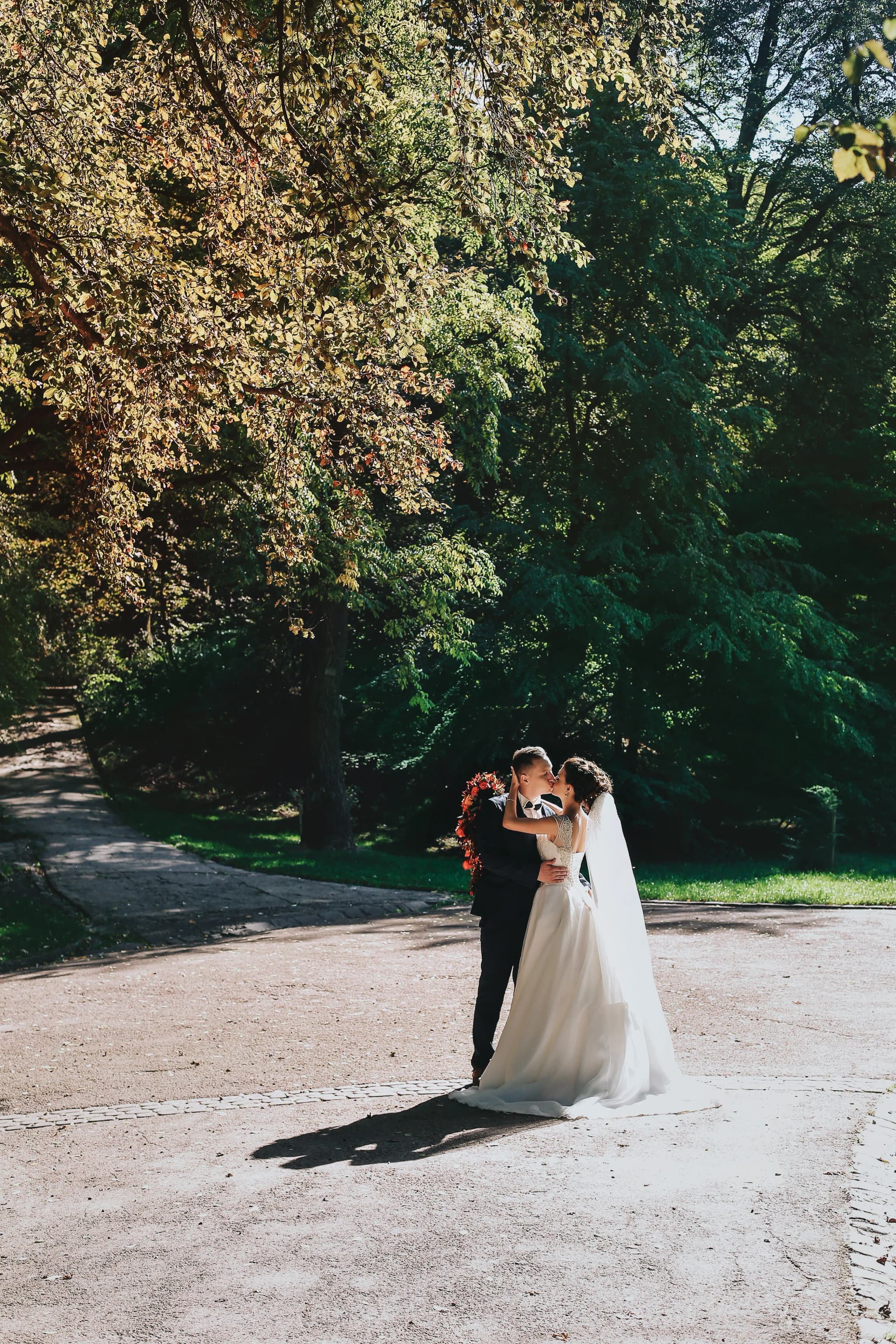
Vow Renewal Photography: A Complete Guide
By Yana Skakun·6 June 2026·6 min read
A vow renewal is a ceremony in which a married couple reaffirm their commitment to each other, marking an anniversary, a milestone, a personal chapter, or simply the desire to celebrate their marriage again with the people they love. Unlike a wedding, a vow renewal has no legal standing in England and Wales — the couple are already legally married. That distinction shapes both the ceremony and the photography in meaningful ways.
Why Couples Choose Vow Renewals
- ◆Milestone anniversaries: The 10th, 25th (silver), or 50th (golden) anniversary are the most common prompts. The couple may want to mark the occasion with a proper celebration that their original wedding — perhaps small and low-key — did not include.
- ◆After a significant chapter: Illness, separation and reconciliation, major life change — some couples renew vows as a way of beginning again within their marriage and marking a transition formally.
- ◆The wedding they didn't have: Some couples eloped or had a very minimal original wedding and want to celebrate later with family and friends who weren't present. A vow renewal provides that opportunity.
- ◆Simply for the celebration: There is no requirement for a specific reason. A couple who love each other and want to celebrate their marriage again can do so at any time.
How Vow Renewal Photography Differs From Wedding Photography
A wedding has a built-in narrative structure of firsts — first look, first moment as a married couple, first dance. Everything is happening for the first time, and much of the emotional weight comes from that. A vow renewal is different. The emotional depth comes not from the newness but from the accumulated weight of years — the history between two people who have chosen each other again.
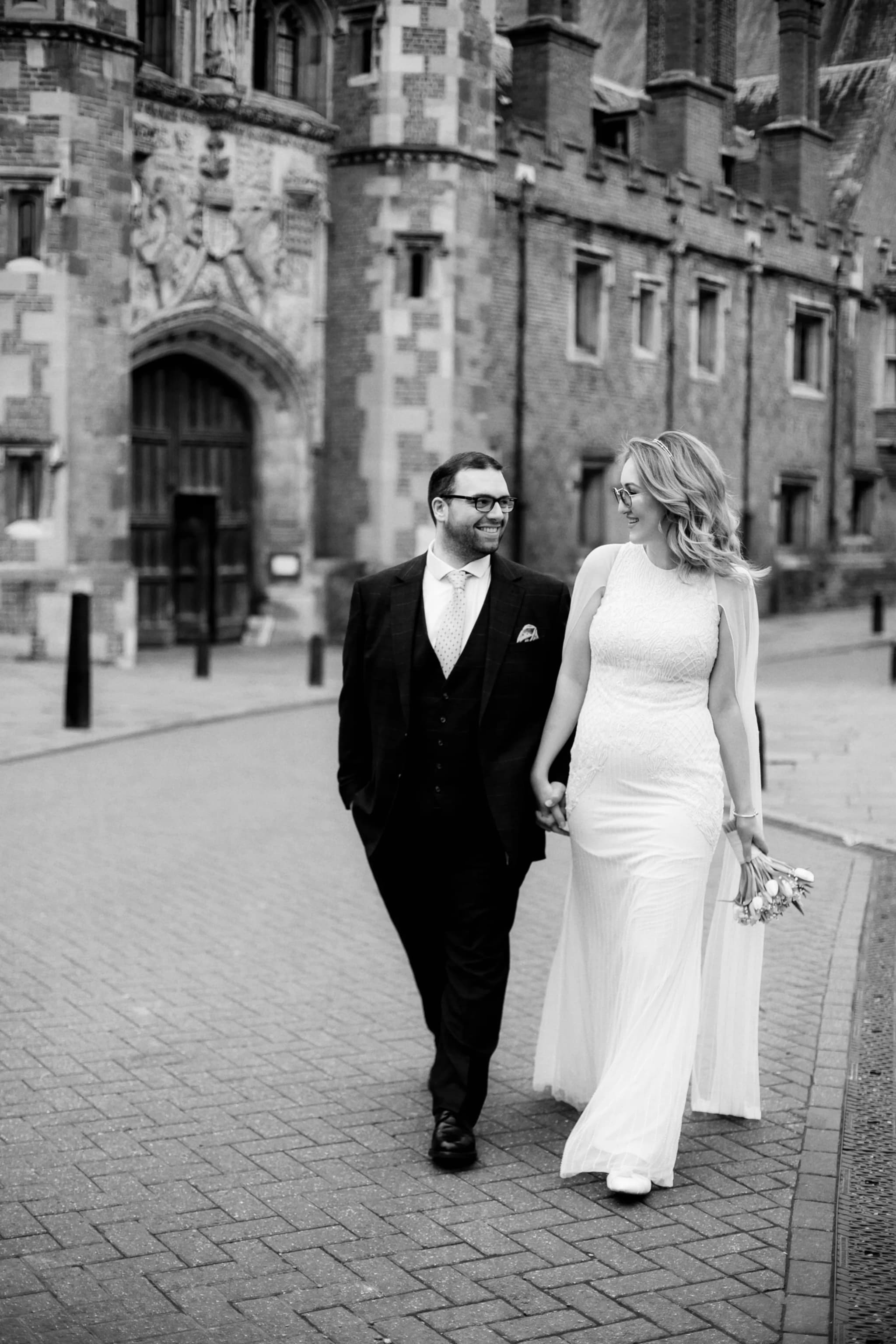
Good vow renewal photography reflects that difference. The images that carry the most meaning are often quieter — a look between two people that contains twenty years, the way they stand together with the ease of long familiarity, the children or grandchildren present who are living evidence of the marriage. The photographer needs to understand what they are documenting and not simply replicate a wedding photography approach in the wrong context.
Ceremony Options in the UK
Because vow renewals have no legal requirement, there is complete freedom in how they are structured:
- ◆Humanist or independent celebrant — fully personalised, held anywhere, no legal constraints
- ◆Religious ceremony — in a church, synagogue, or other place of worship depending on denomination
- ◆Informal — an exchange of words at a dinner, a garden ceremony, or a simple gathering without a formal officiant
- ◆Destination ceremony — abroad or in a special location in the UK
Choosing a Photographer for Your Vow Renewal
Some couples choose to hire the same photographer who photographed their original wedding — a continuity that provides a meaningful visual thread across the years. Others prefer someone new, with fresh eyes and a different approach.
Either choice works. The more important question is whether the photographer understands the specific character of a vow renewal and can distinguish it from simply photographing a small wedding. Review a photographer's work for images that reflect emotional depth and connection between couples, not just decorative or posed photographs. The technical skills matter, but the sensitivity matters more.
Vow Renewal Photography in Cambridge
I photograph vow renewals as the distinct events they are — with attention to the depth of connection that comes from years together. Get in touch to discuss your plans and what coverage would suit your celebration.
Get in Touch About Vow Renewal Photography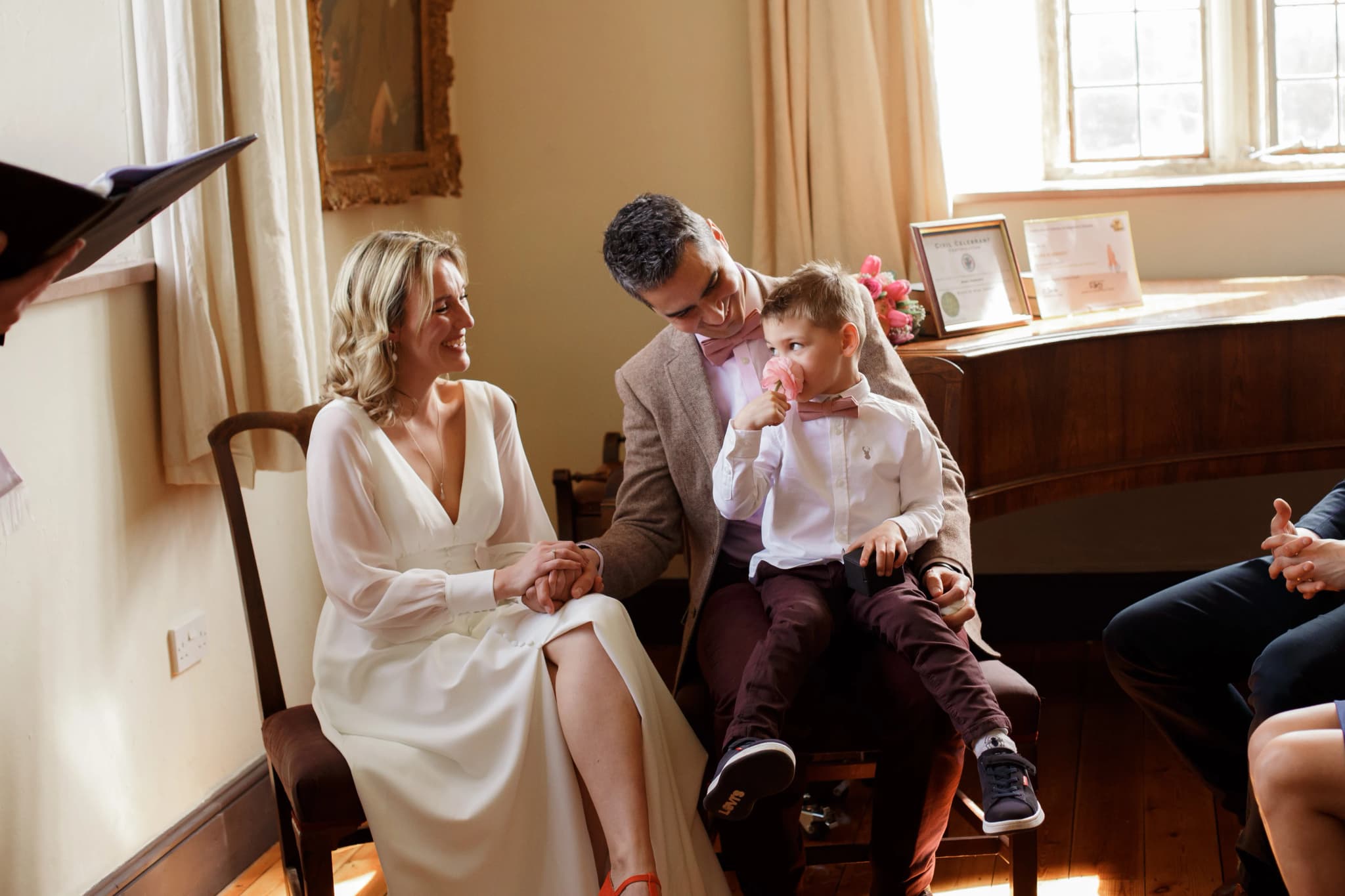

Yana Skakun
Photographer · England
Professional wedding, family and portrait photographer based in England. Passionate about capturing authentic emotions and timeless moments.
About Yana →vow renewal photography UKanniversary ceremony photographervow renewal photographer Cambridge
Wedding Styles — Professional Photography in Cambridge & England
Yana Skakun is a professional photographer based in Cambridge, covering weddings, families, and portraits across England. Every session is personal — planned around your story, your people, and the moments that matter most. This guide — Vow Renewal Photography: A Complete Guide — is part of the photography journal: practical, experience-based advice drawn from real sessions across England. Whether you arrived searching for vow renewal photography uk or anniversary ceremony photographer, the same care and attention shapes every session Yana photographs.
Professional Photography sessions are available year-round, with bookings open across Cambridge, Ely, Huntingdon, Peterborough, and further afield — East England, London, the Midlands, and beyond. If you have specific questions about vow renewal photographer cambridge, mention it in your enquiry. Get in touch through the contact form above to check availability and discuss your session. Enquiries are welcomed from anywhere in the UK.
Frequently Asked Questions
What camera settings should I use for outdoor portraits?+
For outdoor portraits, shoot in aperture priority mode. Use a wide aperture (f/1.8–f/2.8) to blur the background and isolate your subject. Keep ISO as low as possible in good light. In bright conditions, use a neutral density filter or switch to manual to avoid overexposure at wide apertures.
What is the golden hour in photography?+
Golden hour is the period roughly 30–60 minutes after sunrise and before sunset. The sun is low in the sky, producing warm, soft, directional light that flatters skin tones and creates beautiful long shadows. It's widely considered the best natural light for portrait and outdoor photography.
How do you get sharp photos in low light?+
In low light, increase your ISO (accepting some grain), use the widest aperture your lens allows, and slow your shutter speed to the slowest you can hand-hold without camera shake (roughly 1/focal length as a guide). Use image stabilisation if available, and consider a tripod for static subjects.
What is the rule of thirds in photography?+
The rule of thirds divides the frame into a 3×3 grid. Placing your subject on one of the four intersection points — rather than dead centre — creates a more dynamic, visually interesting composition. It's a guideline, not a rule: some of the most powerful images break it deliberately.
How do you edit photos to look professional?+
Professional editing starts with shooting in RAW format. In Lightroom or similar software, correct exposure, white balance, and contrast first. Recover shadow and highlight detail. Apply gentle colour grading for mood. Be conservative with skin retouching — the goal is natural enhancement, not transformation. Consistency across a set of images is what separates professional from amateur editing.
Get in Touch
Ready to Book Your Session?
Get in touch to discuss your vision — I'll reply within 24 hours.