Yana Skakun
Elopement vs Micro Wedding: What's the Difference?
By Yana Skakun·5 June 2026·6 min read
Elopement and micro wedding are two terms that are frequently used interchangeably but describe meaningfully different types of events. Both involve smaller, more intimate celebrations — and both are rising in popularity among couples who want something more personal and less traditional than a conventional wedding day. Understanding the difference matters, partly because the photography approach differs considerably between the two.
What Is an Elopement?
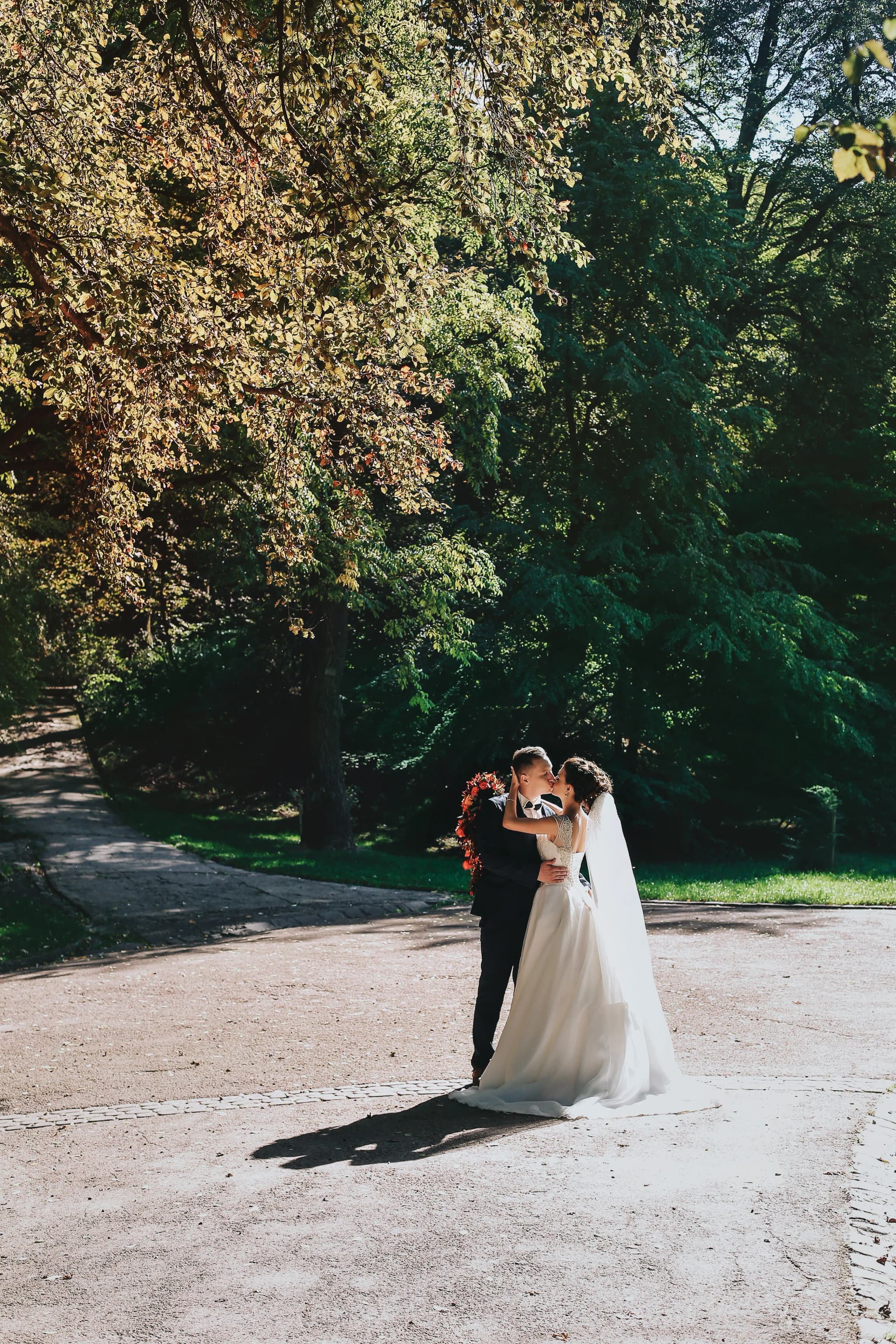
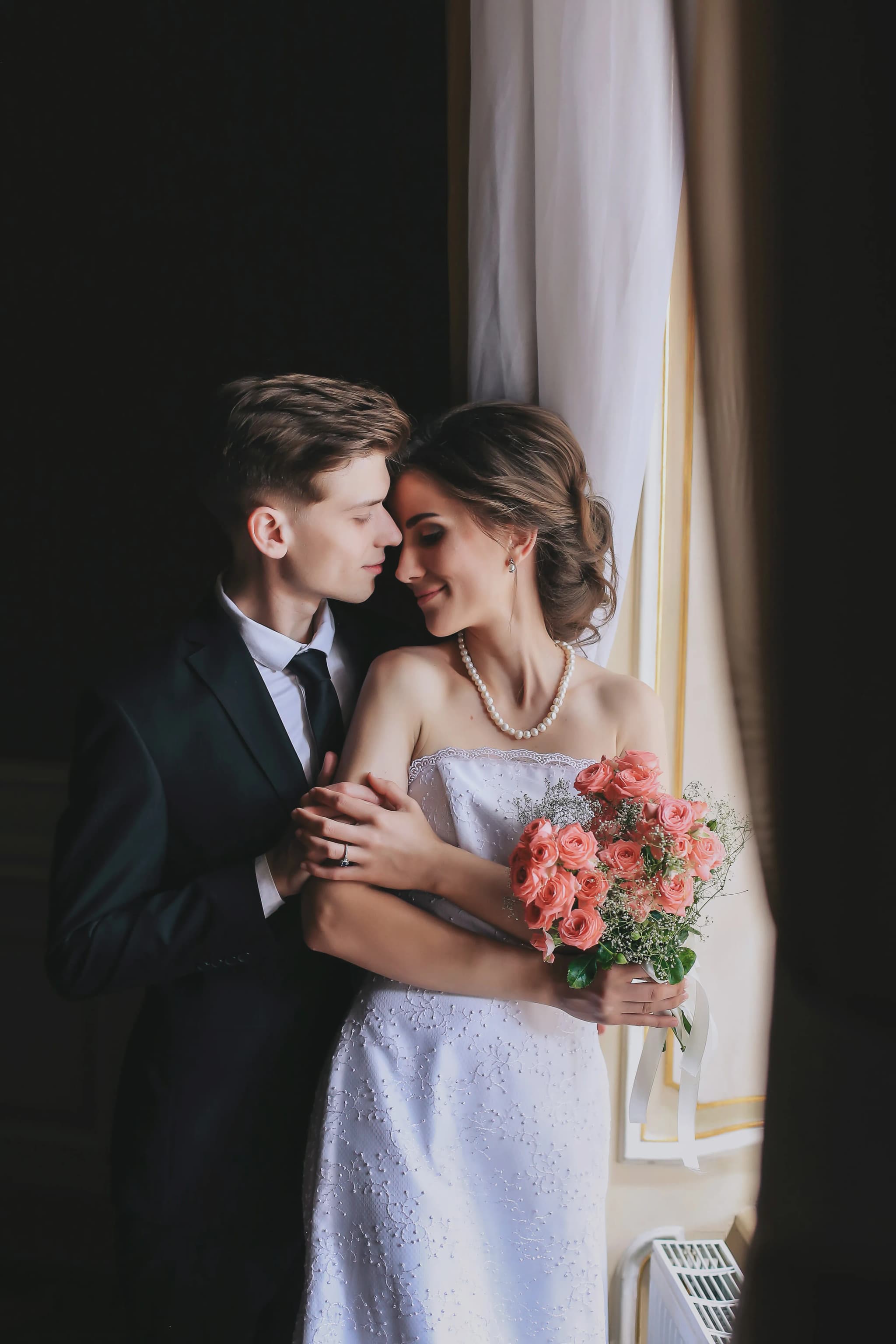
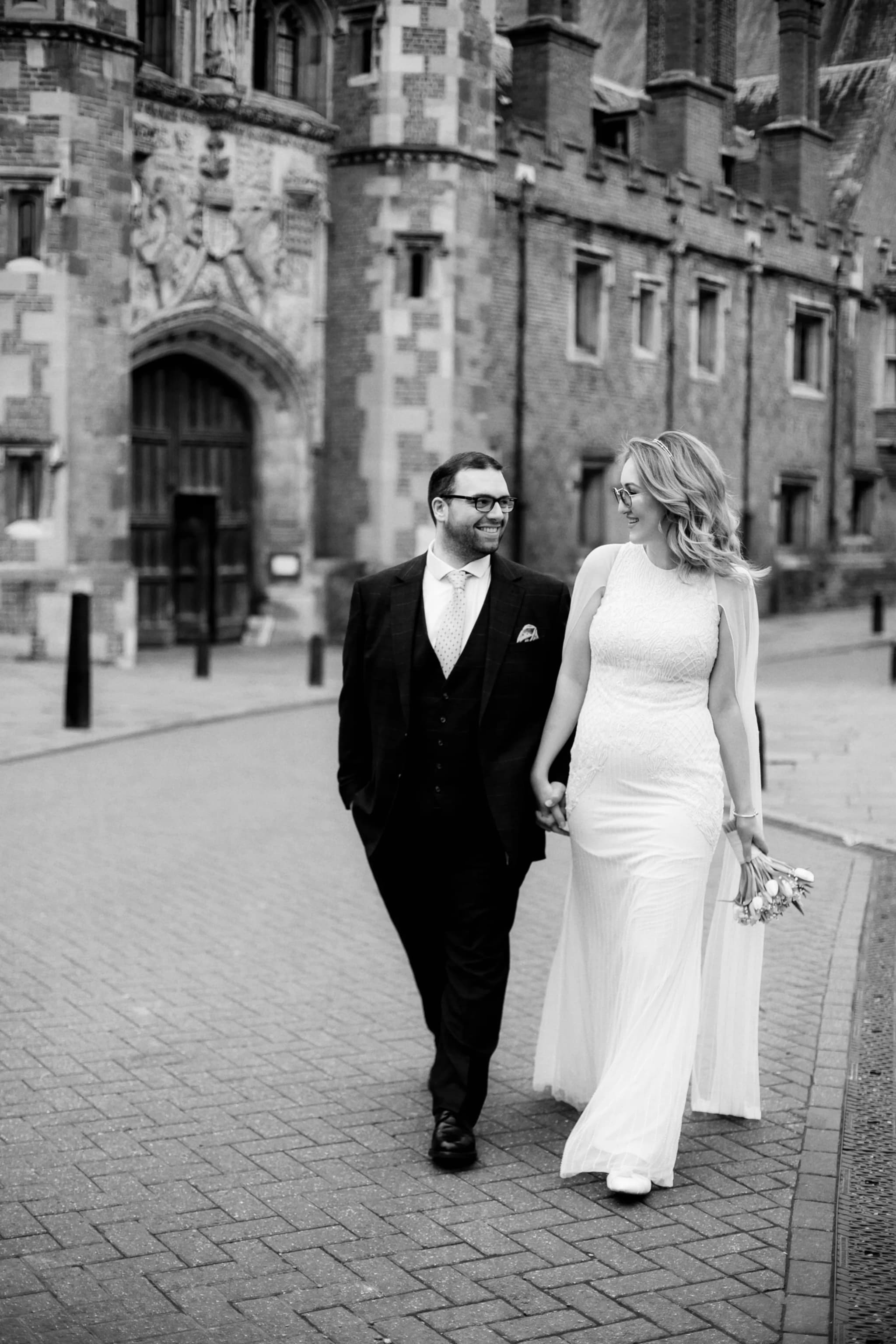
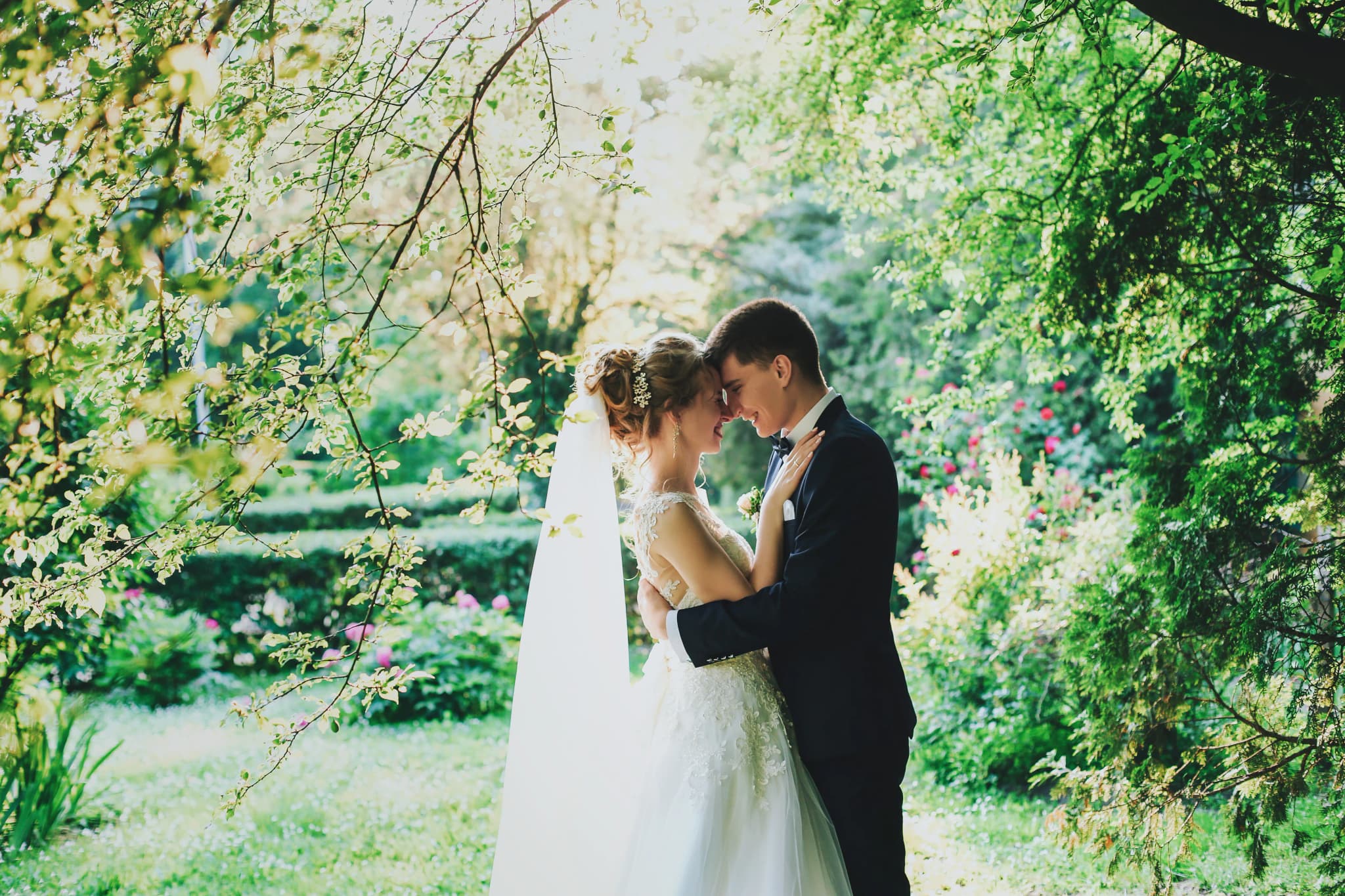
In its modern sense, an elopement is a wedding or wedding-like ceremony involving just two people — sometimes with two witnesses present for legal purposes, but generally without a traditional guest list. Modern elopements are not necessarily secretive (the original connotation), but they are deliberately minimal. The couple, a registrar or celebrant, and a photographer — sometimes in an outdoor location, sometimes at a register office, sometimes overseas.
The emphasis of an elopement is entirely on the couple. There are no competing priorities — no family dynamics to manage, no speeches to coordinate, no table plans. The day is built around the two people and the location, and the photography reflects that.
What Is a Micro Wedding?
A micro wedding is a scaled-down wedding — all the structural elements of a conventional wedding (ceremony, meal, speeches, first dance, dancing) but with a much smaller guest list, typically between ten and thirty people. It takes place at a proper venue, usually involves a celebrant or registrar, and the couple exchanges legal vows. The day has the same rhythm as a full wedding but contracted down to fewer hours and fewer guests.
The photography of a micro wedding is broadly similar to a full wedding in approach — ceremony, couple portraits, group photographs, reception — but with more flexibility and fewer logistical constraints. A group photograph of sixteen people is considerably easier than one of eighty.
Key Differences at a Glance
| Factor | Elopement | Micro Wedding |
|---|---|---|
| Guest count | 0–2 witnesses | 10–30 guests |
| Formality | Very informal | Semi-formal to formal |
| Venue | Outdoor / register office | Proper wedding venue |
| Duration | 1–4 hours typically | 5–8 hours |
| Photography approach | Intimate, location-led | Full day coverage |
| Budget (photography) | Lower — fewer hours | Similar to full wedding |
Photography Differences Between the Two
- ◆Elopement photography is location-driven: Without a guest list or reception to photograph, elopement photography is built around the couple and the environment. The photographer has more time to explore the location, change compositions, and create images purely for the couple rather than the documentation of an event.
- ◆Micro wedding photography is event-driven: A micro wedding needs to document the day fully — all the same moments as a full wedding, just in a smaller environment. The challenge changes from location-driven creative work to skilled event coverage.
- ◆Hours needed differ: An elopement typically needs three to five hours of photography. A micro wedding will need seven to ten hours for full coverage.
- ◆Number of images differs: An elopement may produce 200–350 images. A micro wedding will typically produce 350–600.
Which Is Right for You?
If you want a day that is entirely about the two of you — no guest list to manage, complete freedom of location, total flexibility — an elopement is the better choice. If you want the feeling of a real wedding with your most important people present and all the traditional elements, but without the scale and cost of a full wedding, a micro wedding is the better fit. Neither is a compromise; both are deliberate choices with distinct advantages.
Elopement and Micro Wedding Photography
Whether you are planning an elopement for two or an intimate micro wedding for your closest people, I offer flexible packages for both. Get in touch to discuss your plans and what photography coverage makes sense for your day.
Elopement and Destination Wedding Photography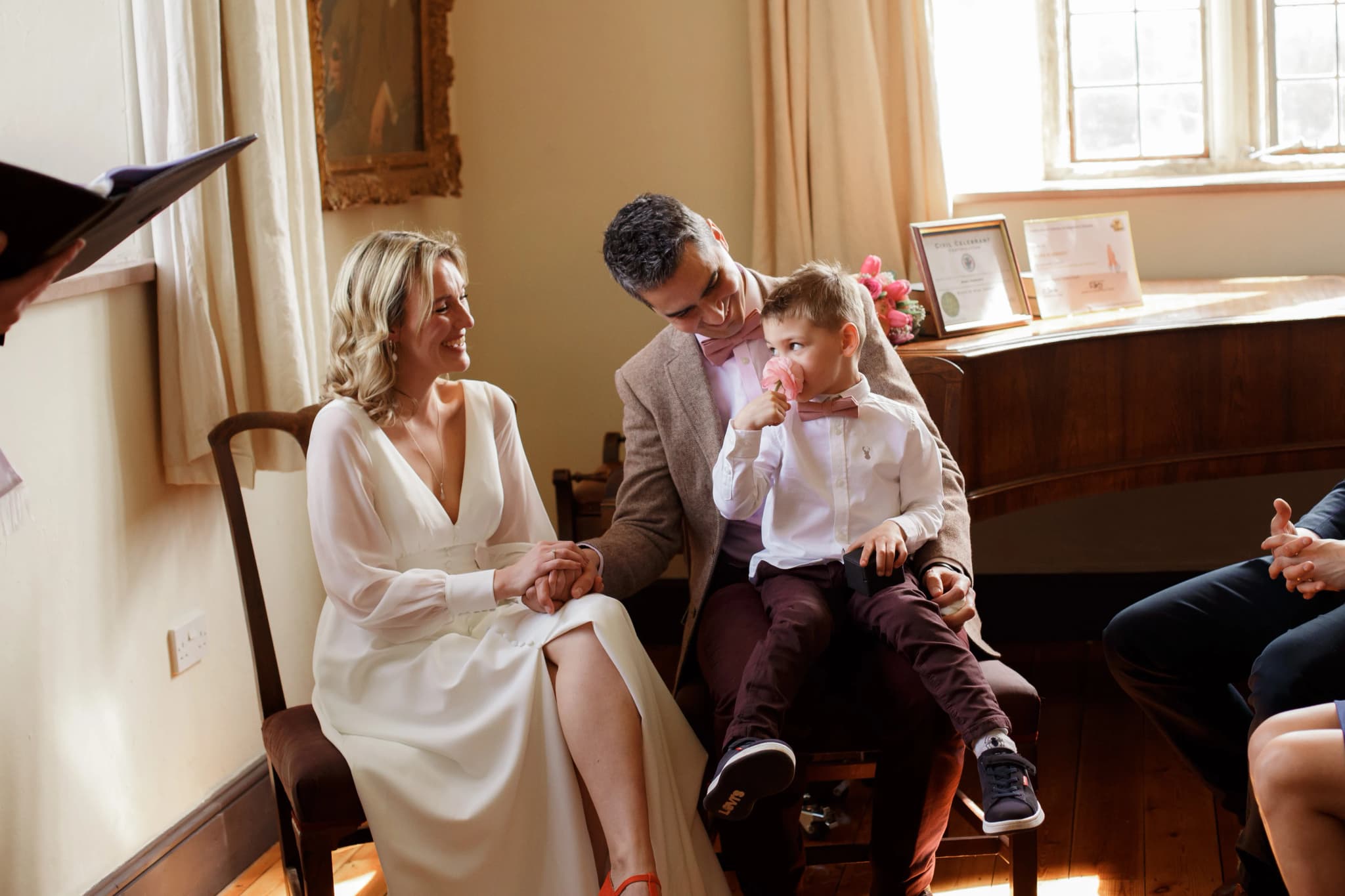

Yana Skakun
Photographer · England
Professional wedding, family and portrait photographer based in England. Passionate about capturing authentic emotions and timeless moments.
About Yana →elopement vs micro weddingwhat is a micro wedding UKelopement photography UK
Wedding Styles — Professional Photography in Cambridge & England
Yana Skakun is a professional photographer based in Cambridge, covering weddings, families, and portraits across England. Every session is personal — planned around your story, your people, and the moments that matter most. This guide — Elopement vs Micro Wedding: What's the Difference? — is part of the photography journal: practical, experience-based advice drawn from real sessions across England. Whether you arrived searching for elopement vs micro wedding or what is a micro wedding uk, the same care and attention shapes every session Yana photographs.
Professional Photography sessions are available year-round, with bookings open across Cambridge, Ely, Huntingdon, Peterborough, and further afield — East England, London, the Midlands, and beyond. If you have specific questions about elopement photography uk, mention it in your enquiry. Get in touch through the contact form above to check availability and discuss your session. Enquiries are welcomed from anywhere in the UK.
Frequently Asked Questions
What camera settings should I use for outdoor portraits?+
For outdoor portraits, shoot in aperture priority mode. Use a wide aperture (f/1.8–f/2.8) to blur the background and isolate your subject. Keep ISO as low as possible in good light. In bright conditions, use a neutral density filter or switch to manual to avoid overexposure at wide apertures.
What is the golden hour in photography?+
Golden hour is the period roughly 30–60 minutes after sunrise and before sunset. The sun is low in the sky, producing warm, soft, directional light that flatters skin tones and creates beautiful long shadows. It's widely considered the best natural light for portrait and outdoor photography.
How do you get sharp photos in low light?+
In low light, increase your ISO (accepting some grain), use the widest aperture your lens allows, and slow your shutter speed to the slowest you can hand-hold without camera shake (roughly 1/focal length as a guide). Use image stabilisation if available, and consider a tripod for static subjects.
What is the rule of thirds in photography?+
The rule of thirds divides the frame into a 3×3 grid. Placing your subject on one of the four intersection points — rather than dead centre — creates a more dynamic, visually interesting composition. It's a guideline, not a rule: some of the most powerful images break it deliberately.
How do you edit photos to look professional?+
Professional editing starts with shooting in RAW format. In Lightroom or similar software, correct exposure, white balance, and contrast first. Recover shadow and highlight detail. Apply gentle colour grading for mood. Be conservative with skin retouching — the goal is natural enhancement, not transformation. Consistency across a set of images is what separates professional from amateur editing.
Get in Touch
Ready to Book Your Session?
Get in touch to discuss your vision — I'll reply within 24 hours.