Yana Skakun
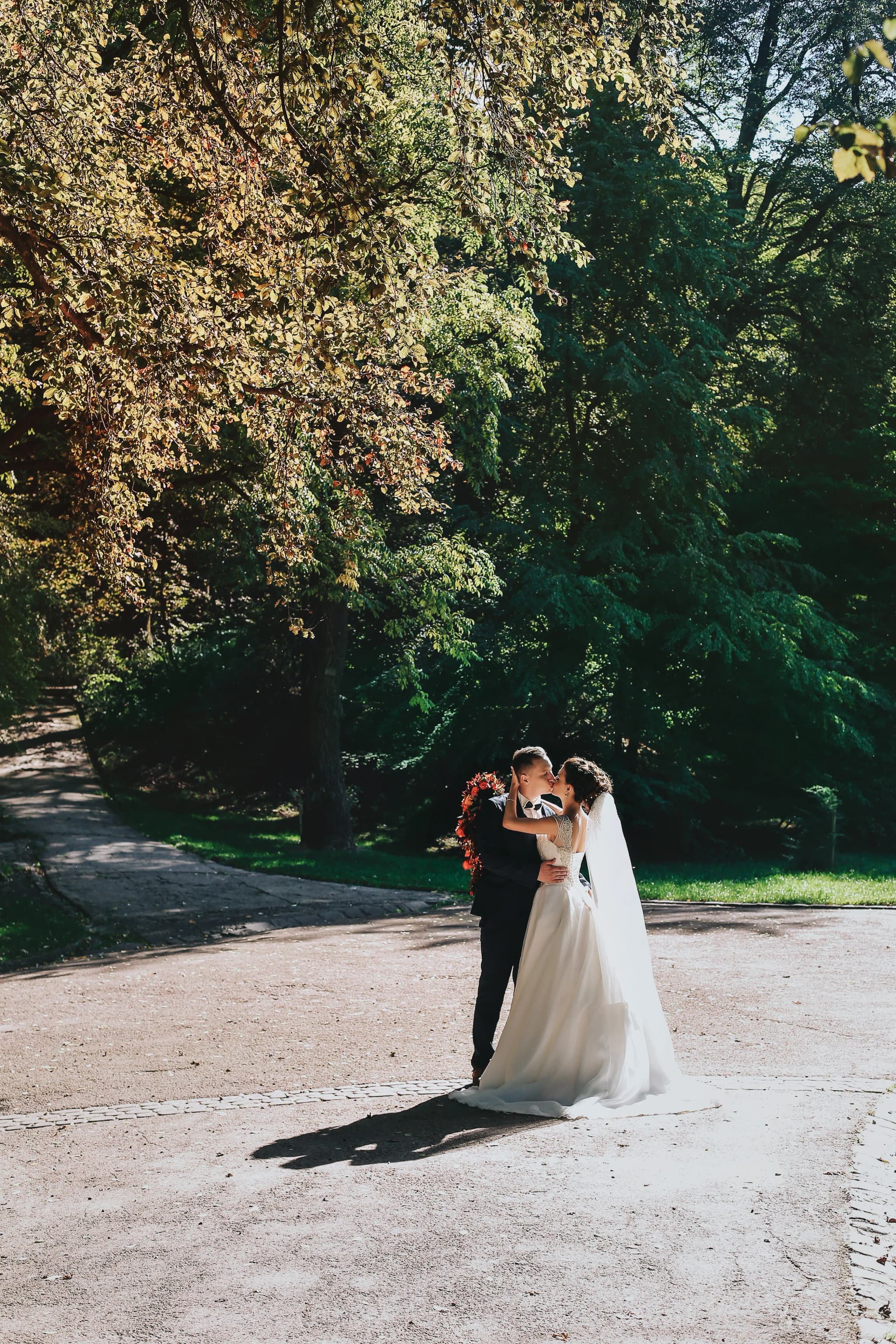
Humanist Wedding Photography in the UK
By Yana Skakun·8 June 2026·7 min read
Humanist weddings have grown significantly in popularity in the UK over the past decade — particularly in England and Wales, where the legal position creates a specific situation that couples and their photographers need to understand. This guide covers what a humanist ceremony actually is, the legal context in England and Wales, what to expect as a photography subject, and what makes humanist weddings distinctive to document.
What Is a Humanist Wedding Ceremony?
A humanist ceremony is conducted by a trained celebrant from Humanists UK (or a similar body). It is entirely secular — no religious content, no prescribed structure, no traditional formulas. The ceremony is built around the specific couple: their story, their values, their words. Humanist ceremonies are typically more personal, more varied, and often more emotionally resonant than either a traditional religious ceremony or a brief legal register office ceremony.
They can include personal vows written by the couple, readings chosen by them, music they care about, rituals like handfasting or unity candles, and words from people who know them well. Because nothing is prescribed, every humanist ceremony is genuinely unique.
The Legal Position in England and Wales
This is the most important practical point: humanist ceremonies conducted by a humanist celebrant are not legally binding in England and Wales. Unlike Scotland (where humanist ceremonies have been legally recognised since 2005), couples in England and Wales who have a humanist ceremony must also complete a separate legal marriage at a register office or licensed venue.
Most couples handle this one of two ways:
- ◆Quiet legal ceremony at a register office earlier in the week (just the two of them and two witnesses), followed by the meaningful humanist ceremony on the wedding day
- ◆Legal ceremony and humanist ceremony at the same licensed venue on the same day — the legal portion completed with the registrar, the humanist ceremony immediately following
For couples who handle the legal side separately earlier in the week, the wedding day photographer typically covers only the humanist ceremony — the legal signing is deliberately low-key and separate.
What Humanist Ceremonies Look Like to Photograph
- ◆Location flexibility: Because there is no licensing requirement for the ceremony space (the legal element is handled separately), humanist ceremonies can take place anywhere — a garden, a woodland clearing, a clifftop, the beach, a boat, a converted warehouse. This location freedom creates extraordinary photography opportunities that a register office or church cannot match.
- ◆Deeply personal moments: Personal vows read directly to each other, often written over months, produce intense emotional moments. Because the couple knows every word is their own, there is a specific quality to the emotion — more unguarded than reciting a formula.
- ◆Longer ceremony duration: Humanist ceremonies are typically longer than a legal register office ceremony — 30 to 45 minutes is common. This gives the photographer more time and more variety of moments.
- ◆High emotion from readings and tributes: Readings from friends and family, personal tributes, moments of shared laughter at a story told — humanist ceremonies generate a range of emotional beats that require a photographer to stay alert throughout.
- ◆No religious restrictions on positioning: There is no proscription on where the photographer can stand or move. This allows much more flexibility in coverage than, for example, a traditional Catholic ceremony.
Choosing a Photographer for a Humanist Wedding
Any experienced wedding photographer can cover a humanist ceremony — there are no specialist requirements. The most important qualities are the same as for any wedding: documentary skill (the ability to capture candid emotion without intervention), sensitivity to the moment, and strong technical capability for the specific conditions of the chosen location (outdoor light, unusual venues, variable conditions).
Because humanist ceremonies are often held in non-standard locations — outdoors or at unconventional venues — look for a photographer comfortable working with natural light across different outdoor conditions rather than one who relies heavily on studio-style or flash-dependent approaches.
Humanist Wedding Photography in Cambridge
Humanist ceremonies — outdoors, in unusual locations, entirely personal — are some of the most rewarding weddings to photograph. If you are planning one, I would love to hear about it.
Discuss Your Humanist Wedding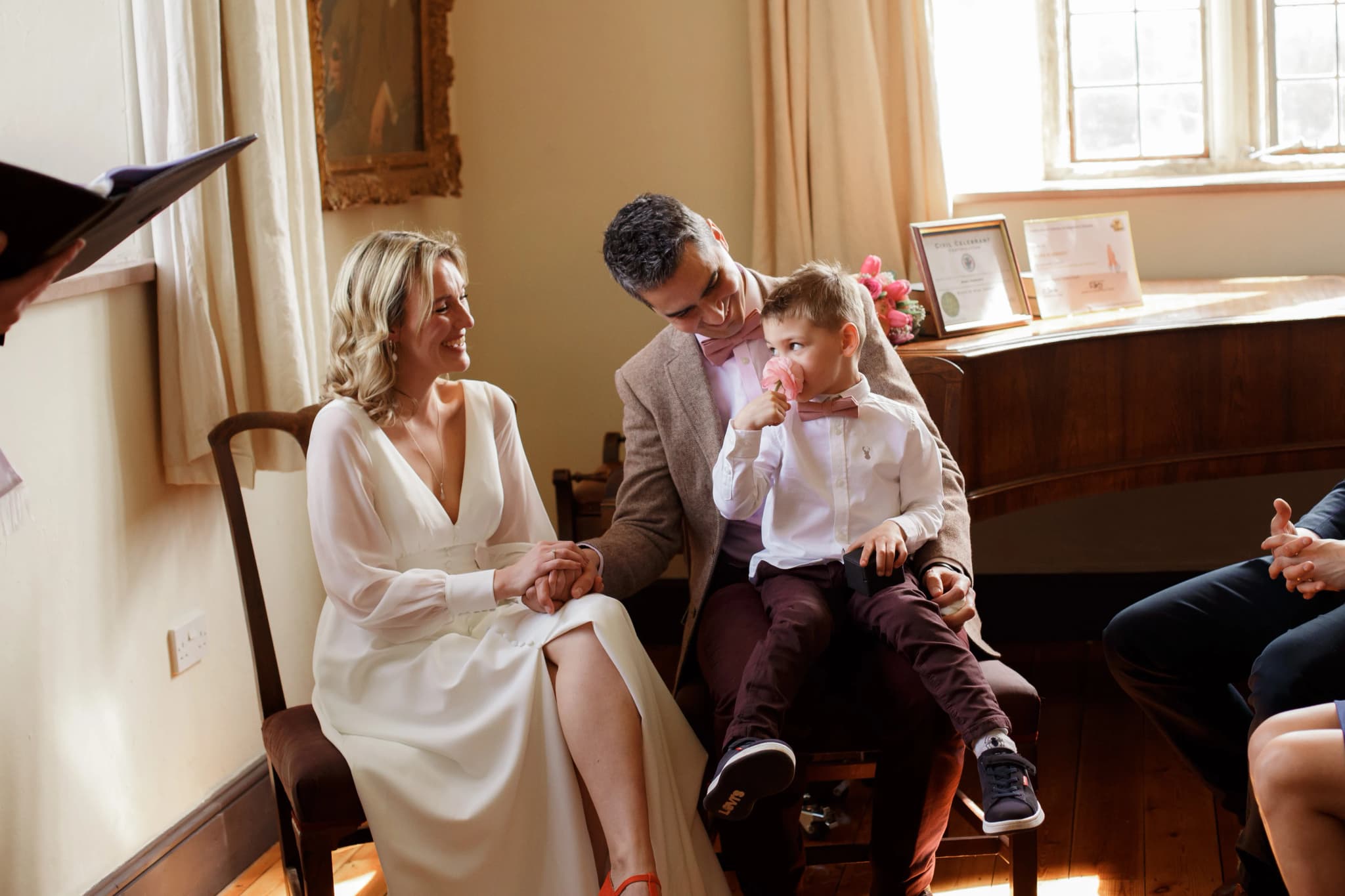

Yana Skakun
Photographer · England
Professional wedding, family and portrait photographer based in England. Passionate about capturing authentic emotions and timeless moments.
About Yana →humanist wedding photographer UKhumanist ceremony photographyhumanist wedding England Wales
Wedding Styles — Professional Photography in Cambridge & England
Yana Skakun is a professional photographer based in Cambridge, covering weddings, families, and portraits across England. Every session is personal — planned around your story, your people, and the moments that matter most. This guide — Humanist Wedding Photography in the UK — is part of the photography journal: practical, experience-based advice drawn from real sessions across England. Whether you arrived searching for humanist wedding photographer uk or humanist ceremony photography, the same care and attention shapes every session Yana photographs.
Professional Photography sessions are available year-round, with bookings open across Cambridge, Ely, Huntingdon, Peterborough, and further afield — East England, London, the Midlands, and beyond. If you have specific questions about humanist wedding england wales, mention it in your enquiry. Get in touch through the contact form above to check availability and discuss your session. Enquiries are welcomed from anywhere in the UK.
Frequently Asked Questions
What camera settings should I use for outdoor portraits?+
For outdoor portraits, shoot in aperture priority mode. Use a wide aperture (f/1.8–f/2.8) to blur the background and isolate your subject. Keep ISO as low as possible in good light. In bright conditions, use a neutral density filter or switch to manual to avoid overexposure at wide apertures.
What is the golden hour in photography?+
Golden hour is the period roughly 30–60 minutes after sunrise and before sunset. The sun is low in the sky, producing warm, soft, directional light that flatters skin tones and creates beautiful long shadows. It's widely considered the best natural light for portrait and outdoor photography.
How do you get sharp photos in low light?+
In low light, increase your ISO (accepting some grain), use the widest aperture your lens allows, and slow your shutter speed to the slowest you can hand-hold without camera shake (roughly 1/focal length as a guide). Use image stabilisation if available, and consider a tripod for static subjects.
What is the rule of thirds in photography?+
The rule of thirds divides the frame into a 3×3 grid. Placing your subject on one of the four intersection points — rather than dead centre — creates a more dynamic, visually interesting composition. It's a guideline, not a rule: some of the most powerful images break it deliberately.
How do you edit photos to look professional?+
Professional editing starts with shooting in RAW format. In Lightroom or similar software, correct exposure, white balance, and contrast first. Recover shadow and highlight detail. Apply gentle colour grading for mood. Be conservative with skin retouching — the goal is natural enhancement, not transformation. Consistency across a set of images is what separates professional from amateur editing.
Get in Touch
Ready to Book Your Session?
Get in touch to discuss your vision — I'll reply within 24 hours.