Yana Skakun
How to get great photos of toddlers: Our honest tips
By Yana Skakun·10 April 2026·6 min read
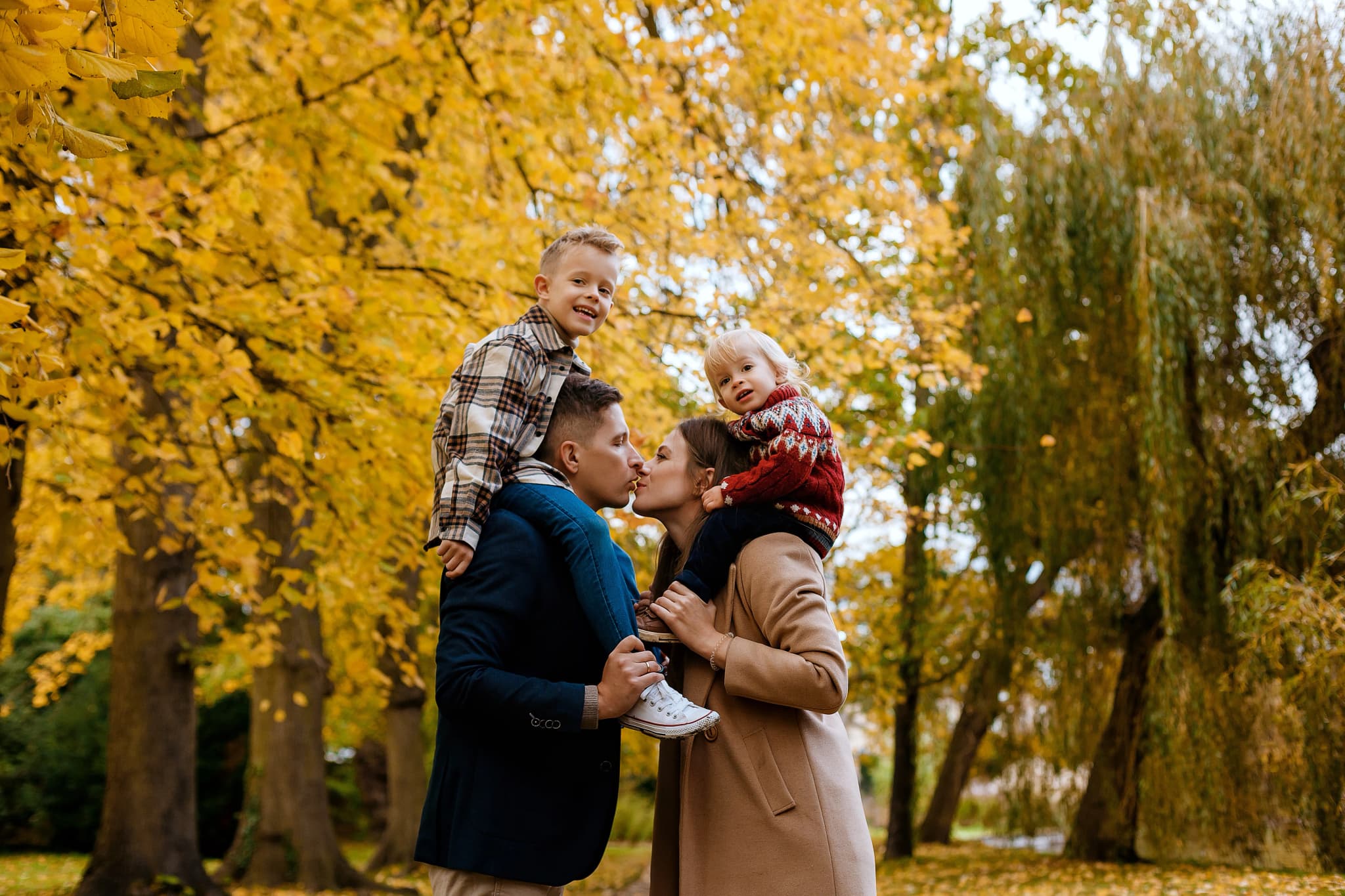
Toddlers are, in my experience, some of the most rewarding photographic subjects there are. Pure personality, zero self-consciousness, constant motion, and unpredictable joy that no amount of direction from an adult could ever produce on command. The trick with toddlers is not trying to control them — it is working with them, following what they are already doing, and being ready for the genuine moment rather than waiting for a posed one that is never going to arrive. Here is how I approach sessions with even the most energetic little ones, and what tends to help parents get the most out of the time.
Timing Is Everything
Book a session when your toddler is genuinely at their best — typically mid-morning, after breakfast and a bit of active time to burn off the initial fidgeting energy, but well before the afternoon tired crash that most parents will recognise instantly. Avoid sessions scheduled around nap time or in the late afternoon when energy and patience are both at their lowest and even the most willing toddler will struggle to engage.
Every toddler has their own rhythm, and parents almost always know it better than I do before we even meet. If your child is consistently brighter and more cooperative first thing in the morning, we should be photographing first thing in the morning, even if that means an earlier start than feels convenient. A twenty-minute session at the right moment in your child's day will produce more genuine images than an hour-long session at the wrong one.
It is also worth building in some slack either side of the booked time. Toddlers do not run on a schedule, and a session that starts fifteen minutes late because someone needed an extra snack or a change of shoes is not a problem — it is simply how sessions with very young children actually work, and I plan for that flexibility as a matter of course.
Let Them Lead (to a Point)
The best toddler images come from following their lead rather than directing them. I watch for the natural moments — the way they run to point at a dog across the field, the way they crouch down to examine a flower or a stone with total concentration, the spontaneous giggle that comes from nowhere and disappears just as fast. These unscripted moments are almost always the photographs parents end up treasuring most, far more than anything I could have carefully arranged.
That does not mean the session has no shape at all. I will gently guide toddlers toward good light or a nicer backdrop by suggesting an activity — "let's go see what's over by that tree" — rather than issuing an instruction to stand in a particular spot and smile. The difference sounds small but it changes everything about how a toddler responds, because they experience it as an invitation to explore rather than a demand to perform.
What to Dress a Toddler In
Comfort and freedom of movement matter more than any particular colour scheme when you are dressing a toddler for a session. Soft, familiar fabrics they have already worn and are not fighting against tend to produce a more relaxed child than a brand-new outfit straight out of the packet, however lovely it looks on the hanger. If you do want to introduce something new, it is worth having your toddler wear it around the house for an hour or two beforehand so the first time they feel that fabric is not in the middle of the session itself.
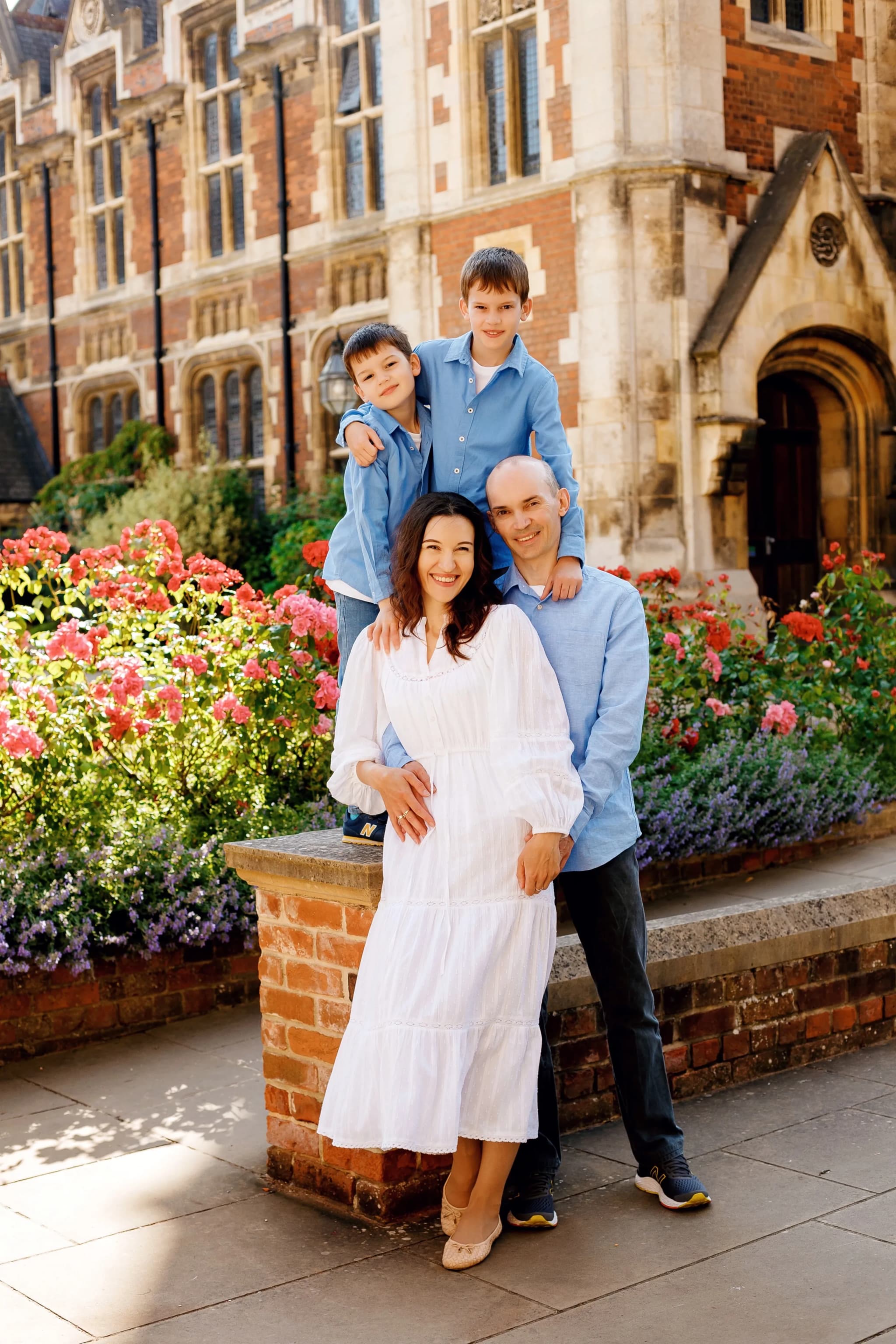
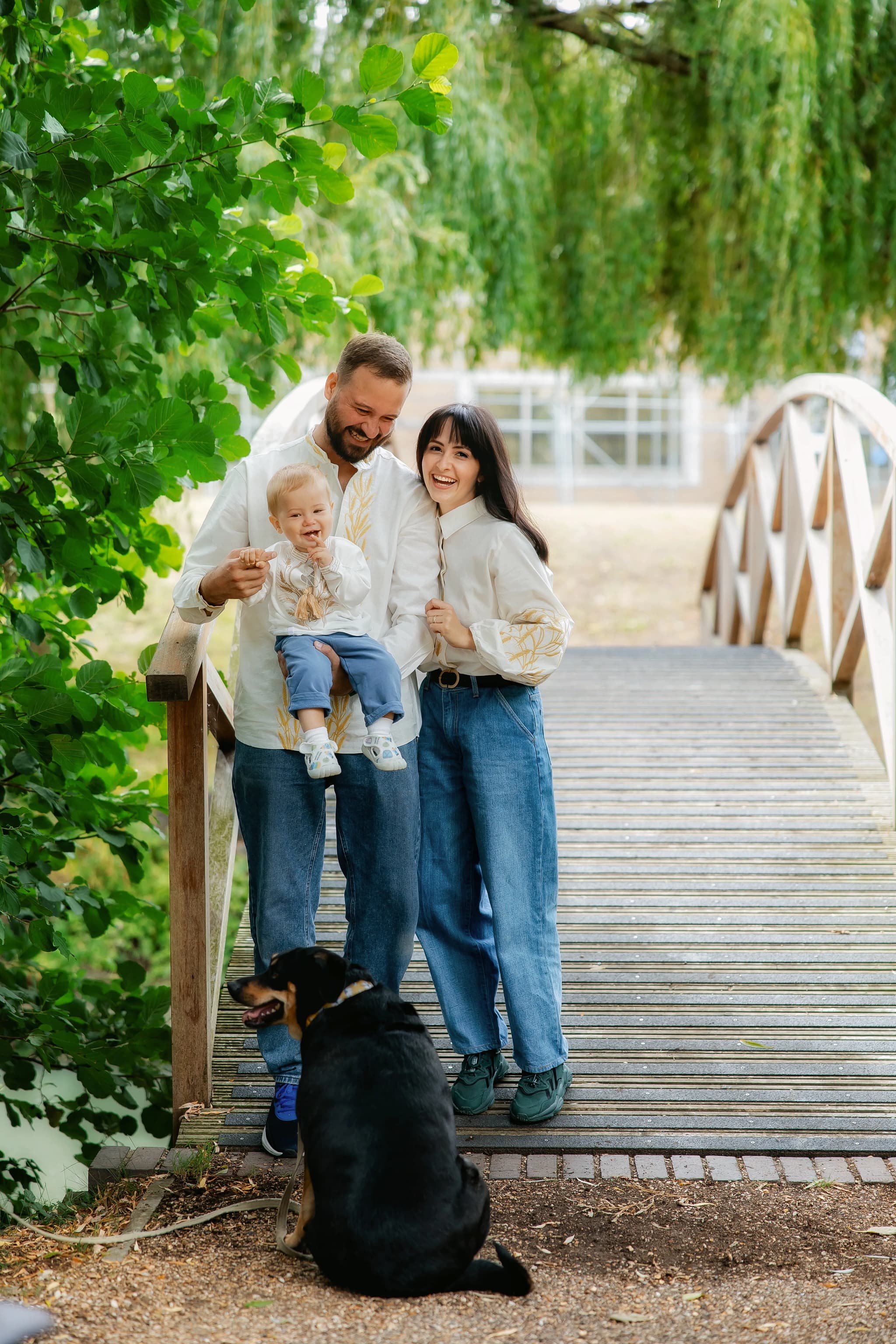
Coordinating loosely with the rest of the family, rather than matching outfits exactly, photographs best and avoids the slightly artificial look of everyone in the same shade. Simple, uncluttered clothing without large logos or busy patterns keeps the focus on faces and expressions rather than on the outfit itself, and it tends to age far better in photographs you will still be looking at years from now.
Practical Tips for Parents
A few small preparations make a genuine difference to how a toddler session unfolds. The snack bribe is real, and it works — a favourite snack kept in your bag for motivation at key moments is not cheating, it is wisdom, and I would rather see a parent produce a biscuit at exactly the right moment than watch a session stall over a meltdown that could have been avoided. A favourite toy or comfort object serves a similar purpose, giving a toddler something familiar to hold onto that helps them settle and focus, even briefly, when it matters most.
Give them time to warm up. The first ten to fifteen minutes of a session are often the hardest in terms of cooperation, simply because the child is adjusting to a new place, a new adult with a camera, and the general unfamiliarity of the situation. I never expect the best images in those opening minutes, and I would encourage parents not to either — the good material tends to come once everyone has relaxed into the session.
Do not say "smile." It reliably produces exactly the kind of forced, glassy expression that nobody actually wants in their photographs. Silly games, gentle tickles, a parent pulling a funny face just out of frame, and genuine reactions to real things happening around them work far better than any direct instruction. And dress toddlers for adventure — comfortable, practical clothing they can run and roll in without anyone worrying about it. A beautiful outfit that gets ruined ten minutes into the session tends to produce an unhappy parent for the remainder of it, which nobody enjoys.
Handling the Difficult Moments
Meltdowns happen, even in the best-planned sessions, and I would rather parents knew that in advance than felt they had failed somehow when it happens. A toddler who bursts into tears halfway through is not a session gone wrong — it is simply a toddler being a toddler, and in my experience it rarely takes more than a few minutes for things to settle again once the immediate cause, whether tiredness, hunger, or frustration, has been addressed.
When a genuine meltdown does happen, I generally step back for a few minutes rather than pushing to keep photographing through it. Forcing the moment tends to prolong it, while giving a toddler space, a cuddle from a parent, and a change of pace almost always resolves things faster than trying to power through. Some of the sweetest images from a session come immediately after a meltdown has passed, when a toddler is freshly comforted and unguarded in a way they were not before.
A note on sessions with very young children
I have a lot of experience photographing toddlers specifically, and I genuinely enjoy the chaos and unpredictability that comes with it. If your child is at an age where you are worried they simply will not cooperate, that is not a reason to avoid booking — it is exactly the situation these sessions are built for.
Get in touch about a toddler sessionWhat to Expect on the Day
A toddler session rarely looks, from the outside, like a traditional photoshoot. There is more running around than posing, more following a child from one point of interest to another than setting up careful compositions, and a fair amount of me crouching down at their eye level to catch expressions that would be lost entirely from adult height. This is intentional. Photographing toddlers from their own height, rather than looking down at them, produces images with far more intimacy and connection than the alternative.
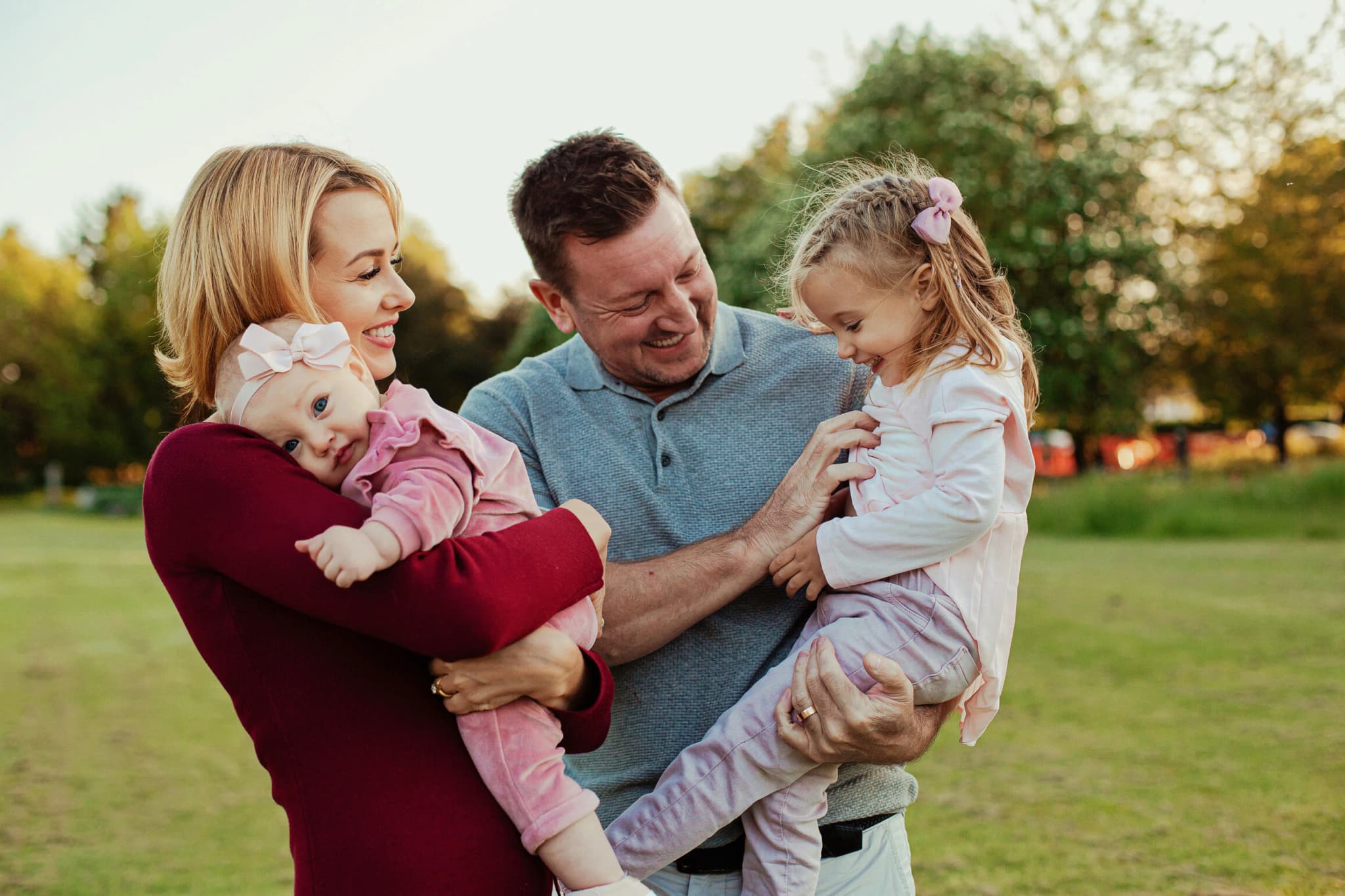
Parents are welcome and genuinely encouraged to stay close and involved throughout, both because young children generally photograph better when a trusted adult is nearby and because some of the strongest images from any toddler session are the ones of the child interacting with a parent rather than facing the camera alone. A toddler being spun around by a parent, or examined closely by an older sibling, often produces a more compelling photograph than a solo portrait ever could.
Sessions with toddlers also tend to run a little differently in terms of pacing — shorter, more frequent bursts of activity rather than one long continuous stretch, with breaks for snacks, a wander, or simply letting a child do their own thing for a few minutes before we pick up again. This approach keeps everyone, especially the toddler, in a good enough mood for the images to reflect it.
Toddlers change so quickly that a session booked now captures a version of your child who genuinely will not exist in the same way even a few months from now. If you would like to talk through what a session with your own toddler might look like, get in touch and we can plan something around their age, energy, and personality.

Yana Skakun
Photographer · England
Professional wedding, family and portrait photographer based in England. Passionate about capturing authentic emotions and timeless moments.
About Yana →toddler photoshoot tips UKfamily photos with toddlers Englandphotographing toddlersyoung children photography UK
Family Tips — Family Photography in Cambridge & England
Yana Skakun offers natural, relaxed family photography sessions across Cambridge, Cambridgeshire, and the wider East of England. Sessions take place outdoors — in parks, woodland, and countryside — or at your family home, wherever everyone feels most at ease. This guide — How to get great photos of toddlers: Our honest tips — is part of the photography journal: practical, experience-based advice drawn from real sessions across England. Whether you arrived searching for toddler photoshoot tips uk or family photos with toddlers england, the same care and attention shapes every session Yana photographs.
Family Photography sessions are available year-round, with bookings open across Cambridge, Ely, Huntingdon, Peterborough, and further afield — East England, London, the Midlands, and beyond. If you have specific questions about photographing toddlers, mention it in your enquiry. Get in touch through the contact form above to check availability and discuss your session. Enquiries are welcomed from anywhere in the UK.
Frequently Asked Questions
How do you prepare children for a family photoshoot?+
Keep it low-key beforehand — don't over-explain or build it up too much. Make sure children are fed and rested. Bring a snack and a favourite toy or comfort item. Let them warm up at their own pace rather than forcing poses from the start. The best family photos happen when children forget there's a camera.
What should a family wear for photos?+
Choose a colour palette — 2–3 complementary tones — rather than identical outfits. Earthy neutrals, blues and greens, or cream and blush all work beautifully outdoors. Avoid large logos, neon colours, and very small patterns that create visual noise. Dress for the location and season, and make sure everyone is comfortable.
When is the best time for an outdoor family photoshoot?+
The golden hour — the first hour after sunrise or the last hour before sunset — gives the softest, warmest light. Overcast days are also excellent: the cloud acts as a natural diffuser, eliminating harsh shadows. Midday summer sun is the most challenging light to shoot in.
How long does a family photography session take?+
Most family sessions last 45–75 minutes. Mini sessions (30–40 minutes) work well for smaller families and toddlers who have shorter attention spans. Larger extended family groups may need 90 minutes to cover everyone comfortably.
How many photos will I get from a family photoshoot?+
A standard 60-minute family session typically produces 30–60 edited images delivered in a private online gallery. Mini sessions deliver 15–25 images. All images are colour-corrected, naturally edited, and ready for printing.
Continue Reading
Related Articles

Family Tips
Blended Family Photography: A Sensitive Guide to Step-Families, Co-Parenting & Group Portraits
11 min read · Read Article
Family Tips
Baby Milestone Photography: Capturing Every Stage of the First Year
10 min read · Read Article
Family Tips
Maternity Photography in England: When to Book, What to Wear & Where to Shoot
11 min read · Read Article
Get in Touch
Ready to Book Your Session?
Get in touch to discuss your vision — I'll reply within 24 hours.