Yana Skakun
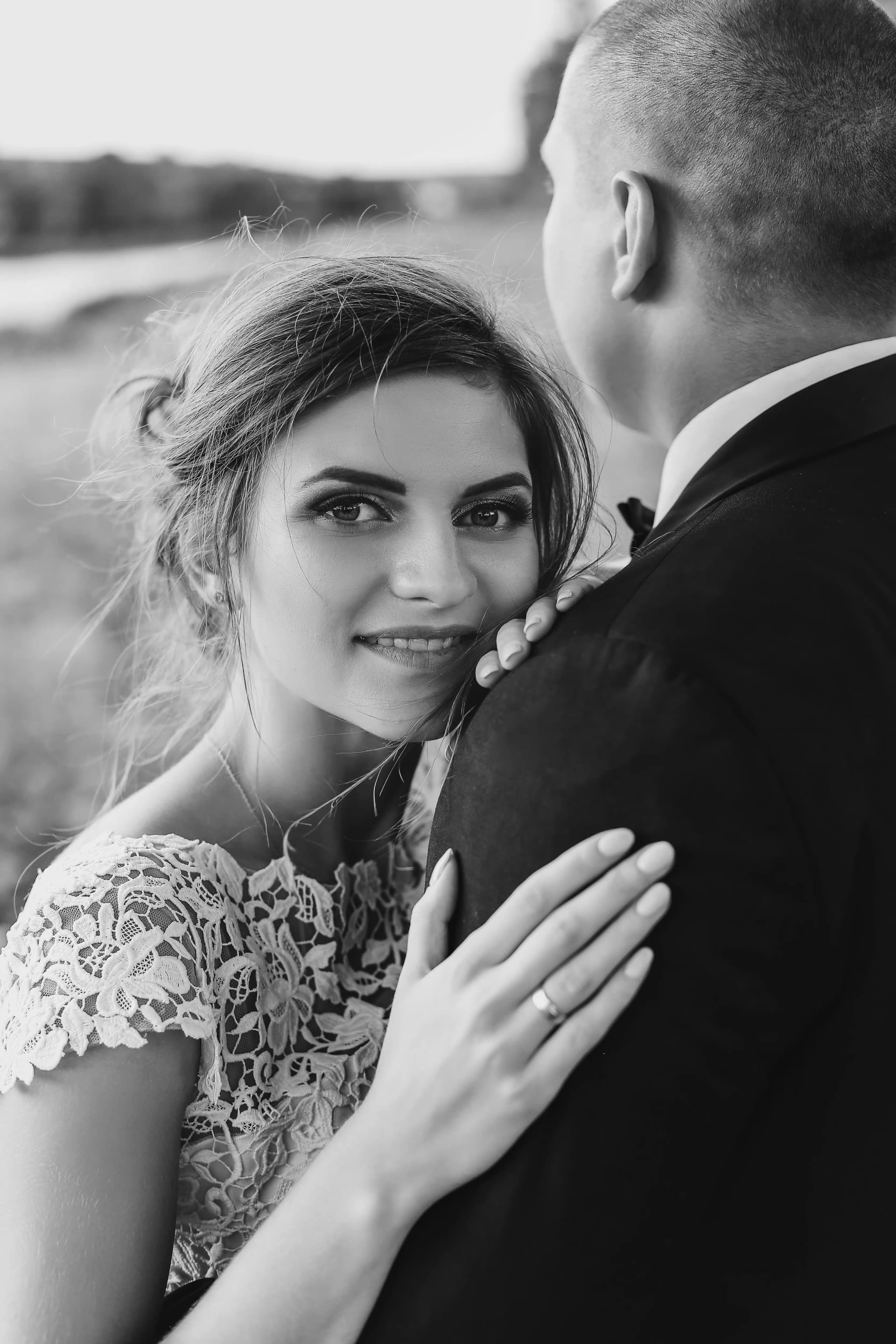
First Time Bride: 12 Common Planning Mistakes and How to Avoid Them
By Yana Skakun·13 March 2026·9 min read
Planning a wedding for the first time means making a large number of consequential decisions in a category where you have no prior experience. The result, predictably, is a consistent set of mistakes that most first-time couples make and most experienced couples — second marriages, wedding-industry professionals — don't. Here is what they know that most first-time brides and couples don't going in.
1. Planning to the Day, Not the Day Itself
Many couples spend most of their planning energy on the elements leading up to the wedding — the venue booking, the dress, the invitations, the flowers — and relatively little thinking carefully about how the day itself will flow. The moment the ceremony ends, a well-planned wedding runs on its own internal logic. Without deliberate attention to the day's sequence, timing, and guest experience, it relies on everyone improvising, which is exhausting and produces a chaotic atmosphere.
Build a detailed timeline for the wedding day itself — hour by hour, accounting for transitions, travel time if needed, and the inevitable ten-minute drift that happens in every part of the day. Share it with your coordinator, key family members, and all suppliers.
2. Inviting Obligation Lists Instead of People You Love
The social calculus of wedding guest lists creates a particular kind of pressure that is very specific to large traditional weddings: the obligation to invite people through family connections, professional relationships, and reciprocal social debts rather than genuine closeness. Many couples look at their finished guest list and realise they've invited 40 people they don't particularly know or care for, at significant cost, while limiting numbers for people who actually matter.
The guest list is the single most-negotiated element of most wedding plans. The first question to ask for any name is: if we added everyone else, would we include this person? If the answer is “not really,” they probably should not be invited.
3. Underestimating the Complexity of Catering
Wedding catering is among the most complex logistics of the event. The volume of food, the simultaneous service, the dietary requirements, the timing relative to speeches and the program — each element requires specific planning. Couples who don't engage seriously with the catering side of the planning frequently discover on the day that dinner runs two hours late, or that the service is cold by the time it reaches the far tables.
Have specific conversations with your catering team about service logistics, not just menu selection. Ask how they manage dietary requirements. Ask how they handle guests who are still at the bar when dinner is called.
4. Not Having a Weather Contingency
An outdoor ceremony element, an outdoor reception, a garden party drinks reception — without a confirmed wet weather alternative, the entire outdoor plan depends on English weather cooperating, which it reliably does not. Confirm a weather contingency with the venue before signing the contract. Know exactly what the alternative is, where it is, and how long it takes to set up. Brief key family members on the plan.
5. Believing You'll Manage Without a Coordinator
A wedding coordinator — even just a day-of coordinator who takes over the logistics from you for the final 24 hours — is one of the highest-value investments a couple can make. Without someone specifically empowered to manage the programme, logistics fall to the couple themselves (exhausting and wrong) or to obliging family members (which prevents them from actually enjoying the wedding as guests).
Even if you have planned everything yourself and feel confident in the logistics, the act of handing over control on the day itself to another person changes your experience of the event entirely.
6. Skimping on Photography to Save the Budget
This mistake is so common it has its own dedicated article. In brief: photography is the only part of the wedding budget that produces something permanent. The dress, flowers, food, and venue exist entirely in memory after the day — the photographs are what remain. Allocating the photography budget last, after everything else has been confirmed, frequently means there is not enough left for the quality worth having. Photography should be one of the first allocations, not the last adjustment.
7. Forgetting About Guests' Experience
The couple's experience of their wedding is almost always wonderful — it is a day designed entirely around them, full of the people they love most. Guest experience is more variable, and it is worth thinking about deliberately. Are guests who don't know each other being seated together without introduction? Is there a significant gap between the ceremony and the meal that leaves guests standing around without entertainment or conversation? Are there clear directions between different areas of the venue?
8. Doing Hair and Makeup in the Wrong Order
The bride's hair and makeup should typically be completed last — just before departure for the ceremony, not two hours before while bridesmaids are still in the chair. Having photographs of a freshly finished look requires the finishing to happen close to photography time. Brief your hair and makeup artists at the booking stage on the order of service and make sure the bride's appointment is last.
9. Over-Scheduling the Day
An overscheduled wedding day creates constant tension between “where we should be” and “where we actually are” — because things run late. Every element: the ceremony, the group photographs, the meal service. Build buffer time into the timeline. A day that runs slightly ahead of schedule feels relaxed; a day that runs ten minutes late from the ceremony onward feels increasingly stressful throughout.
10. Not Eating or Drinking Enough
Wedding days are physically demanding: long periods of standing, significant emotional intensity, no scheduled meal times for several hours. Many couples arrive at their reception dinner having eaten nothing since early morning — which, in combination with champagne toasts, produces the specific exhaustion and emotional instability that makes many couples feel oddly flat by the middle of the evening. Eat a real breakfast. Ask someone to bring you food during the drinks reception. Drink water. These are not romantic suggestions, but they are practical ones.


Yana Skakun
Photographer · England
Professional wedding, family and portrait photographer based in England. Passionate about capturing authentic emotions and timeless moments.
About Yana →first time bride mistakeswedding planning mistakes to avoidfirst wedding planning guide ukcommon bride mistakes
Wedding Tips — Wedding Photography in Cambridge & England
Yana Skakun is a professional wedding photographer based in Cambridge, covering weddings across England — from intimate elopements to full-day ceremonies at country houses, barns, and city venues. Every couple receives a relaxed, documentary approach that captures the day as it truly unfolds. This guide — First Time Bride: 12 Common Planning Mistakes and How to Avoid Them — is part of the photography journal: practical, experience-based advice drawn from real sessions across England. Whether you arrived searching for first time bride mistakes or wedding planning mistakes to avoid, the same care and attention shapes every session Yana photographs.
Wedding Photography sessions are available year-round, with bookings open across Cambridge, Ely, Huntingdon, Peterborough, and further afield — East England, London, the Midlands, and beyond. If you have specific questions about first wedding planning guide uk, mention it in your enquiry. Get in touch through the contact form above to check availability and discuss your session. Enquiries are welcomed from anywhere in the UK.
Frequently Asked Questions
How much does a wedding photographer cost in England?+
Wedding photography in England typically ranges from £1,500 to £4,000+ for a full day. Price depends on experience, coverage hours, and whether albums or engagement shoots are included. Most photographers charge between £2,000–£3,000 for 8–10 hours of coverage.
How early should you book a wedding photographer?+
For peak season (May–September), book 12–18 months in advance. For autumn and winter weddings, 9–12 months is usually sufficient. Popular photographers at popular venues fill up fast — as soon as you have a date and venue confirmed, start reaching out.
How many photos do you get from a wedding photographer?+
Most professional wedding photographers deliver 400–800 edited images for a full-day wedding. The exact number depends on coverage hours, how many guests there are, and the photographer's editing style. Quality matters more than quantity — a curated gallery of 500 images tells the story better than 1,500 unedited files.
Do you need a second photographer at your wedding?+
A second photographer is helpful if you want simultaneous coverage of getting-ready moments in different locations, multiple angles during the ceremony, or more candid coverage during the reception. It adds cost but significantly increases the variety and completeness of your gallery.
What is the difference between documentary and editorial wedding photography?+
Documentary (reportage) wedding photography captures moments as they happen — the photographer observes and doesn't intervene. Editorial photography involves deliberate direction: placing you in good light, shaping compositions, creating intentional portraits. Most photographers blend both styles throughout the day.
Continue Reading
Related Articles

Wedding Tips
Sustainable Eco-Friendly Wedding Guide — Planning a Green Celebration
15 min read · Read Article
Wedding Tips
Trash the Dress Session — Complete Planning and Photography Guide
14 min read · Read Article
Wedding Tips
Client Communication for Photographers — From Enquiry to Gallery Delivery
15 min read · Read Article
Get in Touch
Ready to Book Your Session?
Get in touch to discuss your vision — I'll reply within 24 hours.