Yana Skakun

How to Legally Get Married in Italy: A Guide for UK Couples
By Yana Skakun·10 June 2026·6 min read
I've photographed enough Tuscan terraces and lakeside villas to know that the dream of an Italian wedding is very real for British couples — and so is the paperwork that comes with it. If you're planning to get married in Italy from the UK, the legal side is genuinely manageable once you understand the sequence. Here's the honest, practical guide I share with my couples back home in Cambridge before they fall too deeply for that olive grove.
Civil, Catholic or Symbolic: Decide First
The single biggest decision is what kind of ceremony you actually want, because it changes everything that follows. A civil ceremony in front of an Italian registrar is fully legally binding and recognised back home the moment you return. A Catholic or religious ceremony can also be legally valid, but it requires extra coordination with your parish in the UK and the church in Italy. A symbolic ceremony carries no legal weight at all — many of my couples legally marry quietly in their local register office in Cambridgeshire or Suffolk, then have the "real" celebration in Italy.
That last route is wildly popular and I understand why. It removes almost all the bureaucratic stress, lets you say your vows exactly as you wish, and frees your Italian day to be purely about the view, the food and the people. If legal-in-Italy matters to you for sentimental reasons, that's lovely too — just go in knowing it takes more lead time.
The Core Documents You'll Need
For a legally binding civil wedding in Italy, UK couples must assemble a specific set of papers. The exact requirements vary slightly by comune (town hall), so always confirm with your chosen venue's local authority, but the backbone is consistent across the country.
- ◆Valid passports: Both partners need current British passports, with at least six months' validity beyond your wedding date to be safe.
- ◆Full birth certificates: The long-form version showing parents' names, not the short abstract — order early from the GRO if you've misplaced yours.
- ◆Certificate of No Impediment: Issued by your local register office after 28 days' public notice; this proves you're both free to marry.
- ◆Legalisation (apostille): UK documents must be apostilled by the FCDO so Italian authorities accept them as genuine.
- ◆Sworn translations: Apostilled papers need official Italian translation, often arranged through your wedding planner or the Italian consulate.
- ◆Declaration at the consulate: Some comuni require a Nulla Osta or a sworn declaration made before Italian officials shortly before the date.
It looks like a lot written down, but in practice it's a steady checklist rather than a scramble. Start the Certificate of No Impediment process first, because that 28-day notice period is the part you cannot rush.
Do You Need to Be a Resident?
Here's the good news that surprises most people: you do not need to be an Italian resident to marry there, and there's no minimum stay required for a civil ceremony. You can fly out a few days before, complete the formalities, marry, and fly home. That said, I always recommend arriving at least two or three working days ahead so you can attend any required appointment at the town hall and sign the declaration in person.
Post-Brexit, UK citizens travel to Italy visa-free for up to 90 days in any 180-day period, which comfortably covers a wedding trip. Do keep an eye on the forthcoming EU entry requirements (ETIAS), as the rules have been shifting — check the latest gov.uk travel advice before booking flights, especially if guests are coming over from Ely, Bury St Edmunds or wherever your nearest and dearest are based.
Timing, Regions and the Weather Reality
Begin the legal groundwork around three to four months before the wedding. The apostille and translation steps each take a couple of weeks, and consulates get busy in spring as everyone races toward summer dates. A good local wedding planner in Italy is worth every euro here — they liaise with the comune, book the registrar, and handle the translations so you're not deciphering Italian bureaucracy from a kitchen table in the Fens.
On regions: Tuscany and Lake Como are the classics, Puglia is the rising star, and the Amalfi Coast delivers the drama. But think about heat. July and August in central and southern Italy are genuinely fierce, far hotter than anything we're used to after a damp English spring. May, June and September give you golden light, kinder temperatures and far happier guests — and, selfishly as your photographer, far better light for portraits than a harsh midday August sun.
Registering the Marriage Back Home
A marriage legally performed in Italy is automatically recognised in the UK — you don't need to re-register it here. You'll be given an Italian marriage certificate, ideally an international (multilingual) version, which you can use for changing your name, updating documents and any official purpose back in England.
My one piece of advice: request several certified copies before you leave Italy, because obtaining them later from the UK is slow and frustrating. Keep one safe with your passports and you'll have everything you need for that satisfying moment of becoming officially, gloriously married — with the photographs to prove it.
Dreaming of an Italian wedding with someone who knows the light?
I travel from Cambridge to destinations across Italy and beyond. If you'd like unhurried, story-led photographs of your day under the Tuscan sun, let's talk dates.
Check Your Date →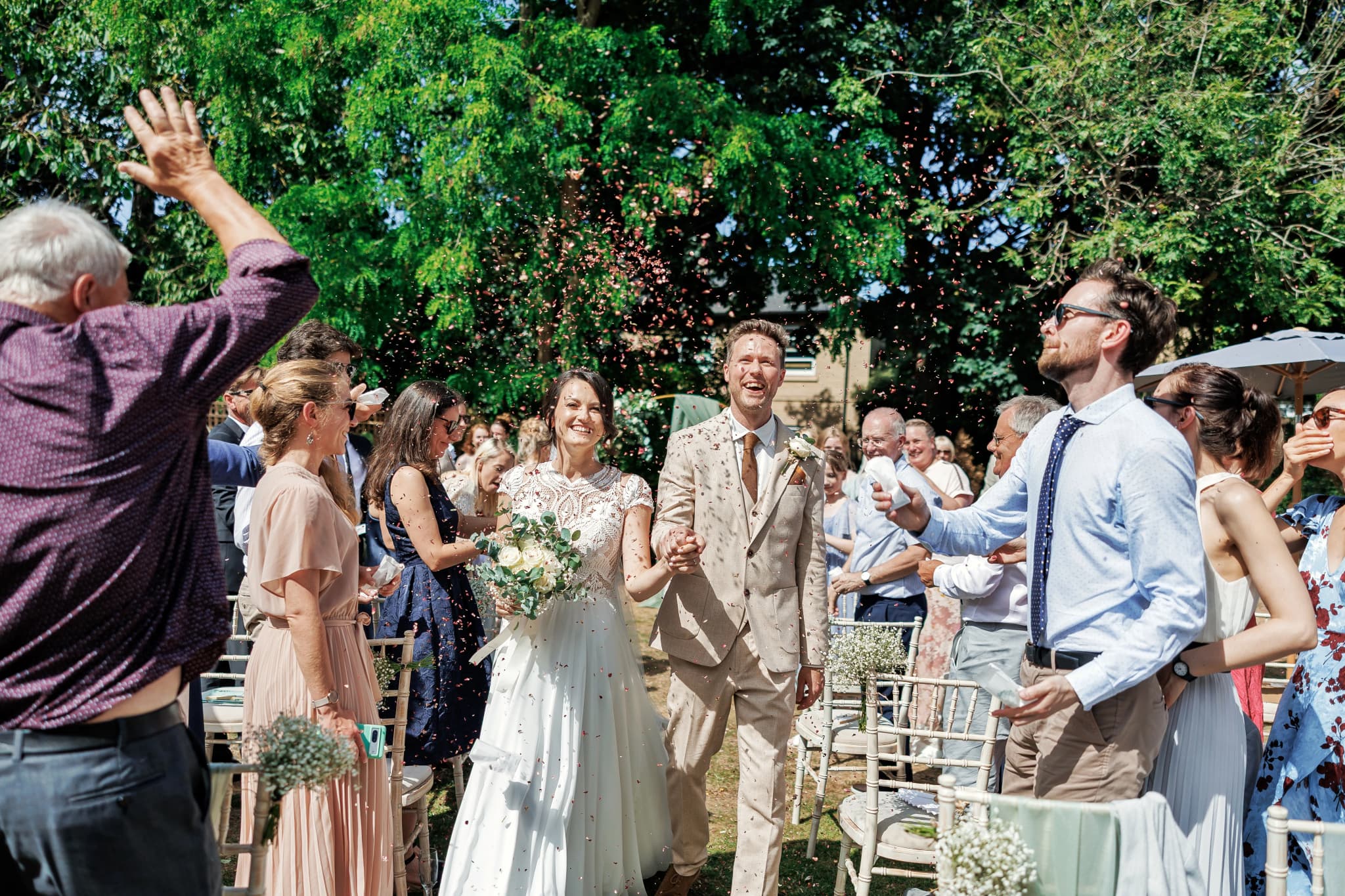


Yana Skakun
Photographer · England
Professional wedding, family and portrait photographer based in England. Passionate about capturing authentic emotions and timeless moments.
About Yana →gettingmarrieditalyuk
Wedding Planning — Professional Photography in Cambridge & England
Yana Skakun is a professional photographer based in Cambridge, covering weddings, families, and portraits across England. Every session is personal — planned around your story, your people, and the moments that matter most. This guide — How to Legally Get Married in Italy: A Guide for UK Couples — is part of the photography journal: practical, experience-based advice drawn from real sessions across England. Whether you arrived searching for getting or married, the same care and attention shapes every session Yana photographs.
Professional Photography sessions are available year-round, with bookings open across Cambridge, Ely, Huntingdon, Peterborough, and further afield — East England, London, the Midlands, and beyond. If you have specific questions about italy, mention it in your enquiry. Get in touch through the contact form above to check availability and discuss your session. Enquiries are welcomed from anywhere in the UK.
Frequently Asked Questions
What camera settings should I use for outdoor portraits?+
For outdoor portraits, shoot in aperture priority mode. Use a wide aperture (f/1.8–f/2.8) to blur the background and isolate your subject. Keep ISO as low as possible in good light. In bright conditions, use a neutral density filter or switch to manual to avoid overexposure at wide apertures.
What is the golden hour in photography?+
Golden hour is the period roughly 30–60 minutes after sunrise and before sunset. The sun is low in the sky, producing warm, soft, directional light that flatters skin tones and creates beautiful long shadows. It's widely considered the best natural light for portrait and outdoor photography.
How do you get sharp photos in low light?+
In low light, increase your ISO (accepting some grain), use the widest aperture your lens allows, and slow your shutter speed to the slowest you can hand-hold without camera shake (roughly 1/focal length as a guide). Use image stabilisation if available, and consider a tripod for static subjects.
What is the rule of thirds in photography?+
The rule of thirds divides the frame into a 3×3 grid. Placing your subject on one of the four intersection points — rather than dead centre — creates a more dynamic, visually interesting composition. It's a guideline, not a rule: some of the most powerful images break it deliberately.
How do you edit photos to look professional?+
Professional editing starts with shooting in RAW format. In Lightroom or similar software, correct exposure, white balance, and contrast first. Recover shadow and highlight detail. Apply gentle colour grading for mood. Be conservative with skin retouching — the goal is natural enhancement, not transformation. Consistency across a set of images is what separates professional from amateur editing.


Get in Touch
Ready to Book Your Session?
Get in touch to discuss your vision — I'll reply within 24 hours.