Yana Skakun

How to Plan a Vow Renewal Ceremony in the UK (Step-by-Step)
By Yana Skakun·10 June 2026·6 min read
A vow renewal is one of the most quietly moving days I photograph. There's no nervous "will the rings turn up" energy and no anxious in-laws meeting for the first time — just two people who have already weathered a few storms together, choosing each other again on purpose. Whether you're marking five years or thirty-five, here's exactly how to plan a vow renewal in the UK, step by step, from someone who has stood behind the camera at dozens of them across Cambridgeshire and beyond.
Decide what the day actually means to you
The first thing worth saying is the most freeing: a vow renewal has no legal status in England, Wales, Scotland or Northern Ireland. You're already married, so there are no banns to read, no registrar to book and no licence to apply for. That means you can hold your ceremony absolutely anywhere — a beach in Norfolk, your own back garden, a barn in Suffolk, or the spot where you got engaged. The rules that constrain a first wedding simply don't apply.
Before you book anything, talk together about the tone. Some couples want a full re-do with sixty guests and a sit-down meal; others want something tiny and tearful with just their children present. Neither is more "correct". The most memorable renewals I've shot were the ones where the couple knew precisely why they were doing it — and let that shape every other decision rather than copying a traditional wedding template.
Choose your timing, season and location
Without registrar availability dictating your date, you have real flexibility. Many couples pick a meaningful anniversary, but I'd gently nudge you to think about British weather too. If you're dreaming of an outdoor ceremony, late May through early September gives you the best odds of dry, golden-hour light across the East of England. Spring brings blossom; autumn brings those warm amber tones that photograph beautifully but cooler evenings, so plan for blankets and an earlier start.
Location-wise, you genuinely aren't limited to licensed wedding venues. I've photographed renewals in National Trust gardens, on the meadows by the Cam in Cambridge, in village halls, and in family homes filled with fairy lights. If you do want the polish of a formal venue, Cambridgeshire and Suffolk are spoilt for choice with restored barns and country houses that happily host non-legal ceremonies, often at a lower cost than a full wedding package because no registrar slot is involved.
One practical tip: always confirm in writing what an outdoor venue offers as a wet- weather backup. A renewal in the rain can still be magical, but only if there's a dry, attractive space to retreat to rather than a frantic last-minute scramble.
Build your ceremony — the words matter most
Because nothing is legally prescribed, the ceremony itself is the heart of the day and entirely yours to write. You can ask a celebrant to lead it, invite a close friend to officiate, or simply stand together and speak. Independent celebrants are wonderful for this — they'll weave in your story, your years together and even your children, and they're widely available throughout the East of England.
The vows are where couples often surprise themselves. This time you're not promising an unknown future; you're acknowledging a shared past. The strongest renewal vows I've heard reference specific memories — the redundancy you got through, the sleepless newborn nights, the house move that nearly broke you. Keep them honest rather than grand. A ring-warming, a sand or candle ritual, or a letter exchange can add a lovely tactile moment, but never feel obliged to fill the ceremony with set pieces.
Your step-by-step planning checklist
Once the meaning, date and location are settled, the logistics fall into a simple sequence. Here's the order I'd work through, roughly six to nine months out for a larger celebration, or as little as a few weeks for an intimate one.
- ◆Set the budget: Agree a realistic figure first; renewals often cost far less than a wedding because there's no registrar fee or large bridal party to dress.
- ◆Lock the location: Confirm availability, the wet-weather plan and whether they allow non-legal ceremonies and external celebrants.
- ◆Book the key people: Secure your celebrant and photographer early — we book up fastest, especially for summer Saturdays in Cambridgeshire and Suffolk.
- ◆Write your vows: Draft them weeks ahead, not the night before; read them aloud to check the length and the lump-in-throat moments.
- ◆Plan the guest experience: Decide on numbers, invitations, food and any toasts; smaller renewals suit a relaxed lunch or afternoon tea beautifully.
- ◆Sort the finishing touches: Outfits, rings or a re-engraving, flowers, music and a simple running order so the day flows without anyone wondering what's next.
Capturing the day so it lasts
Here's where I'm biased, but honestly so: the emotion at a vow renewal runs deeper than at many first weddings, and it moves fast. Children watching their parents cry, an older couple's hands shaking slightly as they exchange rings again — those moments are gone in seconds. Good photography isn't about posing; it's about being quietly ready when your daughter wipes away a tear or your husband forgets his line and laughs.
Practically, brief whoever is photographing on the running order and the people who matter most, and protect a little time for portraits in the best light — usually the hour before sunset. If your renewal is small, even a short coverage of an hour or two is plenty to come away with images you'll actually print and hang. After all, the whole point of the day is to remember why you chose each other — and a wall of photographs does exactly that, every single morning.
Planning a vow renewal in Cambridgeshire or beyond?
I'd love to hear your story and help you capture the day naturally and without fuss. Get in touch to check my availability and we'll take it from there.
Check Your Date →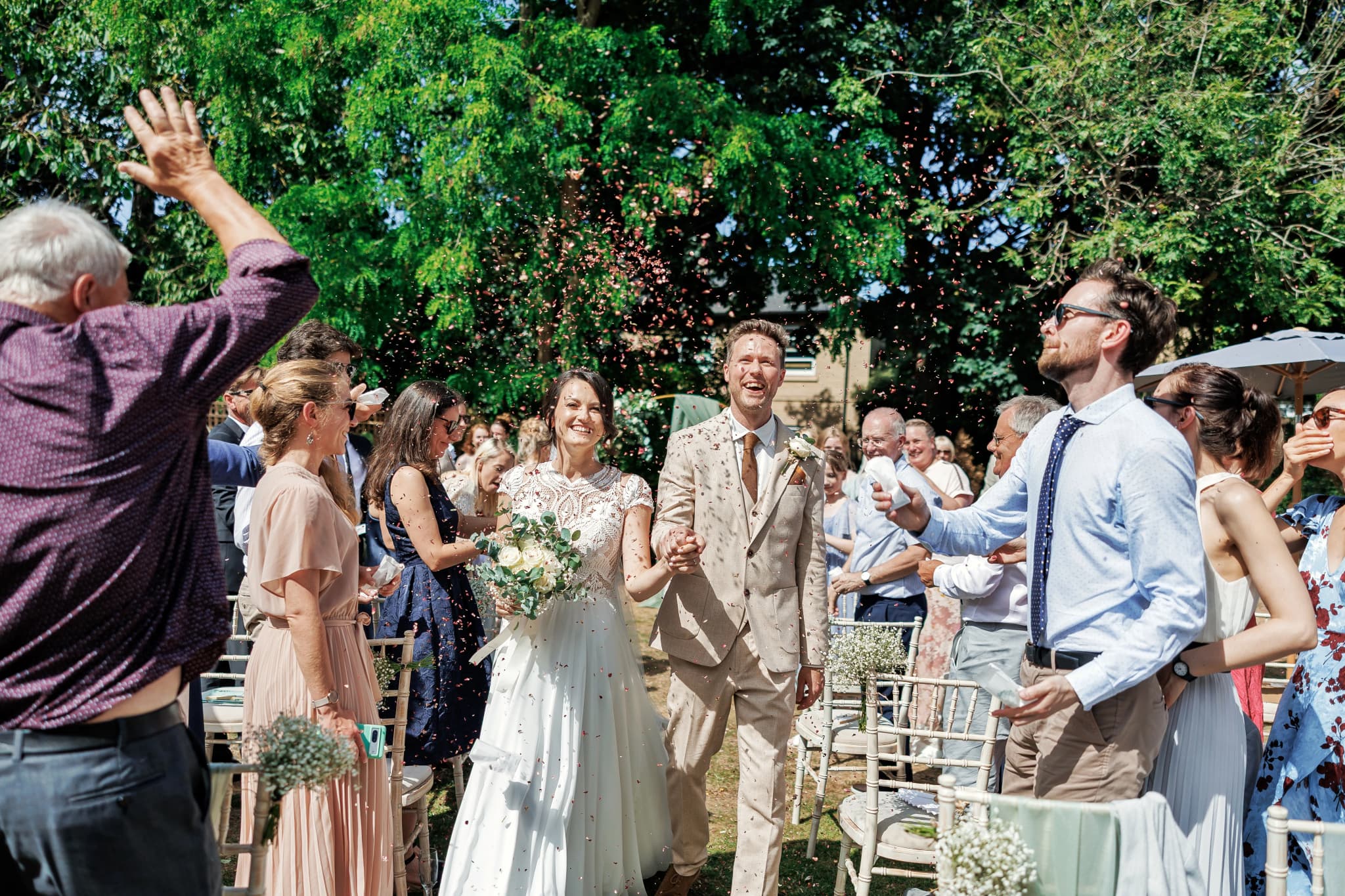

Yana Skakun
Photographer · England
Professional wedding, family and portrait photographer based in England. Passionate about capturing authentic emotions and timeless moments.
About Yana →vowrenewalukceremony
Wedding Planning — Professional Photography in Cambridge & England
Yana Skakun is a professional photographer based in Cambridge, covering weddings, families, and portraits across England. Every session is personal — planned around your story, your people, and the moments that matter most. This guide — How to Plan a Vow Renewal Ceremony in the UK (Step-by-Step) — is part of the photography journal: practical, experience-based advice drawn from real sessions across England. Whether you arrived searching for vow or renewal, the same care and attention shapes every session Yana photographs.
Professional Photography sessions are available year-round, with bookings open across Cambridge, Ely, Huntingdon, Peterborough, and further afield — East England, London, the Midlands, and beyond. If you have specific questions about uk, mention it in your enquiry. Get in touch through the contact form above to check availability and discuss your session. Enquiries are welcomed from anywhere in the UK.
Frequently Asked Questions
What camera settings should I use for outdoor portraits?+
For outdoor portraits, shoot in aperture priority mode. Use a wide aperture (f/1.8–f/2.8) to blur the background and isolate your subject. Keep ISO as low as possible in good light. In bright conditions, use a neutral density filter or switch to manual to avoid overexposure at wide apertures.
What is the golden hour in photography?+
Golden hour is the period roughly 30–60 minutes after sunrise and before sunset. The sun is low in the sky, producing warm, soft, directional light that flatters skin tones and creates beautiful long shadows. It's widely considered the best natural light for portrait and outdoor photography.
How do you get sharp photos in low light?+
In low light, increase your ISO (accepting some grain), use the widest aperture your lens allows, and slow your shutter speed to the slowest you can hand-hold without camera shake (roughly 1/focal length as a guide). Use image stabilisation if available, and consider a tripod for static subjects.
What is the rule of thirds in photography?+
The rule of thirds divides the frame into a 3×3 grid. Placing your subject on one of the four intersection points — rather than dead centre — creates a more dynamic, visually interesting composition. It's a guideline, not a rule: some of the most powerful images break it deliberately.
How do you edit photos to look professional?+
Professional editing starts with shooting in RAW format. In Lightroom or similar software, correct exposure, white balance, and contrast first. Recover shadow and highlight detail. Apply gentle colour grading for mood. Be conservative with skin retouching — the goal is natural enhancement, not transformation. Consistency across a set of images is what separates professional from amateur editing.


Get in Touch
Ready to Book Your Session?
Get in touch to discuss your vision — I'll reply within 24 hours.