Yana Skakun

Humanist Wedding Timeline UK: A Flexible Ceremony Schedule
By Yana Skakun·10 June 2026·6 min read
A humanist ceremony is the one part of your wedding day that belongs entirely to you — no fixed liturgy, no set start time, no rules about what can be said or sung. That freedom is wonderful, but it also means your humanist wedding timeline needs a little more thought than a standard church or registrar slot. After photographing celebrations across Cambridgeshire, Suffolk and the wider East of England, I've learned that the most relaxed days are the ones built deliberately around the ceremony, not squeezed in beside it.
Why Humanist Ceremonies Change the Whole Day
Unlike a civil ceremony, a humanist wedding isn't legally binding in England and Wales, so most couples sign the legal paperwork separately — often a quiet two-minute registry appointment in the days before, or a brief registrar visit on the morning itself. This decoupling is the single biggest planning quirk, and it's also a gift: it means the celebrant ceremony can happen at any hour, in almost any location, and run for exactly as long as feels right.
In practice that frees you from the rigid 1pm or 2pm registrar window that dictates so many traditional schedules. I've photographed humanist vows under an oak at golden hour, in a barn at midday, and in a wildflower meadow near Newmarket as the light softened. Your celebrant will craft something deeply personal — readings chosen by friends, stories about how you met, perhaps a handfasting or a wine-blending ritual — so the ceremony itself tends to run twenty-five to forty minutes rather than the brisk fifteen of a register office.
A Flexible Sample Timeline
There's no single correct running order, but a structure helps everyone — your suppliers especially — know where to be. Below is a relaxed shape I see working beautifully time and again. Treat it as scaffolding rather than scripture, and slide the ceremony to wherever the light and your nerves prefer.
- ◆Morning prep (from 9am): Hair, make-up and quiet getting-ready coverage. A humanist day rarely needs an early start, so resist the temptation to begin at dawn.
- ◆Guests arrive (45 mins before): A longer welcome window than a church allows time for arrivals drinks, especially if the venue is rural and guests are driving in from afar.
- ◆The ceremony (30-40 mins): Personal vows, chosen readings and any ritual. Schedule it for early afternoon, or late afternoon in summer to catch warmer light.
- ◆Celebration drinks (90 mins): Generous and unhurried. This is where the relaxed atmosphere of a humanist day really lands for everyone.
- ◆Wedding breakfast & speeches: Often merged with speeches between courses to keep momentum and ease nerves.
- ◆Golden hour & first dance: Slip away for ten minutes of couple portraits as the sun drops, then back for dancing.
Timing the Ceremony Around British Light and Weather
Because you can choose your ceremony time, choose it for the light. In high summer across East Anglia the sun doesn't set until well past 9pm, so a 4pm or even 5pm ceremony still leaves a long, golden evening. In autumn and winter that flips entirely — sunset around Cambridge in late October falls near 6pm, so an early-afternoon ceremony protects your daylight portraits.
Weather is the other British constant worth planning for. Many of the loveliest humanist ceremonies happen outdoors, but our skies are unreliable, so always agree a wet-weather plan with your venue and celebrant in advance. A barn, orangery or a simple gazebo means a passing shower never derails the schedule. I always build a small buffer of fifteen minutes into outdoor days precisely so we can pause, let a cloud move through, and carry on unbothered.
If you're marrying in a converted barn or a marquee in the Suffolk countryside, factor in the walk between spaces too. Rural venues are gorgeous but spread out, and a five-minute amble across a paddock between ceremony and drinks is time worth accounting for rather than discovering on the day.
Building in Breathing Room
The defining feature of a good humanist timeline is space. Civil ceremonies are often back-to-back at busy register offices, but your day has no such pressure, so use that. I gently encourage couples to over-allocate the drinks reception — an hour and a half rather than an hour — because that's when the day genuinely breathes. Guests mingle, you actually speak to people, and there's room for group photographs without anyone feeling rushed.
That generosity pays off in the photographs too. When you're not glancing at your watch, your shoulders drop, and it shows. Some of my favourite frames from Cambridgeshire weddings come from those unhurried in-between moments: a quiet laugh during canapés, a parent watching from the edge of the lawn, a couple stealing a minute alone before the speeches.
Coordinating Your Suppliers
Because the legal and celebratory elements are separate, clear communication matters more than usual. Make sure your celebrant, venue coordinator, caterer and photographer all share one running order a fortnight before the day. The celebrant in particular will want to know your ceremony slot early so they can rehearse pacing — a personalised script with three readings runs differently to one with vows alone.
I'll always ask for a draft timeline a couple of weeks ahead and offer to tweak it, because I know from experience where the pinch points hide: the gap between ceremony and group shots, the daylight needed for couple portraits, the moment the band needs for soundcheck. A humanist day gives you the freedom to design something truly yours — a little coordination simply makes sure that freedom feels effortless rather than uncertain.
Planning a humanist celebration in Cambridgeshire or beyond?
I'd love to help you shape a relaxed, personal timeline and capture every unhurried moment of it. Let's talk through your date and your venue.
Check Your Date →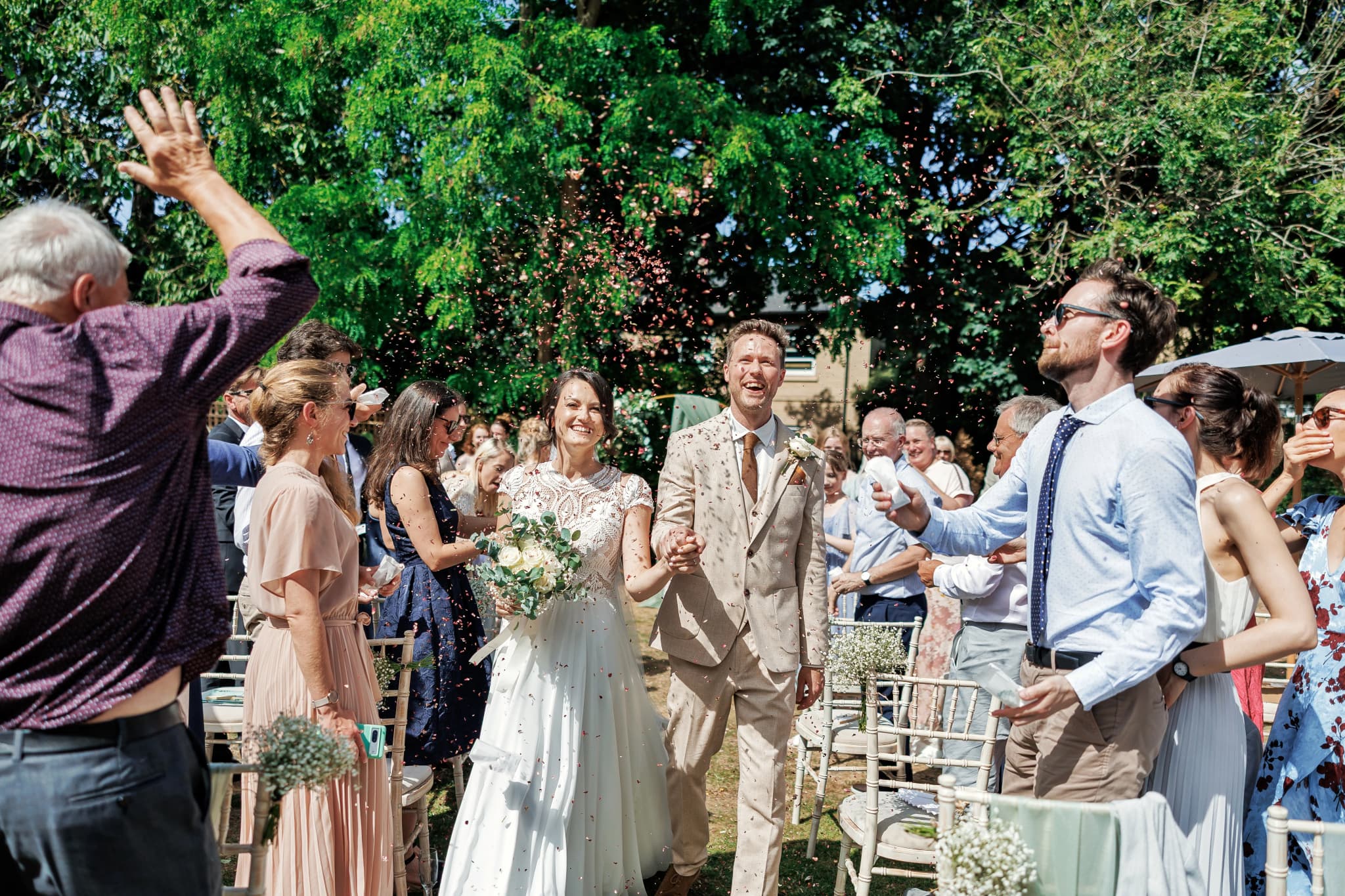

Yana Skakun
Photographer · England
Professional wedding, family and portrait photographer based in England. Passionate about capturing authentic emotions and timeless moments.
About Yana →humanistweddingtimelineuk
Wedding Planning — Professional Photography in Cambridge & England
Yana Skakun is a professional photographer based in Cambridge, covering weddings, families, and portraits across England. Every session is personal — planned around your story, your people, and the moments that matter most. This guide — Humanist Wedding Timeline UK: A Flexible Ceremony Schedule — is part of the photography journal: practical, experience-based advice drawn from real sessions across England. Whether you arrived searching for humanist or wedding, the same care and attention shapes every session Yana photographs.
Professional Photography sessions are available year-round, with bookings open across Cambridge, Ely, Huntingdon, Peterborough, and further afield — East England, London, the Midlands, and beyond. If you have specific questions about timeline, mention it in your enquiry. Get in touch through the contact form above to check availability and discuss your session. Enquiries are welcomed from anywhere in the UK.
Frequently Asked Questions
What camera settings should I use for outdoor portraits?+
For outdoor portraits, shoot in aperture priority mode. Use a wide aperture (f/1.8–f/2.8) to blur the background and isolate your subject. Keep ISO as low as possible in good light. In bright conditions, use a neutral density filter or switch to manual to avoid overexposure at wide apertures.
What is the golden hour in photography?+
Golden hour is the period roughly 30–60 minutes after sunrise and before sunset. The sun is low in the sky, producing warm, soft, directional light that flatters skin tones and creates beautiful long shadows. It's widely considered the best natural light for portrait and outdoor photography.
How do you get sharp photos in low light?+
In low light, increase your ISO (accepting some grain), use the widest aperture your lens allows, and slow your shutter speed to the slowest you can hand-hold without camera shake (roughly 1/focal length as a guide). Use image stabilisation if available, and consider a tripod for static subjects.
What is the rule of thirds in photography?+
The rule of thirds divides the frame into a 3×3 grid. Placing your subject on one of the four intersection points — rather than dead centre — creates a more dynamic, visually interesting composition. It's a guideline, not a rule: some of the most powerful images break it deliberately.
How do you edit photos to look professional?+
Professional editing starts with shooting in RAW format. In Lightroom or similar software, correct exposure, white balance, and contrast first. Recover shadow and highlight detail. Apply gentle colour grading for mood. Be conservative with skin retouching — the goal is natural enhancement, not transformation. Consistency across a set of images is what separates professional from amateur editing.


Get in Touch
Ready to Book Your Session?
Get in touch to discuss your vision — I'll reply within 24 hours.