Yana Skakun

Interfaith Weddings: Photographing Two Ceremonies in One Day
By Yana Skakun·10 June 2026·6 min read
Some of the most moving weddings I've photographed across Cambridgeshire and Suffolk have been interfaith celebrations — two families, two traditions, often two ceremonies, all woven into a single day. There is a particular kind of beauty in watching a couple honour both of their heritages without asking either to step aside. But photographing it well takes more than a good eye; it takes planning, cultural sensitivity, and a timeline that gives both ceremonies the air they deserve. Here is how I approach interfaith wedding photography so that nothing — and no one — gets rushed.
Why two ceremonies change everything about the timeline
A single-ceremony wedding has a natural rhythm: preparation, ceremony, drinks, breakfast, speeches, dancing. An interfaith day often doubles the front half. You might have a morning Hindu ceremony with a mandap and fire, followed by a Christian blessing in the afternoon, or a Jewish chuppah after a Sikh Anand Karaj. Each tradition has its own length, its own non-negotiable moments, and its own emotional peak. If you treat the second ceremony as an afterthought, the photographs show it.
The first thing I do when a couple books me for an interfaith wedding is sit down — usually over coffee in Cambridge or on a long video call — and map both ceremonies hour by hour. I want to know how long each one genuinely runs, not the optimistic estimate. Hindu ceremonies, for instance, can stretch well beyond their printed schedule once the rituals begin, and that ripple affects everything after it. Building in honest buffers is the single most useful thing a photographer can do for an interfaith day.
Learning the moments that matter in each tradition
I never walk into a ceremony I don't understand. Before the day, I research the specific rituals each family observes, and I ask the couple which moments carry the most weight for them. The saptapadi (seven steps) in a Hindu wedding, the breaking of the glass at a Jewish ceremony, the exchange of garlands, the signing of a register — these are the frames a family will return to for decades. Knowing they're coming means I'm already in position rather than reacting late.
It also helps me photograph respectfully. Some traditions ask that you don't stand with your back to an altar or shrine; some have moments where a discreet long lens is far kinder than stepping into the aisle. When in doubt, I speak to the officiant or a knowledgeable family elder beforehand. That five-minute conversation has saved me from countless awkward moments and earned the trust of families who were understandably protective of their customs.
A sample interfaith wedding timeline
No two interfaith days look the same, but couples often find it helpful to see how the hours can be shaped. Here is a structure I've used successfully for a morning-and-afternoon pairing at a country venue in the East of England, with built-in margins for the inevitable overruns.
- ◆8:30 am — Getting ready: I cover both partners' preparations where possible, often with a second shooter so neither side is missed. Mehndi details, heirloom jewellery and quiet pre-ceremony nerves all belong here.
- ◆10:30 am — First ceremony: The morning tradition runs in full. I shoot the key rituals tightly and the guests' reactions widely, leaving the couple undisturbed within the ceremony itself.
- ◆12:30 pm — Breathing space and outfit change: Many couples change attire between faiths. This gap is gold for relaxed portraits before the energy ramps up again.
- ◆2:00 pm — Second ceremony: The afternoon tradition, given the same care and coverage as the first. I treat it as a fresh event, not a sequel.
- ◆4:00 pm — Couple and family portraits: With both ceremonies complete, we gather everyone while the light is generous. A printed family-group list keeps this brisk and stress-free.
- ◆6:00 pm — Reception and celebration: Speeches, food and dancing that blend both cultures — often the most joyful, photogenic part of the entire day.
Light, venues and the British weather
Two ceremonies in one day often means two very different lighting situations. A morning Hindu ceremony might happen outdoors under a mandap, bathed in soft daylight, while the afternoon blessing could be inside a dim Cambridgeshire chapel or a marquee with patchy sunlight. I carry the kit and the experience to move between these without missing a beat, but I also flag potential trouble spots during the planning call so couples can make informed choices about where each ceremony is held.
Then there is our reliably unreliable weather. I always plan an interfaith day assuming the East Anglian sky might turn at any moment. Venues in Suffolk and Cambridgeshire with both a sheltered indoor option and a pretty courtyard or garden give us flexibility for portraits between ceremonies. If rain arrives mid-afternoon, we adapt rather than panic — some of my favourite portraits have come from a sudden dash under a beautiful old porch.
Telling one story from two traditions
When I deliver an interfaith gallery, my goal is a single, coherent story — not two separate weddings stapled together. I look for the threads that connect the day: a parent who weeps in both ceremonies, the way two families gradually merge into one crowd, a child running between the mandap and the chapel. Those quiet links are what make an interfaith album feel whole.
Above all, I want both sets of grandparents to open the album and feel that their tradition was seen, understood and honoured. That is the real measure of interfaith wedding photography done well. It isn't about ticking off rituals; it's about capturing the generosity of two families choosing to celebrate love on equal terms, under one roof, on one unforgettable day.
Planning an interfaith wedding in Cambridgeshire or beyond?
I'd love to hear about both of your traditions and help shape a timeline that gives each ceremony the care it deserves. Let's talk through your day and make sure every moment is captured beautifully.
Check Your Date →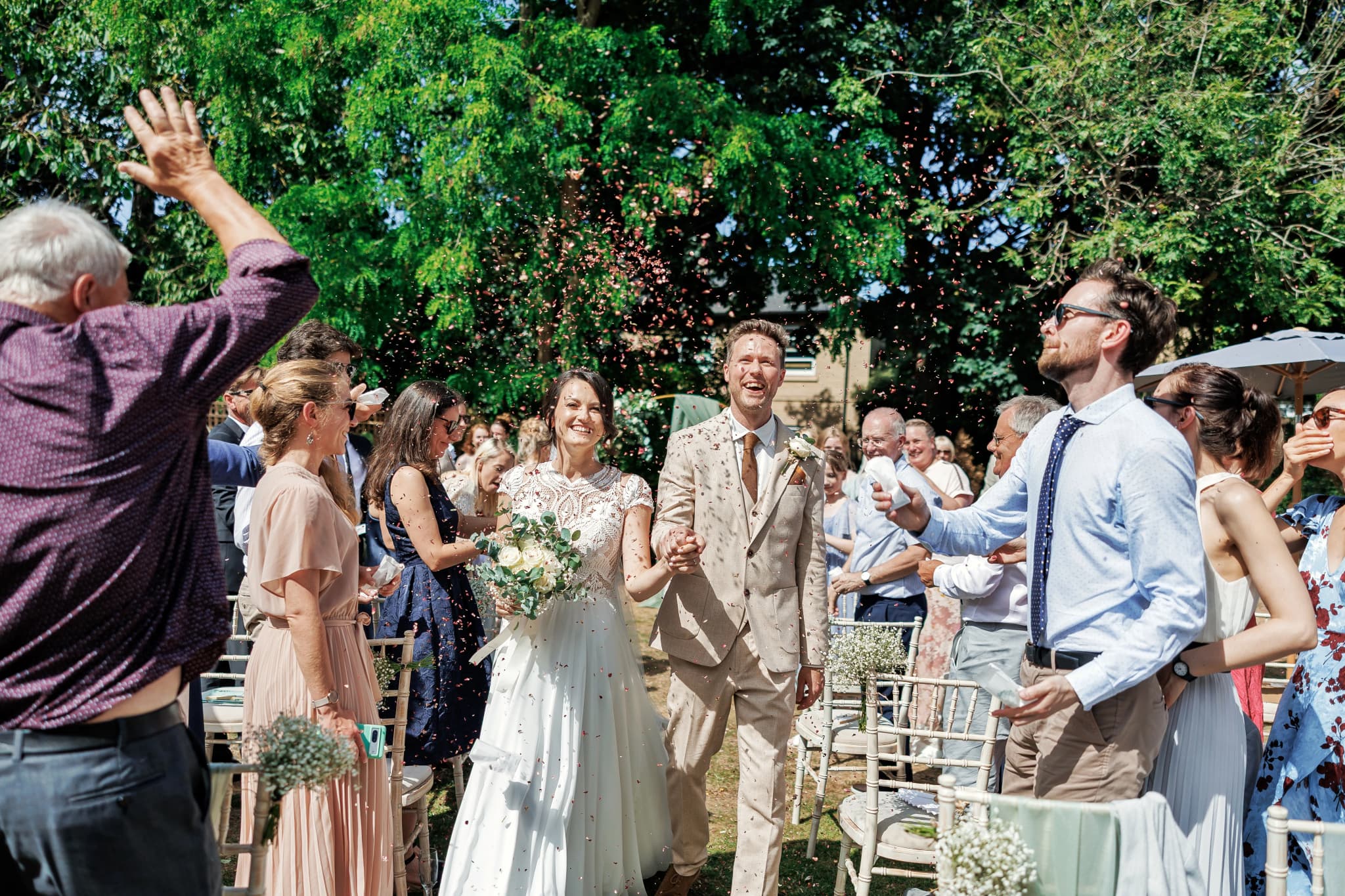

Yana Skakun
Photographer · England
Professional wedding, family and portrait photographer based in England. Passionate about capturing authentic emotions and timeless moments.
About Yana →interfaithweddingphotographyceremonies
Wedding Planning — Professional Photography in Cambridge & England
Yana Skakun is a professional photographer based in Cambridge, covering weddings, families, and portraits across England. Every session is personal — planned around your story, your people, and the moments that matter most. This guide — Interfaith Weddings: Photographing Two Ceremonies in One Day — is part of the photography journal: practical, experience-based advice drawn from real sessions across England. Whether you arrived searching for interfaith or wedding, the same care and attention shapes every session Yana photographs.
Professional Photography sessions are available year-round, with bookings open across Cambridge, Ely, Huntingdon, Peterborough, and further afield — East England, London, the Midlands, and beyond. If you have specific questions about photography, mention it in your enquiry. Get in touch through the contact form above to check availability and discuss your session. Enquiries are welcomed from anywhere in the UK.
Frequently Asked Questions
What camera settings should I use for outdoor portraits?+
For outdoor portraits, shoot in aperture priority mode. Use a wide aperture (f/1.8–f/2.8) to blur the background and isolate your subject. Keep ISO as low as possible in good light. In bright conditions, use a neutral density filter or switch to manual to avoid overexposure at wide apertures.
What is the golden hour in photography?+
Golden hour is the period roughly 30–60 minutes after sunrise and before sunset. The sun is low in the sky, producing warm, soft, directional light that flatters skin tones and creates beautiful long shadows. It's widely considered the best natural light for portrait and outdoor photography.
How do you get sharp photos in low light?+
In low light, increase your ISO (accepting some grain), use the widest aperture your lens allows, and slow your shutter speed to the slowest you can hand-hold without camera shake (roughly 1/focal length as a guide). Use image stabilisation if available, and consider a tripod for static subjects.
What is the rule of thirds in photography?+
The rule of thirds divides the frame into a 3×3 grid. Placing your subject on one of the four intersection points — rather than dead centre — creates a more dynamic, visually interesting composition. It's a guideline, not a rule: some of the most powerful images break it deliberately.
How do you edit photos to look professional?+
Professional editing starts with shooting in RAW format. In Lightroom or similar software, correct exposure, white balance, and contrast first. Recover shadow and highlight detail. Apply gentle colour grading for mood. Be conservative with skin retouching — the goal is natural enhancement, not transformation. Consistency across a set of images is what separates professional from amateur editing.


Get in Touch
Ready to Book Your Session?
Get in touch to discuss your vision — I'll reply within 24 hours.