Yana Skakun
Baby milestone photography: 3, 6, 9 and 12 month sessions explained
By Yana Skakun·22 July 2025·9 min read
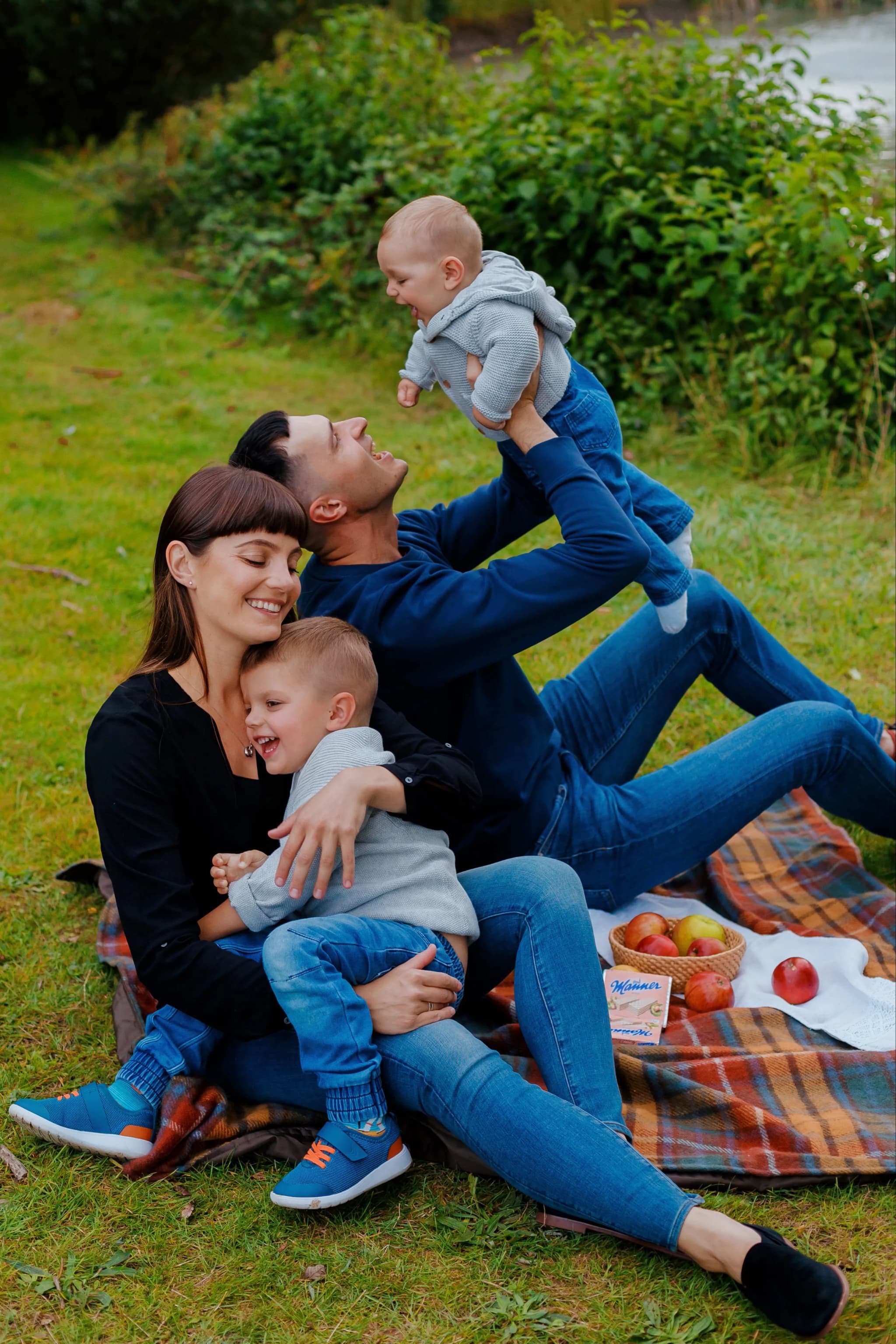
A baby's first year is one of the most rapid periods of change in a human life — from a curled-up newborn who sleeps most of the day to a walking, babbling, opinionated toddler celebrating their first birthday, all inside twelve months. Blink and an entire stage is gone, replaced by the next one before you have quite finished admiring it. Milestone photography sessions exist to slow that process down, just slightly, by putting a proper camera and a bit of intention behind a handful of key moments across the year. I photograph milestone sessions for families across Cambridge and the surrounding villages, and this guide sets out what each stage actually involves, why the timing matters more than people expect, and how to get the most from every session you book.
What Milestone Sessions Actually Are
A milestone session is a short, focused photography appointment — usually somewhere between thirty and sixty minutes — timed to coincide with a specific developmental stage in a baby's first year. The most common milestones families choose to document are three months, six months, nine months, and twelve months, with many starting the whole sequence with a newborn session in the first couple of weeks of life. Some families do all five stages, others pick two or three that matter most to them, and there is no wrong way to approach it.
What makes milestone photography different from a single family portrait session is the comparison across time. A single lovely photograph of a baby is wonderful on its own, but a sequence of images from the same setting or the same pose at three, six, nine, and twelve months tells a story that no individual photograph can. You see the roundness of the cheeks change, the personality emerge, the physical transformation from immobile to mobile to upright. It is genuinely one of the most rewarding things to photograph, precisely because the subject will never be quite the same again by the time the next session comes around.
I keep milestone sessions relatively short and low-pressure by design. Babies and very young toddlers do not have long attention spans, and a session that drags on past the point of genuine cooperation produces tired, fractious photographs rather than joyful ones. Better to work with a focused half hour to an hour and end while everyone is still enjoying themselves than to push for more and lose the mood entirely.
The Three-Month Session: Awake, Alert, and Starting to Smile
Three months roughly marks the end of what is sometimes called the fourth trimester — the period when a newborn is still adjusting to life outside the womb and spends much of the day asleep or feeding. By around twelve weeks, most babies are reliably awake for longer stretches, holding their head with more control, and — the moment every parent waits for — smiling in response to a face rather than as a reflex. The newborn curl and squish is starting to give way to something more alert and responsive, and that shift is exactly what this session is built to capture.
Photographs I aim for at this stage include genuine, responsive smiles rather than the fleeting reflex ones of the newborn weeks, some supported tummy time with the head lifted, close details of tiny hands and feet before they grow, and interaction shots with parents where the baby is clearly looking at and responding to them. This age tends to photograph best in familiar, comfortable surroundings — often at home, or outdoors in the garden if the weather cooperates — because babies this young settle better somewhere they already know than in an unfamiliar studio setting.
The Six-Month Session: Peak Roundness and Personality
Six months is, if I am honest, many photographers' favourite milestone to shoot. Babies at this age tend to be at their roundest and softest — the classic chubby wrists and thighs that everyone associates with baby photography — while also being awake, engaged, and full of expression in a way that newborns simply are not. Many are just learning to sit independently around this stage, which produces its own charm: the wobbly half-toppling sit, the sudden overbalance onto a cushion, the delighted reaction to having pulled off sitting up for a few seconds.
Simple props work well here without overwhelming the photographs — a wooden crate or low stool for supported sitting, a soft blanket spread across grass, seasonal flowers held or scattered nearby. Outdoor sessions through spring and summer are particularly lovely for this age, with soft natural light and the kind of relaxed, unstructured setting that lets a six-month-old's personality come through rather than feeling posed. This is really the sweet spot for the classic sitting-baby portrait that so many families want on the wall.
The Nine-Month Session: Mobile, Curious, and Harder to Pin Down
By nine months most babies are crawling, some are cruising along furniture, and a few precocious early walkers are already upright. They are deeply, insatiably curious about everything within reach, and considerably harder to photograph than a younger baby for the simple reason that they would much rather explore the world than sit still for a camera. I have made peace with this, and honestly it works in the photographs' favour — a nine-month-old chasing after something interesting produces far more authentic and energetic images than any forced pose ever could.
The approach at this stage shifts accordingly. There is more following and less directing, more catching genuine expressions of concentration, delight, or mild outrage at being stopped from eating a leaf, and far less asking anyone to look at the camera and smile. The relationship between baby and parents becomes especially photogenic around this age too — peekaboo games, cruising along a parent's legs, the reach-up-to-be-picked-up gesture that melts every parent's heart on sight. These unscripted interactions are usually the images families end up loving most from the whole milestone year.
Thinking about a full milestone journey?
Newborn through to first birthday, documented as it actually happens rather than staged into stillness — I would love to talk through which stages would suit your family best.
Enquire about milestone sessionsThe Twelve-Month Birthday Session: Bringing the Year Full Circle
The first birthday session is the natural culmination of the milestone year, and the one families tend to look forward to most. It often includes a cake smash sequence — a baby's first proper encounter with an entire cake of their own, unlimited and unsupervised, which is reliably one of the most joyful and unfiltered things to photograph in the whole first year. Alongside the cake smash, I usually build in more composed family portraits and, where the family has done earlier sessions, some deliberate echo shots that mirror the pose or setting of the newborn session twelve months earlier, so the transformation across the year is visible side by side.
Many families choose to gather the entire milestone sequence into a single photobook or album once the twelve-month session is complete — a chronological record running from a few days old to a walking, cake-covered one-year-old. It is a genuinely different kind of keepsake to a single portrait, and one that tends to become considerably more emotional to look through as the years pass and that first year recedes further into memory.
Getting the Timing Right
The single most useful piece of practical advice I can give is to book slightly before the milestone rather than exactly on it. A session booked for “almost six months” rather than the precise half-birthday leaves room for the inevitable unpredictability of babies — a cold that arrives out of nowhere, a developmental leap that turns a normally cheerful baby fractious for a fortnight, a nap schedule that has just been upended. A week or two of flexibility either side of the exact date is generally ideal, and I always build that into how I plan bookings across a milestone year.
It is also worth thinking about the time of day. Babies photograph best when they are rested, fed, and not fighting a nap — which for most families means a mid-morning slot, an hour or so after breakfast and before the first proper nap of the day, works better than late afternoon when tiredness tends to creep in. I am always happy to work around a baby's existing routine rather than asking a family to disrupt it for the sake of a session; a well-rested, well-fed baby in their normal rhythm produces far better photographs than a perfectly lit session with an overtired one.
Booking a Milestone Package
Many photographers, myself included, offer milestone packages that bundle a newborn session together with three or four subsequent sessions across the first year, generally at a better combined rate than booking each stage separately. It is well worth asking about this when you book your newborn session, even if you are not certain yet how many of the later stages you will want to do — packages can usually be adjusted as the year goes on, and having the dates loosely pencilled in from the start makes the whole year easier to plan around.
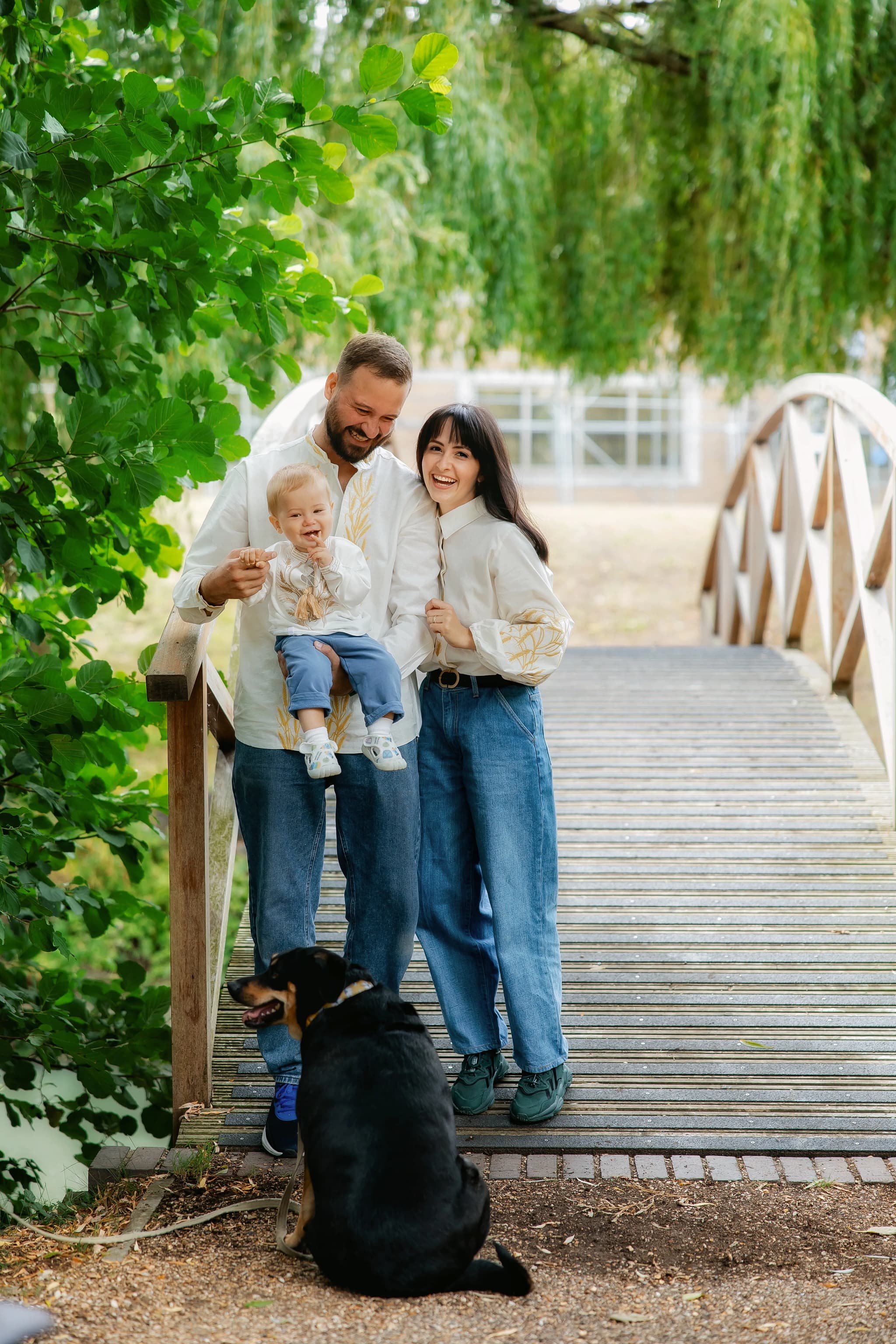
Locations for milestone sessions vary by age and by family preference. Home sessions suit the earliest stages particularly well, since a young baby settles better somewhere familiar and a home setting captures the everyday textures of that period of life — the nursery, the sitting room, the particular light through a specific window. As babies get older and more mobile, outdoor locations around Cambridge open up as options, from a garden to one of the parks, giving crawling and early-walking babies space to move and explore while still being photographed in a setting that feels natural rather than staged.
A milestone year goes by faster than almost anyone expects, and the stages genuinely do not repeat — the baby who is nine months old today will never be nine months old again, however many more birthdays follow. Milestone sessions are a way of setting aside a small, intentional amount of time at each of those stages to properly document them, rather than relying on memory or a handful of phone photographs to hold onto a year that moves this quickly. If you would like to talk through a milestone package, or book a single session for a particular stage, get in touch and I will help you plan out a schedule that fits your family and your baby's own rhythm.

Yana Skakun
Photographer · England
Professional wedding, family and portrait photographer based in England. Passionate about capturing authentic emotions and timeless moments.
About Yana →baby milestone photography3 month baby session6 month baby photos9 month milestone session12 month birthday photosmilestone photography guide
Family Tips — Family Photography in Cambridge & England
Yana Skakun offers natural, relaxed family photography sessions across Cambridge, Cambridgeshire, and the wider East of England. Sessions take place outdoors — in parks, woodland, and countryside — or at your family home, wherever everyone feels most at ease. This guide — Baby milestone photography: 3, 6, 9 and 12 month sessions explained — is part of the photography journal: practical, experience-based advice drawn from real sessions across England. Whether you arrived searching for baby milestone photography or 3 month baby session, the same care and attention shapes every session Yana photographs.
Family Photography sessions are available year-round, with bookings open across Cambridge, Ely, Huntingdon, Peterborough, and further afield — East England, London, the Midlands, and beyond. If you have specific questions about 6 month baby photos, mention it in your enquiry. Get in touch through the contact form above to check availability and discuss your session. Enquiries are welcomed from anywhere in the UK.
Frequently Asked Questions
How do you prepare children for a family photoshoot?+
Keep it low-key beforehand — don't over-explain or build it up too much. Make sure children are fed and rested. Bring a snack and a favourite toy or comfort item. Let them warm up at their own pace rather than forcing poses from the start. The best family photos happen when children forget there's a camera.
What should a family wear for photos?+
Choose a colour palette — 2–3 complementary tones — rather than identical outfits. Earthy neutrals, blues and greens, or cream and blush all work beautifully outdoors. Avoid large logos, neon colours, and very small patterns that create visual noise. Dress for the location and season, and make sure everyone is comfortable.
When is the best time for an outdoor family photoshoot?+
The golden hour — the first hour after sunrise or the last hour before sunset — gives the softest, warmest light. Overcast days are also excellent: the cloud acts as a natural diffuser, eliminating harsh shadows. Midday summer sun is the most challenging light to shoot in.
How long does a family photography session take?+
Most family sessions last 45–75 minutes. Mini sessions (30–40 minutes) work well for smaller families and toddlers who have shorter attention spans. Larger extended family groups may need 90 minutes to cover everyone comfortably.
How many photos will I get from a family photoshoot?+
A standard 60-minute family session typically produces 30–60 edited images delivered in a private online gallery. Mini sessions deliver 15–25 images. All images are colour-corrected, naturally edited, and ready for printing.
Continue Reading
Related Articles

Family Tips
Blended Family Photography: A Sensitive Guide to Step-Families, Co-Parenting & Group Portraits
11 min read · Read Article
Family Tips
Baby Milestone Photography: Capturing Every Stage of the First Year
10 min read · Read Article
Family Tips
Maternity Photography in England: When to Book, What to Wear & Where to Shoot
11 min read · Read Article
Get in Touch
Ready to Book Your Session?
Get in touch to discuss your vision — I'll reply within 24 hours.