Yana Skakun

Morning Ceremony Wedding Timeline: Making Early Light Work
By Yana Skakun·10 June 2026·6 min read
A morning wedding has a quiet kind of magic to it. The light is soft and forgiving, the day stretches out generously ahead of you, and there's a calm in the air that you simply don't get from a 3pm ceremony. But marrying before noon takes a different sort of planning, and as a Cambridge wedding photographer I've learned that the couples who get the most from an early start are the ones who build their morning ceremony wedding timeline with intention rather than just shuffling everything an hour earlier.
Why an early ceremony works in your favour
Most British weddings cluster around mid-afternoon, which means a morning ceremony immediately sets your day apart. The practical upside is enormous: you reclaim the whole afternoon and evening for celebrating, rather than rushing from vows to dinner with barely time to breathe. Couples who marry at 10:30 or 11am often tell me the day felt twice as long in the best possible way.
There's a photographic gift here too. In Cambridgeshire and Suffolk, the late-morning light in spring and autumn is genuinely beautiful, low enough to be flattering and gentle on the eyes, without the harsh overhead glare of high summer noon. You also sidestep the worst of the heat if you're marrying in July or August, which matters more than people expect when guests are sitting in a sun-trap of a college courtyard or a marquee.
The trade-off is simply that everything starts earlier, and an early start has a habit of catching people out if it isn't planned for properly.
Building your morning backwards from the vows
The single most useful thing you can do is work backwards from your ceremony time. If you're saying your vows at 11am, your morning needs to be mapped to the minute, because there's no slack to absorb a late hairdresser or a misplaced buttonhole. I always ask couples to pad in twenty minutes of nothing before they leave for the ceremony, that buffer is the difference between arriving composed and arriving flustered.
Getting-ready coverage in particular needs care. Hair and makeup artists charge by the chair, and an 11am ceremony can mean a stylist arriving at 6:30am to finish a bridal party of five in time. Confirm those start times in writing weeks ahead, and ask your photographer when they need to begin, I like to be with you for the final hour of preparation so there's room for detail shots, the dress, and a few quiet moments before the day accelerates.
Here's a sample shape for an 11am ceremony that I've seen work beautifully across venues from Cambridge colleges to barns out near Bury St Edmunds:
- ◆6:30am – Hair and makeup begins: Stylists arrive early; have breakfast ready so nobody works on an empty stomach.
- ◆9:30am – Photographer arrives: Details, dress, rings and the final stretch of getting ready while the light is soft.
- ◆10:15am – Into the dress: Allow a full twenty minutes; corseted gowns and buttons always take longer than you think.
- ◆10:40am – Leave for the ceremony: Build in travel plus a buffer; rural Suffolk lanes are slower than the map suggests.
- ◆11:00am – Ceremony: Arrive five minutes before so you walk in calm, not breathless.
- ◆11:45am – Drinks reception: Confetti, family groups and a glass of fizz while guests mingle in the late-morning sun.
Feeding everyone and pacing the afternoon
The question I hear most about morning weddings is what on earth to do with the long afternoon, and the answer is to embrace it rather than fight it. A wedding breakfast served at half past twelve flows naturally from a morning ceremony, but then you have hours before the evening reception, and that gap can either feel luxurious or awkward depending on how you fill it.
My advice is to plan one gentle activity to anchor the afternoon. Lawn games on a college green, a relaxed cream tea, a guided wander through the venue grounds, or simply leaving guests to sprawl on the grass with a drink all work wonderfully. What you want to avoid is a dead hour where people are checking their watches. If your venue has beautiful gardens, and so many Cambridgeshire and Suffolk venues do, this is exactly when they earn their keep.
Practically, make sure caterers know the unusual rhythm. A morning timeline means an early kitchen start, and you may want lighter canapes in the afternoon to bridge the gap to an evening hog roast or buffet. Talk it through so nobody goes hungry between the two big meals.
Managing British weather and the early light
Morning light is the photographer's ally, but morning weather is the planner's wildcard. In spring and autumn especially, a clear dawn can give way to drizzle by eleven, so I always encourage couples to have a covered backup spot agreed in advance. Knowing where we'll shoot family groups if the heavens open takes the panic out of a grey sky.
Dew is the other thing nobody warns you about. An early outdoor ceremony or first-look on a college lawn often means wet grass, so flat shoes or wellies for the walk between locations save many a hem and many a pair of nerves. I keep this in mind when I scout the morning routes, steering you onto paths rather than soaking borders.
Making it personal to you
No two morning weddings should look the same, and the timeline above is a starting point rather than a rule. Some couples want a sunrise elopement on the Suffolk coast followed by a long lazy lunch; others want a full college ceremony with all the trimmings, just earlier. The structure flexes around what matters to you, the key is mapping it carefully so the early start feels intentional and serene rather than rushed.
When I plan a morning wedding with a couple, we talk through every handover, every travel leg and every buffer until the day feels inevitable. That groundwork is what lets you actually enjoy the morning you've chosen, light, calm and entirely your own.
Planning a morning ceremony in Cambridge or further afield?
I'd love to help you map a relaxed, beautifully lit early start across Cambridgeshire and Suffolk. Let's talk through your timeline together.
Check Your Date →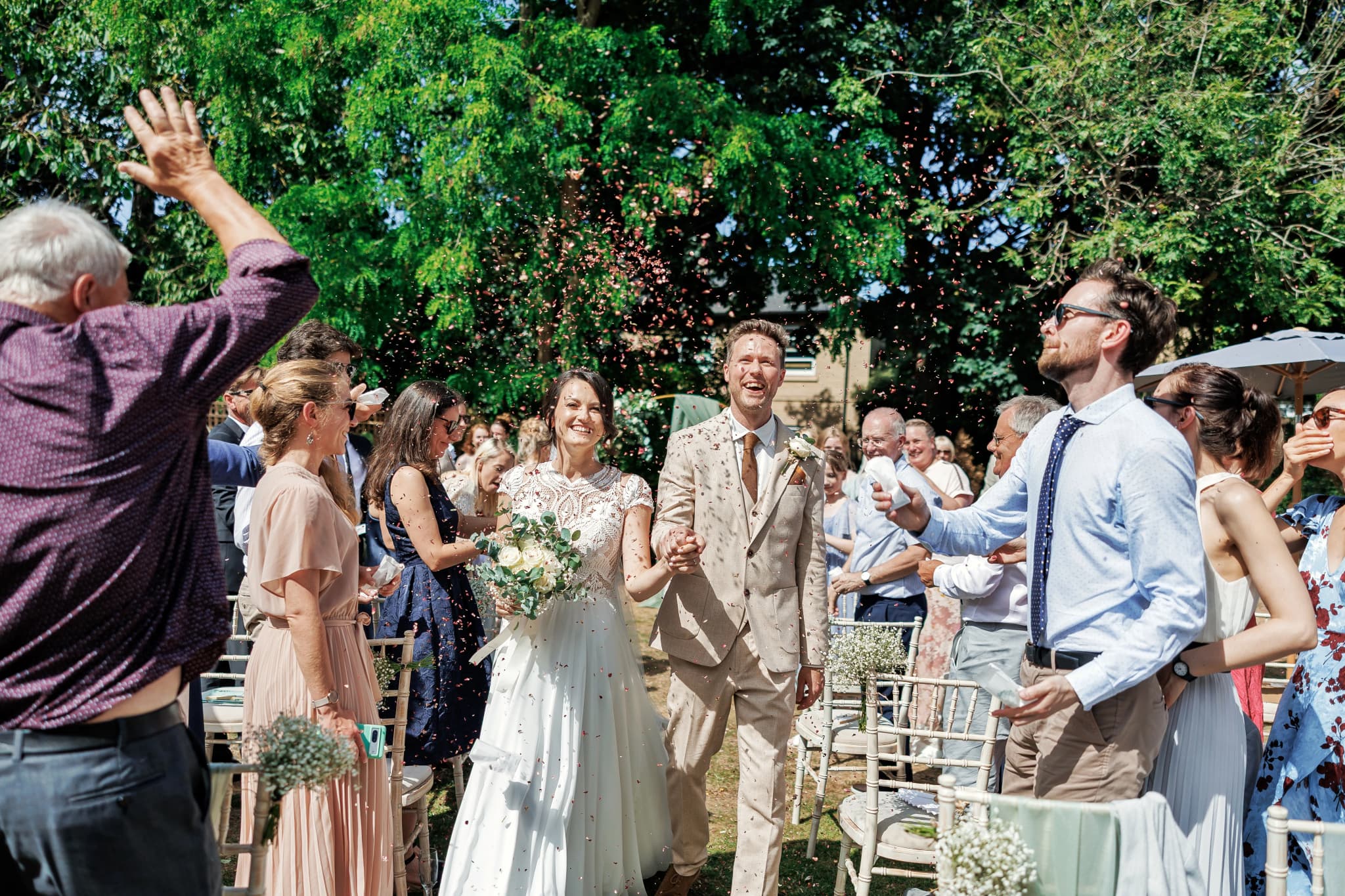

Yana Skakun
Photographer · England
Professional wedding, family and portrait photographer based in England. Passionate about capturing authentic emotions and timeless moments.
About Yana →morningceremonyweddingtimeline
Wedding Planning — Professional Photography in Cambridge & England
Yana Skakun is a professional photographer based in Cambridge, covering weddings, families, and portraits across England. Every session is personal — planned around your story, your people, and the moments that matter most. This guide — Morning Ceremony Wedding Timeline: Making Early Light Work — is part of the photography journal: practical, experience-based advice drawn from real sessions across England. Whether you arrived searching for morning or ceremony, the same care and attention shapes every session Yana photographs.
Professional Photography sessions are available year-round, with bookings open across Cambridge, Ely, Huntingdon, Peterborough, and further afield — East England, London, the Midlands, and beyond. If you have specific questions about wedding, mention it in your enquiry. Get in touch through the contact form above to check availability and discuss your session. Enquiries are welcomed from anywhere in the UK.
Frequently Asked Questions
What camera settings should I use for outdoor portraits?+
For outdoor portraits, shoot in aperture priority mode. Use a wide aperture (f/1.8–f/2.8) to blur the background and isolate your subject. Keep ISO as low as possible in good light. In bright conditions, use a neutral density filter or switch to manual to avoid overexposure at wide apertures.
What is the golden hour in photography?+
Golden hour is the period roughly 30–60 minutes after sunrise and before sunset. The sun is low in the sky, producing warm, soft, directional light that flatters skin tones and creates beautiful long shadows. It's widely considered the best natural light for portrait and outdoor photography.
How do you get sharp photos in low light?+
In low light, increase your ISO (accepting some grain), use the widest aperture your lens allows, and slow your shutter speed to the slowest you can hand-hold without camera shake (roughly 1/focal length as a guide). Use image stabilisation if available, and consider a tripod for static subjects.
What is the rule of thirds in photography?+
The rule of thirds divides the frame into a 3×3 grid. Placing your subject on one of the four intersection points — rather than dead centre — creates a more dynamic, visually interesting composition. It's a guideline, not a rule: some of the most powerful images break it deliberately.
How do you edit photos to look professional?+
Professional editing starts with shooting in RAW format. In Lightroom or similar software, correct exposure, white balance, and contrast first. Recover shadow and highlight detail. Apply gentle colour grading for mood. Be conservative with skin retouching — the goal is natural enhancement, not transformation. Consistency across a set of images is what separates professional from amateur editing.


Get in Touch
Ready to Book Your Session?
Get in touch to discuss your vision — I'll reply within 24 hours.