Yana Skakun

Portrait Session as Self-Care: Why People Book Themselves
By Yana Skakun·21 April 2026·6 min read
Most enquiries that land in my inbox come with a reason attached. A birthday with a zero in it, a LinkedIn profile that needs updating, an engagement, a new arrival. But every few months I get a message that reads differently — someone writing to ask, almost apologetically, whether it would be "silly" to book a portrait session with no occasion at all, just because they would like to be photographed properly, by someone paying full attention, for an hour. It is never silly. It is one of the more quietly transformative sessions I offer, and the people who book it tend to arrive at the decision from very different directions — recovery, transition, curiosity, or simply the realisation that they cannot remember the last time a photograph of them was taken with any care at all.
Why So Many of Us Avoid Being Photographed
Ask most adults when they last had a photograph taken of themselves — not a selfie, not a snap grabbed by someone else at a party, but an actual considered photograph — and the answer is often years, sometimes decades. Somewhere between childhood school photos and adult life, most people quietly step behind the camera and stay there. We photograph our children, our partners, our pets, our dinners, our holidays. We rarely photograph ourselves, and when we do, it is usually a rushed phone photo taken at an unflattering angle in bad light, which does nothing to change the belief that we are simply not photogenic.
That belief is almost always wrong, and it almost always has more to do with lighting, angle, and a lack of ease in front of a camera than with anything about the person's actual face. A trained eye with proper light and a bit of patience produces a completely different result to a phone camera at arm's length in a badly lit bathroom mirror. Part of what a self-care portrait session offers is simply the corrective experience of discovering that you photograph far better than you think you do, once someone who knows what they are doing is holding the camera.
Why a Portrait Session Works as Self-Care
A well-run portrait session brings together several things that rarely occur at the same time in ordinary adult life. There is an hour of complete, undivided attention from another person — something genuinely rare once you are past childhood, when most adults are dividing their attention between screens, other people, and their own to-do lists even in conversation. There is explicit permission to take up space and be looked at, which for many people is uncomfortable at first and then, gradually, a relief. There is a dedicated reason to dress in a way that feels like yourself rather than merely practical. And there is the slower process of reflecting on how you actually see yourself, which for many clients is something they have not consciously done in years.
I want to be clear that this is not therapy, and I would never present it as such. I am a photographer, not a counsellor, and the session is built around making images, not processing feelings. But the by-product of that hour — being seen carefully, without judgement, by someone whose entire job in that moment is to notice what is good about you — is genuinely restorative for a great many people. The photographs that come out of it often carry more emotional weight than clients expect going in, precisely because so few of us are used to being looked at that closely with kindness rather than criticism.
Common Reasons People Book a Portrait Session for Themselves
The specific circumstances vary enormously, but a handful of themes come up again and again. Recovery is one of the most common — after illness, after bereavement, after a difficult stretch of life that has left someone feeling like they have been absent from their own image for a while. Transition is another: changing career, coming out, ending or beginning a significant relationship, moving to a new country, becoming a parent, or simply reaching a point where an old sense of identity no longer fits and a new one has not quite settled yet.
Reclaiming a relationship with your own body image is a theme I see often, particularly after weight change in either direction, after pregnancy or postpartum recovery, after surgery, or simply after years of habitually avoiding cameras. Some clients come purely for creative expression — wanting to explore a side of themselves that does not get space anywhere else in their daily life, whether that is glamour, a more editorial style, or something quieter and more introspective. Others are marking an age, not necessarily a milestone birthday but simply a point in life they want a record of. And some, refreshingly, come for no deeper reason than curiosity — wondering what it would feel like to see themselves through someone else's eyes for once.
What a Self-Care Portrait Session Looks Like in Practice
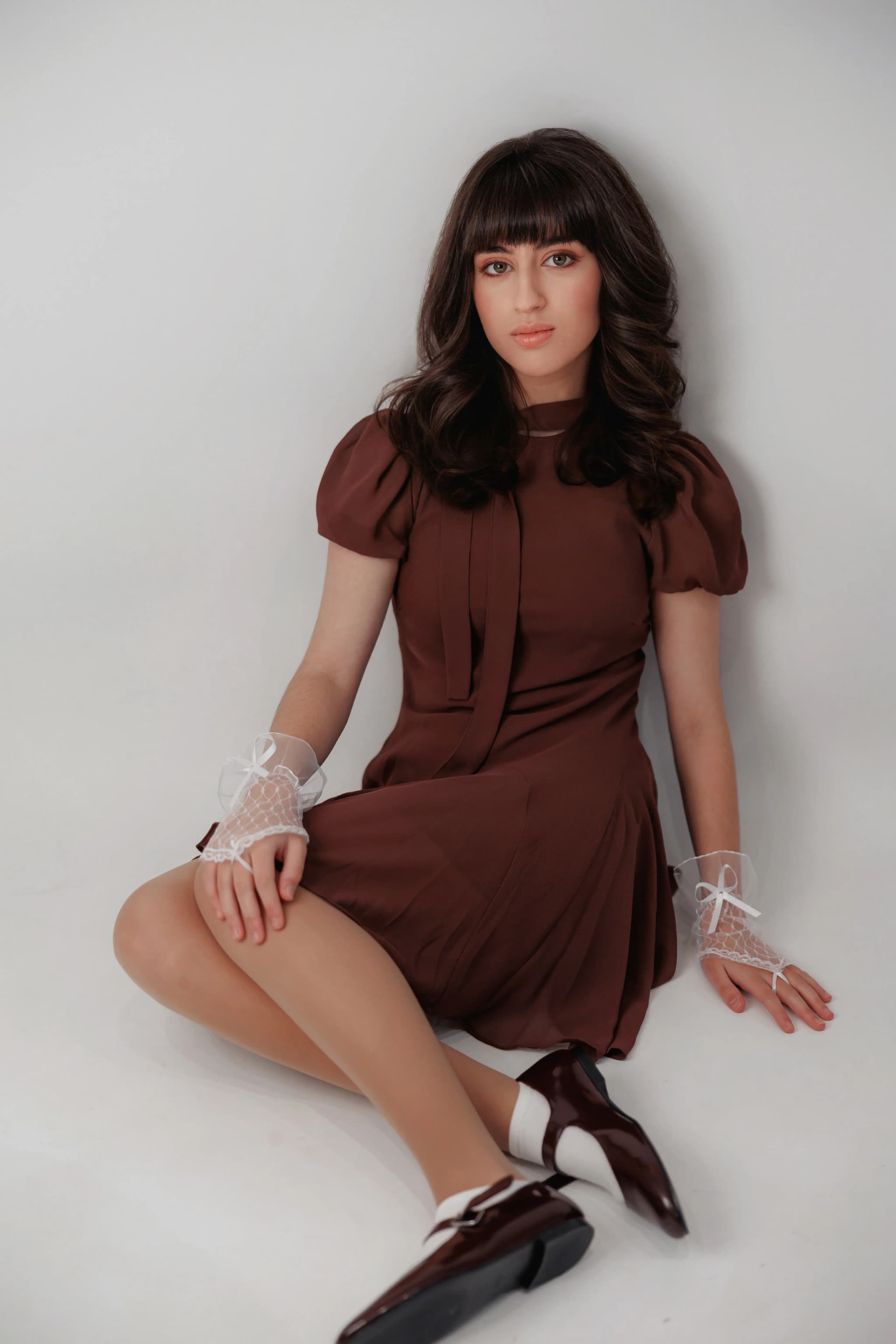
A session booked with this intention is deliberately paced differently to a standard shoot. There is more conversation before the camera comes out — usually a proper sit-down with tea, talking about what has brought the person to this point and what they would like to feel by the end of the hour, rather than what they would like to look like. That distinction matters more than it sounds like it should. Clients who arrive focused on achieving a particular look tend to tense up in front of the camera; clients who arrive focused on a feeling — calm, playful, powerful, soft — tend to relax into the session far more easily, and the resulting images are better for it.
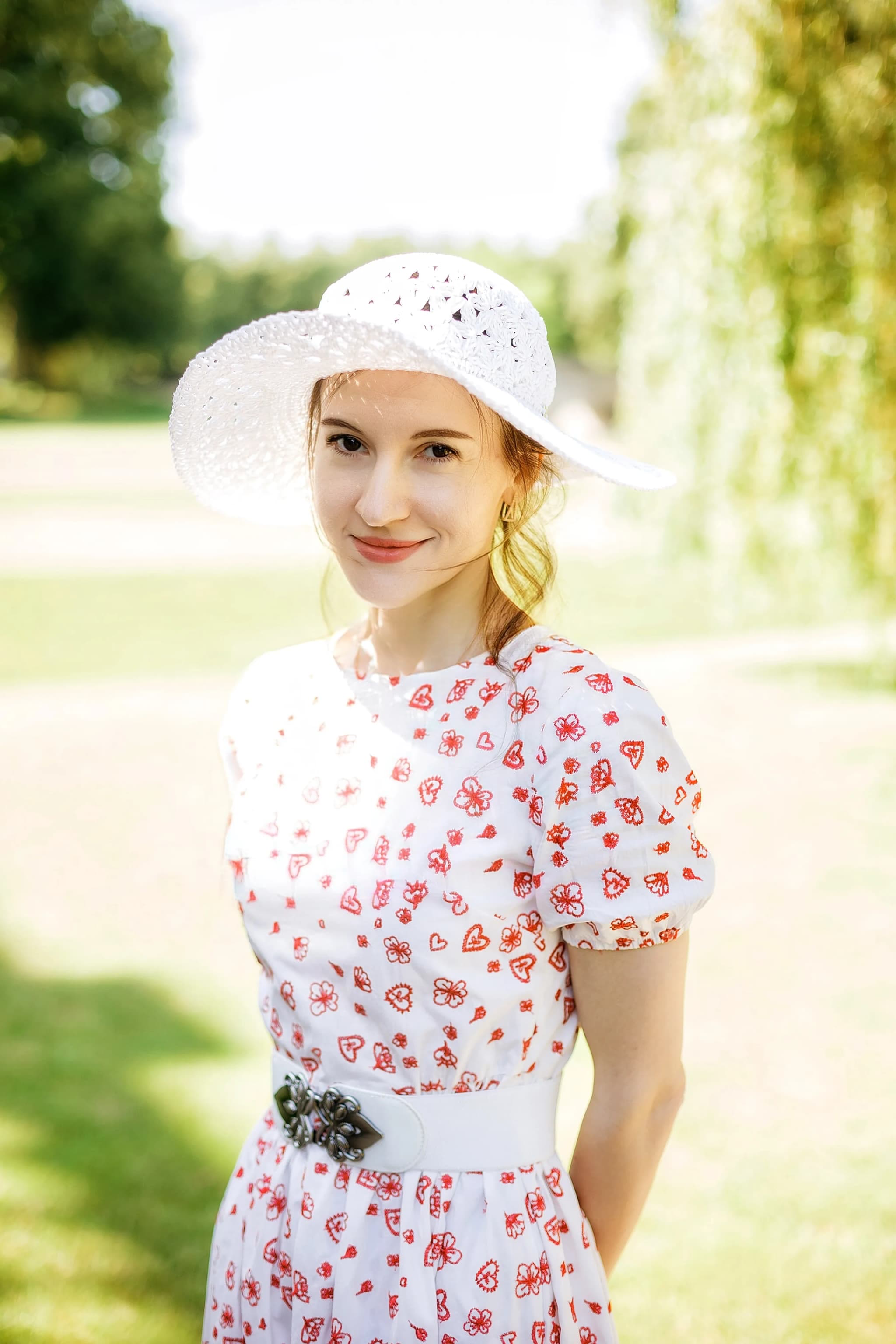
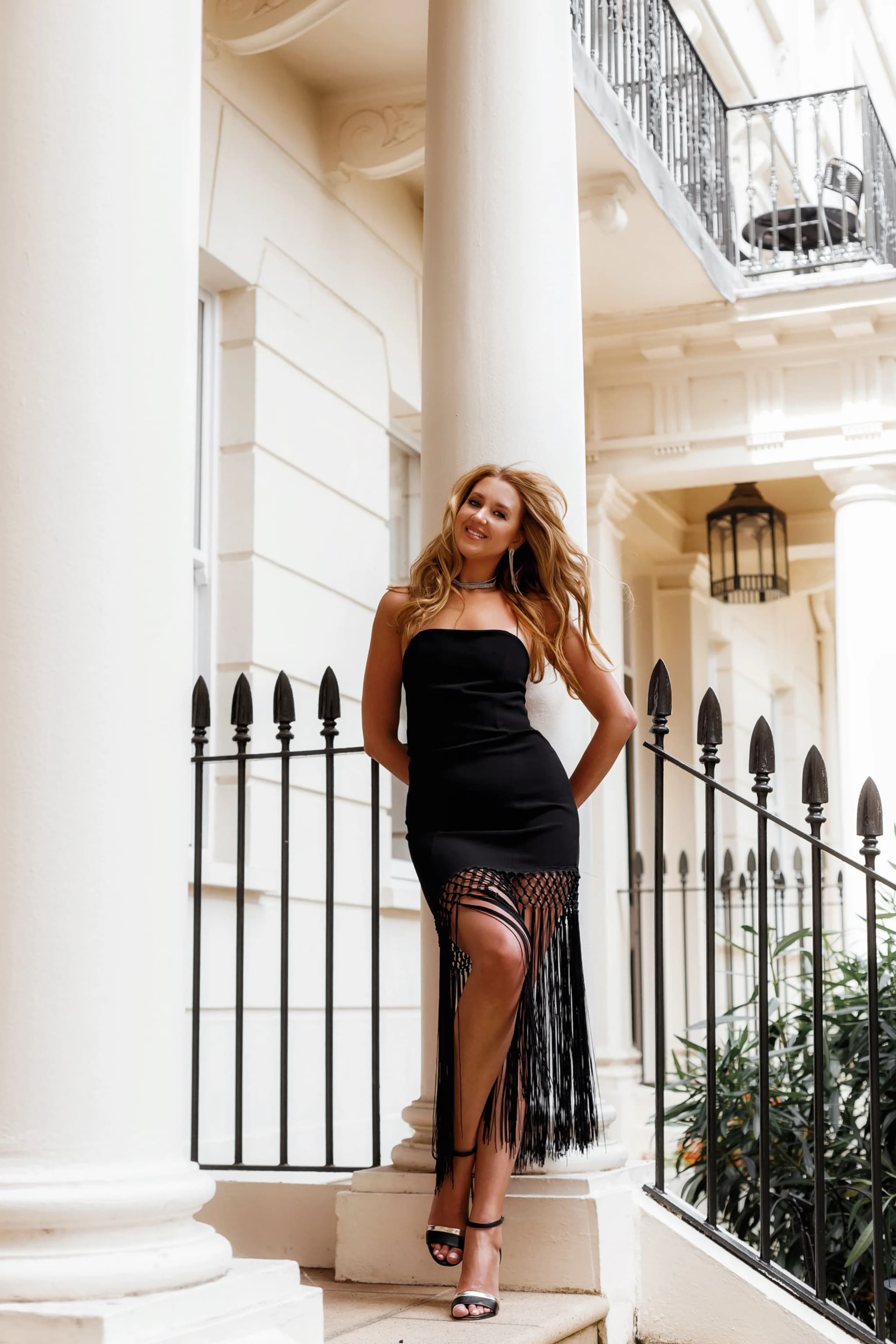
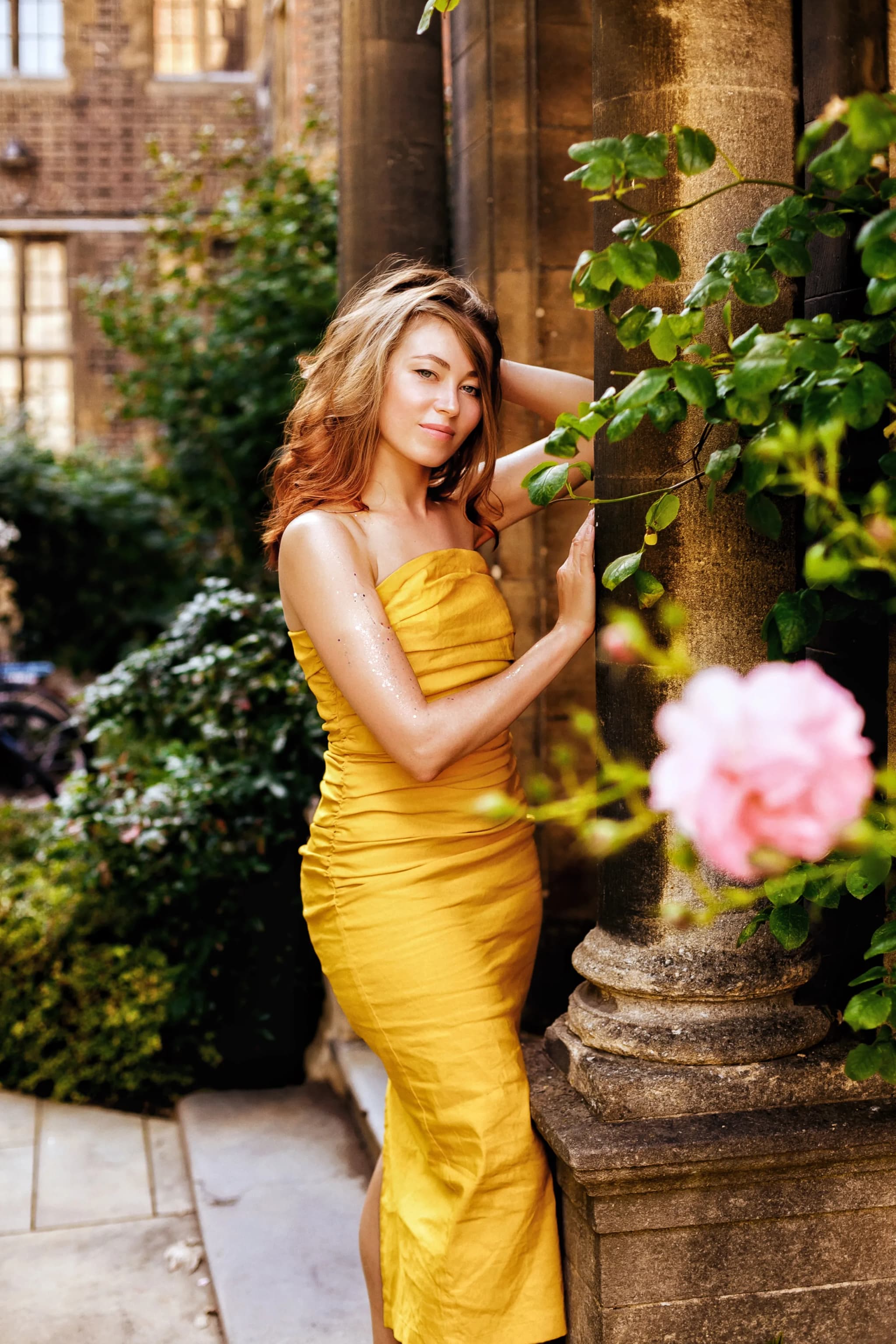
The location is chosen around the person rather than around what looks impressive. That might be a favourite corner of their own garden, a park they have walked in for years, their living room with the light coming through a particular window at a particular time of day, or a studio if they want full control over the backdrop and light. I have photographed self-care sessions in kitchens, on riverside paths along the Cam, in bedrooms, and in the University Botanic Garden — the location matters far less than whether the person feels genuinely at ease in it.
Clothing choice is treated as part of the creative process rather than a logistical afterthought. Rather than asking clients to bring "nice clothes" and "casual clothes", I ask them to think in terms of who they are in different contexts — who they are at work, who they are on a Sunday morning, who they are when no one else is watching at all. Two or three outfits chosen along those lines produce a set of images with far more depth and range than a single polished outfit ever does, and clients are often surprised by which version of themselves ends up being their favourite.
Preparing Yourself to Be Photographed
The most useful preparation has almost nothing to do with hair and makeup, though of course you are welcome to do both if that helps you feel ready. It is much more about giving yourself permission to arrive as you actually are that day, rather than as a more polished, more rested, more photogenic version of yourself that does not exist. A few things consistently help clients settle into the session faster. Eating a proper meal beforehand matters more than people expect — low blood sugar shows on a face in ways that are hard to hide, and nothing undermines confidence faster than feeling faint or foggy halfway through. Arriving fifteen or twenty minutes early rather than rushing straight from the car gives you time to sit, breathe, and let your shoulders drop before the camera is even out.
It helps to write down, even just mentally, what you hope to feel during the session rather than what you want the final photographs to look like — the feeling tends to produce better photographs than chasing a specific aesthetic ever does. I generally suggest avoiding heavy alcohol the night before, since it is visible on skin the next day in a way most people do not expect. And a small trick that genuinely works: wear something the evening before that makes you feel good in your own skin, even if it is just at home. It resets your relationship with your own reflection ahead of the session, and clients who do this consistently report feeling more at ease when the camera comes out.
You do not need a reason
If you have been quietly wondering whether it is worth booking a portrait session just for yourself, that curiosity is reason enough. No occasion, no milestone, and no explanation required.
Enquire about a portrait sessionWhat to Do With the Photographs Afterwards
There is no requirement to share these photographs with anyone. Many clients keep the images entirely private — a single favourite print kept in a bedroom, or a small album that stays in a drawer and is looked at only occasionally. Some choose one image to send to one specific person — a partner, a parent, a close friend who has been part of whatever chapter the session marks. Others print a favourite large and hang it somewhere they will see it daily, as a quiet reminder of how they felt in that hour. Some never print anything at all, and simply know the images exist. All of these are equally valid outcomes, and I never push a client towards sharing more than feels comfortable.
What I have noticed, across a good number of these sessions now, is that the value rarely sits in what is eventually done with the photographs. It sits in the hour itself — in being looked at with care, in being given permission to simply be photographed as you are rather than as you think you should be, and in the quiet confirmation that comes from seeing yourself through someone else's eyes and discovering it is a kinder view than the one you carry around in your own head.
A Gentle Note for Anyone Still Unsure
If part of you would like to book a session like this but another part is still hesitating, that hesitation is common and entirely normal — almost everyone who has done this tells me they nearly talked themselves out of it beforehand. You do not need to have a fully formed reason ready, and you do not need to feel confident about being photographed before you arrive; that confidence, if it comes at all, tends to arrive during the session rather than before it. What you need is simply a willingness to spend an hour being looked after and photographed with care.
A portrait session booked purely for yourself is not indulgent, and it is not unusual — it is one of the quietest, most effective forms of self-care I know of, and the people who take that step rarely regret it. If any part of this has resonated, or if you are simply curious what an hour like this would feel like for you, get in touch and we can talk through what the session might look like, with absolutely no pressure and no need to justify the reason.

Yana Skakun
Photographer · England
Professional wedding, family and portrait photographer based in England. Passionate about capturing authentic emotions and timeless moments.
About Yana →portrait session for yourself ukself portrait photography self careportrait photography empowermentsolo portrait session cambridge
Portrait Tips — Portrait Photography in Cambridge & England
Portrait sessions with Yana Skakun are unhurried and personal — designed to produce images that feel genuinely like you, not a performance. Sessions are available in Cambridge, across East England, and at locations throughout the UK. This guide — Portrait Session as Self-Care: Why People Book Themselves — is part of the photography journal: practical, experience-based advice drawn from real sessions across England. Whether you arrived searching for portrait session for yourself uk or self portrait photography self care, the same care and attention shapes every session Yana photographs.
Portrait Photography sessions are available year-round, with bookings open across Cambridge, Ely, Huntingdon, Peterborough, and further afield — East England, London, the Midlands, and beyond. If you have specific questions about portrait photography empowerment, mention it in your enquiry. Get in touch through the contact form above to check availability and discuss your session. Enquiries are welcomed from anywhere in the UK.
Frequently Asked Questions
How do I look natural in portrait photos?+
The key is to keep moving — walking, talking, laughing. Still poses often look stiff. A good portrait photographer will direct you gently rather than just pointing and shooting. Take a breath, drop your shoulders, and try to focus on something that makes you happy rather than worrying about how you look.
What should I wear for a portrait session?+
Wear something you feel good in — not something borrowed or brand new that you haven't worn before. Solid colours photograph better than busy patterns. Bring a second outfit for variety. Think about the location: flowing fabrics work beautifully outdoors; tailored looks suit urban settings.
How long does a portrait session take?+
Standard portrait sessions last 60–75 minutes. This allows enough time to warm up, try different locations and poses, and explore a couple of looks without rushing. If you're very camera-shy, a longer session helps — the more relaxed you become, the better the final images.
What locations are best for outdoor portrait photography?+
Gardens, parks, riverside paths, woodland, and areas with interesting architecture all make great portrait backgrounds. The most important factor is light — a location with open shade or soft directional light will always photograph better than a technically beautiful spot in harsh midday sun.
What is the difference between a portrait session and a headshot session?+
Portrait sessions focus on you as a whole person — full-body, three-quarter, and close-up images in a relaxed, often outdoor setting. Headshot sessions focus specifically on professional or actor headshots: face and upper body, often in a controlled setting with consistent, professional lighting.
Continue Reading
Related Articles

Portrait Tips
Glasses and Glare in Photography: How to Get Great Results
6 min read · Read Article
Portrait Tips
Fake Tan Before a Photoshoot: Timing, Application, and What Can Go Wrong
6 min read · Read Article
Portrait Tips
Hair and Makeup for a Photoshoot: What Photographs Well
7 min read · Read Article
Get in Touch
Ready to Book Your Session?
Get in touch to discuss your vision — I'll reply within 24 hours.