Yana Skakun
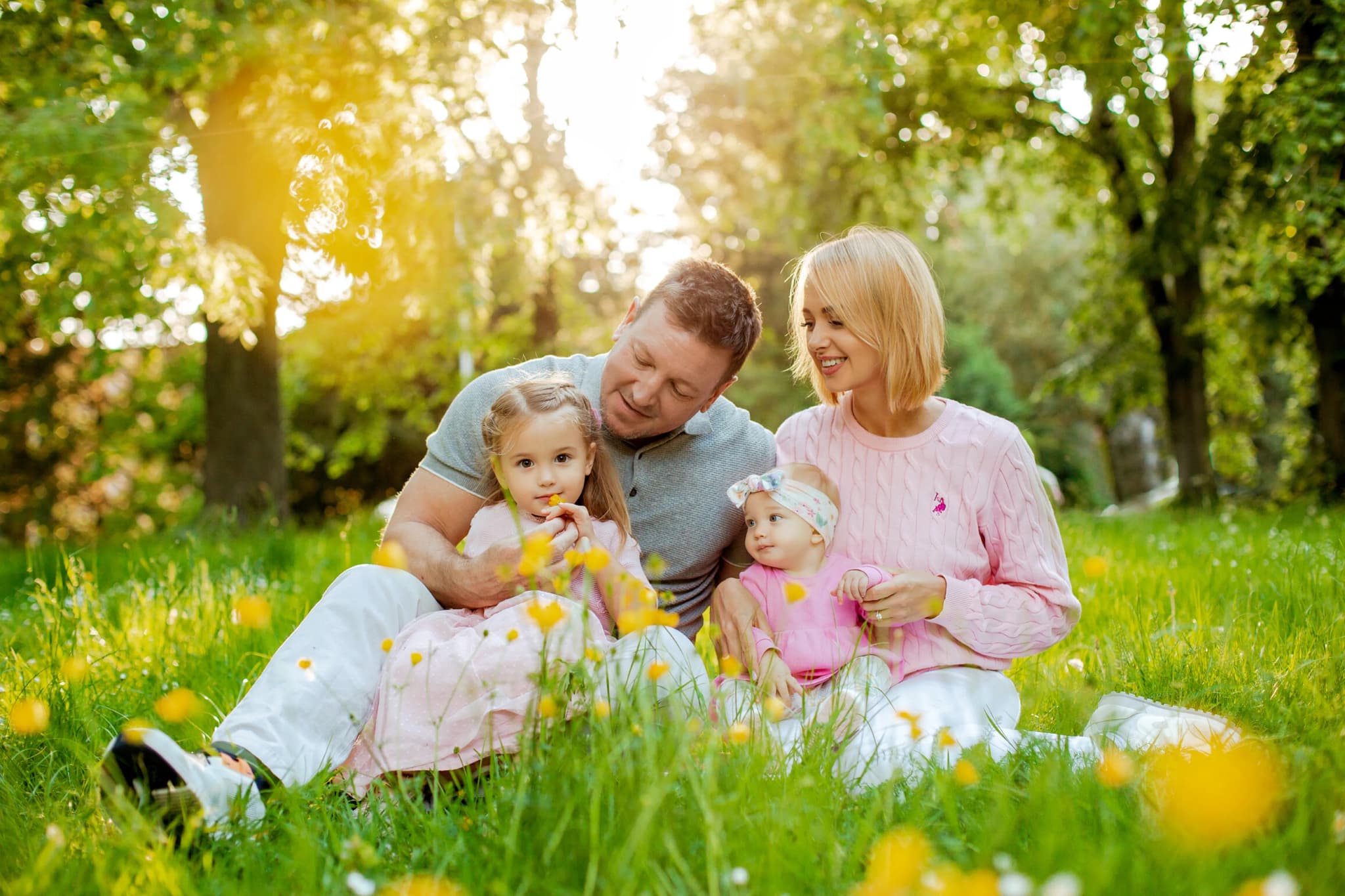
Rainbow baby photography: Capturing hope, healing, and joy
By Yana Skakun·10 March 2026·9 min read
There is a particular kind of knock on the studio door, or message in my inbox, that tells me a session is going to be different before a single word about it is said. It is the parent who books a newborn session and then, almost as an aside, mentions that this baby was not the first pregnancy — that there was a loss before this, sometimes more than one, and that this baby, finally here and breathing and warm, is what the family has started calling their rainbow baby. The term comes from the idea of a rainbow after a storm: something luminous and hopeful that arrives only once the hardest weather has passed, without erasing that the storm happened at all. Photographing these sessions is some of the most meaningful work I do, and over the years I have learned a great deal about how to approach them with the sensitivity, patience, and quiet attentiveness they deserve.
What Makes a Rainbow Baby Session Different
On the surface, a rainbow baby session looks like any other newborn or family photography appointment. There is a baby, there are parents, there is soft light and quiet music and the familiar rhythm of a session unfolding at a gentle pace. But underneath that surface, the emotional register is different, and it shapes almost everything about how I work. Parents who have experienced miscarriage, stillbirth, or neonatal loss tend to arrive at a newborn session with an acute, sometimes almost physical, awareness of how fragile and fleeting this stage of life is. They have already learned, in the hardest possible way, that nothing about a pregnancy or a new baby is guaranteed. That knowledge does not disappear once the rainbow baby is safely here. It sits alongside the joy, quietly, and it often makes parents want to document this particular chapter with an intentionality that other families, who have not been through loss, may not feel in quite the same way.
What this means practically is that I slow down even further than usual. I build in more time between poses, more space for parents to simply hold their baby and be present rather than being moved briskly from one setup to the next. I watch for the moments that are not posed at all — a mother resting her forehead against her baby's head with her eyes closed, a father's hand wrapped entirely around a tiny foot, a long exhale after weeks or months of being braced for something to go wrong. These unguarded moments are often the images that end up meaning the most, more than any carefully arranged set-up ever could.
There is also, frequently, a quality of tenderness in these sessions that is genuinely different to photograph. Parents hold their baby with a kind of conscious presence — a deliberate, grateful attention — that is visible in a photograph even to someone who does not know the family's story. I do not need to ask anyone to show more emotion or connect more closely with their baby. It is already there, close to the surface, and my job is simply to be ready for it rather than to manufacture it.
Talking About Your Story Before the Session
I always encourage families to tell me their story, in whatever amount of detail feels comfortable, before the day of the session itself. This is not about managing emotions in the room, and it is never a requirement — some families would rather not discuss it at all and simply want a beautiful, joyful newborn session, which is entirely their right. But for families who do want to share some context, knowing it in advance changes how I plan and photograph the session in genuinely useful ways.
If I know that a family lost a baby at a particular stage of pregnancy, or that this rainbow baby arrived after several years of trying, or that there is a specific date or name that matters to them, I can think in advance about how that might be woven into the photographs, if the family wants that at all. I can also simply hold that knowledge quietly and let it inform my pacing and my sensitivity on the day, without making a single reference to it unless the family raises it themselves. Some parents want their loss actively acknowledged within the session. Others want the session to be entirely and unreservedly about celebration, with no reference to what came before. Both approaches are completely valid, and there is no correct way to feel about any of this. My role is to follow each family's lead, not to impose an emotional framework of my own onto their experience.
Honouring What Came Before, If You Want To
Many families choose to incorporate a small symbolic element into a rainbow baby session that acknowledges the baby or babies who came before this one. This varies enormously from family to family, and there is genuinely no template. Some parents bring a piece of memorial jewellery — a necklace with a birthstone, a small pendant — and want it visible in a handful of frames. Some bring a soft toy that was originally bought or made for a baby who did not come home, and want it placed gently in the crib alongside their rainbow baby, present but not overwhelming the image. Others choose a rainbow-themed blanket, wrap, or bonnet, using the motif itself as a quiet nod to the term without needing to explain it to anyone who sees the photograph later.
I have also photographed sessions where a sibling's name is written in tiny letters on a wooden sign tucked into the corner of a frame, present for those who know to look for it and unremarkable to anyone who does not. None of this needs to be decided in advance with certainty — I am always happy to bring a few simple props along as options, and equally happy if a family decides on the day that they would rather leave it all out. There is no obligation to include any symbolic reference at all. Plenty of families with the deepest history of loss choose a session that is entirely, simply, joyfully about the baby in front of them, and that choice deserves just as much respect as one that includes a visible tribute.
Timing: Newborn Sessions and Milestone Sessions
Rainbow baby sessions are most commonly booked in the newborn window, ideally within the first five to fourteen days of life, when babies are still sleeping deeply for long stretches and can be positioned into the soft, curled poses that newborn photography is known for. This window matters practically as much as it does emotionally — babies lose that especially sleepy, malleable newborn quality quite quickly, often within two to three weeks, so booking early in that period gives the widest range of options for gentle, close, curled poses as well as calmer, more awake portraits.
That said, plenty of families come to me later than the classic newborn window, sometimes because the pregnancy or birth involved additional medical care, a stay in a neonatal unit, or simply because the emotional readiness to schedule a session took longer to arrive than it might for other families, and that is entirely understandable and entirely fine. A session at four, six, or even twelve weeks can still produce beautiful, tender images — the poses simply shift to reflect a slightly older, more alert baby rather than the deeply curled newborn look.
Many rainbow baby families also choose to book milestone sessions at three, six, and twelve months, effectively building a small ongoing record of this particular baby's first year. There is something quietly powerful about that continuity — a sequence of sessions that says, in effect, this child is still here, still growing, still safe, month after month. I offer a loose discount for families who book more than one session across the first year, partly because I want to make that ongoing documentation as accessible as possible for families who have particular reasons to want it.
A gentle, unhurried approach
Rainbow baby sessions are never rushed. I build in extra time, work entirely at your family's pace, and follow your lead on whether and how you would like your story reflected in the photographs.
Get in touch to talk it throughWhat a Session Typically Includes
A rainbow baby newborn session generally covers a similar range of images to any newborn session, though the pacing and emphasis are adjusted throughout. I photograph the baby alone — wrapped, unwrapped, sleeping, in the soft curled poses that are traditional to newborn photography — alongside close detail images of hands, feet, eyelashes, and the particular sleeping expressions that only exist in the first weeks of life. I photograph each parent holding the baby individually, which is often where the most emotionally resonant images of the entire session come from, and then the family together. If there are older siblings, I include time for sibling portraits too, handled at whatever pace works for a curious toddler or an excited older child meeting their new brother or sister.
Where a family wants to include symbolic elements — jewellery, a keepsake, a rainbow motif, a sign with a name — I work those in as a small distinct set within the wider session, so they exist as their own quiet moment rather than dominating every frame. The rest of the session proceeds as a genuinely joyful newborn session, because at its heart, that is exactly what it is.
Where Sessions Take Place
I photograph almost all rainbow baby and newborn sessions either in a family's own home or in a quiet, private studio setting, and deliberately avoid busy commercial locations for this kind of work. A calm, controlled, familiar environment makes a real difference, particularly for parents who may still be carrying complex emotions close to the surface. There is no rush, no queue of other clients, no unfamiliar setting to adjust to. I bring soft natural light, simple neutral wraps and backdrops, and a slow, unhurried rhythm to the session itself, and I am always guided by how the baby and the parents are doing in the moment — if a feed or a settle or a break is needed, the session simply pauses and picks back up whenever everyone is ready.
A Note on Photography at the Time of Loss
Some families reach out to me not about a rainbow baby who has arrived, but about photography at the time of a loss itself — for a baby who was stillborn, or who died shortly after birth. This is a specific and deeply sensitive area of photography, and there are wonderful UK organisations, such as Remember My Baby, that provide trained volunteer photographers for exactly these circumstances, generally at no cost to the family, often arranged through the hospital directly. These images, taken with extraordinary care in an unimaginably difficult moment, are often described by parents as among the most important photographs they will ever own. If this is something relevant to your family, or to someone you know, please do get in touch and I am glad to share what I know about how to access this kind of support quickly.
Rainbow baby photography sits at the meeting point of two things that do not usually belong in the same sentence: profound grief and enormous joy. I do not try to resolve that tension in a photograph, or to smooth it into something simpler than it is. I try, instead, to be present, patient, and genuinely attentive to whatever a family needs that day — whether that is a session that quietly acknowledges everything that came before, or one that simply celebrates the baby who is finally, safely here. If you are expecting a rainbow baby, or have recently welcomed one, and would like to talk through how a session might work for your family, get in touch and we can find an approach that feels right for you.

Yana Skakun
Photographer · England
Professional wedding, family and portrait photographer based in England. Passionate about capturing authentic emotions and timeless moments.
About Yana →rainbow baby photographyrainbow baby photoshootnewborn photography after lossrainbow baby portraitspregnancy after loss photography
Family Tips — Family Photography in Cambridge & England
Yana Skakun offers natural, relaxed family photography sessions across Cambridge, Cambridgeshire, and the wider East of England. Sessions take place outdoors — in parks, woodland, and countryside — or at your family home, wherever everyone feels most at ease. This guide — Rainbow baby photography: Capturing hope, healing, and joy — is part of the photography journal: practical, experience-based advice drawn from real sessions across England. Whether you arrived searching for rainbow baby photography or rainbow baby photoshoot, the same care and attention shapes every session Yana photographs.
Family Photography sessions are available year-round, with bookings open across Cambridge, Ely, Huntingdon, Peterborough, and further afield — East England, London, the Midlands, and beyond. If you have specific questions about newborn photography after loss, mention it in your enquiry. Get in touch through the contact form above to check availability and discuss your session. Enquiries are welcomed from anywhere in the UK.
Frequently Asked Questions
How do you prepare children for a family photoshoot?+
Keep it low-key beforehand — don't over-explain or build it up too much. Make sure children are fed and rested. Bring a snack and a favourite toy or comfort item. Let them warm up at their own pace rather than forcing poses from the start. The best family photos happen when children forget there's a camera.
What should a family wear for photos?+
Choose a colour palette — 2–3 complementary tones — rather than identical outfits. Earthy neutrals, blues and greens, or cream and blush all work beautifully outdoors. Avoid large logos, neon colours, and very small patterns that create visual noise. Dress for the location and season, and make sure everyone is comfortable.
When is the best time for an outdoor family photoshoot?+
The golden hour — the first hour after sunrise or the last hour before sunset — gives the softest, warmest light. Overcast days are also excellent: the cloud acts as a natural diffuser, eliminating harsh shadows. Midday summer sun is the most challenging light to shoot in.
How long does a family photography session take?+
Most family sessions last 45–75 minutes. Mini sessions (30–40 minutes) work well for smaller families and toddlers who have shorter attention spans. Larger extended family groups may need 90 minutes to cover everyone comfortably.
How many photos will I get from a family photoshoot?+
A standard 60-minute family session typically produces 30–60 edited images delivered in a private online gallery. Mini sessions deliver 15–25 images. All images are colour-corrected, naturally edited, and ready for printing.
Continue Reading
Related Articles

Family Tips
Blended Family Photography: A Sensitive Guide to Step-Families, Co-Parenting & Group Portraits
11 min read · Read Article
Family Tips
Baby Milestone Photography: Capturing Every Stage of the First Year
10 min read · Read Article
Family Tips
Maternity Photography in England: When to Book, What to Wear & Where to Shoot
11 min read · Read Article
Get in Touch
Ready to Book Your Session?
Get in touch to discuss your vision — I'll reply within 24 hours.