Yana Skakun

Registry Office Wedding Timeline: Maximising a Short Ceremony
By Yana Skakun·10 June 2026·6 min read
A register office ceremony is often over in fifteen minutes. The legal words, the rings, the signing of the schedule, a kiss, and you're married. For couples used to seeing hour-long church services, that brevity can feel almost anticlimactic, and it's the question I'm asked most often: if the ceremony itself is so short, what on earth does a photographer do all day? The honest answer is that a brief slot at the registry is not a small wedding. It's simply a wedding with its heart in a different place, and once you build the day around it properly, those fifteen minutes become the calm centre of something rich and unhurried.
Why the Registry Slot Is Shorter Than You Think
Most register offices run ceremonies in tightly booked half-hour windows. At Cambridge's Shire Hall, or the lovely Bridge House in Bury St Edmunds, you arrive perhaps ten minutes early, the registrar conducts a short interview with each of you separately, and the ceremony itself lasts between ten and twenty minutes depending on whether you've chosen readings or extra vows. By the time the next couple is waiting in the corridor, you'll be ushered out so the room can be reset.
That pace catches people off guard. There is rarely time to linger inside, rarely a chance for the long, drifting confetti moment you might picture, and almost never room for a second take if a photograph doesn't land. So the first rule of planning around a registry ceremony is acceptance: the legal bit will be quick, the room will not be yours for long, and the magic has to live in the hours either side of it.
Front-Loading the Morning
Because the ceremony is so contained, the morning carries more weight than it would at a full-day venue wedding. This is where I gather the quiet, intimate frames that a fifteen-minute slot can't give us: the getting-ready moments, the details of the dress and the rings, the letter being read, the parents seeing you for the first time. With a register office booking, I usually suggest starting coverage a good ninety minutes to two hours before the ceremony, even if you're only a short drive away.
It helps enormously to get ready somewhere with character and decent light. A bright Airbnb in the centre of Cambridge, a family home with big windows, or a boutique hotel near the office all work beautifully. Avoid a dim, north-facing room if you can, because the morning is doing a lot of storytelling and soft window light makes all the difference. I also build in a buffer of twenty minutes before we leave, simply because registry timings are unforgiving and arriving flustered is the one thing that genuinely shows in photographs.
Making the Most of the Steps and the Street
The space immediately outside the register office is where a surprising amount of your photography happens. The exit, the hugs, the confetti and the first proper breath as a married couple all unfold on the pavement or the steps. Many Cambridgeshire and Suffolk offices have genuinely photogenic frontages, and even the plainer civic buildings give us a few minutes of real, unposed joy as everyone spills out together.
My advice is to nominate one friend to organise confetti the moment you appear, because that energy fades fast on a busy street. I'll also pull you aside for two or three minutes of couple portraits nearby, often round a corner away from traffic, while your guests are still gathering. These steal-away minutes are precious precisely because the ceremony gave us so few. Here is how I'd shape the hour around the slot itself.
- ◆Arrival buffer: Twenty minutes before the booking for nerves, hellos and the registrar interviews, never cutting it fine on registry time.
- ◆The ceremony: Ten to twenty minutes inside; I shoot discreetly from the back and sides, as most offices don't allow roaming during vows.
- ◆The signing: A staged re-enactment of the schedule signing after the legal one, since photos are usually banned during the real signature.
- ◆The exit: Confetti and the first married walk, organised quickly before guests scatter to find their cars.
- ◆Couple portraits: Three to five minutes nearby while guests regroup, giving you intimate frames the short ceremony couldn't.
- ◆Group shots: A tight, pre-agreed list of five or six combinations, done on the spot so nobody waits around on the pavement.
Building the Afternoon Around a Second Location
This is where a registry wedding truly comes into its own. Freed from the constraints of a single venue, you can choose somewhere meaningful for the celebration that follows: a pub with a private room, a restaurant you both love, a marquee in a relative's garden, or a hired hall along the river. The journey between the office and that second spot is dead time worth using, so I often suggest a short, relaxed portrait walk on the way, perhaps along the Backs in Cambridge or through a country lane in Suffolk.
Because there's no rigid wedding-breakfast schedule imposed by a venue coordinator, the afternoon can breathe. We can wander for couple portraits during the best light, slot in speeches whenever feels natural, and let the meal stretch as long as the conversation does. I've found that register office couples often end up with a more personal, less choreographed set of images precisely because the day isn't marching to a banqueting timetable. The lack of structure is a gift, as long as you and I agree a loose running order in advance.
Do keep an eye on the light. A British afternoon shifts quickly, and golden hour in Cambridgeshire can arrive anywhere from half past four in winter to half past eight in midsummer. I'll always carve out ten quiet minutes for the two of you when the light turns soft, because those frames are often the ones couples treasure most, and a registry timeline gives us the flexibility to chase them.
A Short Ceremony Is Not a Lesser Wedding
If there is one thing I want couples to take away, it's that the length of your legal ceremony tells you nothing about the size of your day. Some of the warmest, most photographed weddings I've shot began with a fifteen-minute slot at a civic office and unfolded into long, joyful afternoons of food, speeches and dancing. The register office is the formality; the wedding is everything you build around it.
So rather than worrying that a brief ceremony leaves your photographer with nothing to do, think of it as a blank afternoon you get to design yourselves. Front-load the morning, treat the steps as a proper moment, choose a second location with character, and let the light guide the rest. Done well, a register office wedding gives you a fuller, more relaxed day than many couples manage with a single fixed venue, and it costs nothing but a little forethought.
Planning a register office wedding and wondering how to fill the day?
I help couples across Cambridgeshire and Suffolk build a full, unhurried photo day around a short registry slot, from the quiet morning to golden hour. Let's shape yours together.
Check Your Date →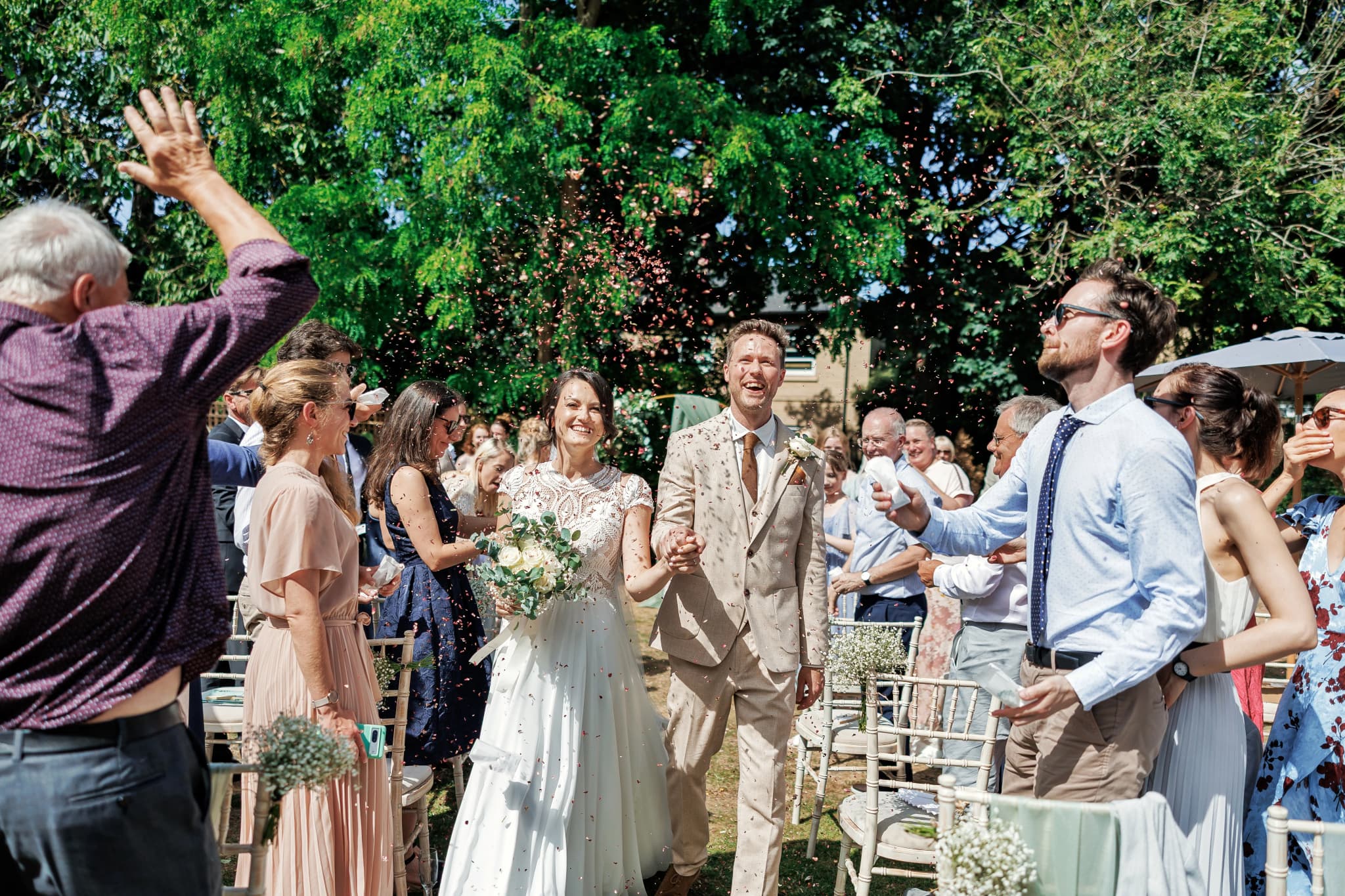

Yana Skakun
Photographer · England
Professional wedding, family and portrait photographer based in England. Passionate about capturing authentic emotions and timeless moments.
About Yana →registryofficeweddingtimeline
Wedding Planning — Professional Photography in Cambridge & England
Yana Skakun is a professional photographer based in Cambridge, covering weddings, families, and portraits across England. Every session is personal — planned around your story, your people, and the moments that matter most. This guide — Registry Office Wedding Timeline: Maximising a Short Ceremony — is part of the photography journal: practical, experience-based advice drawn from real sessions across England. Whether you arrived searching for registry or office, the same care and attention shapes every session Yana photographs.
Professional Photography sessions are available year-round, with bookings open across Cambridge, Ely, Huntingdon, Peterborough, and further afield — East England, London, the Midlands, and beyond. If you have specific questions about wedding, mention it in your enquiry. Get in touch through the contact form above to check availability and discuss your session. Enquiries are welcomed from anywhere in the UK.
Frequently Asked Questions
What camera settings should I use for outdoor portraits?+
For outdoor portraits, shoot in aperture priority mode. Use a wide aperture (f/1.8–f/2.8) to blur the background and isolate your subject. Keep ISO as low as possible in good light. In bright conditions, use a neutral density filter or switch to manual to avoid overexposure at wide apertures.
What is the golden hour in photography?+
Golden hour is the period roughly 30–60 minutes after sunrise and before sunset. The sun is low in the sky, producing warm, soft, directional light that flatters skin tones and creates beautiful long shadows. It's widely considered the best natural light for portrait and outdoor photography.
How do you get sharp photos in low light?+
In low light, increase your ISO (accepting some grain), use the widest aperture your lens allows, and slow your shutter speed to the slowest you can hand-hold without camera shake (roughly 1/focal length as a guide). Use image stabilisation if available, and consider a tripod for static subjects.
What is the rule of thirds in photography?+
The rule of thirds divides the frame into a 3×3 grid. Placing your subject on one of the four intersection points — rather than dead centre — creates a more dynamic, visually interesting composition. It's a guideline, not a rule: some of the most powerful images break it deliberately.
How do you edit photos to look professional?+
Professional editing starts with shooting in RAW format. In Lightroom or similar software, correct exposure, white balance, and contrast first. Recover shadow and highlight detail. Apply gentle colour grading for mood. Be conservative with skin retouching — the goal is natural enhancement, not transformation. Consistency across a set of images is what separates professional from amateur editing.


Get in Touch
Ready to Book Your Session?
Get in touch to discuss your vision — I'll reply within 24 hours.