Yana Skakun

Travel Time Between Venues: The Silent Timeline Killer
By Yana Skakun·10 June 2026·6 min read
Of all the things that quietly unravel a wedding day, travel time is the one nobody sees coming. You've planned the ceremony, the speeches, the first dance — but the fifteen-minute drive between the church and the reception somehow becomes forty, and suddenly your golden-hour portraits are gone, the canapés are cold, and everyone is glancing at their watches. After photographing weddings across Cambridgeshire and Suffolk for years, I can tell you that the gap between venues is the single most underestimated part of the timeline.
Why 'Fifteen Minutes' Is Almost Never Fifteen Minutes
When couples tell me their two venues are "just down the road," they usually mean the distance a satnav shows them on a quiet Tuesday afternoon. Wedding days are not quiet Tuesday afternoons. You're moving a large group of people who don't know the route, half of whom are in heels, and at least three of whom will need the loo before they leave.
The honest rule I share with every couple is to take whatever the map app tells you and roughly double it. A ten-minute drive realistically eats twenty to twenty-five minutes once you factor in everyone gathering their things, parking at the far end, and the inevitable straggler. It feels generous when you're planning in the calm of your living room. On the day, you'll be grateful for every minute of it.
The Hidden Delays That Eat Your Schedule
It's rarely the driving itself that runs over — it's everything wrapped around it. Confetti lines, group hugs outside the church, the bride finding her dress won't fit easily into the car, and the photographer (yes, me) wanting just thirty more seconds for a shot. Each of these is small. Stacked together, they swallow half an hour before a single wheel turns.
Rural Cambridgeshire and Suffolk add their own quirks. Narrow lanes around villages like Lavenham or Grantchester don't take kindly to a convoy of cars. Market days in towns like Ely or Bury St Edmunds can clog routes you'd never expect. And if your reception is at a converted barn down a single-track farm road, allow extra time for cars passing one another and for guests creeping along carefully in their best shoes.
Here are the recurring culprits I see swallow more minutes than anyone budgets for:
- ◆The confetti scrum: Everyone wants a photo and a hug before you leave the ceremony; this alone routinely runs fifteen minutes past schedule.
- ◆Parking and walking: Country venues often have car parks a field away from the entrance, adding a slow, scenic trek at both ends.
- ◆The lead-car problem: Guests follow the wedding car, so one wrong turn or one driver who stops for fuel delays the entire convoy.
- ◆Loo and refreshment stops: After a long ceremony, people need a break before settling in; build a buffer rather than fight it.
- ◆Weather in the open: A sudden shower across the Fens means dashing for cover, umbrellas, and a slower, more cautious drive.
- ◆The forgotten thing: Someone always leaves a coat, a bouquet, or a child behind, triggering a five-minute return trip.
How to Budget Transfer Time Properly
Start by driving the route yourself, ideally on a day and time close to your wedding. A Saturday in June behaves very differently from a wet Wednesday in November. Note where you slow down, where parking is awkward, and how long it genuinely takes door to door — not satnav to satnav.
Then add three distinct buffers: one for leaving the first venue, one for the drive itself, and one for arriving and settling at the second. I usually advise a minimum of forty-five minutes between "ceremony ends" and "reception drinks begin" even for venues that are physically close, because that window absorbs the confetti, the family photos, and the transfer all at once. If your venues are twenty miles apart, an hour and a half is far more realistic than the hour you're tempted to pencil in.
Crucially, protect your light. In a Suffolk summer, sunset sits around half nine, but in an autumn wedding it can fall before five. If portraits matter to you — and they almost always do — we work backwards from that golden hour and make sure travel doesn't devour it.
Making the Journey Part of the Day
Here's the reframe I love: the transfer doesn't have to be dead time. Some of my favourite quiet moments happen in the car, when a couple finally has five minutes alone, married, away from the crowd. A relaxed transfer with breathing room often produces more genuine photographs than a frantic dash ever could.
If your two venues are a fair distance apart, consider a few minutes at a scenic stop along the way — a stretch of countryside, a riverside spot in Cambridge, or a pretty village green. Planned into the timeline rather than squeezed out of it, that pause becomes a gift rather than a problem.
Building a Timeline That Holds
A good wedding timeline isn't the one that fits everything in perfectly; it's the one that survives contact with the real day. That means generous buffers, a clear plan for who leads the convoy, and a photographer who knows the local roads and has a backup plan when the heavens open over the Fens.
When I work with couples, mapping the gaps between venues is one of the first things we do together. I'd rather give you an honest timeline with room to breathe than a tidy one that collapses by mid-afternoon. Protect the transfers, and the rest of the day tends to look after itself.
Worried your two venues are too far apart to make it work?
I help couples across Cambridgeshire and Suffolk build realistic timelines that protect the light, the portraits, and the calm. Let's map your day together.
Check Your Date →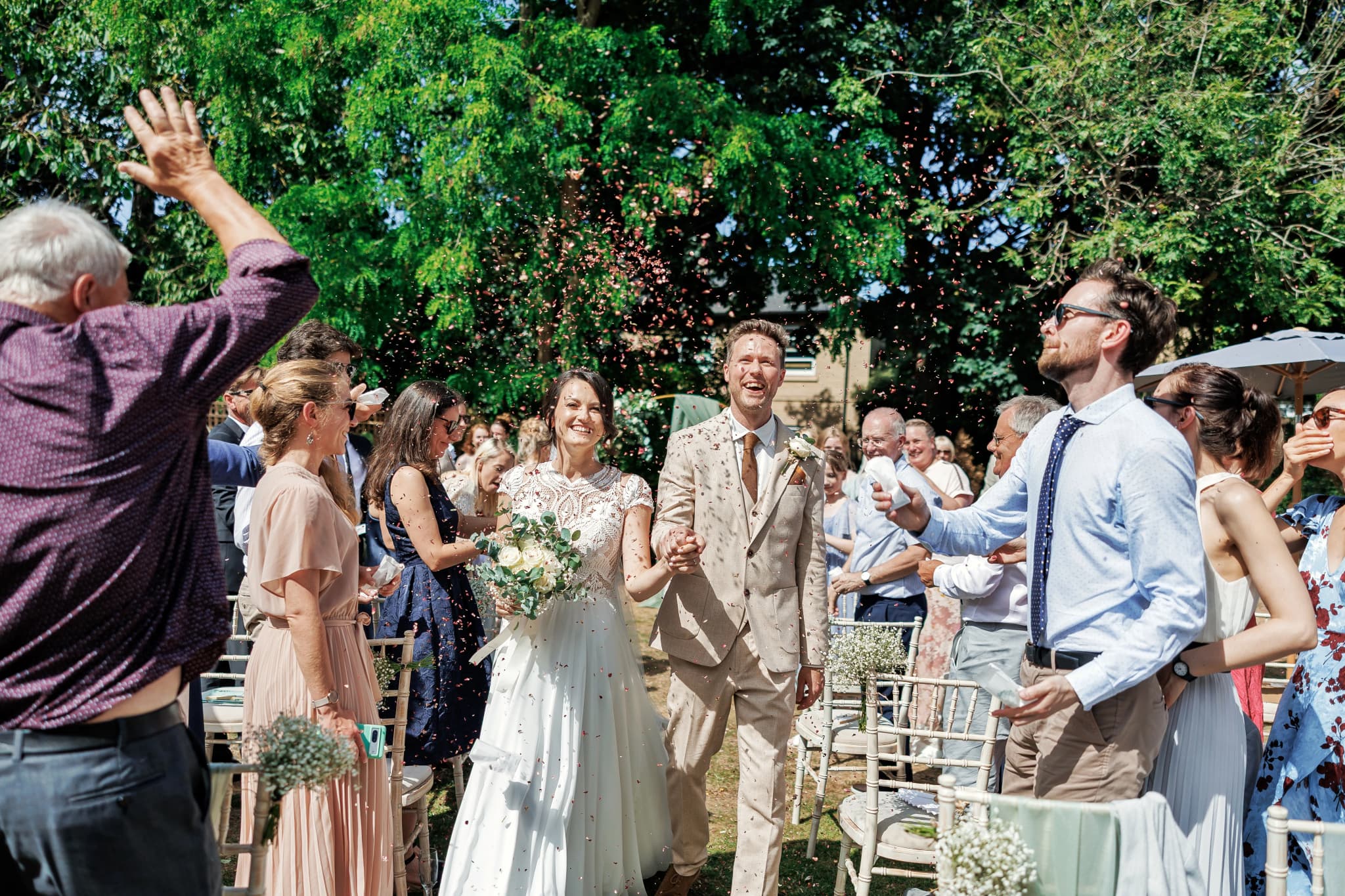

Yana Skakun
Photographer · England
Professional wedding, family and portrait photographer based in England. Passionate about capturing authentic emotions and timeless moments.
About Yana →traveltimebetweenvenues
Wedding Planning — Professional Photography in Cambridge & England
Yana Skakun is a professional photographer based in Cambridge, covering weddings, families, and portraits across England. Every session is personal — planned around your story, your people, and the moments that matter most. This guide — Travel Time Between Venues: The Silent Timeline Killer — is part of the photography journal: practical, experience-based advice drawn from real sessions across England. Whether you arrived searching for travel or time, the same care and attention shapes every session Yana photographs.
Professional Photography sessions are available year-round, with bookings open across Cambridge, Ely, Huntingdon, Peterborough, and further afield — East England, London, the Midlands, and beyond. If you have specific questions about between, mention it in your enquiry. Get in touch through the contact form above to check availability and discuss your session. Enquiries are welcomed from anywhere in the UK.
Frequently Asked Questions
What camera settings should I use for outdoor portraits?+
For outdoor portraits, shoot in aperture priority mode. Use a wide aperture (f/1.8–f/2.8) to blur the background and isolate your subject. Keep ISO as low as possible in good light. In bright conditions, use a neutral density filter or switch to manual to avoid overexposure at wide apertures.
What is the golden hour in photography?+
Golden hour is the period roughly 30–60 minutes after sunrise and before sunset. The sun is low in the sky, producing warm, soft, directional light that flatters skin tones and creates beautiful long shadows. It's widely considered the best natural light for portrait and outdoor photography.
How do you get sharp photos in low light?+
In low light, increase your ISO (accepting some grain), use the widest aperture your lens allows, and slow your shutter speed to the slowest you can hand-hold without camera shake (roughly 1/focal length as a guide). Use image stabilisation if available, and consider a tripod for static subjects.
What is the rule of thirds in photography?+
The rule of thirds divides the frame into a 3×3 grid. Placing your subject on one of the four intersection points — rather than dead centre — creates a more dynamic, visually interesting composition. It's a guideline, not a rule: some of the most powerful images break it deliberately.
How do you edit photos to look professional?+
Professional editing starts with shooting in RAW format. In Lightroom or similar software, correct exposure, white balance, and contrast first. Recover shadow and highlight detail. Apply gentle colour grading for mood. Be conservative with skin retouching — the goal is natural enhancement, not transformation. Consistency across a set of images is what separates professional from amateur editing.


Get in Touch
Ready to Book Your Session?
Get in touch to discuss your vision — I'll reply within 24 hours.