Yana Skakun

Two-Venue Wedding Timeline: Church to Reception Without Stress
By Yana Skakun·10 June 2026·6 min read
A church ceremony in one village and a reception in a barn fifteen miles away is one of the most common shapes a wedding day takes here in Cambridgeshire and Suffolk. It's also where most timelines quietly fall apart. The travel gap between your two venues isn't dead time to be squeezed — it's a moving part that needs planning as carefully as the vows. Get it right and the day flows; get it wrong and you spend your afternoon watching the clock instead of your guests.
Map the real journey, not the optimistic one
The first mistake I see couples make is trusting a single satnav estimate they checked on a quiet Tuesday. A twenty-minute drive between a church near Saffron Walden and a country house outside Bury St Edmunds can become forty on a Saturday in summer, especially if your route touches the A14 or threads through market-town centres on a busy weekend. Always add a buffer of at least a third on top of whatever your phone tells you.
Then think about the whole convoy, not just your own car. Forty guests leaving a small church car park at the same moment do not move at the speed of one vehicle. Narrow Suffolk lanes, a single-track bridge, or a level crossing can hold everyone up. I always recommend driving the exact route yourself in the weeks before, ideally on the same day of the week and at roughly the same time, so the estimate is honest rather than hopeful.
Write the journey down as a fixed block in your schedule with its own start and end time. Treat it as an event, not a gap. The moment travel has a name and a slot on the running order, your suppliers and your wedding party stop guessing and start arriving when they should.
Build the timeline backwards from sunset
I plan almost every two-venue day backwards from the light. In a British summer the golden hour can sit anywhere from half past seven to gone nine in the evening, while a winter wedding may lose the sun before four. Your couple portraits, the moment you actually slow down and breathe together, want that soft light — so I fix that slot first and let everything else arrange around it.
Once the photography window is anchored, work the rest backwards: speeches and dinner before it or after it, drinks reception on arrival, and the travel block bridging church and venue. When you sketch it this way you quickly see whether your ceremony time gives the day enough room. A two o'clock church service with a long drive often leaves things comfortable; a half-three service in October can run out of daylight before you've even cut the cake.
The arrival gap is a feature, not a fault
Couples worry that guests will be left stranded if the newlyweds arrive at the reception after everyone else. In practice a slight stagger is exactly what you want. While you take a few quiet portraits near the church or stop somewhere photogenic on the way, your guests travel ahead, park, find a drink and settle. By the time you walk in, the room is warm and the welcome is genuine rather than a sea of people who've been waiting on you.
The trick is making that gap feel intentional. Brief whoever greets guests — a venue coordinator, a trusted usher, a member of the band — so canapés and the first round of drinks are already moving before you appear. Thirty to forty minutes is plenty. Much more than an hour and the energy starts to sag, so resist the urge to schedule a marathon of family group shots at the church when most of those photographs are calmer and quicker at the reception garden anyway.
A working two-venue running order
Here is the shape I return to again and again for a summer wedding with a fifteen-to-twenty-minute drive between venues. Adjust the clock to your own ceremony time, but keep the proportions and the named travel block intact.
- ◆1:00 pm: Guests arrive and are seated at the church; ushers manage parking before everyone heads off afterwards.
- ◆1:30 pm: Ceremony begins; confetti and a handful of family groups follow on the church steps, kept short and sweet.
- ◆2:30 pm: Travel block — the whole party moves to the reception venue with a generous buffer built in for traffic.
- ◆3:00 pm: Drinks reception underway; guests settle while you take a relaxed stroll for couple portraits nearby.
- ◆4:30 pm: Guests called through for the wedding breakfast and speeches once everyone has arrived and unwound.
- ◆7:45 pm: Golden-hour portraits stolen between courses or after dinner, then evening guests and the first dance.
Notice how little of the day is actually spent travelling, yet how much smoother it runs once that movement has its own protected slot. The reception venue should know your expected arrival time to the quarter hour so the kitchen isn't holding a hot meal or scrambling to catch up.
Brief your suppliers and plan for British weather
Your photographer, videographer, band and florist all need to know they are working across two sites. I plan my own movement carefully so I'm photographing your confetti at the church, then ahead of you at the reception to catch your arrival — that only works when the timeline is agreed in advance. Share one master running order with every supplier rather than letting each keep their own version, because mismatched schedules are where two-venue days unravel.
Finally, plan for rain, because this is England. Have a wet-weather plan for both the church exit and the reception arrival: a covered porch, a row of clear umbrellas, a barn doorway that still photographs beautifully. A short drive in a downpour is far less stressful when nobody is improvising at either end. The couples who relax into their day are simply the ones who decided, weeks earlier, exactly how they'd get from one place to the next.
Planning a church-to-reception wedding across two venues?
I photograph two-venue weddings across Cambridgeshire, Suffolk and the wider East of England, and I'll help you build a timeline that keeps the travel calm and the day flowing.
Check Your Date →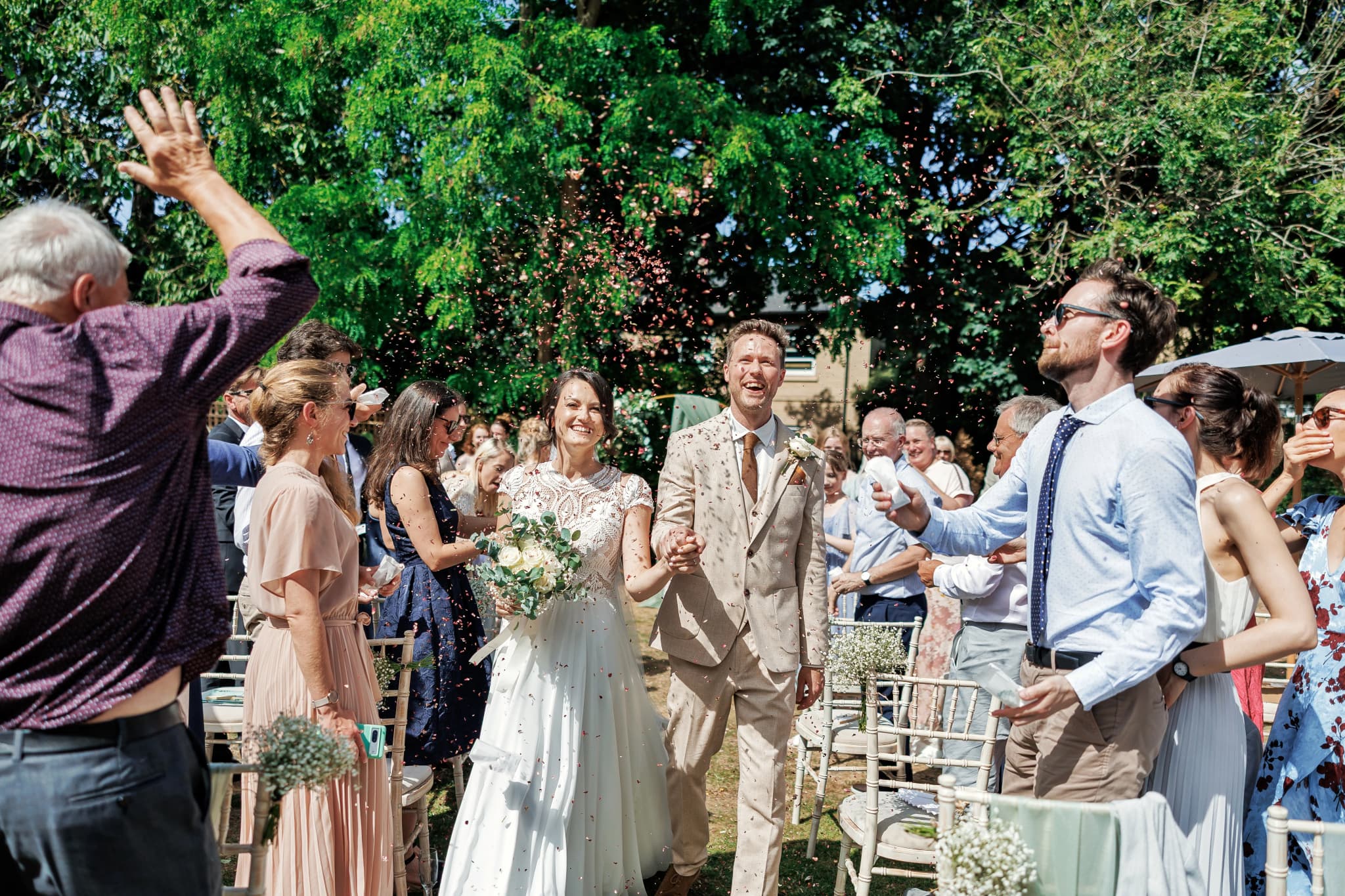

Yana Skakun
Photographer · England
Professional wedding, family and portrait photographer based in England. Passionate about capturing authentic emotions and timeless moments.
About Yana →twovenueweddingtimeline
Wedding Planning — Professional Photography in Cambridge & England
Yana Skakun is a professional photographer based in Cambridge, covering weddings, families, and portraits across England. Every session is personal — planned around your story, your people, and the moments that matter most. This guide — Two-Venue Wedding Timeline: Church to Reception Without Stress — is part of the photography journal: practical, experience-based advice drawn from real sessions across England. Whether you arrived searching for two or venue, the same care and attention shapes every session Yana photographs.
Professional Photography sessions are available year-round, with bookings open across Cambridge, Ely, Huntingdon, Peterborough, and further afield — East England, London, the Midlands, and beyond. If you have specific questions about wedding, mention it in your enquiry. Get in touch through the contact form above to check availability and discuss your session. Enquiries are welcomed from anywhere in the UK.
Frequently Asked Questions
What camera settings should I use for outdoor portraits?+
For outdoor portraits, shoot in aperture priority mode. Use a wide aperture (f/1.8–f/2.8) to blur the background and isolate your subject. Keep ISO as low as possible in good light. In bright conditions, use a neutral density filter or switch to manual to avoid overexposure at wide apertures.
What is the golden hour in photography?+
Golden hour is the period roughly 30–60 minutes after sunrise and before sunset. The sun is low in the sky, producing warm, soft, directional light that flatters skin tones and creates beautiful long shadows. It's widely considered the best natural light for portrait and outdoor photography.
How do you get sharp photos in low light?+
In low light, increase your ISO (accepting some grain), use the widest aperture your lens allows, and slow your shutter speed to the slowest you can hand-hold without camera shake (roughly 1/focal length as a guide). Use image stabilisation if available, and consider a tripod for static subjects.
What is the rule of thirds in photography?+
The rule of thirds divides the frame into a 3×3 grid. Placing your subject on one of the four intersection points — rather than dead centre — creates a more dynamic, visually interesting composition. It's a guideline, not a rule: some of the most powerful images break it deliberately.
How do you edit photos to look professional?+
Professional editing starts with shooting in RAW format. In Lightroom or similar software, correct exposure, white balance, and contrast first. Recover shadow and highlight detail. Apply gentle colour grading for mood. Be conservative with skin retouching — the goal is natural enhancement, not transformation. Consistency across a set of images is what separates professional from amateur editing.


Get in Touch
Ready to Book Your Session?
Get in touch to discuss your vision — I'll reply within 24 hours.