Yana Skakun

The Best Vegan Wedding Caterers in the UK
By Yana Skakun·10 June 2026·6 min read
As a wedding photographer who spends most of the year crouched near the top table waiting for the right light, I've eaten my way through a lot of canapés. So when couples ask me which plant-based caterers are genuinely worth booking, I have opinions. The best vegan wedding caterers in the UK aren't serving an apologetic side dish of risotto anymore — they're building menus so good that the meat-eaters at table seven ask for seconds without ever clocking it was cruelty-free.
Why vegan wedding food has finally come of age
I've been photographing weddings around Cambridge, Suffolk and the wider East of England for years, and the shift in the last few seasons has been remarkable. A decade ago a vegan main was a quiet concession on a dietary card. Now I'm regularly shooting full plant-based wedding breakfasts at barns near Newmarket and walled gardens in Cambridgeshire, and the plates are some of the most photogenic of the day.
Part of that is technique. Good plant-based caterers lean into seasonal British produce — heritage tomatoes in August, roasted roots and squash for an autumn do, wild garlic in a damp spring. The colour on the plate is incredible, which my camera loves, and the food actually tastes of something rather than hiding behind a sauce. The other part is confidence: these chefs aren't mimicking a roast dinner, they're cooking dishes that happen to be vegan and stand entirely on their own.
What separates a great plant-based caterer from an average one
Couples often assume the headline question is "can you do vegan?" when the real question is "can you do vegan for a hundred and twenty guests, served hot, in a field, in October?" Logistics make or break a wedding meal far more than the recipe does. A caterer who is calm about a marquee with no fixed kitchen is worth their weight in gold.
From the sidelines I've learned to spot the good ones quickly. They ask about your venue's power supply before they ask about your colour scheme. They plate consistently so the fortieth dish looks like the first. And crucially, they understand that a wedding is a performance with a tight running order — the food has to land between the speeches and the first dance without anyone in the room feeling the wait.
Here are the things I'd quietly check before signing a contract, based on the suppliers who consistently impress me on the day:
- ◆Seasonal sourcing: Ask where the produce comes from. The strongest UK vegan caterers build menus around local farms and what's actually ripe that month, not a fixed year-round list.
- ◆Real tasting menu: A proper tasting session, not a photo on Instagram. You should leave knowing exactly how your main will look and taste on the plate.
- ◆Off-grid capability: Many of the best East Anglian venues are barns and marquees with limited kitchens. Confirm they can cook brilliantly without a fitted oven on site.
- ◆Allergen literacy: Vegan does not mean allergy-free. Strong teams handle gluten, nut and soya cross-contamination as a matter of routine, with clear labelling for guests.
- ◆Service style fit: Family-style sharing boards, plated fine dining or grazing feasts each change the room's energy. Pick the one that suits your day, not theirs.
- ◆Waste and ethics: If you're marrying for a cruelty-free reason, the caterer's sourcing, packaging and food-waste plan should match those values end to end.
Standout styles I keep seeing work beautifully
Grazing tables have been the quiet winner at the relaxed countryside weddings I shoot. A long table of dips, charred vegetables, breads, olives and seasonal fruit is endlessly photogenic, encourages guests to mingle, and sidesteps the awkward sit-down timing entirely. For a barn near Bury St Edmunds with low evening light, it's honestly hard to beat.
At the smarter end, plated fine dining has come a long way. I've watched guests genuinely surprised by a celeriac centrepiece or a wild mushroom dish that holds its own against any beef Wellington. If your venue is a grand house or a city hall in Cambridge, a refined plated menu reads as elegantly on camera as it does on the palate.
Don't overlook the puddings, either. A vegan dessert table — think dark chocolate tarts, fruit galettes and coconut panna cotta — photographs like a still-life painting and gives me something gorgeous to shoot while the band sets up.
Booking smart in the East of England
Demand for genuinely good plant-based catering has outpaced supply, especially around Cambridgeshire and Suffolk where popular barns book out eighteen months ahead. The caterers I'd recommend get reserved early, so if a cruelty-free celebration matters to you, treat catering with the same urgency as your venue rather than as an afterthought.
One practical tip: tell your caterer the realistic running order and the British weather plan. A summer garden reception and a wet November marquee need completely different food strategies, and the suppliers who ask about that upfront are the ones who deliver on the day. I've never once regretted recommending a caterer who started the conversation with logistics rather than flourish.
Planning a plant-based wedding in Cambridgeshire or beyond?
I love photographing thoughtful, ethical weddings and I'm always happy to share the suppliers and venues I've seen do it brilliantly. Let's talk about your day.
Check Your Date →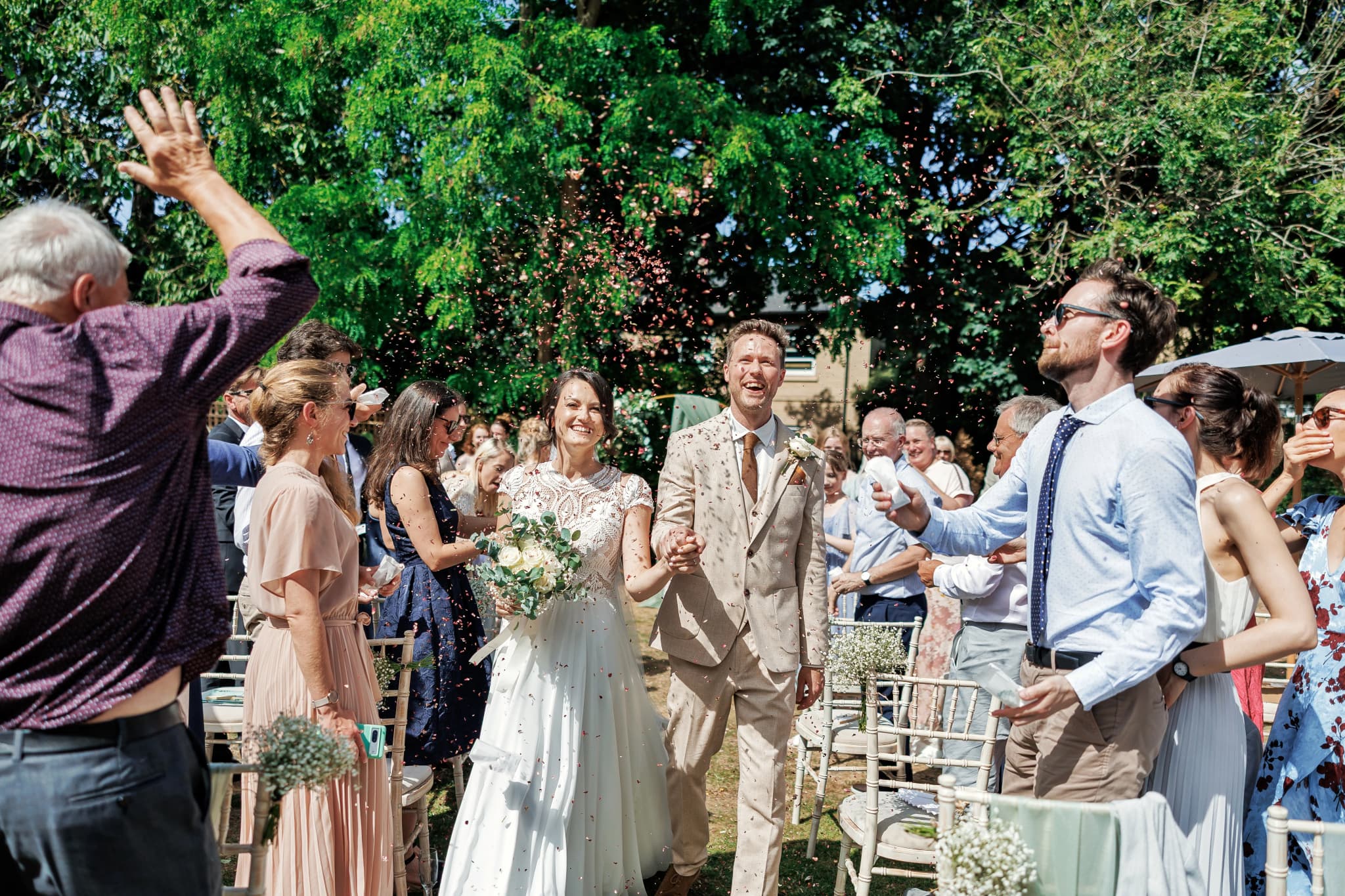

Yana Skakun
Photographer · England
Professional wedding, family and portrait photographer based in England. Passionate about capturing authentic emotions and timeless moments.
About Yana →veganweddingcaterersuk
Wedding Planning — Professional Photography in Cambridge & England
Yana Skakun is a professional photographer based in Cambridge, covering weddings, families, and portraits across England. Every session is personal — planned around your story, your people, and the moments that matter most. This guide — The Best Vegan Wedding Caterers in the UK — is part of the photography journal: practical, experience-based advice drawn from real sessions across England. Whether you arrived searching for vegan or wedding, the same care and attention shapes every session Yana photographs.
Professional Photography sessions are available year-round, with bookings open across Cambridge, Ely, Huntingdon, Peterborough, and further afield — East England, London, the Midlands, and beyond. If you have specific questions about caterers, mention it in your enquiry. Get in touch through the contact form above to check availability and discuss your session. Enquiries are welcomed from anywhere in the UK.
Frequently Asked Questions
What camera settings should I use for outdoor portraits?+
For outdoor portraits, shoot in aperture priority mode. Use a wide aperture (f/1.8–f/2.8) to blur the background and isolate your subject. Keep ISO as low as possible in good light. In bright conditions, use a neutral density filter or switch to manual to avoid overexposure at wide apertures.
What is the golden hour in photography?+
Golden hour is the period roughly 30–60 minutes after sunrise and before sunset. The sun is low in the sky, producing warm, soft, directional light that flatters skin tones and creates beautiful long shadows. It's widely considered the best natural light for portrait and outdoor photography.
How do you get sharp photos in low light?+
In low light, increase your ISO (accepting some grain), use the widest aperture your lens allows, and slow your shutter speed to the slowest you can hand-hold without camera shake (roughly 1/focal length as a guide). Use image stabilisation if available, and consider a tripod for static subjects.
What is the rule of thirds in photography?+
The rule of thirds divides the frame into a 3×3 grid. Placing your subject on one of the four intersection points — rather than dead centre — creates a more dynamic, visually interesting composition. It's a guideline, not a rule: some of the most powerful images break it deliberately.
How do you edit photos to look professional?+
Professional editing starts with shooting in RAW format. In Lightroom or similar software, correct exposure, white balance, and contrast first. Recover shadow and highlight detail. Apply gentle colour grading for mood. Be conservative with skin retouching — the goal is natural enhancement, not transformation. Consistency across a set of images is what separates professional from amateur editing.


Get in Touch
Ready to Book Your Session?
Get in touch to discuss your vision — I'll reply within 24 hours.