Yana Skakun

Top 10 Intimate Venues for Vow Renewals Near London
By Yana Skakun·10 June 2026·6 min read
A vow renewal asks for something different from a wedding. There's no guest list to wrangle, no schedule to obey, no pressure to perform for two hundred people. After photographing renewals across the Home Counties for years, I've learned that the loveliest ones happen in small rooms and quiet gardens within an easy drive of London — places where ten or twelve people can gather, mean every word, and still be home for supper. Here are the intimate venues I keep recommending to couples ready to say it all again.
What makes a venue right for an intimate renewal
The instinct is to book somewhere grand, but grandeur tends to swallow a small party whole. A renewal for ten people in a ballroom built for three hundred feels lonely, and it photographs that way too. What you actually want is a room that fits you snugly — somewhere the voices carry, the candles do real work, and nobody is sitting forty feet from the action.
I also tell couples to think about light and weather before anything else. Much of the year near London is grey and changeable, so a venue with big windows or a covered terrace earns its keep. East of the city — Cambridgeshire, Suffolk, north Essex — tends to be drier and flatter, which means longer golden-hour light across open fields in the late afternoon. That single hour, more than any chandelier, is what makes the pictures sing.
Ten small venues I love within reach of London
These are the kinds of places that suit a renewal of two to twenty guests. I've grouped them by character rather than postcode, because the right choice depends entirely on the day you're imagining — barefoot in a walled garden, or candlelit under old beams.
- ◆A Suffolk barn: Restored timber barns near Lavenham and Long Melford seat a dozen beautifully and look extraordinary with festoon lights and a single long table.
- ◆A Cambridge college room: Several colleges hire out their smaller panelled rooms and Fellows' gardens for private gatherings — centuries of stone and ivy, ten minutes from the station.
- ◆A walled kitchen garden: Country house gardens around Hertfordshire and Essex offer enclosed, sheltered green rooms that stay calm even on a breezy day.
- ◆A riverside pub or inn: A private upstairs room along the Cam, the Lea or the Thames gives you warmth, good food and zero logistics to manage.
- ◆A boutique country hotel: Small Georgian and Victorian hotels in the Chilterns do an elopement-style package with a few rooms for the night included.
- ◆A glasshouse or orangery: All-weather and full of light, an orangery near London lets you have the garden feeling whatever the forecast does.
Beyond those six characters, the remaining favourites round out my ten: a Cambridgeshire converted chapel with extraordinary acoustics, a small vineyard tasting room in north Essex, a National Trust tea-room with private evening hire, and a tucked-away artist's studio in Hackney for couples who want the city itself in frame.
Making the most of a smaller space
Intimacy is a gift to photography, but only if the venue is dressed for it. I ask couples to keep the table low and the candles many — tapers and tea-lights read far better in pictures than overhead spotlights, which flatten everyone. If the room has one good window, we'll hold the ceremony beside it so your faces catch soft, natural light at the exact moment you speak.
Small venues also let you do things a wedding never could. We can pause for a ten-minute walk in the garden between the vows and the toast, or step outside at dusk while your guests refill their glasses. With so few people, nobody feels abandoned, and those quiet in-between moments are usually the frames you end up framing for the hall.
Timing, seasons and the British forecast
For an outdoor element, May to early July and the first half of September are the safest bets near London — warm enough for a garden ceremony, without the deep summer crowds at the prettiest venues. Whatever the season, I always plan a wet-weather corner indoors and treat it as a feature rather than a fallback. A renewal lit by lamplight while rain runs down old glass can be every bit as romantic as full sun.
Book the light, not just the date. I aim ceremonies for roughly ninety minutes before sunset so the vows happen in the warm afternoon glow and we still have time for portraits afterwards. In a small venue this is easy to arrange, because there's no large timetable fighting you for the room.
A quiet word on guest numbers
The couples who look back happiest are almost always the ones who kept it small on purpose. Ten to twenty people means everyone in the room genuinely knows you, the speeches are short and true, and the whole day breathes. It also keeps the cost sane, which leaves more room in the budget for the food, the flowers and the photography you'll actually keep.
Most of these venues sit within an hour of the M25, so older relatives can come for the afternoon without an overnight stay. That alone has saved more than one renewal I've shot — the people who matter most could be there, and gone home to their own beds, all in the same gentle day.
Planning to renew your vows somewhere small and beautiful near London?
I photograph intimate renewals across Cambridgeshire, Suffolk and the Home Counties, and I'm always happy to suggest venues that suit the day you have in mind. Tell me your date and I'll check my diary.
Check Your Date →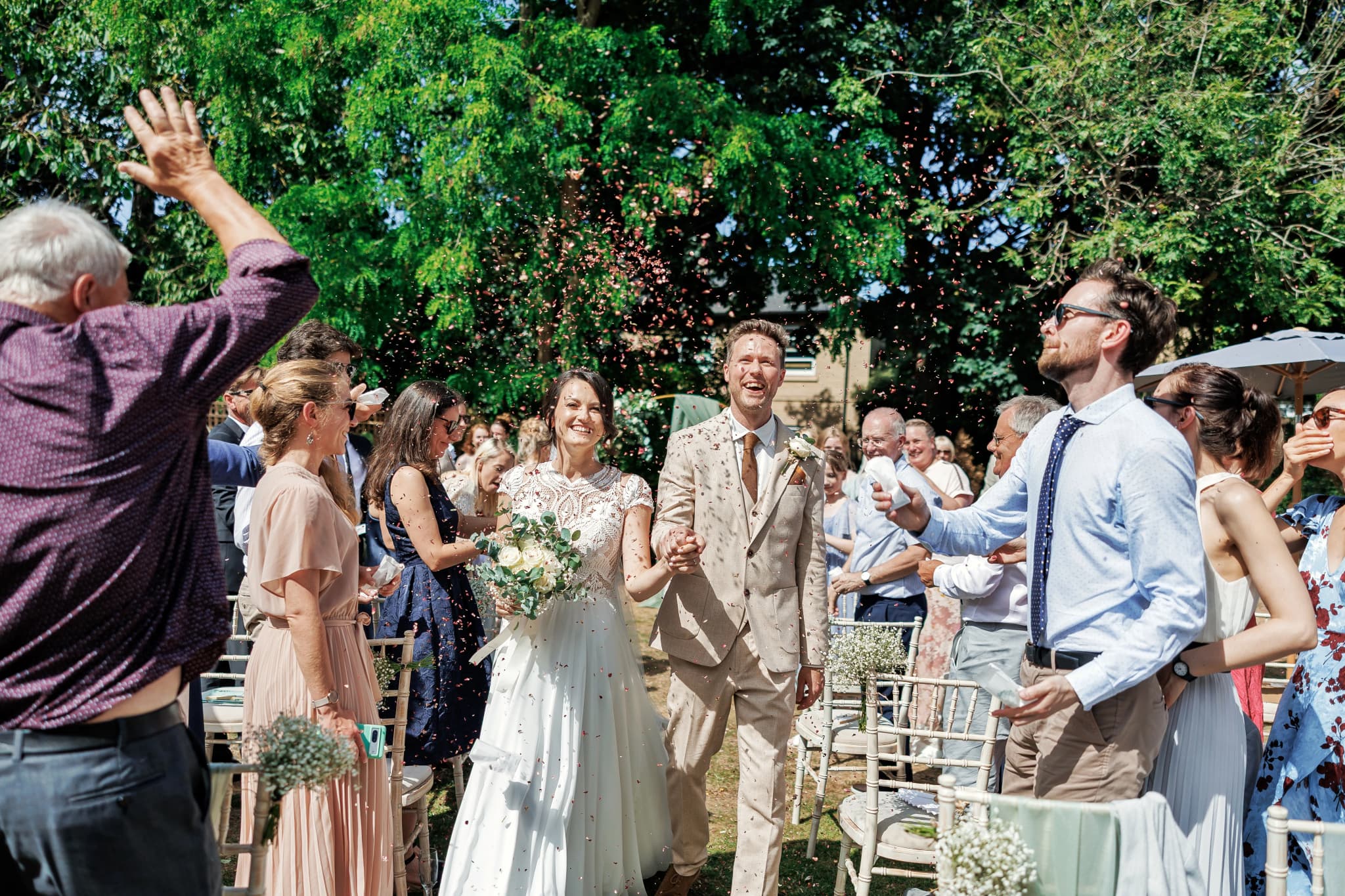

Yana Skakun
Photographer · England
Professional wedding, family and portrait photographer based in England. Passionate about capturing authentic emotions and timeless moments.
About Yana →venuesvowrenewalslondon
Wedding Planning — Professional Photography in Cambridge & England
Yana Skakun is a professional photographer based in Cambridge, covering weddings, families, and portraits across England. Every session is personal — planned around your story, your people, and the moments that matter most. This guide — Top 10 Intimate Venues for Vow Renewals Near London — is part of the photography journal: practical, experience-based advice drawn from real sessions across England. Whether you arrived searching for venues or vow, the same care and attention shapes every session Yana photographs.
Professional Photography sessions are available year-round, with bookings open across Cambridge, Ely, Huntingdon, Peterborough, and further afield — East England, London, the Midlands, and beyond. If you have specific questions about renewals, mention it in your enquiry. Get in touch through the contact form above to check availability and discuss your session. Enquiries are welcomed from anywhere in the UK.
Frequently Asked Questions
What camera settings should I use for outdoor portraits?+
For outdoor portraits, shoot in aperture priority mode. Use a wide aperture (f/1.8–f/2.8) to blur the background and isolate your subject. Keep ISO as low as possible in good light. In bright conditions, use a neutral density filter or switch to manual to avoid overexposure at wide apertures.
What is the golden hour in photography?+
Golden hour is the period roughly 30–60 minutes after sunrise and before sunset. The sun is low in the sky, producing warm, soft, directional light that flatters skin tones and creates beautiful long shadows. It's widely considered the best natural light for portrait and outdoor photography.
How do you get sharp photos in low light?+
In low light, increase your ISO (accepting some grain), use the widest aperture your lens allows, and slow your shutter speed to the slowest you can hand-hold without camera shake (roughly 1/focal length as a guide). Use image stabilisation if available, and consider a tripod for static subjects.
What is the rule of thirds in photography?+
The rule of thirds divides the frame into a 3×3 grid. Placing your subject on one of the four intersection points — rather than dead centre — creates a more dynamic, visually interesting composition. It's a guideline, not a rule: some of the most powerful images break it deliberately.
How do you edit photos to look professional?+
Professional editing starts with shooting in RAW format. In Lightroom or similar software, correct exposure, white balance, and contrast first. Recover shadow and highlight detail. Apply gentle colour grading for mood. Be conservative with skin retouching — the goal is natural enhancement, not transformation. Consistency across a set of images is what separates professional from amateur editing.


Get in Touch
Ready to Book Your Session?
Get in touch to discuss your vision — I'll reply within 24 hours.