Yana Skakun
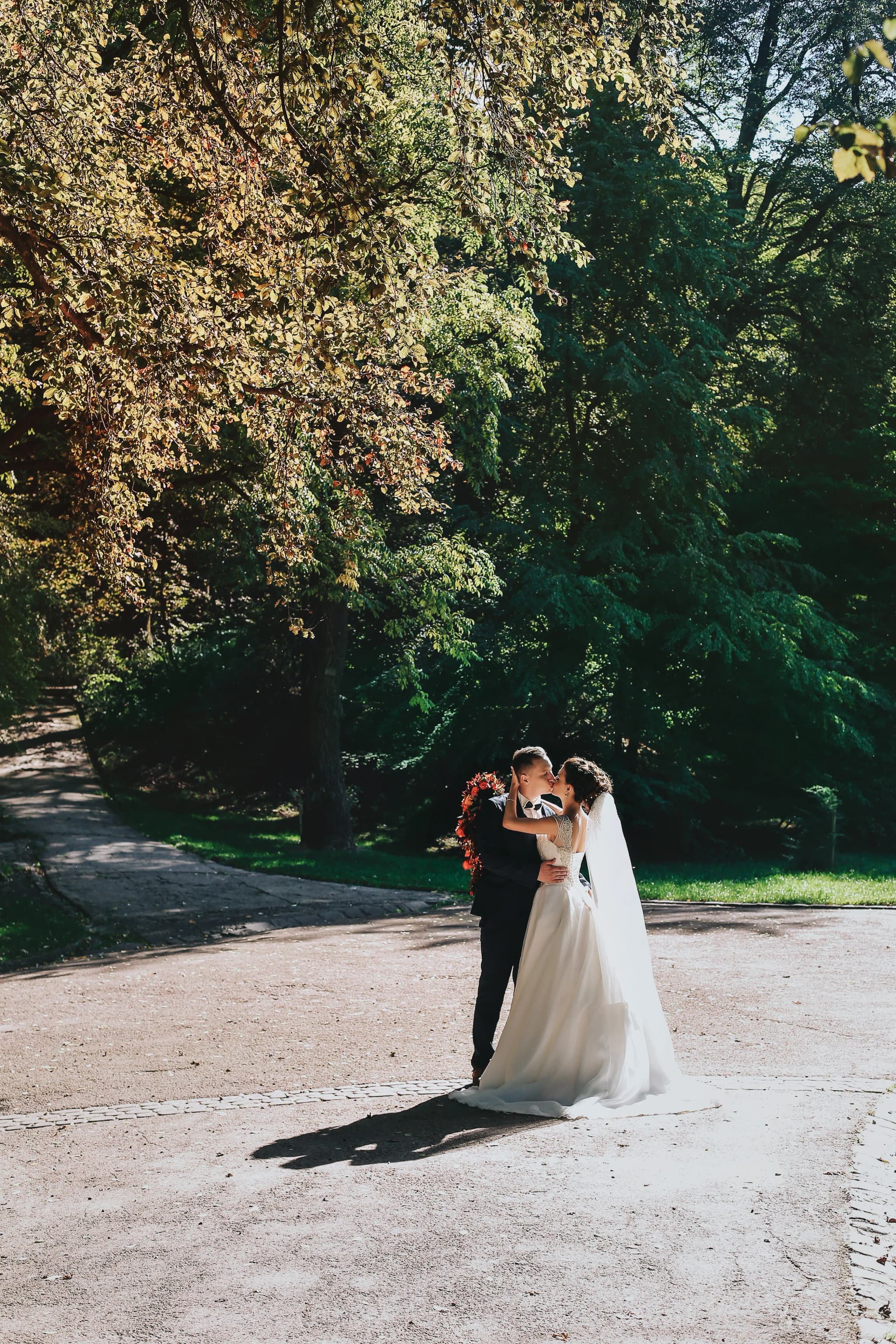
Vintage Wedding Photography: A Complete Style Guide
By Yana Skakun·4 June 2026·7 min read
Vintage wedding photography refers to an aesthetic approach that evokes the visual character of photographs from past decades — faded tones, shifted colour palettes, organic grain, and a timeless quality that feels removed from the sharp, saturated precision of contemporary digital photography. It is distinct from simply adding a filter to a modern image. When executed authentically, vintage wedding photography requires specific technical choices at every stage: how the image is captured, the light it is captured in, and how it is processed in editing.
What Defines an Authentic Vintage Aesthetic
- ◆Faded blacks and lifted shadows: Vintage photographs — particularly those from the 1960s through 1980s — have a characteristic lifted black point. Deep blacks fade to a soft grey-brown rather than true black. This is the single most recognisable quality of the aesthetic and is created in editing by lifting the black curve.
- ◆Shifted and muted colour: Vintage colour rendering is characterised by warm orange or red-shifted tones in highlights, cooler slightly green-shifted midtones, and an overall muted palette with reduced saturation in secondary colours like blue skies and green foliage.
- ◆Grain structure: Film grain from a medium-speed 35mm film (ISO 400 equivalent) has a specific organic character — irregular, luminance-based, and contributing to the sense that an image was made on physical material rather than a digital sensor.
- ◆Slightly soft rendering: Older lens designs are less clinically sharp in the corners and at wider apertures than modern optical designs. Images from genuinely older glass have a distinctive mild softness that contributes to the period quality. Modern photographers sometimes replicate this through post-processing haze.
- ◆Period-appropriate aspect ratio: Some vintage-aesthetic photographers shoot on square format or 6×7 medium format to further evoke the feel of professional photography from past decades.
Genuine Vintage Film vs. Digital Film Simulation
There are two distinct routes to vintage-looking wedding photographs. The first is shooting on actual film — 35mm or 120 medium format — using stocks like Kodak Portra, Fuji 400H, or Kodak Gold, which have their own genuine colour response and grain characteristics that cannot be fully replicated digitally. The second is digital capture processed with film simulation presets, colour grading, and added grain in post-production.
Both approaches can produce compelling results, but they are different in character. Genuine film has tonal transitions, highlight rolloff, and colour behaviour that remain distinguishable from digital simulation at close inspection. Digital simulation is more consistent, easier to control, and considerably less expensive per image. Many photographers who market a "vintage film" look are working digitally — this is not a shortcoming, provided the results are compelling.
Wedding Styling Elements That Photograph as Vintage
Photography can create a vintage aesthetic, but certain wedding styling choices reinforce or complement it:
- ◆Dried flower arrangements and neutral dried palettes rather than saturated fresh florals
- ◆Ivory, champagne, or ecru dress tones rather than bright white
- ◆Period venues — Victorian houses, Arts and Crafts interiors, Edwardian manor houses
- ◆Copper, antique gold, or aged brass details in stationery and table styling
- ◆Relaxed, undone hair rather than highly structured contemporary styling
Venues With Natural Period Character
Vintage aesthetics are reinforced by venues that have genuine period character rather than contemporary interiors. Victorian and Edwardian country houses, Arts and Crafts estates, Georgian manor houses, and old farmhouses with original features all provide the kind of architectural context that sits naturally within a vintage edit. Stark modern venues with clean minimalist design are technically possible to treat with a vintage edit, but there is a visual tension between the architecture and the aesthetic.
Wedding Photography in Cambridge
If you are drawn to the vintage film aesthetic for your wedding — warm, faded, and timeless — get in touch to discuss your venue and see galleries that reflect that approach.
See Wedding Galleries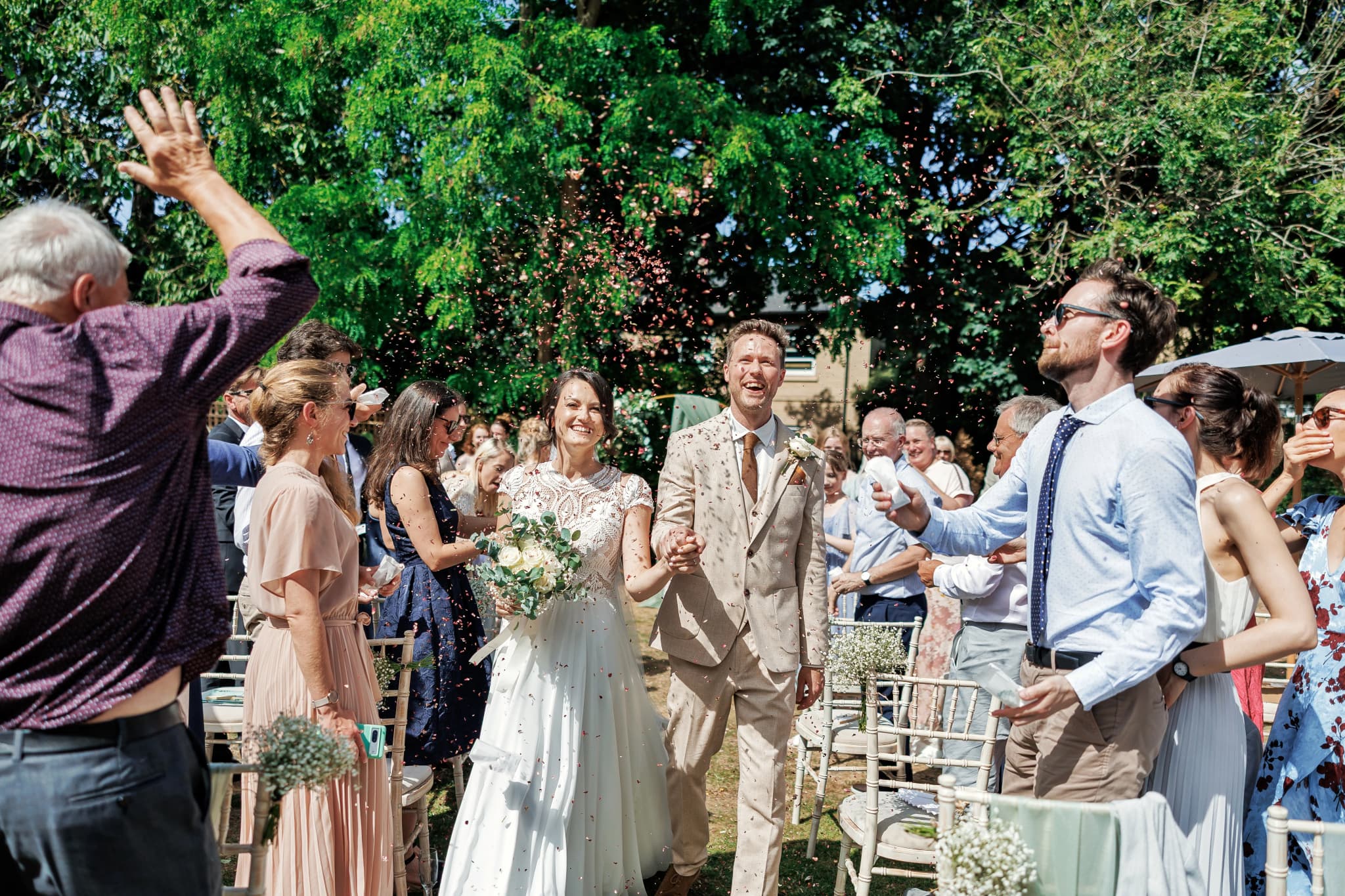

Yana Skakun
Photographer · England
Professional wedding, family and portrait photographer based in England. Passionate about capturing authentic emotions and timeless moments.
About Yana →vintage wedding photographyfilm grain wedding photosretro wedding photographer UK
Wedding Styles — Professional Photography in Cambridge & England
Yana Skakun is a professional photographer based in Cambridge, covering weddings, families, and portraits across England. Every session is personal — planned around your story, your people, and the moments that matter most. This guide — Vintage Wedding Photography: A Complete Style Guide — is part of the photography journal: practical, experience-based advice drawn from real sessions across England. Whether you arrived searching for vintage wedding photography or film grain wedding photos, the same care and attention shapes every session Yana photographs.
Professional Photography sessions are available year-round, with bookings open across Cambridge, Ely, Huntingdon, Peterborough, and further afield — East England, London, the Midlands, and beyond. If you have specific questions about retro wedding photographer uk, mention it in your enquiry. Get in touch through the contact form above to check availability and discuss your session. Enquiries are welcomed from anywhere in the UK.
Frequently Asked Questions
What camera settings should I use for outdoor portraits?+
For outdoor portraits, shoot in aperture priority mode. Use a wide aperture (f/1.8–f/2.8) to blur the background and isolate your subject. Keep ISO as low as possible in good light. In bright conditions, use a neutral density filter or switch to manual to avoid overexposure at wide apertures.
What is the golden hour in photography?+
Golden hour is the period roughly 30–60 minutes after sunrise and before sunset. The sun is low in the sky, producing warm, soft, directional light that flatters skin tones and creates beautiful long shadows. It's widely considered the best natural light for portrait and outdoor photography.
How do you get sharp photos in low light?+
In low light, increase your ISO (accepting some grain), use the widest aperture your lens allows, and slow your shutter speed to the slowest you can hand-hold without camera shake (roughly 1/focal length as a guide). Use image stabilisation if available, and consider a tripod for static subjects.
What is the rule of thirds in photography?+
The rule of thirds divides the frame into a 3×3 grid. Placing your subject on one of the four intersection points — rather than dead centre — creates a more dynamic, visually interesting composition. It's a guideline, not a rule: some of the most powerful images break it deliberately.
How do you edit photos to look professional?+
Professional editing starts with shooting in RAW format. In Lightroom or similar software, correct exposure, white balance, and contrast first. Recover shadow and highlight detail. Apply gentle colour grading for mood. Be conservative with skin retouching — the goal is natural enhancement, not transformation. Consistency across a set of images is what separates professional from amateur editing.
Get in Touch
Ready to Book Your Session?
Get in touch to discuss your vision — I'll reply within 24 hours.