Yana Skakun

Vow Renewal Photography Timeline: How it Differs from a Wedding Day
By Yana Skakun·10 June 2026·6 min read
After photographing weddings across Cambridgeshire and Suffolk for years, I've found that a vow renewal asks for a completely different rhythm. There's no wedding-morning frenzy, no schedule policed by a registrar to the minute, and far less of the gentle chaos that comes with a hundred-and-fifty guests. A vow renewal photography timeline is shorter, softer and built around the people who already know your story. Here's how I plan the day so it feels relaxed rather than rushed.
Why a Renewal Doesn't Need a Wedding-Length Timeline
A first wedding day carries a lot of administrative weight. You're juggling legal paperwork, a ceremony slot booked months ahead, two getting-ready locations, a sit-down breakfast and an evening reception that can run past midnight. Couples often book me for ten or eleven hours to cover all of it, and even then the morning feels like a sprint.
A renewal sheds most of that. There's no marriage schedule to sign, no registrar window to hit, and usually a much smaller guest list of close family and the friends who've stood by you for five, ten or twenty-five years. That freedom means I can usually cover everything beautifully in four to six hours, sometimes less. The day stops being a logistics exercise and becomes what it should be: a celebration of a marriage that's already proven itself.
A Later, Gentler Start
One of my favourite things about renewals is the lie-in. Where a wedding might have me arriving at half past eight to catch the first curl being pinned, a renewal often begins around lunchtime. You've done the early-morning nerves once already, so there's no need to repeat them.
I typically arrive forty-five minutes to an hour before the ceremony. That's enough to grab a few unhurried preparation frames, photograph the rings and any letters you're exchanging, and capture the venue while the light is still kind. In a Cambridgeshire barn or a riverside garden, that early-afternoon window gives soft, even light without the harsh midday glare. You're not getting ready against the clock, which means the photographs feel calmer too.
Because the prep is shorter, many couples choose to dress together or get ready in the same space. It's more intimate, and it sets the tone for the rest of the afternoon.
The Ceremony and the Hours That Follow
Renewal ceremonies are wonderfully flexible. With no legal script to follow, couples write their own words, invite their children to read, or ask a friend to officiate. They tend to run shorter than a registrar-led wedding, often fifteen to twenty-five minutes, which suits the relaxed mood. I shoot these the same way I would a wedding ceremony: discreetly, from a respectful distance, watching for the glances and the tears that come from people who have lived a whole marriage together.
Afterwards there's no rigid receiving line or military-precision schedule. We drift into drinks, a few family groupings (kept short, I promise), and a portrait session that benefits from years of comfort in front of each other. This is where renewals quietly outshine first weddings. You already know how to stand together, how to laugh at the same things, how to ignore the camera. My job becomes easy.
Here's a sample shape for a relaxed renewal afternoon in the East of England, the kind I plan again and again:
- ◆12:30: Arrival and a few unhurried details, rings, your written vows and the venue dressed for the day
- ◆1:30: The ceremony itself, usually twenty minutes of your own words with family close by
- ◆2:00: Drinks and mingling while I catch the natural, candid moments between guests
- ◆2:45: Short family groupings, six or seven combinations at most, then we let everyone relax
- ◆3:15: Couple portraits using the golden Suffolk hedgerows or a quiet corner of the garden
- ◆4:00: Speeches, cake and the easy celebration that carries the day to its close
Building Flex Into a British Afternoon
Anyone planning a celebration in the UK knows the weather has its own opinions. The advantage of a shorter renewal timeline is how much buffer it gives me. If the rain rolls in over the Fens during your planned portrait slot, we simply move it twenty minutes and shoot when the sky clears. On a wedding day, with its packed schedule, that kind of shuffle causes a domino effect. On a renewal, there's room to breathe.
I always scout a covered option in advance, a porch, a barn doorway, the dappled shade under an old tree, so a downpour never costs us the photographs. I also keep the family groupings deliberately brief. The longer I spend wrangling relatives into rows, the less time you have to actually enjoy the people who came. Six well-planned combinations cover almost every family, and we're done in under fifteen minutes.
How Long You Actually Need Me
Most renewals I photograph in Cambridge and the surrounding villages land comfortably in a four-to-five hour package. That covers a little preparation, the ceremony, drinks, portraits and the heart of the celebration. If you're planning an evening meal or a larger party afterwards, six hours gives me room to stay through the first dance or the cutting of the cake without watching the clock.
My honest advice is to resist over-booking. The temptation is to mirror a wedding day, but a renewal earns its charm from being shorter and slower. Tell me what matters most to you, the vows, a particular view, a song you'll dance to, and I'll build the timeline outward from those moments rather than padding it with hours you won't need.
Ready to plan a renewal that feels like yours?
I'd love to hear how many years you're celebrating and where you're planning to mark them. Let's shape a relaxed, unhurried timeline together.
Check Your Date →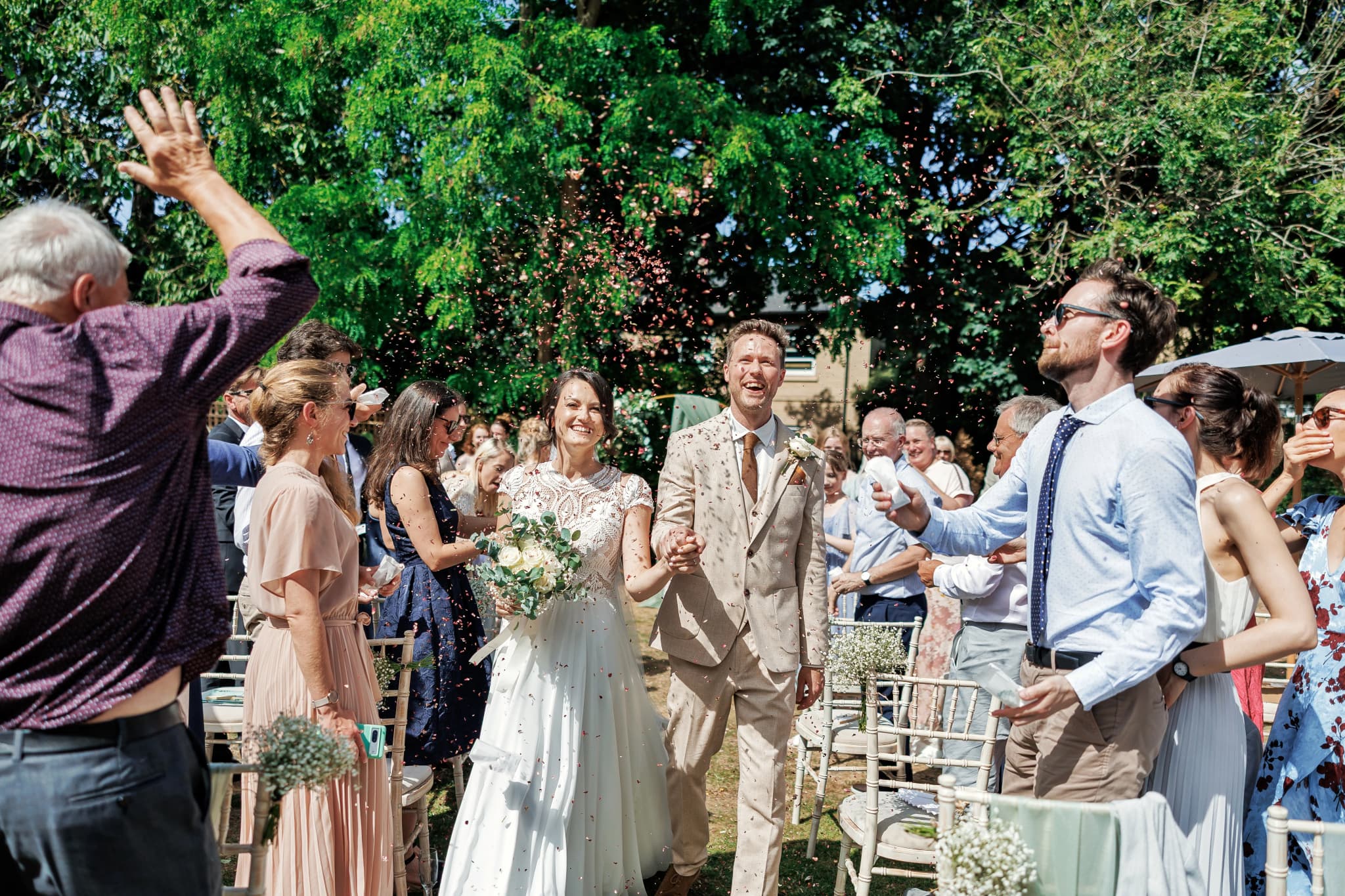

Yana Skakun
Photographer · England
Professional wedding, family and portrait photographer based in England. Passionate about capturing authentic emotions and timeless moments.
About Yana →vowrenewalphotographytimeline
Wedding Planning — Professional Photography in Cambridge & England
Yana Skakun is a professional photographer based in Cambridge, covering weddings, families, and portraits across England. Every session is personal — planned around your story, your people, and the moments that matter most. This guide — Vow Renewal Photography Timeline: How it Differs from a Wedding Day — is part of the photography journal: practical, experience-based advice drawn from real sessions across England. Whether you arrived searching for vow or renewal, the same care and attention shapes every session Yana photographs.
Professional Photography sessions are available year-round, with bookings open across Cambridge, Ely, Huntingdon, Peterborough, and further afield — East England, London, the Midlands, and beyond. If you have specific questions about photography, mention it in your enquiry. Get in touch through the contact form above to check availability and discuss your session. Enquiries are welcomed from anywhere in the UK.
Frequently Asked Questions
What camera settings should I use for outdoor portraits?+
For outdoor portraits, shoot in aperture priority mode. Use a wide aperture (f/1.8–f/2.8) to blur the background and isolate your subject. Keep ISO as low as possible in good light. In bright conditions, use a neutral density filter or switch to manual to avoid overexposure at wide apertures.
What is the golden hour in photography?+
Golden hour is the period roughly 30–60 minutes after sunrise and before sunset. The sun is low in the sky, producing warm, soft, directional light that flatters skin tones and creates beautiful long shadows. It's widely considered the best natural light for portrait and outdoor photography.
How do you get sharp photos in low light?+
In low light, increase your ISO (accepting some grain), use the widest aperture your lens allows, and slow your shutter speed to the slowest you can hand-hold without camera shake (roughly 1/focal length as a guide). Use image stabilisation if available, and consider a tripod for static subjects.
What is the rule of thirds in photography?+
The rule of thirds divides the frame into a 3×3 grid. Placing your subject on one of the four intersection points — rather than dead centre — creates a more dynamic, visually interesting composition. It's a guideline, not a rule: some of the most powerful images break it deliberately.
How do you edit photos to look professional?+
Professional editing starts with shooting in RAW format. In Lightroom or similar software, correct exposure, white balance, and contrast first. Recover shadow and highlight detail. Apply gentle colour grading for mood. Be conservative with skin retouching — the goal is natural enhancement, not transformation. Consistency across a set of images is what separates professional from amateur editing.


Get in Touch
Ready to Book Your Session?
Get in touch to discuss your vision — I'll reply within 24 hours.