Yana Skakun

Vow Renewal vs Second Wedding: What's the Difference?
By Yana Skakun·10 June 2026·6 min read
Over the years photographing couples across Cambridgeshire and Suffolk, I've learned that two of the most heartfelt celebrations I'm asked to capture are often confused with one another: the vow renewal and the second wedding. They can look almost identical from behind my lens, yet they mean completely different things in the eyes of the law, your guests, and your own story. Let me walk you through the difference so you can plan the day that actually fits where you are.
What a vow renewal actually is
A vow renewal is a ceremony in which a couple who are already legally married reaffirm the promises they made on their wedding day. There's no new marriage being created — you're still married throughout, before and after. That single fact shapes everything else, from the wording you choose to whether you need to involve a registrar at all.
Because nothing legal is happening, a vow renewal in England and Wales carries no formal requirements. You don't need a licensed venue, you don't need to give notice at a register office, and you can hold it absolutely anywhere — a barn near Bury St Edmunds, a college garden in Cambridge, or simply your own back garden on a rare sunny July afternoon. Many couples I work with mark a milestone anniversary this way, ten, twenty-five or forty years on, often surrounded by children who weren't even born the first time round.
What a second wedding means
A second wedding, by contrast, is a genuine, legally binding marriage. The "second" simply refers to the fact that one or both partners have been married before, whether through divorce or the death of a previous spouse. This is a brand-new union with all the legal weight of any first marriage.
That means the full legal process applies. You must give notice at your local register office, marry in a venue approved for civil ceremonies (or a place of worship), and have a registrar or authorised person present. If you were previously divorced, you'll need your decree absolute; if widowed, a death certificate. These documents matter, and I've seen more than one couple caught out by leaving the paperwork until the last fortnight. Start early.
The legal differences at a glance
The practical contrast comes down to a handful of clear points. I find it helps couples to see them laid side by side before they commit to a format, because the wrong assumption here can cost you time and money.
- ◆Legal status: A vow renewal changes nothing legally; a second wedding creates a new, legally valid marriage.
- ◆Giving notice: No notice is required for a renewal; a second wedding requires notice at your register office, usually 28 days minimum.
- ◆Venue rules: A renewal can happen anywhere; a second wedding needs a licensed or religious venue.
- ◆Officiant: A renewal can be led by a celebrant, friend, or yourselves; a second wedding needs a registrar or authorised officiant.
- ◆Documents: Renewals need no paperwork; second weddings need a decree absolute or death certificate where relevant.
- ◆The vows: Renewal vows reaffirm an existing promise; second-wedding vows make a fresh, binding commitment.
Etiquette: who to invite and what to wear
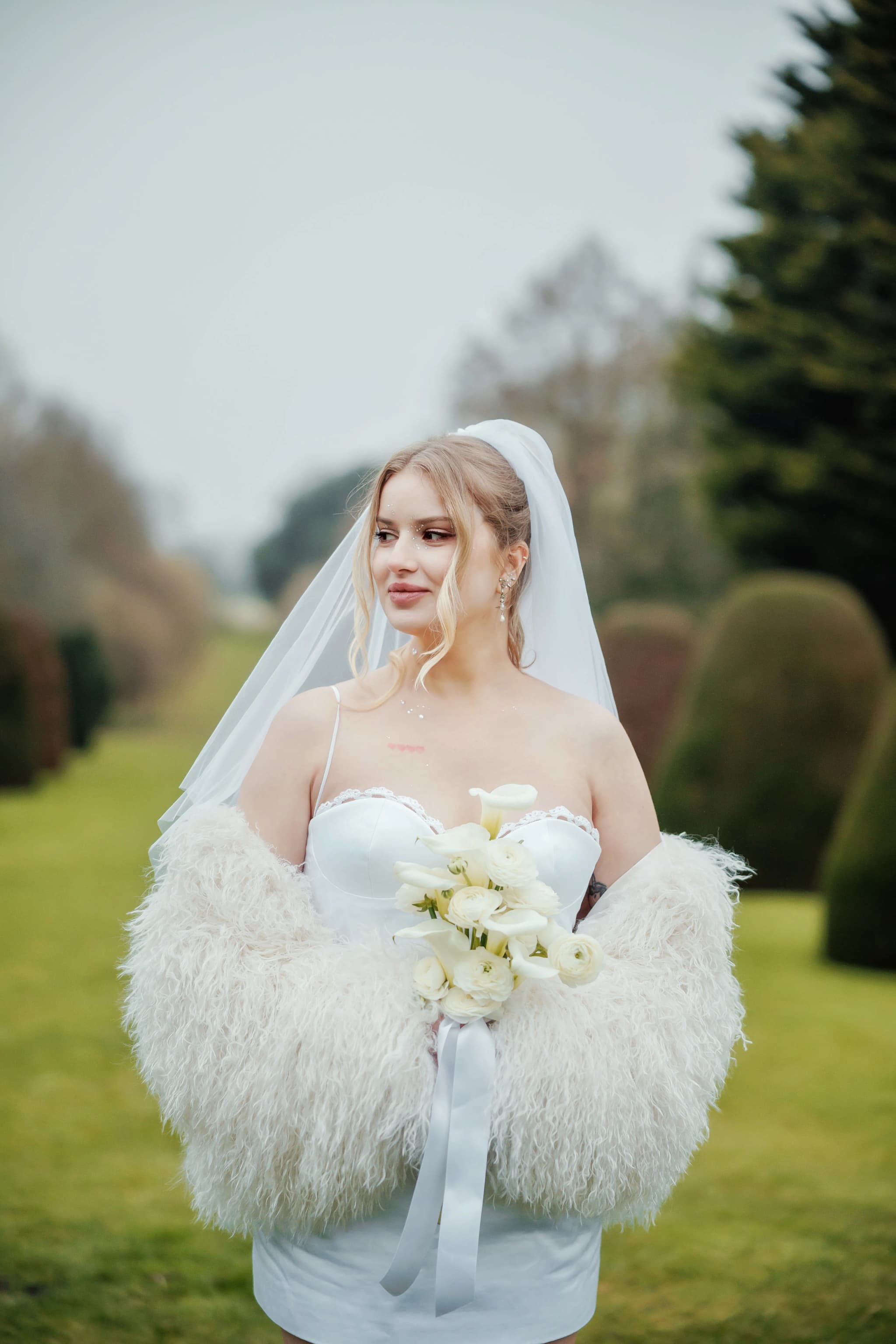
Etiquette is where the two events quietly diverge again. A vow renewal is usually a relaxed, sentimental affair, so there's no expectation of gifts and no strict dress code. Many couples ask guests simply to come and share a meal afterwards. A long white gown can feel a touch much for a renewal; I more often photograph brides in elegant colour, or a softer second dress that still feels celebratory without re-creating the original wedding.
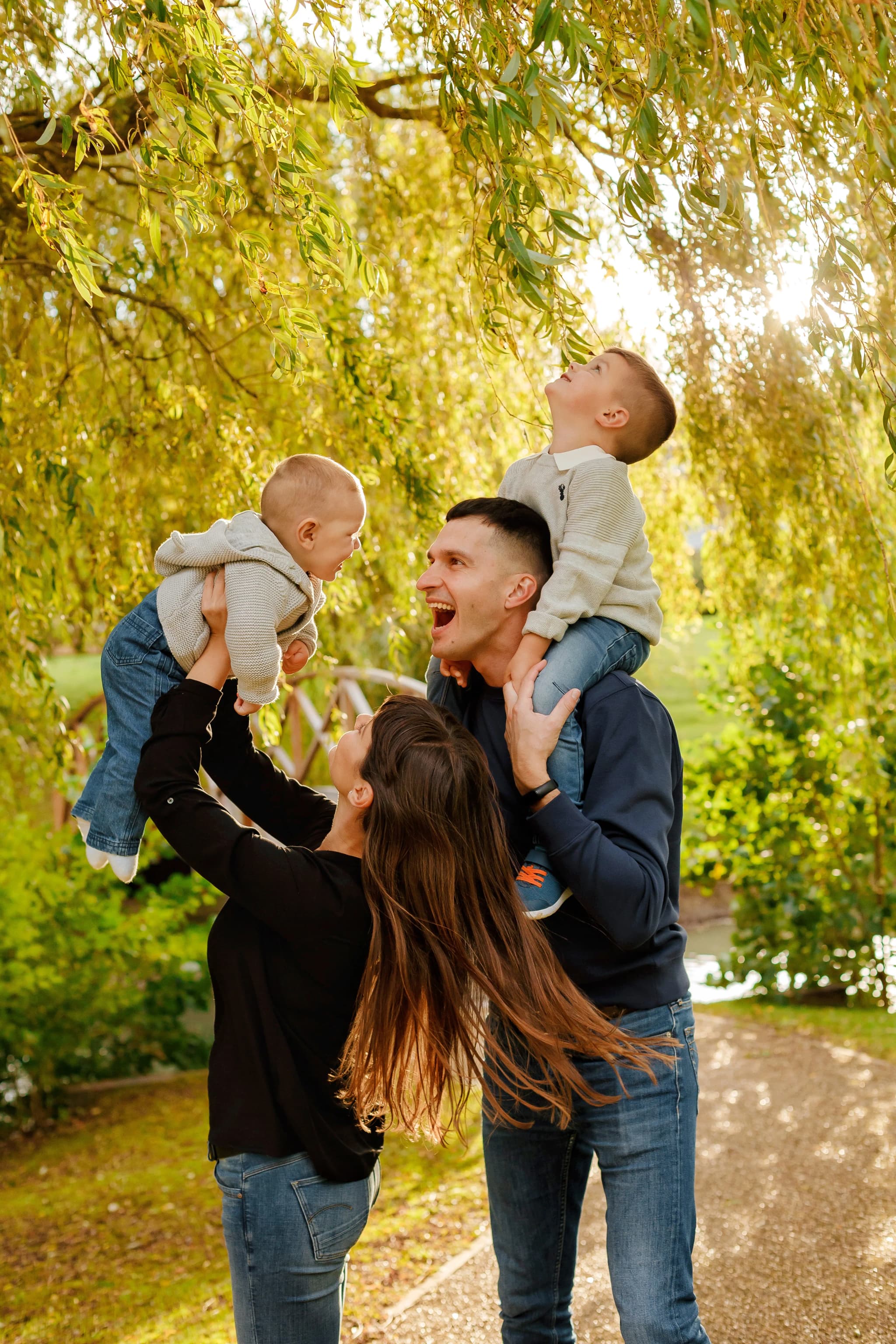
A second wedding follows the same etiquette as any first marriage, with one gentle caveat: tone. Whether you wear white, throw a confetti-filled party, or keep things intimate is entirely your call — the old-fashioned rules about "second-time" brides dressing down are long gone. What I'd encourage is thinking about blended families. If there are children from previous relationships, including them in the ceremony, perhaps with a small reading or a family vow, tends to make the photographs, and the day, immeasurably warmer.
Which one is right for you?
Ask yourself one question first: are you already legally married to your partner? If the answer is yes and you want to celebrate that bond, you're looking at a vow renewal. If you're marrying someone new, or formalising a relationship for the first time after a previous marriage ended, it's a second wedding with all the legal steps that involves.
From a photography point of view, both are a joy — arguably even more so than a first wedding, because the people in front of my camera know exactly who they are and what they're promising. Whether it's a quiet renewal in a Suffolk meadow or a full second celebration at a Cambridgeshire manor, the emotion tends to run deeper, and that always shows in the pictures.
Planning a renewal or a second celebration of your own?
I'd love to hear your story and help you capture it beautifully across Cambridgeshire, Suffolk and beyond. Let's see if your date is still free in my diary.
Check Your Date →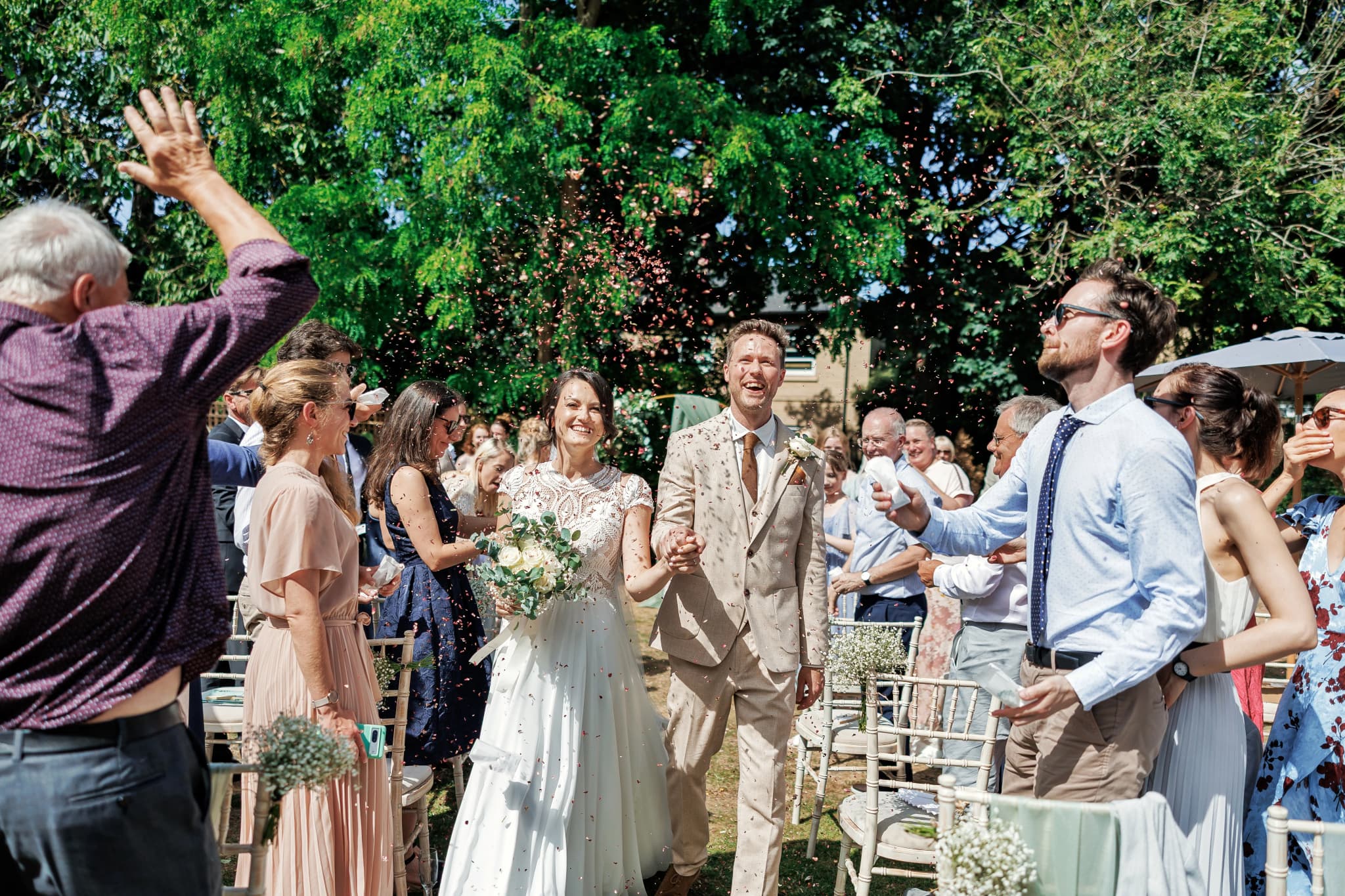

Yana Skakun
Photographer · England
Professional wedding, family and portrait photographer based in England. Passionate about capturing authentic emotions and timeless moments.
About Yana →vowrenewalsecondwedding
Wedding Planning — Professional Photography in Cambridge & England
Yana Skakun is a professional photographer based in Cambridge, covering weddings, families, and portraits across England. Every session is personal — planned around your story, your people, and the moments that matter most. This guide — Vow Renewal vs Second Wedding: What's the Difference? — is part of the photography journal: practical, experience-based advice drawn from real sessions across England. Whether you arrived searching for vow or renewal, the same care and attention shapes every session Yana photographs.
Professional Photography sessions are available year-round, with bookings open across Cambridge, Ely, Huntingdon, Peterborough, and further afield — East England, London, the Midlands, and beyond. If you have specific questions about second, mention it in your enquiry. Get in touch through the contact form above to check availability and discuss your session. Enquiries are welcomed from anywhere in the UK.
Frequently Asked Questions
What camera settings should I use for outdoor portraits?+
For outdoor portraits, shoot in aperture priority mode. Use a wide aperture (f/1.8–f/2.8) to blur the background and isolate your subject. Keep ISO as low as possible in good light. In bright conditions, use a neutral density filter or switch to manual to avoid overexposure at wide apertures.
What is the golden hour in photography?+
Golden hour is the period roughly 30–60 minutes after sunrise and before sunset. The sun is low in the sky, producing warm, soft, directional light that flatters skin tones and creates beautiful long shadows. It's widely considered the best natural light for portrait and outdoor photography.
How do you get sharp photos in low light?+
In low light, increase your ISO (accepting some grain), use the widest aperture your lens allows, and slow your shutter speed to the slowest you can hand-hold without camera shake (roughly 1/focal length as a guide). Use image stabilisation if available, and consider a tripod for static subjects.
What is the rule of thirds in photography?+
The rule of thirds divides the frame into a 3×3 grid. Placing your subject on one of the four intersection points — rather than dead centre — creates a more dynamic, visually interesting composition. It's a guideline, not a rule: some of the most powerful images break it deliberately.
How do you edit photos to look professional?+
Professional editing starts with shooting in RAW format. In Lightroom or similar software, correct exposure, white balance, and contrast first. Recover shadow and highlight detail. Apply gentle colour grading for mood. Be conservative with skin retouching — the goal is natural enhancement, not transformation. Consistency across a set of images is what separates professional from amateur editing.


Get in Touch
Ready to Book Your Session?
Get in touch to discuss your vision — I'll reply within 24 hours.