Yana Skakun

Alice in Wonderland Theme Wedding Photography Inspiration
By Yana Skakun·20 June 2026·7 min read
Every so often a couple sits down with me for their planning consultation and, instead of talking about a colour palette or a season, they start talking about a story. Alice in Wonderland weddings are some of the most joyful I photograph precisely because the theme gives everyone — couple, guests, and photographer — permission to be a little more playful than a conventional wedding allows. Mismatched china, oversized playing cards, a garden gone slightly wild, a "drink me" label on the welcome cocktails. It is a theme built on curiosity and topsy-turvy delight, and that translates beautifully into photographs when it is handled with a light touch rather than overdone. I have photographed several weddings that leaned into this theme in different ways, from a full-blown tea party in a walled garden to a couple who simply wove in a few careful nods through their stationery and florals, and I have learned a great deal about what actually works in front of a lens versus what only works in the imagination. This piece is a practical, photographer's-eye guide to planning an Alice in Wonderland theme wedding with the resulting photographs firmly in mind, drawing on real UK wedding logistics rather than Pinterest fantasy.
Choosing a Venue That Does the Storytelling for You
The single biggest factor in how well an Alice in Wonderland theme photographs is the venue, and specifically how much of the atmosphere already exists in the architecture and grounds before a single prop arrives. A walled garden with mature topiary, a slightly overgrown orchard, or a country house with oversized rooms and tall doorways does half the work for you. The theme is fundamentally about scale and strangeness — things too big, things too small, a garden that feels enchanted rather than manicured — and a venue with genuine character in its landscaping gives me far more to work with than a blank marquee on a flat lawn ever will.
I always encourage couples to view potential venues with a camera-eye rather than only an events-planner eye. Walk the grounds and ask where the light falls in the afternoon, whether there are archways or hedged corridors that could stand in for the rabbit hole moment, and whether there is a walled or clearly bounded garden space that could host a tea party set piece without spilling out into a car park backdrop. Look, too, for a sweeping staircase or an oversized fireplace indoors for wet-weather contingency, since British weather rarely cooperates fully with any themed vision and a strong indoor location matters as much as the outdoor one.
Country house hotels, manor houses with walled kitchen gardens, and venues with a slightly eccentric Victorian or Edwardian character tend to suit this theme far better than very modern barn conversions, simply because the theme itself has one foot in Victorian whimsy. That said, I have also photographed a beautifully understated version of this theme at a fairly plain village hall, where the couple relied entirely on styling, flowers, and a spectacular hand-painted backdrop rather than the building itself — proof that venue character helps enormously but is not strictly essential if the styling budget and imagination are strong enough to compensate.
Styling Choices That Photograph Well — and Ones That Do Not
There is a meaningful difference between an Alice in Wonderland wedding that photographs as elegant and story-rich, and one that photographs as cluttered fancy dress. The details that consistently work well in front of a camera are the ones with genuine texture and craftsmanship: mismatched vintage china in a tea party table setting, oversized paper playing cards used as ceremony aisle markers or photo backdrops, a genuinely well-made "drink me" and "eat me" label on favours or welcome drinks, and floral installations that lean into slightly wild, overgrown abundance rather than neat symmetrical arrangements. Deep jewel tones — emerald, sapphire, deep red, gold — consistently photograph more richly than pastel interpretations of the theme, largely because the original illustrations and the Tenniel-style visual language most people associate with Wonderland are bold and graphic rather than soft.
Where I gently steer couples away is from anything that reads as costume rather than wedding attire, and from an excess of small novelty props scattered everywhere. A few well-chosen large-scale elements — an oversized teapot as a table centrepiece, a genuinely striking floral clock, playing-card bunting along a marquee ridge — photograph far better than fifty small trinkets that create visual noise in every frame and date the images quickly. I also encourage restraint with face paint, elaborate wigs, and full costume changes for the couple themselves; a wedding gown with a subtly Wonderland-inspired cut or embroidery, paired with one or two statement accessories, keeps the couple looking like themselves and like a bride and groom, which matters enormously when you look back at the photographs in twenty years and want to see yourselves rather than a costume party.
Stationery is where a lot of couples get the most creative mileage for relatively modest cost, and it photographs beautifully in flat-lay detail shots at the start of the day: pocket-watch motifs, playing card suits, mirror-writing, and Victorian typefaces all read clearly in close-up images without needing the whole room to be dressed. If budget is a genuine constraint, I usually suggest concentrating spend on stationery, one strong floral moment, and table styling, and letting the rest of the day — the dress, the suits, the ceremony — stay relatively classic. That combination photographs as a wedding with a beautiful, coherent theme rather than a theme with a wedding inside it.
The Tea Party: Getting the Signature Moment Right
If there is one set piece that defines this theme photographically, it is the mad tea party — and it is worth planning deliberately rather than leaving to chance. The images that work best are taken with genuinely mismatched vintage or vintage-style china on a long table, ideally outdoors under trees with dappled light rather than in direct midday sun, which flattens colour and creates harsh shadows across table settings. If the tea party is happening as a drinks reception activity with guests seated and interacting, I try to photograph it in the hour or so after the ceremony when light is softening, rather than at flat two o'clock sun, because the warmth in the light does enormous favours to gold rims on teacups and the rich tones of jam and cake stands.
A genuinely successful tea party scene needs a coordinator, whether that is a wedding planner, a keen family member, or simply the couple themselves briefed in advance, because chaos photographs charmingly for about five minutes and then simply reads as disorganised. Having a rough sense of who is meant to be seated where for the key photograph, with everyone else free to wander and refill from a second, less formally styled table, tends to give the best of both worlds: a striking hero image of the full tea party tableau, and relaxed, genuine candids of guests enjoying themselves around it afterwards.
I also suggest thinking about height variation in the table styling itself — stacked cake stands, tall teapots, low bowls of flowers — because visual rhythm across the table gives me far more compositional options than a table set entirely at one height. And a small practical note from experience: British weather means an outdoor tea party needs a wet-weather backup location identified in advance, ideally somewhere with similar light quality indoors, such as a conservatory or garden room, so the theme is not lost entirely to a rainy afternoon.
Planning a themed wedding?
I love working with couples who want their photographs to tell a genuine story, whether that is a full Wonderland-inspired day or a handful of thoughtful nods to a theme you love. Let's talk through your vision and how to photograph it well.
Get in touch about your weddingPortraits: Finding the "Down the Rabbit Hole" Feeling Without Gimmicks
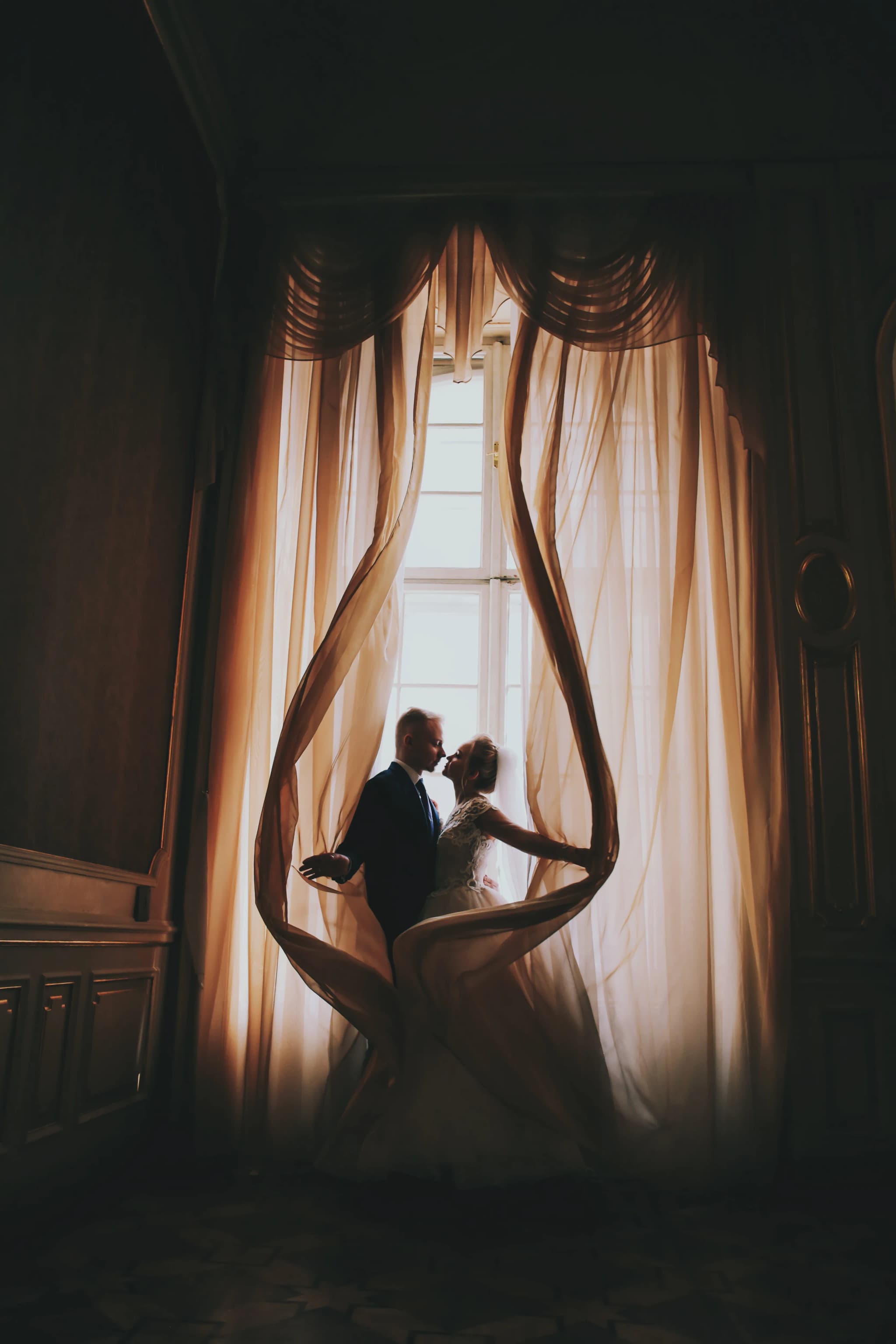
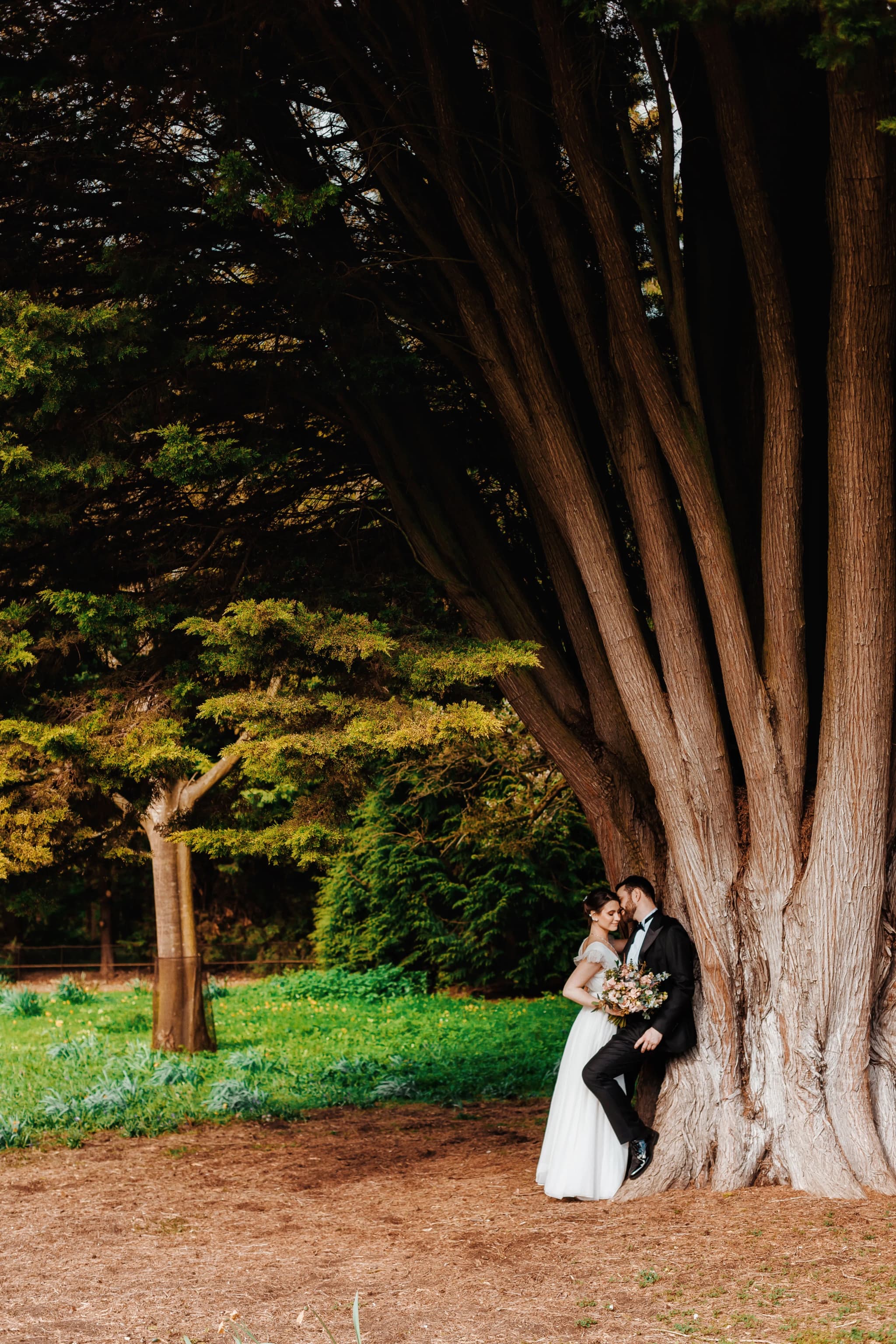
Couples often ask me how to capture that sense of falling into another world in their portrait session without resorting to obvious props like giant clock faces or literal rabbit ears, and my honest answer is that the feeling comes far more from location and light than from literal references to the book. An overgrown garden path disappearing into shadow, a doorway or archway that frames the couple mid-step as though walking into somewhere else, tall hedges or topiary that create a sense of scale and slight disorientation — these all evoke the spirit of Wonderland without needing a single explicit prop in frame.
Where I do use props, I keep them to one or two genuinely well-made items rather than several, and I use them as a small supporting detail rather than the entire composition — a single oversized playing card leaning against a tree in the background, a delicate pocket watch as a groom's accessory catching the light in a hand-detail shot, a mismatched teacup held rather than an entire table dragged out into a field. Restraint here does far more for the image than abundance, and it also means the portraits age well and still feel timeless rather than like a themed photoshoot from a particular wedding trend cycle.
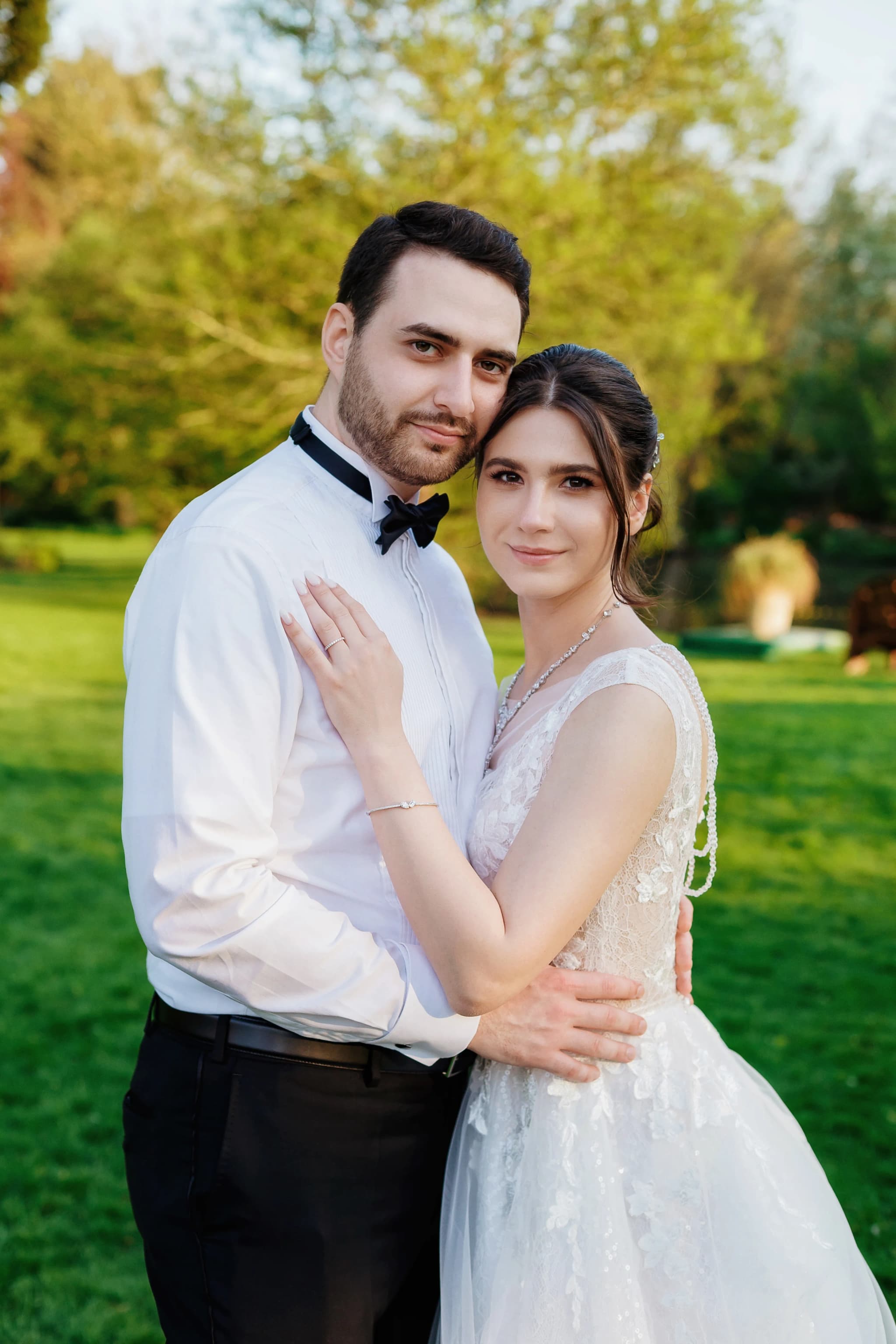
Golden hour light is particularly kind to this theme because the warm, low sun gives even a fairly ordinary garden a slightly magical, glowing quality without any additional effort. I try to schedule at least fifteen to twenty minutes of the couple portrait session during that late-afternoon window specifically for the Wonderland-inspired images, separate from the more traditional couple portraits, so there is no rush and the light is doing genuine work rather than being fought against.
Practical Timeline and Logistics for a Themed Wedding Day
A themed wedding, however elegantly done, almost always has more moving parts than a conventional day, and it is worth building extra time into the schedule to accommodate it without anyone feeling rushed. I generally recommend adding at least twenty to thirty minutes of buffer around the detail-shot period at the start of the day if there is significant styled stationery, favours, and table decor to photograph properly, and a similar buffer around the reception room reveal if there is elaborate table styling that guests should see fully finished before it becomes a working dinner space.
If the tea party or other set-piece moment is happening as a distinct activity rather than blended into the general drinks reception, give it its own clearly defined slot on the timeline — even fifteen minutes helps enormously, because it means the coordinator, caterers, and I are all working from the same expectation of when that moment happens and how long it lasts, rather than trying to capture it opportunistically while other things are also going on.
I also always ask themed couples to share their moodboard and any Pinterest references with me in advance of the day itself, not so that I recreate specific images, but so I understand the visual language they are drawn to and can be alert to genuine moments that echo it as the day unfolds naturally. A theme works best in photographs when it feels like it belongs to the couple and their guests rather than like a set built for the camera, and that only comes through when I understand the vision well enough to recognise it happening in real time rather than staging it artificially.
Keeping It Timeless: A Theme in Service of the Story, Not the Other Way Round
The Alice in Wonderland weddings I have enjoyed photographing most, and that I think the couples themselves will love looking back on for decades, are the ones where the theme sits underneath the day rather than on top of it. The ceremony itself stays personal and genuine, the vows and the emotion of the day are never upstaged by a prop, and the theme expresses itself through craftsmanship, colour, and a handful of genuinely thoughtful details rather than through volume of novelty items. That balance is what keeps the photographs feeling like a wedding — a real, moving, personal event — with a beautifully distinctive character, rather than photographs of a themed event that happens to include a wedding.
If you are drawn to this theme, my advice is to start with the feeling you want the day to have — curious, joyful, a little magical, slightly topsy-turvy — and work outward from there into venue, styling, and specific set pieces, rather than starting from a list of props and working inward. That approach consistently produces days, and photographs, that feel coherent, personal, and genuinely beautiful rather than assembled. Every couple's version of Wonderland looks different, and that is exactly as it should be; my job is to notice what makes yours distinct and make sure it comes through clearly in the images you keep. If this theme, or any theme close to your heart, is something you are considering for your own day, I would love to hear about it — get in touch and let's talk through how to bring it to life in a way that photographs beautifully and still feels entirely like you.


Yana Skakun
Photographer · England
Professional wedding, family and portrait photographer based in England. Passionate about capturing authentic emotions and timeless moments.
About Yana →alice in wonderland wedding photosthemed wedding photography UKwonderland tea party weddingwhimsical wedding inspirationCambridge wedding photographer
Wedding Tips — Wedding Photography in Cambridge & England
Yana Skakun is a professional wedding photographer based in Cambridge, covering weddings across England — from intimate elopements to full-day ceremonies at country houses, barns, and city venues. Every couple receives a relaxed, documentary approach that captures the day as it truly unfolds. This guide — Alice in Wonderland Theme Wedding Photography Inspiration — is part of the photography journal: practical, experience-based advice drawn from real sessions across England. Whether you arrived searching for alice in wonderland wedding photos or themed wedding photography uk, the same care and attention shapes every session Yana photographs.
Wedding Photography sessions are available year-round, with bookings open across Cambridge, Ely, Huntingdon, Peterborough, and further afield — East England, London, the Midlands, and beyond. If you have specific questions about wonderland tea party wedding, mention it in your enquiry. Get in touch through the contact form above to check availability and discuss your session. Enquiries are welcomed from anywhere in the UK.
Frequently Asked Questions
How much does a wedding photographer cost in England?+
Wedding photography in England typically ranges from £1,500 to £4,000+ for a full day. Price depends on experience, coverage hours, and whether albums or engagement shoots are included. Most photographers charge between £2,000–£3,000 for 8–10 hours of coverage.
How early should you book a wedding photographer?+
For peak season (May–September), book 12–18 months in advance. For autumn and winter weddings, 9–12 months is usually sufficient. Popular photographers at popular venues fill up fast — as soon as you have a date and venue confirmed, start reaching out.
How many photos do you get from a wedding photographer?+
Most professional wedding photographers deliver 400–800 edited images for a full-day wedding. The exact number depends on coverage hours, how many guests there are, and the photographer's editing style. Quality matters more than quantity — a curated gallery of 500 images tells the story better than 1,500 unedited files.
Do you need a second photographer at your wedding?+
A second photographer is helpful if you want simultaneous coverage of getting-ready moments in different locations, multiple angles during the ceremony, or more candid coverage during the reception. It adds cost but significantly increases the variety and completeness of your gallery.
What is the difference between documentary and editorial wedding photography?+
Documentary (reportage) wedding photography captures moments as they happen — the photographer observes and doesn't intervene. Editorial photography involves deliberate direction: placing you in good light, shaping compositions, creating intentional portraits. Most photographers blend both styles throughout the day.
Continue Reading
Related Articles

Wedding Tips
Sustainable Eco-Friendly Wedding Guide — Planning a Green Celebration
15 min read · Read Article
Wedding Tips
Trash the Dress Session — Complete Planning and Photography Guide
14 min read · Read Article
Wedding Tips
Client Communication for Photographers — From Enquiry to Gallery Delivery
15 min read · Read Article
Get in Touch
Ready to Book Your Session?
Get in touch to discuss your vision — I'll reply within 24 hours.