Yana Skakun

Asian Wedding Timeline Breakdown: Multi-Day Events
By Yana Skakun·10 June 2026·5 min read
Asian weddings don't fit into a single Saturday afternoon — they unfold across two or three days of rituals, colour, and family, each event carrying its own emotional weight and photographic demands. As a Cambridge-based wedding photographer who has covered South Asian, British-Pakistani, and British-Indian weddings across the UK, I've learned that understanding the timeline before the first shutter clicks is everything. A well-planned asian wedding photography timeline is the difference between capturing every fleeting moment and scrambling to catch up.
Day One: Mehndi — Light, Laughter, and Intimate Detail
The Mehndi ceremony typically takes place one or two days before the main wedding day, often hosted at the bride's family home or a hired hall. The atmosphere is loose and joyful — women gather, music plays, and the intricate henna application becomes the visual centrepiece. For photography, this is a day of close-up detail shots: hands being painted, the concentration on the artist's face, the finished patterns glowing against the bride's skin.
Lighting at Mehndi events is frequently challenging. Many take place indoors under warm artificial bulbs, or in garden marquees with uneven afternoon shade. I always carry a small portable LED panel for this day — not to overpower the natural atmosphere, but to lift shadows on the hands during the henna application without losing the warm, intimate feel of the room.
Allocate roughly four to six hours of coverage for the Mehndi. Arrive before the henna artist finishes setting up so you can capture the bride before her hands are occupied, and stay until the dancing begins — those candid group moments, sisters and cousins laughing together, are often the images families treasure most from the entire three-day celebration.
Day Two: Baraat and Nikah — The Grand Arrival and the Sacred Moment
The wedding day itself — whether a Nikah, an Anand Karaj, or a civil ceremony combined with religious rites — is the most logistically demanding day on any asian wedding photography timeline. It often begins before the ceremony with the Baraat: the groom's procession arriving at the venue, frequently accompanied by a dhol drummer, family dancing in the street, and a level of joyful chaos that rewards a photographer who is already in position and ready.
I typically arrive at the groom's location an hour and a half before the Baraat departs to photograph his preparations separately — the sherwani being adjusted, the sehra placed on his head, the quiet moment with his father. These images mirror the bridal preparation shots from later in the day and create a beautiful narrative symmetry across the album. In the UK, Baraats often travel by decorated cars rather than on horseback, so coordinate with the family in advance to understand the route and find the best vantage point for the arrival shot at the venue gates.
The Nikah or core ceremony itself demands absolute discretion. Many ceremonies take place in a mosque or in a designated prayer space within the venue, where photography must be unobtrusive. A telephoto lens — I favour the 70–200mm f/2.8 — allows me to photograph the signing of the Nikah contract and the exchange of vows from a respectful distance without disrupting the solemnity. Always confirm with the officiant and the family beforehand what is and is not permitted during the ceremony.
Key Moments to Build Into Your Photography Timeline
Multi-day Asian weddings contain dozens of discrete events, and not all of them will be on the printed schedule handed to guests. Here are the moments I always discuss with couples during our pre-wedding planning meeting so they are deliberately factored into the timeline — not discovered too late:
- ◆Bride's Preparation: Allow 60–90 minutes before the Baraat arrives — bridal preparation photography (lehenga being draped, jewellery placed, final make-up) tells half the story of the wedding day and sets the emotional tone of the album.
- ◆Milni Ceremony: The formal greeting between the two families immediately before the Baraat enters the venue — often overlooked on schedules, but full of genuine emotion and photographic drama as fathers and uncles embrace.
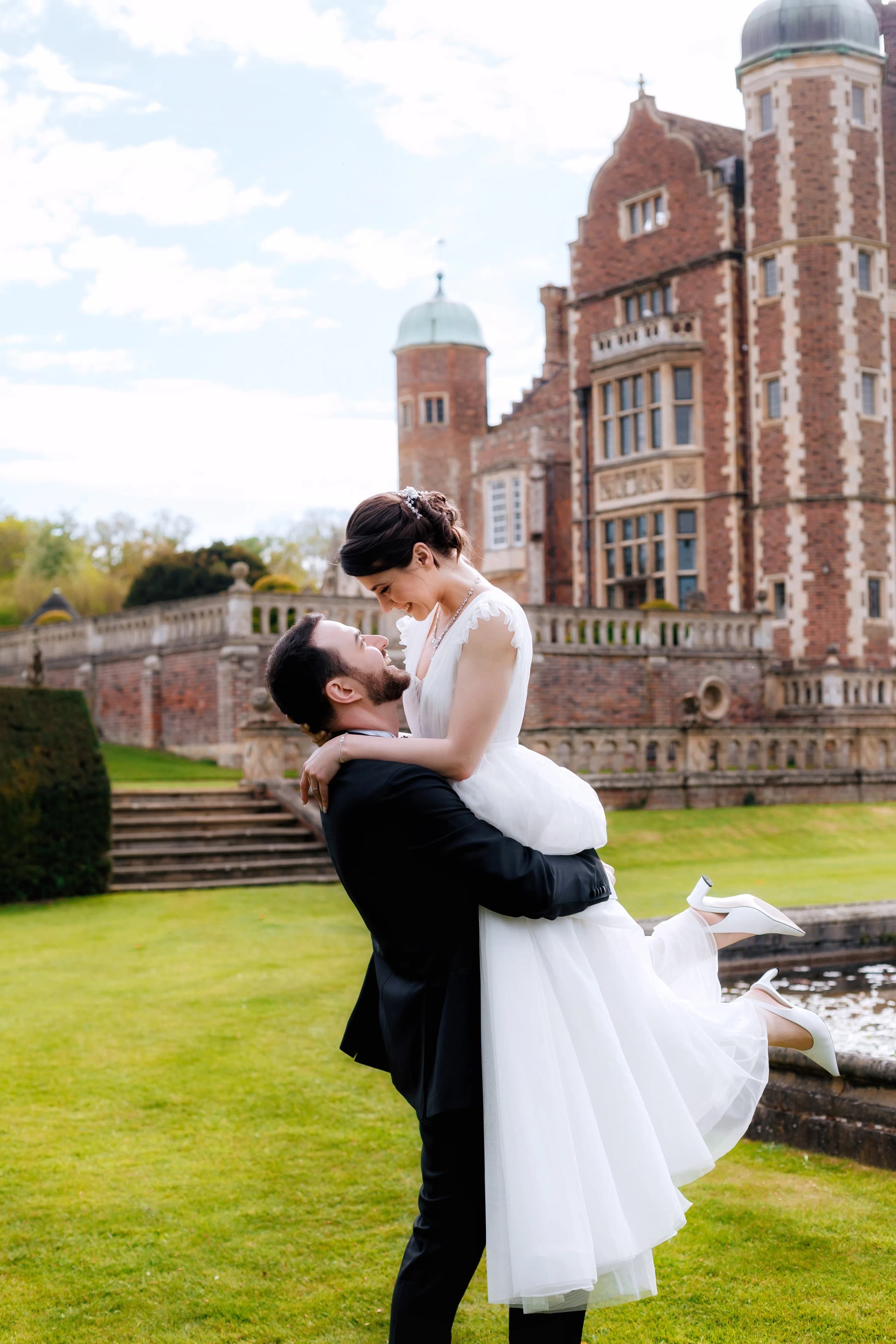
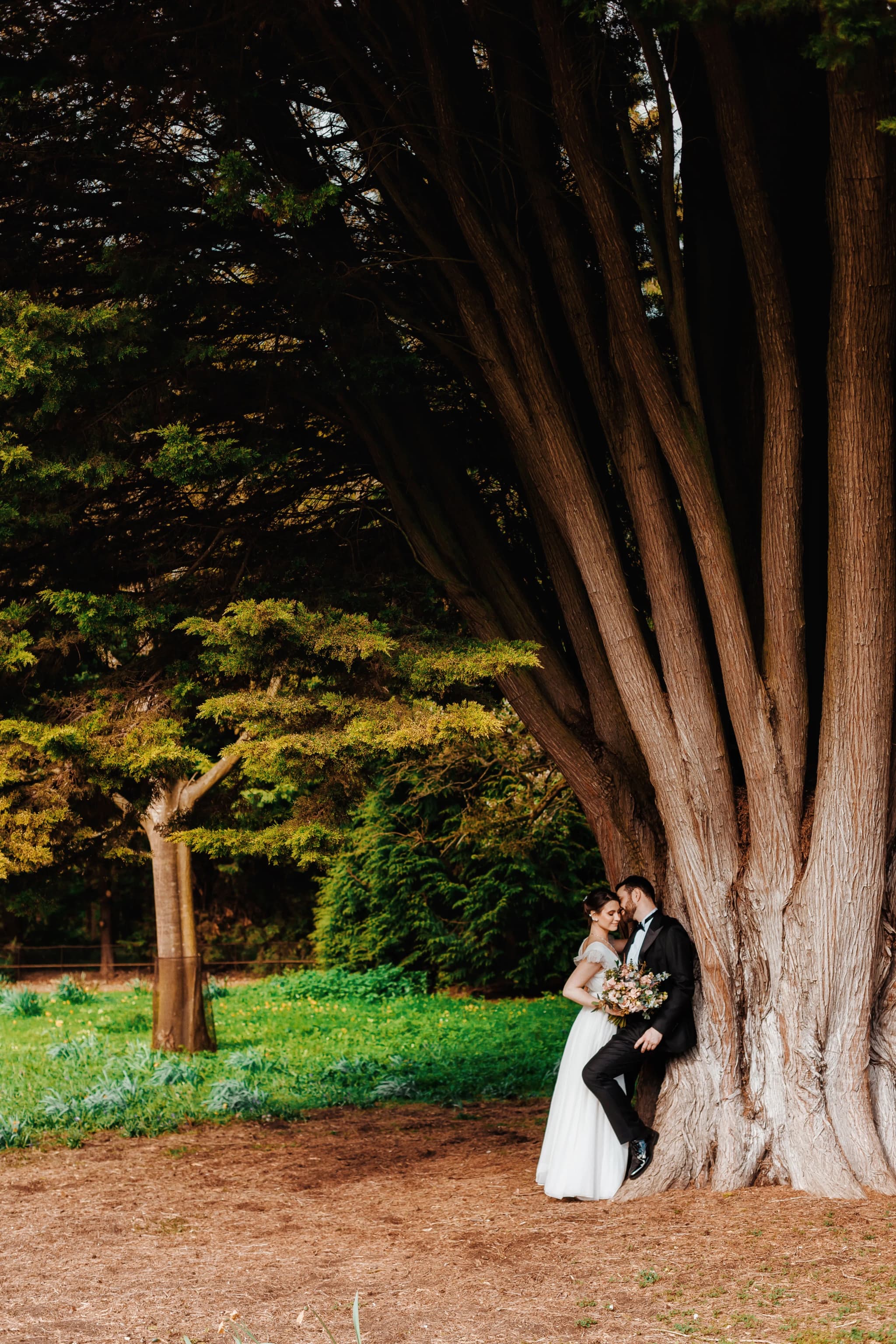
- ◆Couple Portraits: Build in a dedicated 20–30 minutes for just the two of you, ideally around golden hour if the venue and timeline allow. This is nearly impossible to reclaim once the reception begins and you are pulled in every direction.
- ◆Ring / Garland Exchange: The Varmala or ring exchange moment is quick — sometimes under two minutes — but it is one of the most anticipated images in the album. Discuss positioning with the venue coordinator so guests don't inadvertently crowd the shot.
- ◆Reception Entrance: The grand entrance of the couple into the reception hall, often announced with lights and music, is best photographed from an elevated position or the far end of the room. Scout this spot before guests are seated.
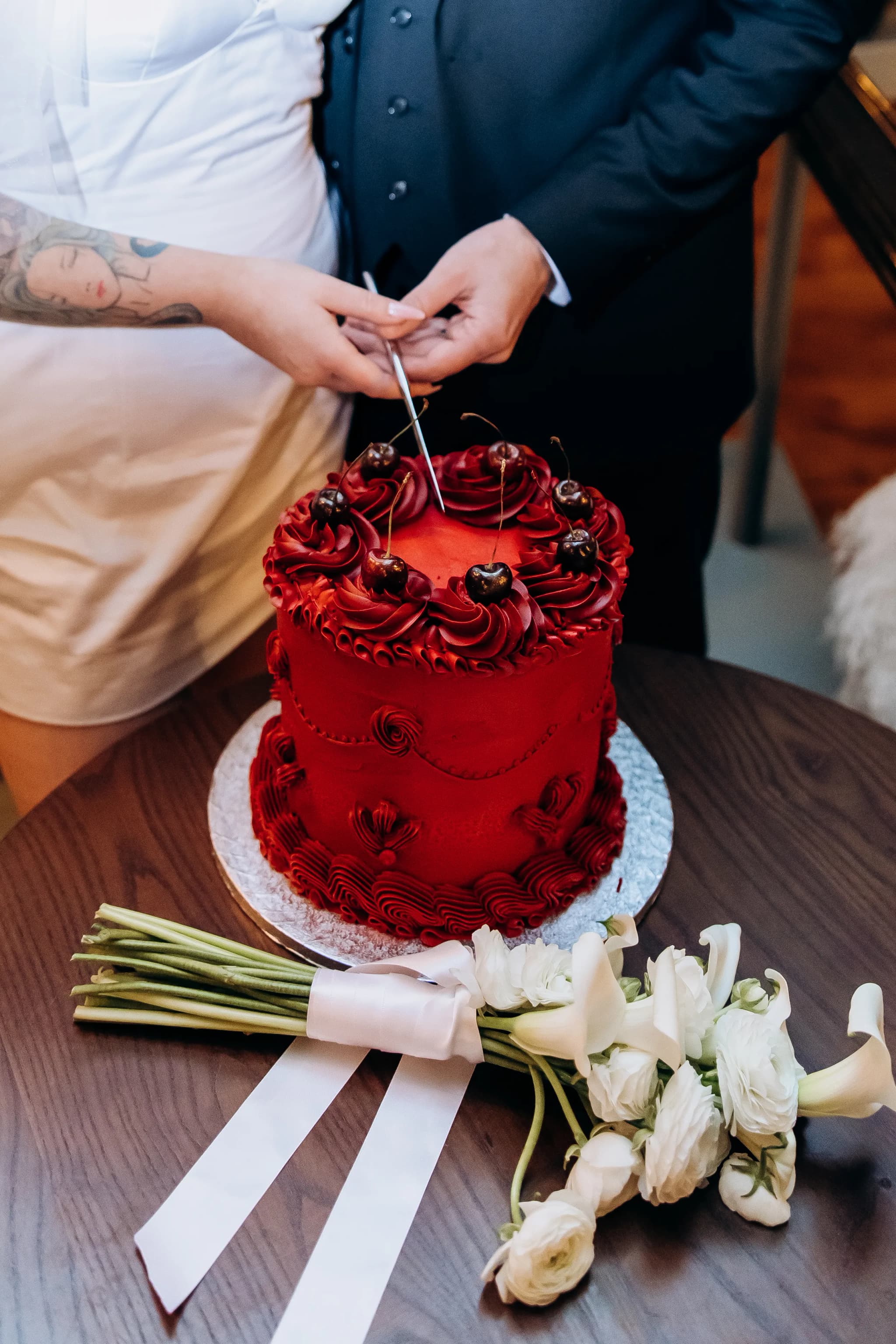
- ◆Cake Cutting and First Dance: These happen late in the evening when venue lighting is at its most theatrical — and most difficult. Confirm with the videographer who takes precedence on positioning to avoid conflicting light sources.
Day Three: Walima — The Calmer, More Editorial Day
The Walima — the post-wedding reception hosted by the groom's family — typically takes place the day after the Nikah and carries a noticeably different energy. The high-octane emotion of the wedding day has passed; what remains is warmth, hospitality, and a couple who are visibly more relaxed. For photography, the Walima is a gift.
With the formal obligations of the previous day behind them, brides and grooms are more willing to take a few extra minutes for portraits. The bridal outfit for the Walima is often a second, frequently lighter lehenga or saree, which photographs beautifully in natural window light if the venue permits. I use the Walima to capture the quieter, more intimate images that balance the grandeur of the wedding album — the couple talking softly, the bride laughing with her new mother-in-law, small gestures that tell the story of two families becoming one.
Coverage for a Walima in the UK typically runs four to five hours, from guest arrival through the meal and speeches to the final send-off. Some couples choose to cover only the wedding day and Mehndi, treating the Walima as optional photography. My recommendation: even a two-hour documentary session on the Walima day adds significant depth to the final gallery and ensures no part of the celebration goes unrecorded.
Practical UK Considerations for Asian Wedding Photography Timelines
Venue logistics in the UK add layers of complexity that don't exist in South Asian contexts where celebrations often take place at home. Licensed wedding venues have strict curfews — many require music to stop by 11pm or midnight — which means the timeline for the reception is far tighter than families accustomed to weddings in Pakistan, India, or Bangladesh might expect. Build this into your planning early: if the reception doors open at 7pm and the venue closes at midnight, there are roughly five hours to fit the couple's entrance, speeches, food service, first dance, and open dancing. That is not a generous window.
Weather is a perennial UK concern. Outdoor Baraat processions and garden portrait sessions are subject to the reliable unpredictability of British summer. I always identify an indoor backup location for portraits during my venue visit and brief couples to have a covered contingency for the Baraat arrival. A light drizzle can actually produce beautifully moody images — provided everyone knows the plan in advance and umbrellas are coordinated rather than improvised from a car boot at the last moment.
Finally, discuss religious and cultural sensitivities explicitly during your consultation with your photographer. Mixed-gender photography during certain ceremonies, restrictions on photographing elder family members, and rules about removing shoes or covering heads in religious spaces all affect how the photographer moves through the day. A photographer who has covered Asian weddings across the UK — and who asks the right questions before the day — will navigate these moments with the respect and fluency they deserve.
Planning a Multi-Day Asian Wedding? Let's Build Your Timeline Together.
Every Asian wedding has its own rhythm, rituals, and must-capture moments — I work with you before the day to map out a bespoke photography timeline so nothing is left to chance. Based in Cambridge and covering Asian weddings across the UK, I'd love to be part of your celebration.
Check Your Date →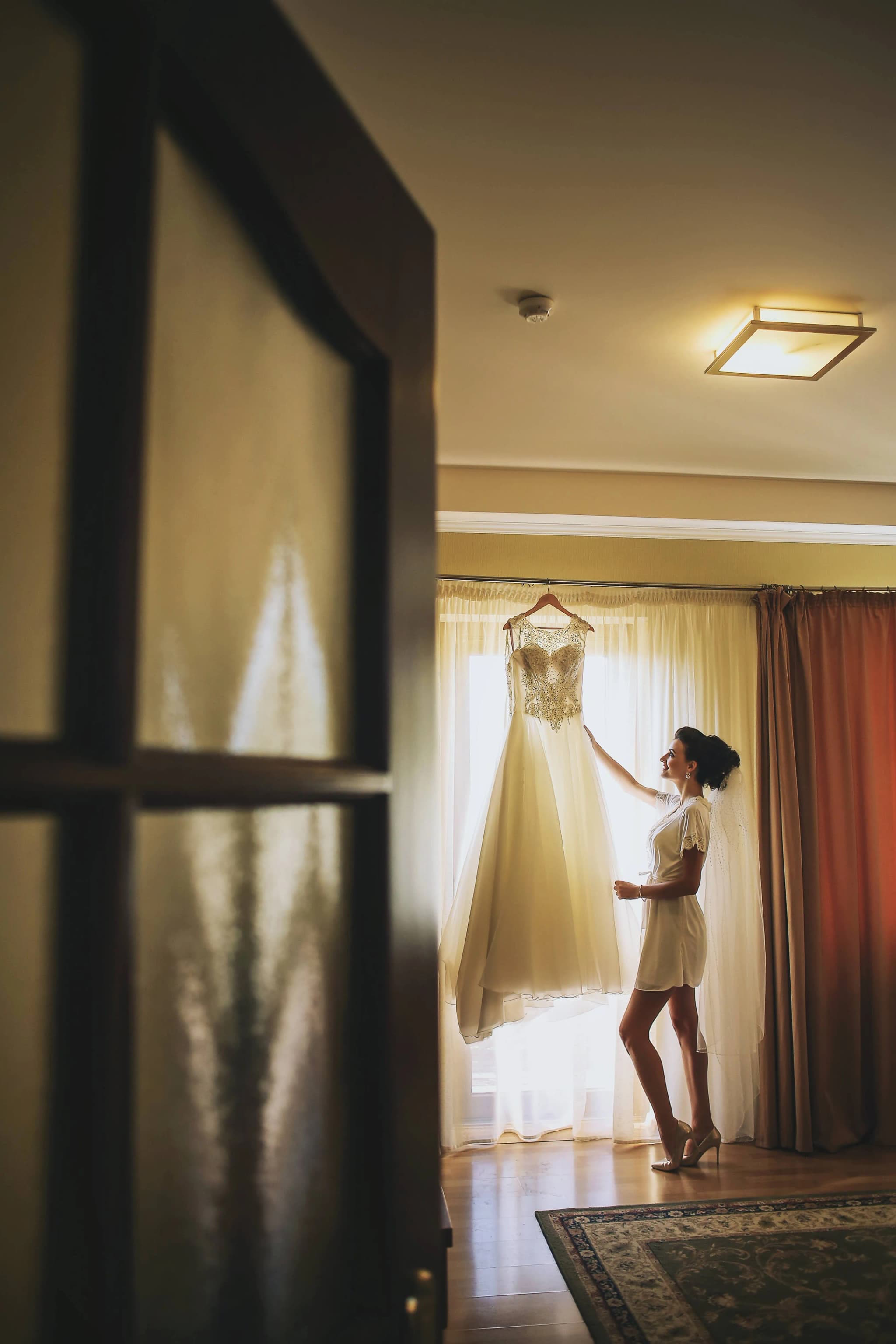

Yana Skakun
Photographer · England
Professional wedding, family and portrait photographer based in England. Passionate about capturing authentic emotions and timeless moments.
About Yana →asianweddingtimelinebreakdown
Wedding Tips — Wedding Photography in Cambridge & England
Yana Skakun is a professional wedding photographer based in Cambridge, covering weddings across England — from intimate elopements to full-day ceremonies at country houses, barns, and city venues. Every couple receives a relaxed, documentary approach that captures the day as it truly unfolds. This guide — Asian Wedding Timeline Breakdown: Multi-Day Events — is part of the photography journal: practical, experience-based advice drawn from real sessions across England. Whether you arrived searching for asian or wedding, the same care and attention shapes every session Yana photographs.
Wedding Photography sessions are available year-round, with bookings open across Cambridge, Ely, Huntingdon, Peterborough, and further afield — East England, London, the Midlands, and beyond. If you have specific questions about timeline, mention it in your enquiry. Get in touch through the contact form above to check availability and discuss your session. Enquiries are welcomed from anywhere in the UK.
Frequently Asked Questions
How much does a wedding photographer cost in England?+
Wedding photography in England typically ranges from £1,500 to £4,000+ for a full day. Price depends on experience, coverage hours, and whether albums or engagement shoots are included. Most photographers charge between £2,000–£3,000 for 8–10 hours of coverage.
How early should you book a wedding photographer?+
For peak season (May–September), book 12–18 months in advance. For autumn and winter weddings, 9–12 months is usually sufficient. Popular photographers at popular venues fill up fast — as soon as you have a date and venue confirmed, start reaching out.
How many photos do you get from a wedding photographer?+
Most professional wedding photographers deliver 400–800 edited images for a full-day wedding. The exact number depends on coverage hours, how many guests there are, and the photographer's editing style. Quality matters more than quantity — a curated gallery of 500 images tells the story better than 1,500 unedited files.
Do you need a second photographer at your wedding?+
A second photographer is helpful if you want simultaneous coverage of getting-ready moments in different locations, multiple angles during the ceremony, or more candid coverage during the reception. It adds cost but significantly increases the variety and completeness of your gallery.
What is the difference between documentary and editorial wedding photography?+
Documentary (reportage) wedding photography captures moments as they happen — the photographer observes and doesn't intervene. Editorial photography involves deliberate direction: placing you in good light, shaping compositions, creating intentional portraits. Most photographers blend both styles throughout the day.
Continue Reading
Related Articles

Wedding Tips
Sustainable Eco-Friendly Wedding Guide — Planning a Green Celebration
15 min read · Read Article
Wedding Tips
Trash the Dress Session — Complete Planning and Photography Guide
14 min read · Read Article
Wedding Tips
Client Communication for Photographers — From Enquiry to Gallery Delivery
15 min read · Read Article
Get in Touch
Ready to Book Your Session?
Get in touch to discuss your vision — I'll reply within 24 hours.