Yana Skakun
Autumn Wedding Photography in England: Russet Leaves, Misty Mornings & Harvest Romance
By Yana Skakun·16 March 2026·6 min read
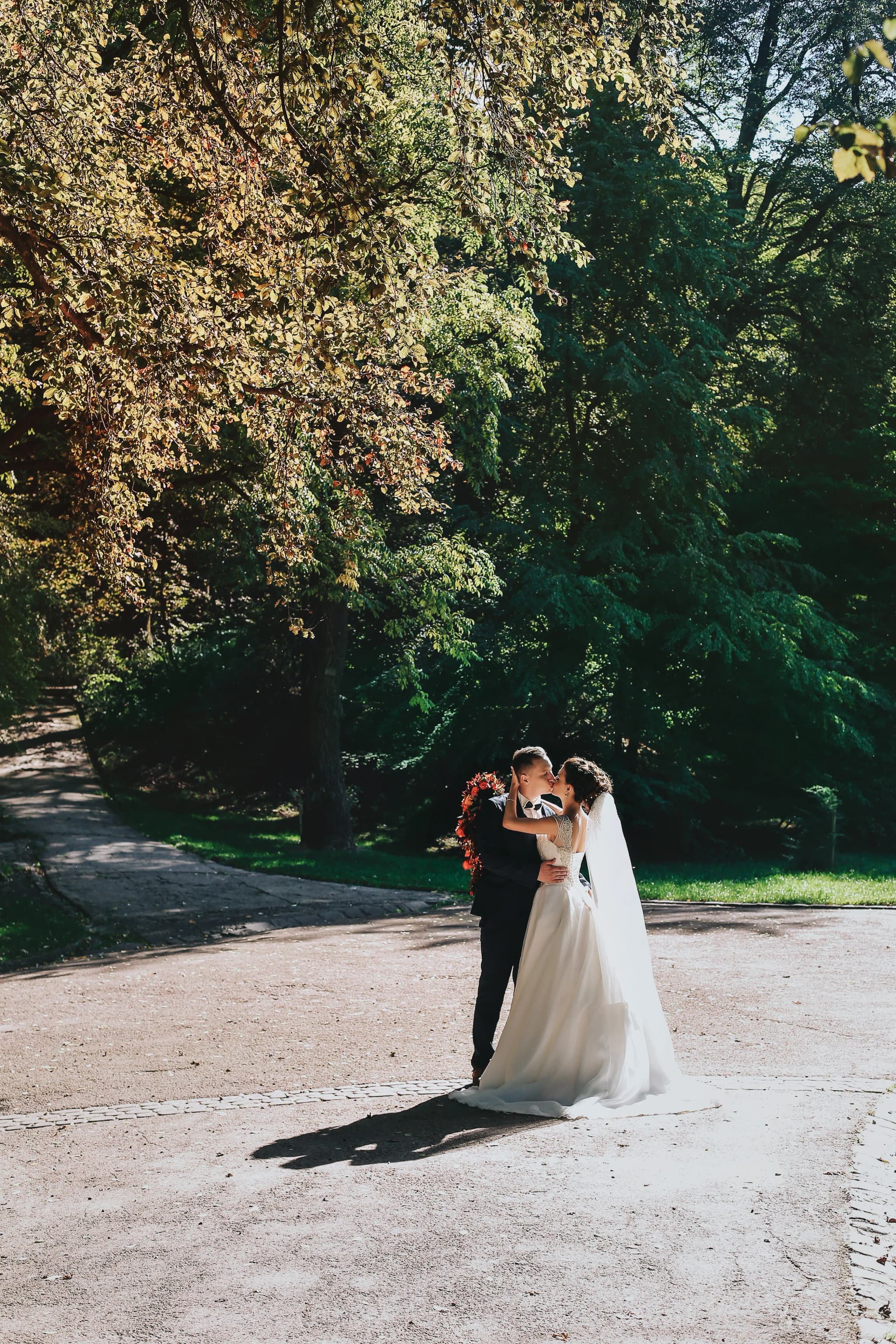
Autumn is, for many photographers, the favourite season, and I include myself firmly in that group. The light changes quality from September onwards, becoming warmer, more textured, more oblique. The landscape starts to colour slowly at first, then with sudden speed as October arrives properly. There are mists on early mornings, the smell of leaf mould and, further into the season, wood smoke, and over all of it a kind of poignant beauty that is unique to this time of year — the sense that this particular abundance will not last much longer. Autumn weddings across England carry all of this, and the photography they produce is genuinely unlike any other time of year.
This piece looks at autumn weddings across the country more broadly, beyond just Cambridge itself, since many couples I work with marry at venues elsewhere in the East of England or further afield and want to understand how the season behaves more generally.
The Colour Progression Through the Season
Nature effectively does the colour grading for you in autumn. The warm golds, rusts, burgundies, and ambers of turning foliage complement the warm tones that already run through most wedding photography, and a couple standing in front of a mature oak at mid-October colour is surrounded by a palette that would be genuinely difficult and expensive to recreate artificially. Across most of England the season moves in a fairly consistent pattern: September brings the first hints of gold at the treetops, particularly in birch, while the countryside is still mostly green and early morning mists begin to appear. Early October sees more widespread colour change, with chestnut and field maple often going first, and the mix of green and gold at this stage is often especially rich precisely because it is not yet uniform.
Mid-October is usually peak colour across most of the country — oaks, beeches, and limes in full russet glory, the most intense palette of the whole year. By late October leaves begin falling properly, leaving carpets of gold and rust on the ground even as trees become more skeletal, and the bare branches caught against a low autumn sky create their own kind of drama. Into November, later-colouring species such as silver birch still offer real interest, ancient oaks often hold their leaves longest of all, and the increasingly bare landscape has an austere beauty that some couples specifically want for their wedding photographs.
Why Autumn Light Works So Well
Autumn light has two qualities that particularly suit wedding photography: it is low, meaning the sun never climbs far above the horizon even at midday, and it is warm, with an amber cast that summer light simply lacks. Together these produce photographs with a natural warmth and depth that need very little editing to enhance. Shadows stay long even in the middle of the day, backlit leaves glow in a way that resembles stained glass, and the sun can often be included directly in a frame without the harshness that the same trick would produce in July or August.
Portrait Opportunities Autumn Creates
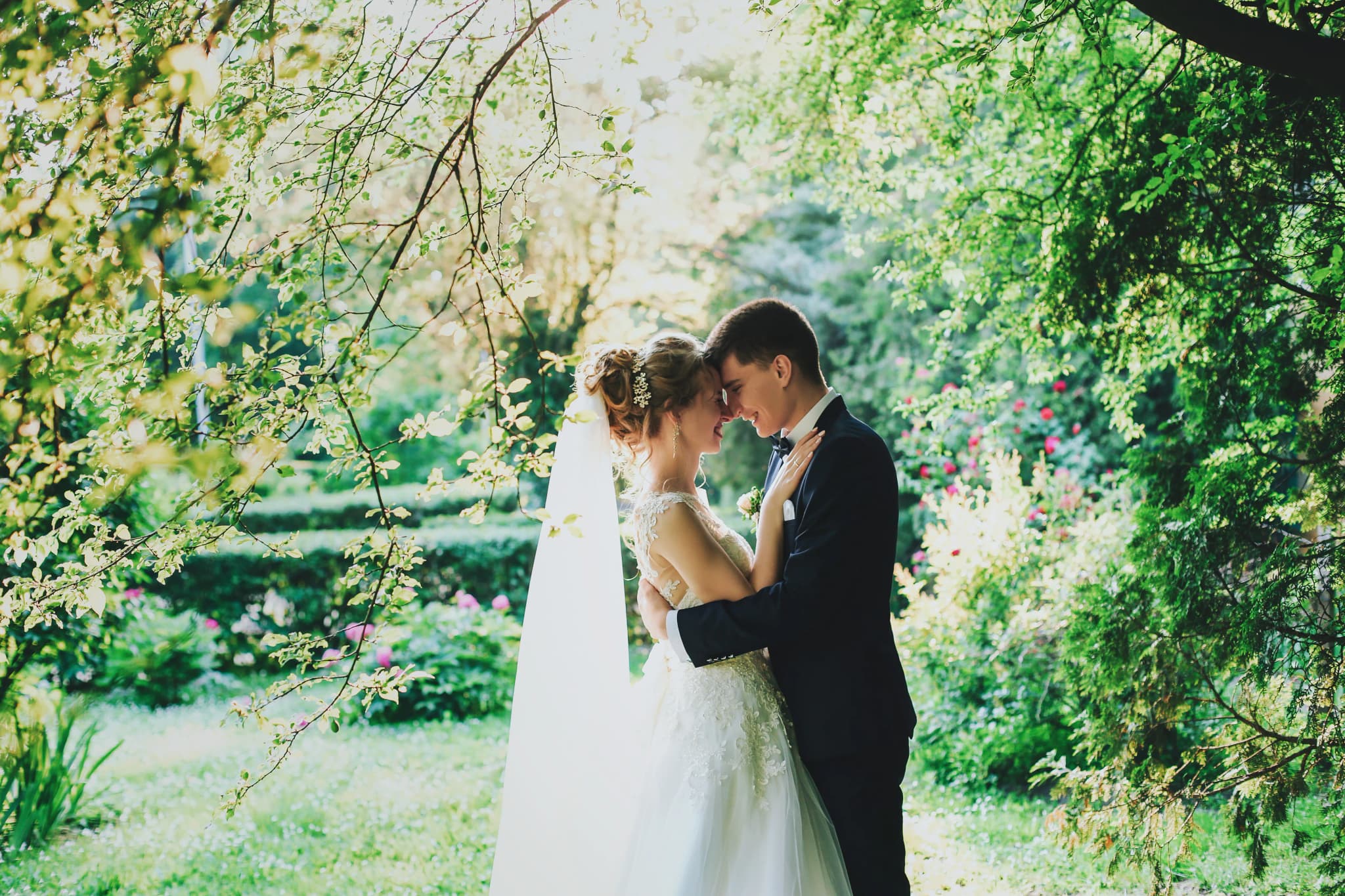
A handful of image types come up again and again at autumn weddings because the season makes them possible in a way summer simply does not. Leaf carpet portraits — a couple standing or walking through deep drifts of fallen leaves — remain a classic that never grows old because it is genuinely beautiful rather than merely fashionable. Autumn woodland, with paths through beech or oak woodland and the canopy overhead still in colour, gives an extraordinary atmosphere for more intimate, quieter portraits away from the main wedding party. Riverside locations with autumn trees reflected in still water double the colour in the frame when the couple is positioned on the bank.
Misty mornings, particularly in September and October, are especially evocative when the venue itself appears out of the mist in the background, though this generally requires a couple willing to do a short session early on the wedding morning rather than waiting for the main portrait time later in the day. Many autumn weddings also lean into the season with outdoor fire features — fire pits, sparkler tunnels, lantern releases — for the evening, and these photograph with a drama that a summer wedding, still light at 9pm, cannot easily replicate.
Planning an autumn wedding in England
Autumn is one of my favourite seasons to photograph, wherever in the country the venue happens to be. I am always glad to talk through how the season and a specific venue's grounds will work together.
Talk through your autumn weddingPractical Planning for Shorter Days
Autumn brings noticeably shorter days, and by November golden hour can arrive as early as 4pm. This means portrait timings need to be planned earlier in the afternoon than they would be for a summer wedding, and I always work through the expected sunset and light times for the specific date and venue in advance to make sure couple and family portraits fall within the best available window rather than being squeezed in as an afterthought once the light has already started to fade.
Temperatures can also drop quickly once the sun goes down, more so than many couples expect if they are marrying for the first time in this season. Having warm wraps, jackets, or even blankets available for outdoor portraits and evening photographs in the cool of the evening is well worth planning for, both for comfort and because visibly cold guests rarely photograph as well as comfortable ones.
Choosing a Venue for Autumn Photography
Not every venue makes the most of the season equally. Venues with mature parkland, established woodland, or a walled garden with deciduous planting tend to offer the richest autumn photography, while venues that rely heavily on manicured lawns or modern landscaping can look comparatively flat once the summer flowers are gone. When couples ask my advice on venue choice with an autumn date already in mind, I encourage them to visit in a previous autumn if at all possible, simply to see how the grounds actually look in that season rather than judging purely from summer photographs on a venue's website.
Booking Considerations for Autumn Dates
Autumn dates, particularly in September and early October before the weather turns properly cold, remain popular with couples and can book up almost as quickly as peak summer Saturdays at well-regarded venues. Later October and November dates, by contrast, are often more available and can come with better rates from venues and suppliers looking to fill their calendar outside the traditional summer season, which is worth bearing in mind for couples with some flexibility on exact timing.
I would also encourage couples considering an autumn wedding anywhere in England to think about their guests' travel, particularly if a reasonable number are coming from further afield. Shorter days and the possibility of early autumn fog can occasionally affect travel plans in a way that a bright June weekend simply does not, and building a little extra time into the day's schedule for guests arriving is sensible rather than overly cautious.
What Autumn Means for Guests and Suppliers
An autumn wedding date can also work in a couple's favour beyond the photography itself. Many venues, caterers, florists, and other suppliers have more availability and occasionally more flexible pricing outside the June-to-August peak, which can open up options that would be fully booked or considerably more expensive at the height of summer. Florists in particular often relish an autumn brief, since the seasonal flowers and foliage available — dahlias, chrysanthemums, textured grasses, berries — offer a completely different palette from summer blooms and tend to photograph with real depth against the same backdrops the wedding itself is using.
Guests, for their part, often find an autumn wedding a welcome change from a summer social calendar already full of other weddings, birthdays, and holidays, and the cosier, more intimate atmosphere that shorter days and cooler evenings bring can suit certain personalities and venues far better than the heat and long daylight of a July wedding.
Catering also tends to shift naturally toward the season — warming dishes, richer flavours, mulled drinks at an evening reception — and this kind of seasonal detail, woven through the day alongside the visual richness of the surroundings, gives an autumn wedding a coherence that is genuinely distinct from any other time of year.
Autumn weddings across England offer a season of genuine visual richness, provided the day is planned with the shorter daylight hours and cooler evenings in mind. If you are getting married this autumn anywhere in the region, get in touch and I would be glad to help plan the photography around your venue and date.

Yana Skakun
Photographer · England
Professional wedding, family and portrait photographer based in England. Passionate about capturing authentic emotions and timeless moments.
About Yana →autumn wedding photography Englandfall wedding photographer UKOctober wedding photos England
Wedding Tips — Wedding Photography in Cambridge & England
Yana Skakun is a professional wedding photographer based in Cambridge, covering weddings across England — from intimate elopements to full-day ceremonies at country houses, barns, and city venues. Every couple receives a relaxed, documentary approach that captures the day as it truly unfolds. This guide — Autumn Wedding Photography in England: Russet Leaves, Misty Mornings & Harvest Romance — is part of the photography journal: practical, experience-based advice drawn from real sessions across England. Whether you arrived searching for autumn wedding photography england or fall wedding photographer uk, the same care and attention shapes every session Yana photographs.
Wedding Photography sessions are available year-round, with bookings open across Cambridge, Ely, Huntingdon, Peterborough, and further afield — East England, London, the Midlands, and beyond. If you have specific questions about october wedding photos england, mention it in your enquiry. Get in touch through the contact form above to check availability and discuss your session. Enquiries are welcomed from anywhere in the UK.
Frequently Asked Questions
How much does a wedding photographer cost in England?+
Wedding photography in England typically ranges from £1,500 to £4,000+ for a full day. Price depends on experience, coverage hours, and whether albums or engagement shoots are included. Most photographers charge between £2,000–£3,000 for 8–10 hours of coverage.
How early should you book a wedding photographer?+
For peak season (May–September), book 12–18 months in advance. For autumn and winter weddings, 9–12 months is usually sufficient. Popular photographers at popular venues fill up fast — as soon as you have a date and venue confirmed, start reaching out.
How many photos do you get from a wedding photographer?+
Most professional wedding photographers deliver 400–800 edited images for a full-day wedding. The exact number depends on coverage hours, how many guests there are, and the photographer's editing style. Quality matters more than quantity — a curated gallery of 500 images tells the story better than 1,500 unedited files.
Do you need a second photographer at your wedding?+
A second photographer is helpful if you want simultaneous coverage of getting-ready moments in different locations, multiple angles during the ceremony, or more candid coverage during the reception. It adds cost but significantly increases the variety and completeness of your gallery.
What is the difference between documentary and editorial wedding photography?+
Documentary (reportage) wedding photography captures moments as they happen — the photographer observes and doesn't intervene. Editorial photography involves deliberate direction: placing you in good light, shaping compositions, creating intentional portraits. Most photographers blend both styles throughout the day.
Continue Reading
Related Articles

Wedding Tips
Sustainable Eco-Friendly Wedding Guide — Planning a Green Celebration
15 min read · Read Article
Wedding Tips
Trash the Dress Session — Complete Planning and Photography Guide
14 min read · Read Article
Wedding Tips
Client Communication for Photographers — From Enquiry to Gallery Delivery
15 min read · Read Article
Get in Touch
Ready to Book Your Session?
Get in touch to discuss your vision — I'll reply within 24 hours.