Yana Skakun

Autumn Wedding Timeline for the Best Lighting and Colours
By Yana Skakun·10 June 2026·5 min read
Autumn is, without question, the season I look forward to most as a wedding photographer. From late September through November, the English light takes on a warmth and depth that simply does not exist at any other time of year — copper-gold afternoons, soft-diffused overcast skies, and a colour palette in the surrounding landscape that no editing preset can replicate. If you are planning an autumn wedding and you want photographs that genuinely reflect the season, the single most valuable decision you can make is to build your day's timeline around the light.
Why Autumn Light Is So Special for Wedding Photography
The physics of autumn light work heavily in a couple's favour. Because the sun sits lower on the horizon throughout the entire day — not just at golden hour — the light is raked rather than overhead, which means it wraps around faces, catches the texture of fabrics, and creates gentle natural shadows that flatter every skin tone. In summer, midday sun is high and harsh, producing unflattering shadows under eyes and chins. In autumn, even noon light is softer and more directional.
Overcast autumn days, which are common across the UK and particularly in Cambridgeshire, produce what photographers call "open shade" across the whole world — a beautifully even, flattering light with no harsh contrasts. Woodland settings, country estates, and barn venues all look their best under this kind of diffused sky. The warm tones of fallen leaves and turning foliage add natural colour contrast that makes portraits feel rich and layered without any artificial intervention.
Sunset in autumn also arrives earlier — typically between 5:30 pm and 6:30 pm depending on the month — which means golden hour falls during your reception rather than at an awkward time. A well-planned timeline lets you step outside with your guests for that brief window when the sky turns amber and the whole venue is bathed in warm, directional light.
Building Your Autumn Wedding Timeline Around the Light
The most common mistake I see in autumn wedding timelines is treating photography as something that fits around catering, speeches, and supplier schedules rather than as an equal priority. Natural light is a finite resource, and once it is gone, it is gone. Here is how I recommend structuring an autumn wedding day to make the most of it.
- ◆Ceremony by 1:00–2:00 pm: An early-afternoon ceremony means you exit into the best mid-afternoon light for confetti shots and the first moments as a married couple. Avoid late-afternoon ceremonies that push your couple portraits into the dark.
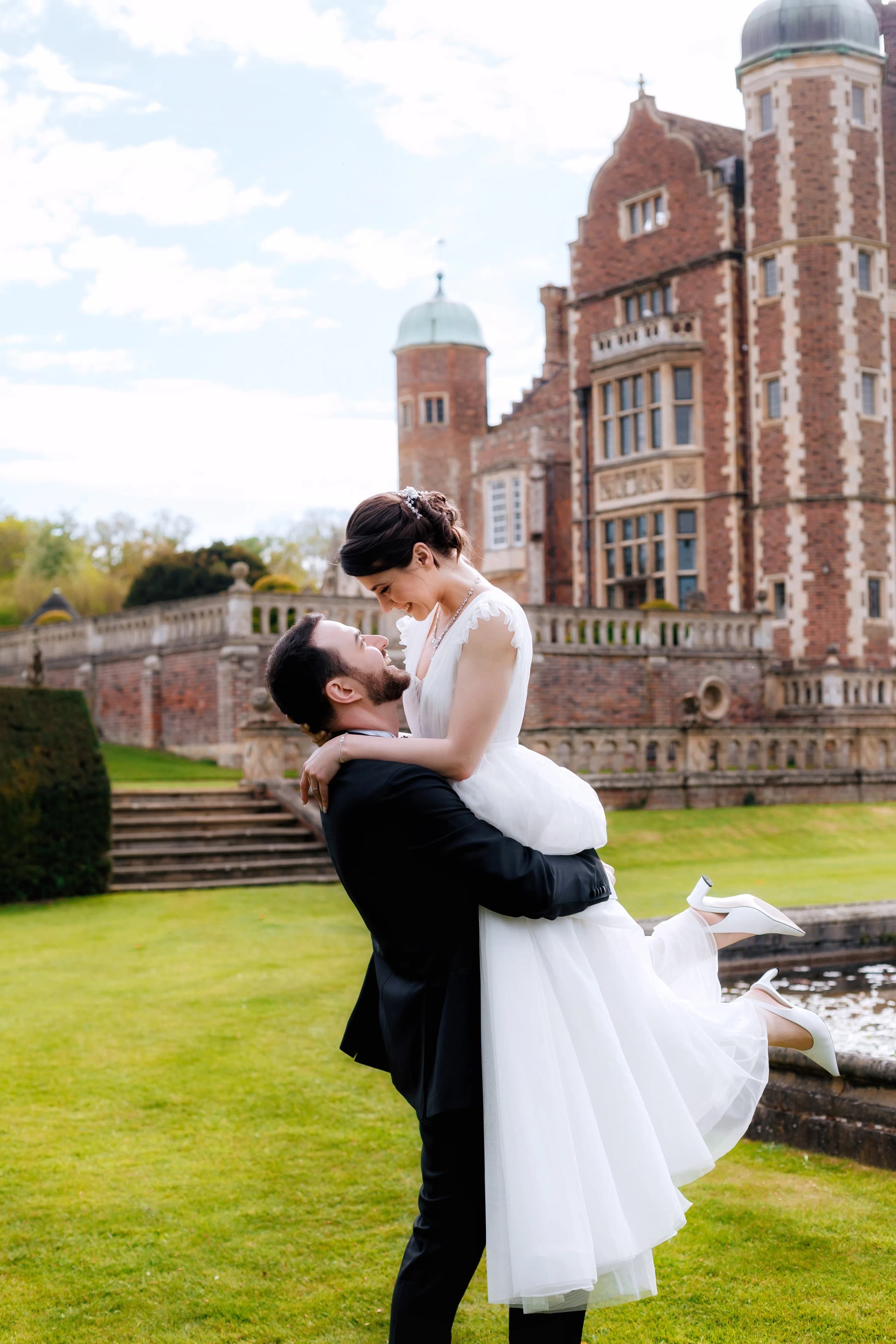
- ◆Couple portraits at 3:30–4:30 pm: This is the golden window in autumn — the sun is low, the light is warm, and your guests are happily occupied with canapés. Budget 30–45 minutes for this, not 15. Some of my favourite images come from this block.
- ◆Sunset portraits at 5:00–6:00 pm: If your venue has an outdoor space, ask me to pull you away for 10 minutes around sunset. Even a brief session during the last light of the day produces dramatic, romantic images that stand apart from the rest of the day.
- ◆Speeches before 6:00 pm where possible: Speeches held while there is still ambient light outside allow for natural window light in the room and more versatile documentary coverage. Post-sunset speeches rely entirely on artificial venue lighting.
- ◆First dance after dark is fine: Once the light has gone, the first dance and evening reception are all about atmosphere — candles, fairy lights, and dancing. This is a completely different style of photography and works beautifully in its own right.
- ◆Leave buffer time in the schedule: Autumn weddings often run behind due to earlier darkness creating a slight sense of urgency. Build 20-minute buffers between key moments so that a delayed ceremony does not cost you your golden-hour portraits.
Choosing the Right Autumn Venue for Photography
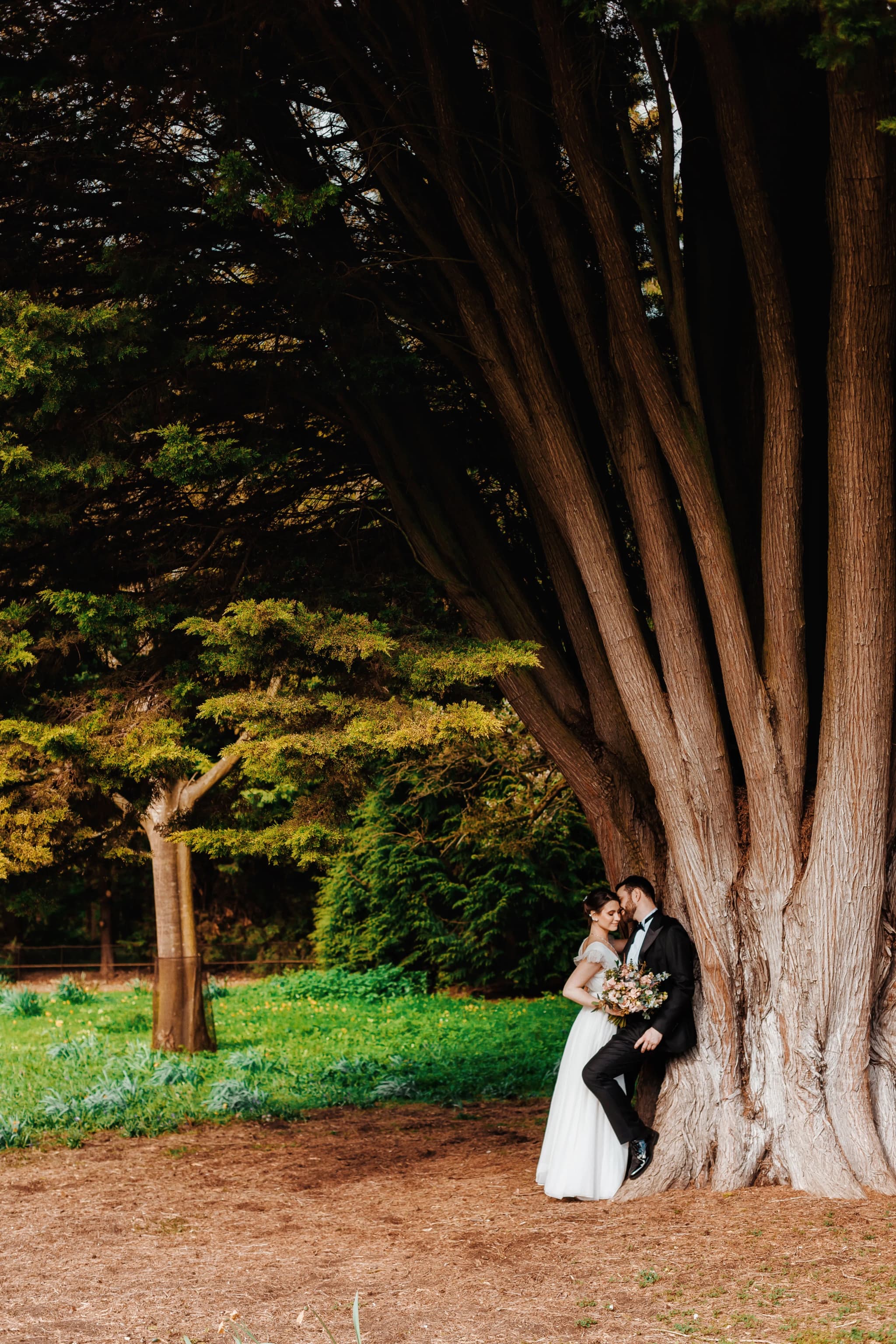
The venue you choose will have a significant impact on how the autumn light behaves throughout your day. South- or west-facing outdoor spaces are ideal because they receive afternoon and evening sun. Woodland settings, walled gardens, and grounds with mature deciduous trees are exceptional in October and early November when the canopy is at peak colour — fiery reds, burnt oranges, and deep yellows create a natural backdrop that no studio could replicate.
In Cambridgeshire and across the wider East of England, I regularly work at venues surrounded by farmland, parkland, and ancient woodland. The flat, open skies of East Anglia are particularly suited to autumn photography — the light travels a long way unobstructed and the horizon often glows long after the sun has technically set. If you are choosing between two venues and one has south-facing grounds, that detail is worth more to your photographs than almost any other factor.
For indoor ceremonies and receptions, look for venues with large windows on the south or west wall. Barns with high windows, orangeries, and country houses with Georgian-style window proportions all allow the afternoon light to pour in naturally, reducing the need for flash and keeping the warmth of the season inside your images.
What to Wear for Autumn Wedding Photography
The colour palette of autumn — deep terracottas, forest greens, burnt sienna, ivory, and plum — works beautifully against the season's natural backdrop. As a photographer I always note that bridesmaids' dresses and groomsmen's ties in colours drawn from the natural palette of the season create cohesive, timeless images. Ivory and champagne gowns glow warmly in autumn light in a way that stark white can sometimes resist.
Practically speaking, build warmth into your wedding-day clothing plan. A beautiful bridal cape, a tailored wool overcoat for the groom, or a fur stole for outdoor portraits are not just practical — they add texture and visual interest that photographs beautifully. I always tell couples that an outdoor portrait session in October with a warm layer is far more comfortable and produces far better images than a rushed indoor substitute because it was too cold outside.
Accessories in warm metallics — antique gold, bronze, and copper — photograph exceptionally well in autumn light. If you are choosing jewellery or hairpieces, lean toward these tones rather than cool silvers, which can look slightly flat under the warm spectrum of autumn sun.
Working With Shorter Days: Practical Tips From a Cambridge Wedding Photographer
The shorter days of autumn are not a limitation — they are a creative constraint that, handled well, produces better photographs than a long summer day often does. The key is honest planning. By late October, sunset is around 5:00 pm in Cambridge. A ceremony starting at 3:00 pm gives very little time for outdoor portraits before dark. I will always tell a couple this directly at the planning stage, and I encourage you to ask your photographer the same question: "Given our ceremony time and sunset time on our date, how much outdoor light do we realistically have?"
If your heart is set on a late-afternoon ceremony, consider scheduling your couple portraits before the ceremony — sometimes called a "first look." While this is not a tradition every couple wants, it is an incredibly practical solution for autumn weddings, and some of the most intimate, unguarded images I have ever made have come from a quiet 20-minute first-look session in a garden before the ceremony.
Finally, embrace the darkness when it arrives. Autumn evenings at a candlelit barn, a country house drawing room glowing with warm light, or a marquee strung with fairy lights are genuinely beautiful settings for documentary and portrait photography. The end-of-day atmosphere of an autumn wedding — guests gathered around fireplaces, dancing under low warm light, the smell of woodsmoke — is something that summer weddings cannot offer, and it deserves to be photographed with just as much care as the golden-hour portraits that came before it.
Planning an Autumn Wedding in Cambridgeshire?
I specialise in Cambridge and East Anglian weddings and know exactly how to build a timeline that captures the best of the autumn light at your venue. Get in touch to check whether your date is available and to talk through how we can make the most of the season together.
Check Your Date →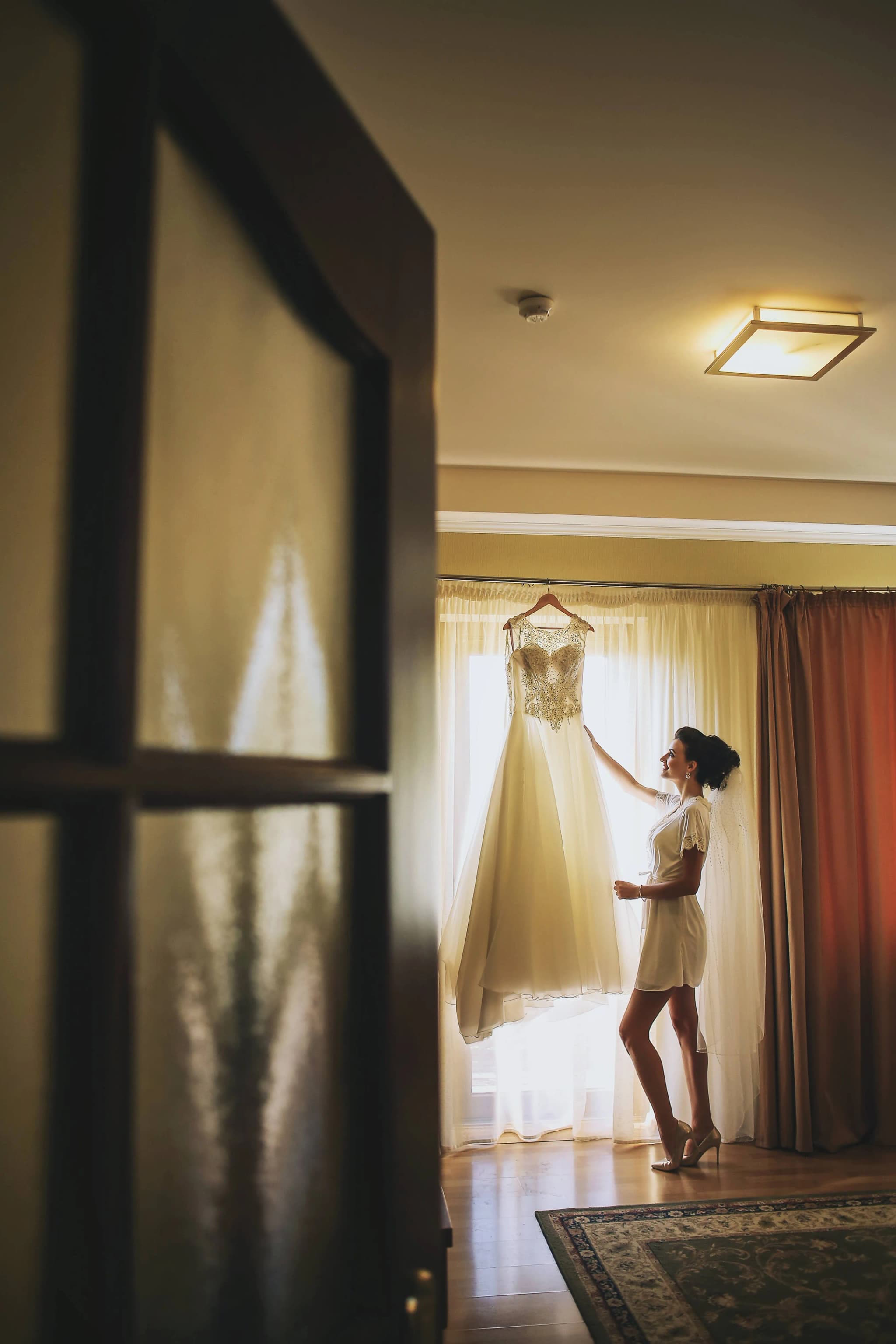

Yana Skakun
Photographer · England
Professional wedding, family and portrait photographer based in England. Passionate about capturing authentic emotions and timeless moments.
About Yana →autumnweddingtimelinebest
Wedding Tips — Wedding Photography in Cambridge & England
Yana Skakun is a professional wedding photographer based in Cambridge, covering weddings across England — from intimate elopements to full-day ceremonies at country houses, barns, and city venues. Every couple receives a relaxed, documentary approach that captures the day as it truly unfolds. This guide — Autumn Wedding Timeline for the Best Lighting and Colours — is part of the photography journal: practical, experience-based advice drawn from real sessions across England. Whether you arrived searching for autumn or wedding, the same care and attention shapes every session Yana photographs.
Wedding Photography sessions are available year-round, with bookings open across Cambridge, Ely, Huntingdon, Peterborough, and further afield — East England, London, the Midlands, and beyond. If you have specific questions about timeline, mention it in your enquiry. Get in touch through the contact form above to check availability and discuss your session. Enquiries are welcomed from anywhere in the UK.
Frequently Asked Questions
How much does a wedding photographer cost in England?+
Wedding photography in England typically ranges from £1,500 to £4,000+ for a full day. Price depends on experience, coverage hours, and whether albums or engagement shoots are included. Most photographers charge between £2,000–£3,000 for 8–10 hours of coverage.
How early should you book a wedding photographer?+
For peak season (May–September), book 12–18 months in advance. For autumn and winter weddings, 9–12 months is usually sufficient. Popular photographers at popular venues fill up fast — as soon as you have a date and venue confirmed, start reaching out.
How many photos do you get from a wedding photographer?+
Most professional wedding photographers deliver 400–800 edited images for a full-day wedding. The exact number depends on coverage hours, how many guests there are, and the photographer's editing style. Quality matters more than quantity — a curated gallery of 500 images tells the story better than 1,500 unedited files.
Do you need a second photographer at your wedding?+
A second photographer is helpful if you want simultaneous coverage of getting-ready moments in different locations, multiple angles during the ceremony, or more candid coverage during the reception. It adds cost but significantly increases the variety and completeness of your gallery.
What is the difference between documentary and editorial wedding photography?+
Documentary (reportage) wedding photography captures moments as they happen — the photographer observes and doesn't intervene. Editorial photography involves deliberate direction: placing you in good light, shaping compositions, creating intentional portraits. Most photographers blend both styles throughout the day.
Continue Reading
Related Articles

Wedding Tips
Sustainable Eco-Friendly Wedding Guide — Planning a Green Celebration
15 min read · Read Article
Wedding Tips
Trash the Dress Session — Complete Planning and Photography Guide
14 min read · Read Article
Wedding Tips
Client Communication for Photographers — From Enquiry to Gallery Delivery
15 min read · Read Article
Get in Touch
Ready to Book Your Session?
Get in touch to discuss your vision — I'll reply within 24 hours.