Yana Skakun
Best Barn Wedding Venues in Cambridgeshire
By Yana Skakun·20 March 2026·6 min read
There is something deeply rooted about a barn wedding in Cambridgeshire. The county's agricultural history stretches back centuries, and the barns it produced — great timber-framed structures built to last generations — carry that weight with them. Couples who choose a barn venue here are not simply selecting a pretty backdrop; they are stepping into a building with genuine character, one that photographs beautifully because every beam and brick has earned its place. I have been photographing weddings at barn venues across Cambridgeshire and the surrounding counties for years, and the variety on offer continues to surprise me.
Why Barn Venues Work So Well for Wedding Photography
From a photographer's perspective, barns offer an unusual combination of qualities that are genuinely difficult to find elsewhere. The structural timber framing creates natural leading lines and framing opportunities — a couple standing beneath a pair of crossing oak beams has a portrait composition handed to them before I have even lifted the camera. The aged textures of old brick, worn floorboards, and rough stone walls add depth and warmth to images in a way that more polished, purpose-built event spaces rarely do.
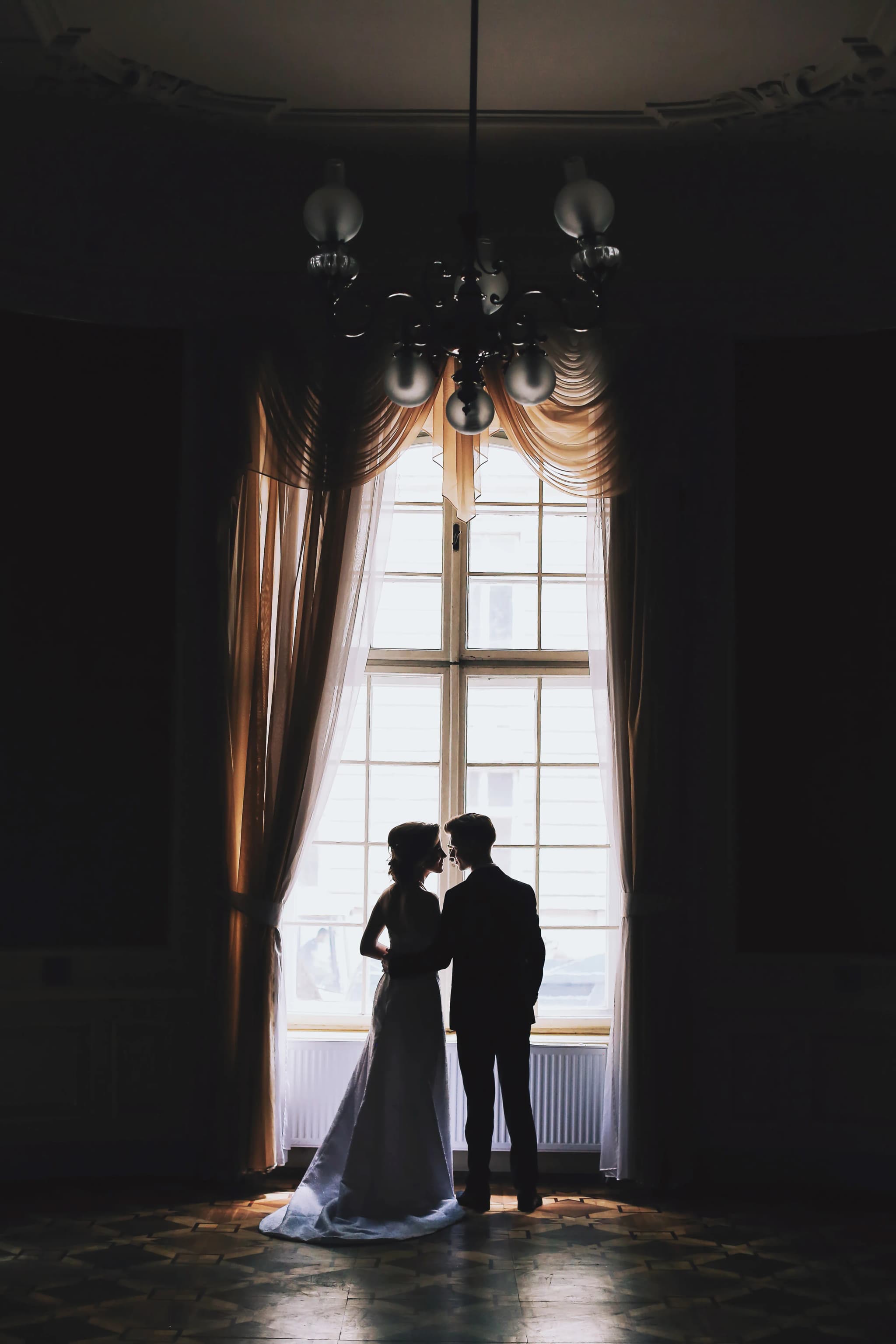
Light inside a barn is another asset. Many converted barns retain large doorways and loading hatches that, when opened, flood the interior with soft, directional natural light. On an overcast Cambridgeshire day — which is far from uncommon — that diffused daylight creates the kind of flattering, shadow-free illumination that portrait photographers pay a great deal of money to replicate in a studio. I always scout the main doors and any skylights when I arrive at a new barn venue, because they are often the best light source in the building.
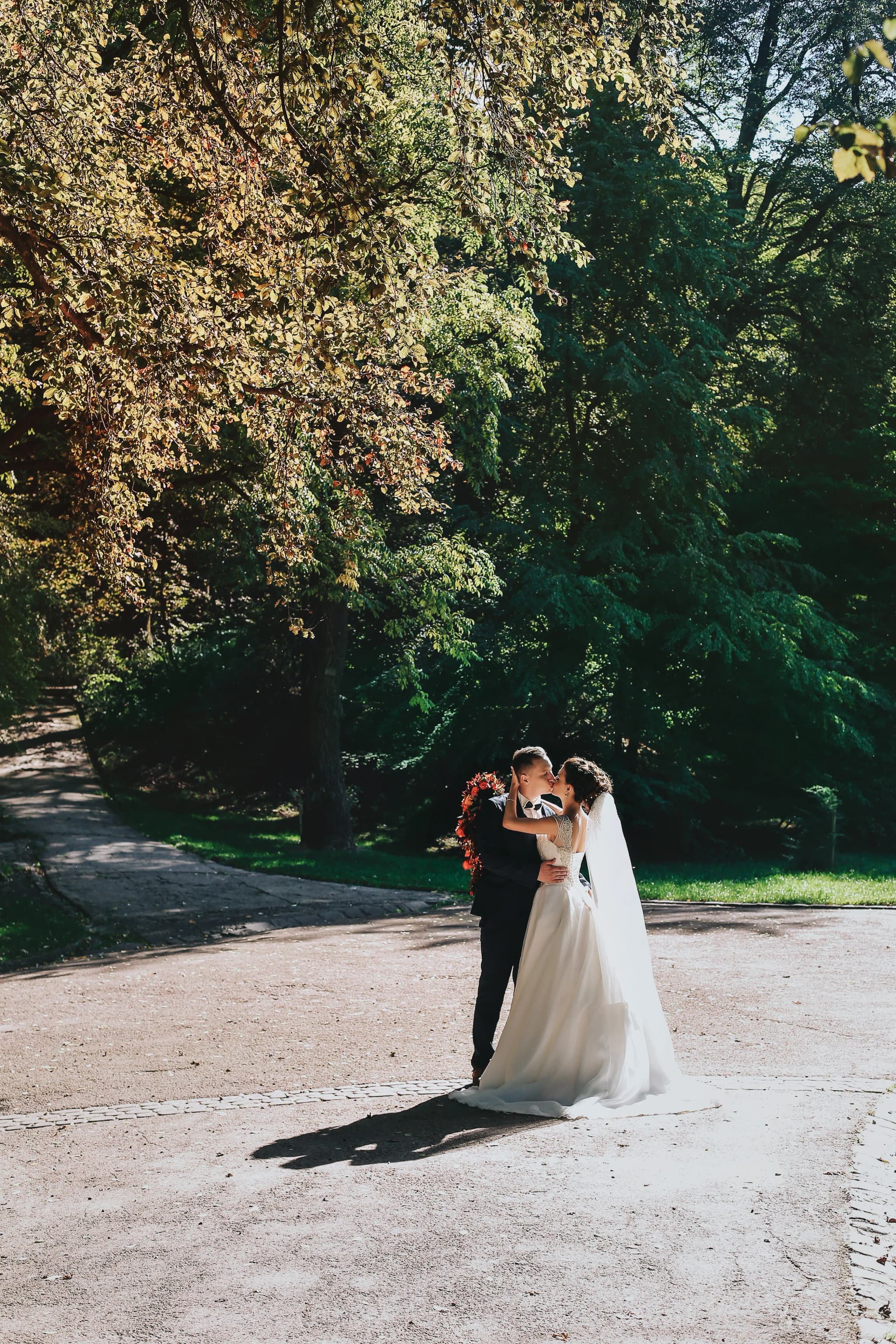
The exterior of a barn venue matters just as much as the interior. Cambridgeshire barns typically sit within farmyards or open fields, which means the surrounding landscape is available as a canvas for couple portraits. The long, unbroken horizon that characterises the Fens creates a minimalist backdrop for silhouette shots at dusk, while the gentle chalk hills to the south and east offer more varied terrain with hedgerows, sunken lanes, and mature trees.
Notable Barn Wedding Venues Across the County
Cambridgeshire has a genuinely strong selection of barn venues, each with its own personality. Manor Farm Barns in Hemingford Grey is one of the most established in the county — a medieval farm complex that sits within sight of the Great Ouse floodplain. The combination of ancient stonework, working farmyard character, and the wide river valley beyond makes it a remarkable setting at any time of year. Summer evening portraits here, with the floodplain stretching out behind the couple and the sky doing its Cambridgeshire best, are images that couples tend to keep coming back to.
Further south, towards the Cambridgeshire-Hertfordshire border, a number of private farm venues have opened up their converted barns for exclusive-hire weddings. These tend to be less well-known and therefore less likely to appear on wedding directories, but they can be extraordinary finds. Converted cart lodges and threshing barns on private estates often come with access to the whole farm — outbuildings, orchards, kitchen gardens — which gives a wedding day enormous photographic variety. I always recommend that couples planning this type of venue ask explicitly about what grounds will be accessible on the day.
The villages along the River Cam corridor — Grantchester, Trumpington, Fulbourn — also have farm venues within easy reach of Cambridge itself, which matters for couples with guests travelling by train. Being able to offer central accommodation and a rural venue within twenty minutes of a mainline station is a significant practical advantage, and it makes barn weddings accessible to guests who might otherwise struggle with remote rural locations.
The Cambridgeshire Sky and What It Does to a Wedding
Anyone who has spent time in East Anglia understands the sky. It is simply larger here than in most parts of England — an unobstructed expanse that shifts and moves in a way that feels almost theatrical. Cloud formations that would be cropped by a hillside elsewhere are fully visible across the Fens, and the light at golden hour on a clear summer evening can turn an ordinary field into something extraordinary. I spend more time watching the sky at Cambridgeshire barn weddings than almost anywhere else I work, because the conditions change quickly and the rewards for catching the right moment are significant.
This does mean that timing matters. Barn venues in the Fens can be exposed — wind is not uncommon, and an autumn wedding day can move through three or four completely different weather conditions before the reception even begins. From a photographic standpoint, that variety is actually welcome; dramatic skies produce dramatic images, and a heavy overcast that softens the light completely can be more flattering than harsh summer sunshine. The practical advice I give couples at Fen-edge venues is to build flexibility into the day's schedule so that if conditions are ideal for outdoor portraits at an unexpected moment, we can take advantage.
The big sky also creates opportunities for wide-angle compositions that simply would not work in more enclosed settings. A couple walking away down a long farm track, with the sky taking up two thirds of the frame and the barn visible in the far distance, is a composition that speaks directly to the landscape they chose for their wedding. These are the images that feel specific to Cambridgeshire — images that could not have been taken anywhere else.
Practical Preparation for Your Barn Wedding Day
Barn venues in Cambridgeshire vary considerably in their facilities and in their approach to suppliers. Many of the more established venues operate preferred supplier lists, which may or may not include photographers. If you are booking a venue that works this way, it is worth confirming early whether there is flexibility to bring in a photographer you have chosen independently — most venues are accommodating if you ask clearly and in advance.
It is also worth asking your venue about their approach to artificial lighting. Some barns are beautifully lit by integrated uplighting or fairy lights in the evening; others rely almost entirely on natural light supplemented by candles. For photography, the difference matters. I work with additional lighting where necessary and always carry off-camera flash equipment for evening coverage, but knowing in advance what the ambient conditions will be means I can plan the day's approach more precisely.
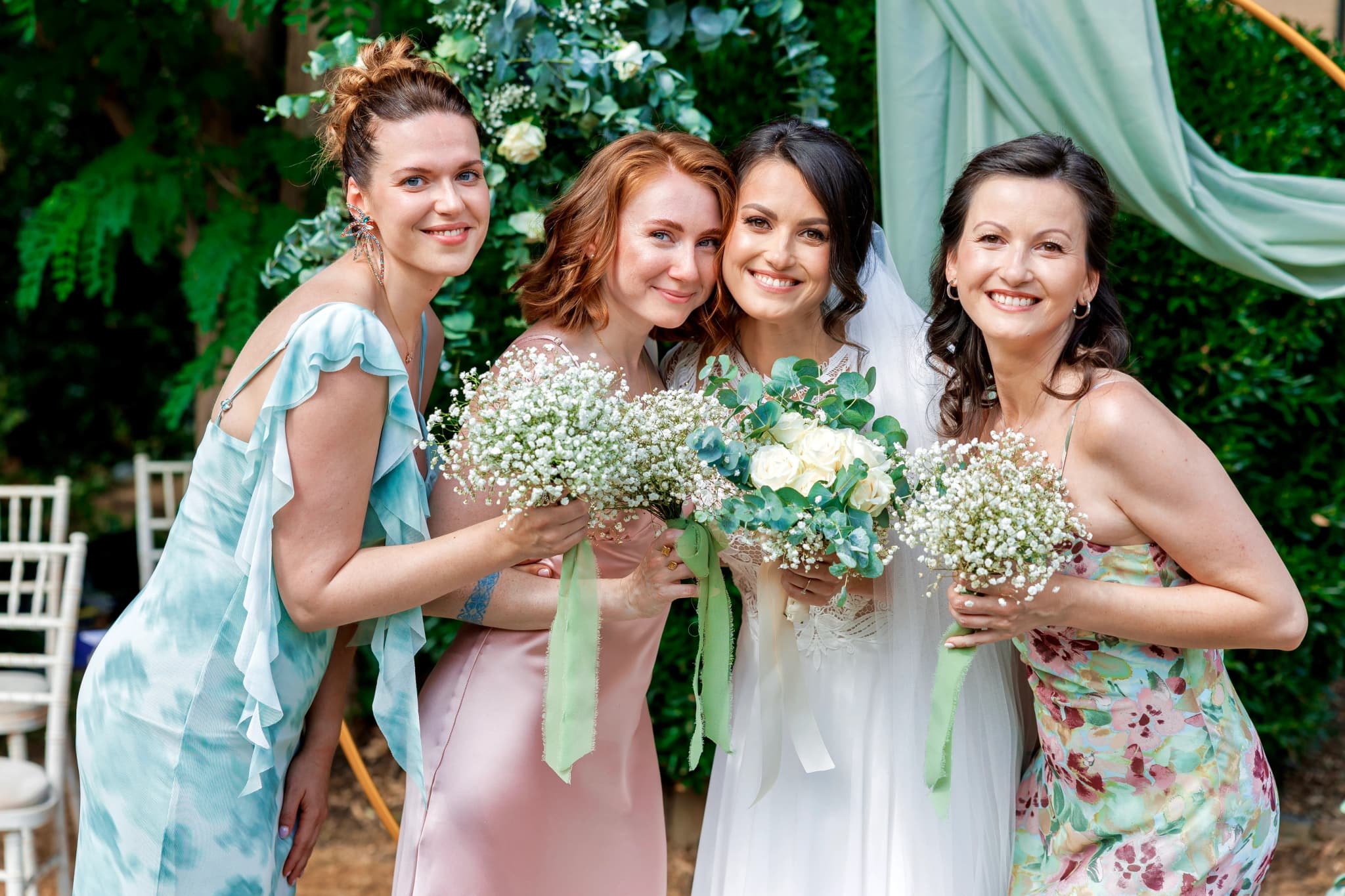
Footwear and ground conditions are worth a moment's thought. Many barn venues have gravel or cobbled courtyards, and some have access paths across fields that can be soft after rain. Bridesmaids in stilettos crossing a damp Cambridgeshire field is a situation best anticipated rather than discovered. I always do a full walk of the venue grounds when I arrive for a pre-wedding site visit, noting both the photographic opportunities and the practical terrain, so that on the wedding day itself I can guide everyone efficiently and confidently.
Planning a barn wedding in Cambridgeshire?
I offer pre-wedding site visits to all barn venue couples — it is the single most useful thing we can do together before your day. Understanding the light, the layout, and the grounds in advance means that on the day itself, we spend time making photographs rather than finding our bearings. Get in touch to talk about your venue and what we can create there together.
Seasonal Considerations for Barn Wedding Photography
Cambridgeshire barn venues are genuinely beautiful across all four seasons, but each brings its own character to the photography. Spring brings blossom and soft green growth around farmyards; a couple in the doorway of a tithe barn with apple blossom behind them is a classic combination that never gets tired. Summer gives long evenings and golden light that can last until nine o'clock or later, ideal for late-evening portrait sessions after the formalities are done. Autumn brings the warmth of turning leaves and harvest colours that complement the honey-toned stone and timber of most barn conversions perfectly.
Winter barn weddings deserve their own mention. The short days mean that golden-hour light arrives mid-afternoon, which I find opens up portrait timing in a way that summer weddings do not always allow. Candlelit barn interiors in winter have an intimacy that is harder to achieve in the long, bright days of June. Frost on a farmyard, candles in barn windows, bare trees against a pale sky — winter Cambridgeshire can produce some of the most atmospheric wedding images of the year. Many couples overlook it, but those who choose a December or January date often end up with photographs they love precisely because the conditions were so different from the expected summer wedding aesthetic.
What to Look for When Choosing Your Barn Venue
When couples ask me for advice on choosing between barn venues in Cambridgeshire, I tend to suggest they think about three things: the quality of the natural light inside, the character of the exterior and grounds, and the practicalities of the day. A barn that is beautiful in photographs but poorly organised logistically — where the bridal preparation happens in a cramped outbuilding, or where the ceremony and reception spaces are in separate locations with a difficult walk between them — will add stress that shows in the images. The best barn venues integrate space and flow naturally, so that the day moves smoothly and the photographs reflect that ease.
Ask to visit any venue you are seriously considering at the same time of year and time of day as your wedding. The light in a barn at two o'clock on a December afternoon is completely different from the light at the same time in July, and understanding what you are actually booking is genuinely useful. I am always happy to accompany couples on venue visits — having a photographer alongside when you are making that assessment means you get an honest opinion about what is and is not going to work for the images you have in mind.
Cambridgeshire barn weddings, at their best, are a particular kind of day — rooted in landscape and agricultural history, generous with space and natural light, and full of the quiet character that comes from buildings that have been standing for centuries. They reward careful preparation and a photographer who knows the county well. In my experience, the couples who get the most from these venues are those who give themselves time to move through them properly — to stand in the doorways, to walk the fields at dusk, to let the place do what it does. That is when the really good photographs happen.

Yana Skakun
Photographer · England
Professional wedding, family and portrait photographer based in England. Passionate about capturing authentic emotions and timeless moments.
About Yana →barn weddings Cambridgeshirebarn wedding photographer CambridgeCambridgeshire barn venue guide
Wedding Tips — Wedding Photography in Cambridge & England
Yana Skakun is a professional wedding photographer based in Cambridge, covering weddings across England — from intimate elopements to full-day ceremonies at country houses, barns, and city venues. Every couple receives a relaxed, documentary approach that captures the day as it truly unfolds. This guide — Best Barn Wedding Venues in Cambridgeshire — is part of the photography journal: practical, experience-based advice drawn from real sessions across England. Whether you arrived searching for barn weddings cambridgeshire or barn wedding photographer cambridge, the same care and attention shapes every session Yana photographs.
Wedding Photography sessions are available year-round, with bookings open across Cambridge, Ely, Huntingdon, Peterborough, and further afield — East England, London, the Midlands, and beyond. If you have specific questions about cambridgeshire barn venue guide, mention it in your enquiry. Get in touch through the contact form above to check availability and discuss your session. Enquiries are welcomed from anywhere in the UK.
Frequently Asked Questions
How much does a wedding photographer cost in England?+
Wedding photography in England typically ranges from £1,500 to £4,000+ for a full day. Price depends on experience, coverage hours, and whether albums or engagement shoots are included. Most photographers charge between £2,000–£3,000 for 8–10 hours of coverage.
How early should you book a wedding photographer?+
For peak season (May–September), book 12–18 months in advance. For autumn and winter weddings, 9–12 months is usually sufficient. Popular photographers at popular venues fill up fast — as soon as you have a date and venue confirmed, start reaching out.
How many photos do you get from a wedding photographer?+
Most professional wedding photographers deliver 400–800 edited images for a full-day wedding. The exact number depends on coverage hours, how many guests there are, and the photographer's editing style. Quality matters more than quantity — a curated gallery of 500 images tells the story better than 1,500 unedited files.
Do you need a second photographer at your wedding?+
A second photographer is helpful if you want simultaneous coverage of getting-ready moments in different locations, multiple angles during the ceremony, or more candid coverage during the reception. It adds cost but significantly increases the variety and completeness of your gallery.
What is the difference between documentary and editorial wedding photography?+
Documentary (reportage) wedding photography captures moments as they happen — the photographer observes and doesn't intervene. Editorial photography involves deliberate direction: placing you in good light, shaping compositions, creating intentional portraits. Most photographers blend both styles throughout the day.
Continue Reading
Related Articles

Wedding Tips
Sustainable Eco-Friendly Wedding Guide — Planning a Green Celebration
15 min read · Read Article
Wedding Tips
Trash the Dress Session — Complete Planning and Photography Guide
14 min read · Read Article
Wedding Tips
Client Communication for Photographers — From Enquiry to Gallery Delivery
15 min read · Read Article
Get in Touch
Ready to Book Your Session?
Get in touch to discuss your vision — I'll reply within 24 hours.