Yana Skakun
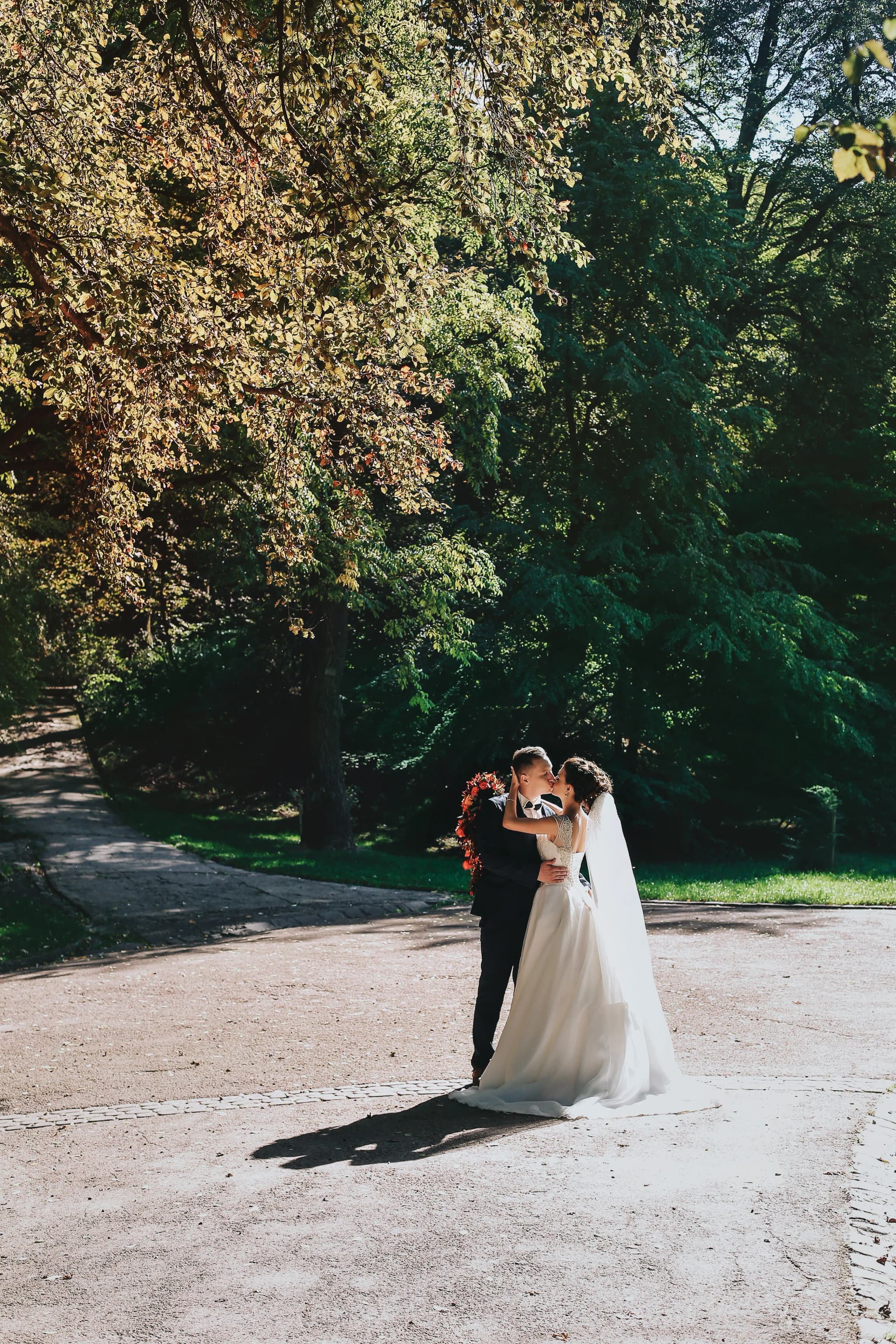
Beautiful Barn Wedding Venues Across Suffolk & Norfolk
By Yana Skakun·20 March 2026·6 min read
Suffolk and Norfolk offer some of the most quietly spectacular barn wedding settings in England. The East Anglian landscape carries its own distinct visual language — enormous skies, ancient hedgerow oaks, and an extraordinary quality of light that drew Constable and Gainsborough to paint here for generations. For couples who want genuine character, warm natural materials, and a sense of place that feels genuinely rooted rather than manufactured, the barns of this region are in a category of their own.
What Makes East Anglian Barns Distinctive
The building traditions of Suffolk and Norfolk are shaped by local geology rather than any desire to look picturesque. Flint, red brick, clay lump, and weathered timber framing have been combined for centuries into agricultural buildings that are deeply functional and quietly beautiful. Suffolk pink rendered barns catch golden-hour light differently to Cotswold stone; Norfolk flint ranges have a cool silver-grey texture that reads beautifully in both colour and black-and-white photography. These are not buildings designed for weddings — they were designed for grain and livestock — and that honest purpose gives them a solidity and atmosphere that purpose-built wedding venues rarely match.
Clay lump is a material almost unique to Norfolk: compressed earth blocks that give walls an organic, slightly uneven surface and a pale warmth in photographs. When late afternoon light rakes across a clay lump wall at a venue like Granary Estates near Bury St Edmunds, the texture becomes almost tangible. I always spend the first twenty minutes at a new venue simply watching how the light moves across the walls and floors, because understanding that movement shapes every decision I make for the rest of the day.
The interiors of converted East Anglian barns tend to be tall and voluminous, with original roof trusses — sometimes medieval crown-post construction — forming a canopy above the reception space. This height creates a natural drama during ceremonies and a generous negative space above group portraits that I use deliberately. Many barns in the region have retained their original threshing floors, which add warmth underfoot and a visual richness that generic white-walled marquees simply cannot replicate.
Notable Barn Venues Across the Region
Granary Estates near Tuddenham in Suffolk is one of the most photographically rewarding venues I have worked at in East Anglia. The collection of converted farm buildings surrounds a central courtyard that creates natural shelter from the wind while allowing excellent directional light throughout the afternoon. The granary itself has an upper gallery that gives me options for elevated wide shots during the ceremony — a perspective that changes how a room reads completely.
Voewood in North Norfolk, near Holt, is an Arts and Crafts house with barn outbuildings set in grounds that manage to feel both wild and considered. The interplay between the formal gardens, the converted barns, and the surrounding Norfolk countryside creates multiple distinct settings within a single venue. Couples who book Voewood often underestimate how much variety a single day there will yield photographically — from the intimate walled kitchen garden to the open parkland beyond. Park Farm at Hethersett, south of Norwich, offers a multi-barn complex with mature trees that provide natural framing in almost every direction from the main courtyard.
Further south, the Suffolk coast adds a dimension that purely inland venues cannot offer. Venues within reach of Aldeburgh, Southwold, or Dunwich allow for the extraordinary combination of barn interior warmth and coastal landscape. The late light over the North Sea in summer, particularly in July and August, creates sunset conditions that can turn the final hour of a wedding day into something genuinely extraordinary. I always flag this opportunity to couples booking coastal-adjacent Suffolk venues — the walk to the beach during golden hour is one of the most reliably beautiful things I do all year.
The East Anglian Light and How I Work With It
Painters have been drawn to East Anglia specifically for its light since at least the seventeenth century, and the reasons are still visually obvious today. The relative flatness of the landscape means that the sky occupies more of the visual field than in hillier regions, and the lack of industrial haze — Suffolk and Norfolk are among the least polluted counties in England — means that the light has a particular clarity and sharpness in the hours around midday, and a rich warmth at golden hour that saturates colour beautifully.
For barn weddings, the most practically important quality of East Anglian light is what happens inside these buildings when large barn doors are open. Many converted barns have replaced one entire wall with glazing, or retain the original barn doors on their runners, and in both cases the quality of light that floods in on a clear day is genuinely exceptional — soft, directional, and wrapping rather than harsh. I use this window light for almost all of my formal portraits when conditions allow, positioning couples just inside the threshold where the brightness falls away into the interior warmth.
On overcast days — and East Anglia certainly has its share of grey skies — the region's open landscape actually becomes an advantage. Cloud cover creates a natural diffusion box across the entire sky, eliminating the harsh midday shadows that can make outdoor portraits difficult in more sheltered, wooded locations. Some of my favourite images from Suffolk weddings have come from steady grey-sky days where the light was perfectly even and the colours of the landscape were saturated by the ambient moisture in the air.
What Couples Should Plan and Prepare
Barn venues in Suffolk and Norfolk tend to be set in working agricultural land, which means gravel paths, uneven ground, and sometimes genuine farmyard conditions underfoot. I always advise couples to think carefully about footwear — not to abandon their ideal shoe choice, but to plan a change of shoes for the outdoor portrait session that happens in the hour after the ceremony. A pair of wellies or simple flats kept in the bridal suite will mean you can walk through a meadow or along a field margin without anxiety, and the images from that walk will be among the ones you return to most often.
The timeline for a barn wedding in this region benefits from building in what I call a "landscape window" — typically forty-five minutes in the hour before sunset, reserved exclusively for couple portraits. Because these venues are set in open countryside rather than manicured hotel gardens, the surrounding land becomes available as a backdrop in ways that are simply not possible at urban venues. A five-minute walk from the barn can put you in a field of barley, beside an ancient pollarded oak, or at the edge of a fenland dyke — all within easy reach of guests who remain at the venue. I plan this window with every barn couple I work with, regardless of season.
Parking and logistics are worth thinking through early. East Anglian barn venues are typically accessed via narrow country lanes, and the gap between the venue gate and the nearest town can be twenty minutes or more. For suppliers arriving with equipment, this means early coordination is essential. For photography, it means I always do a venue visit before the wedding day to understand the light at different times and to identify the locations I want to use for portraits — arriving at a new venue cold on the morning of the wedding is never ideal.
Planning a barn wedding in Suffolk or Norfolk?
I cover the whole of East Anglia for barn weddings and portrait sessions, travelling from my Cambridge base. Whether you have already booked your venue or are still exploring options, I am happy to talk through what the day might look like photographically and what to look for when choosing between venues. Get in touch to arrange a conversation, or take a look at the wedding photography gallery to see work from East Anglian locations.
Seasonal Considerations for East Anglian Barn Weddings
Summer barn weddings in Suffolk and Norfolk benefit from some of the longest and warmest evenings in England — the eastern coastline catches the rising sun early and the flat landscape means sunset is often visible long after the horizon has been reached. June and July bookings allow portrait sessions in the "blue hour" after the sun has set, when the sky holds a deep indigo that contrasts beautifully with warm window light spilling from the barn behind. This twenty-minute window is one of the most reliably beautiful of the entire year, and I plan to be with the couple outside the moment the reception speeches end.
Autumn barn weddings, particularly from late September through October, offer a different kind of visual richness. The hedgerows of Suffolk and Norfolk hold colour longer than those in wetter western counties, and the agricultural cycle means harvest fields, straw bales, and golden stubble are often visible in the landscape beyond the venue. November can bring low mist in the mornings that transforms the flat fenland around venues near Ely or the Broads into something almost theatrical. I have photographed barn weddings in every month of the year across East Anglia, and each season has genuine and distinct strengths.
Why Barn Weddings Suit a Documentary Photography Style
Barn venues have a natural tendency to encourage the kind of relaxed, gathered celebration that documentary photography captures at its best. Without the formality of a hotel ballroom or the separation of a marquee from the wider estate, guests at barn weddings tend to move more freely, conversations happen in doorways and on bales of hay outside, children find corners to explore, and grandparents settle into chairs with a view of the whole space. This creates a photographic environment that I find genuinely generative — there is always something happening in a barn that is worth capturing, and the architecture itself organises groups naturally without any direction from me.
The acoustic quality of a barn also shapes the emotional texture of the day. Speeches and ceremonies in tall-roofed converted barns have a warmth and resonance that flat-ceilinged rooms lack, and the reaction of guests to that sound — laughter that fills a space, emotion that the room holds — is visible in faces and postures in ways that photograph differently to the same moments in more ordinary settings. In my experience, the combination of beautiful natural materials, great light, and genuine agricultural character creates conditions for images that couples return to again and again, long after the specific details of the day have softened in memory.
Suffolk and Norfolk barn weddings remain among the most rewarding days I photograph across the year. The combination of distinct regional character, exceptional natural light, and the unhurried quality of the East Anglian countryside creates conditions for images that feel genuinely rooted in a particular place and time. If you are considering a barn venue in this region, I would encourage you to trust the instinct that drew you there — and to plan your day with the landscape as a full participant, not just a backdrop.


Yana Skakun
Photographer · England
Professional wedding, family and portrait photographer based in England. Passionate about capturing authentic emotions and timeless moments.
About Yana →barn weddings Suffolkbarn weddings NorfolkSuffolk barn wedding photographer
Wedding Tips — Wedding Photography in Cambridge & England
Yana Skakun is a professional wedding photographer based in Cambridge, covering weddings across England — from intimate elopements to full-day ceremonies at country houses, barns, and city venues. Every couple receives a relaxed, documentary approach that captures the day as it truly unfolds. This guide — Beautiful Barn Wedding Venues Across Suffolk & Norfolk — is part of the photography journal: practical, experience-based advice drawn from real sessions across England. Whether you arrived searching for barn weddings suffolk or barn weddings norfolk, the same care and attention shapes every session Yana photographs.
Wedding Photography sessions are available year-round, with bookings open across Cambridge, Ely, Huntingdon, Peterborough, and further afield — East England, London, the Midlands, and beyond. If you have specific questions about suffolk barn wedding photographer, mention it in your enquiry. Get in touch through the contact form above to check availability and discuss your session. Enquiries are welcomed from anywhere in the UK.
Frequently Asked Questions
How much does a wedding photographer cost in England?+
Wedding photography in England typically ranges from £1,500 to £4,000+ for a full day. Price depends on experience, coverage hours, and whether albums or engagement shoots are included. Most photographers charge between £2,000–£3,000 for 8–10 hours of coverage.
How early should you book a wedding photographer?+
For peak season (May–September), book 12–18 months in advance. For autumn and winter weddings, 9–12 months is usually sufficient. Popular photographers at popular venues fill up fast — as soon as you have a date and venue confirmed, start reaching out.
How many photos do you get from a wedding photographer?+
Most professional wedding photographers deliver 400–800 edited images for a full-day wedding. The exact number depends on coverage hours, how many guests there are, and the photographer's editing style. Quality matters more than quantity — a curated gallery of 500 images tells the story better than 1,500 unedited files.
Do you need a second photographer at your wedding?+
A second photographer is helpful if you want simultaneous coverage of getting-ready moments in different locations, multiple angles during the ceremony, or more candid coverage during the reception. It adds cost but significantly increases the variety and completeness of your gallery.
What is the difference between documentary and editorial wedding photography?+
Documentary (reportage) wedding photography captures moments as they happen — the photographer observes and doesn't intervene. Editorial photography involves deliberate direction: placing you in good light, shaping compositions, creating intentional portraits. Most photographers blend both styles throughout the day.
Continue Reading
Related Articles

Wedding Tips
Sustainable Eco-Friendly Wedding Guide — Planning a Green Celebration
15 min read · Read Article
Wedding Tips
Trash the Dress Session — Complete Planning and Photography Guide
14 min read · Read Article
Wedding Tips
Client Communication for Photographers — From Enquiry to Gallery Delivery
15 min read · Read Article
Get in Touch
Ready to Book Your Session?
Get in touch to discuss your vision — I'll reply within 24 hours.