Yana Skakun
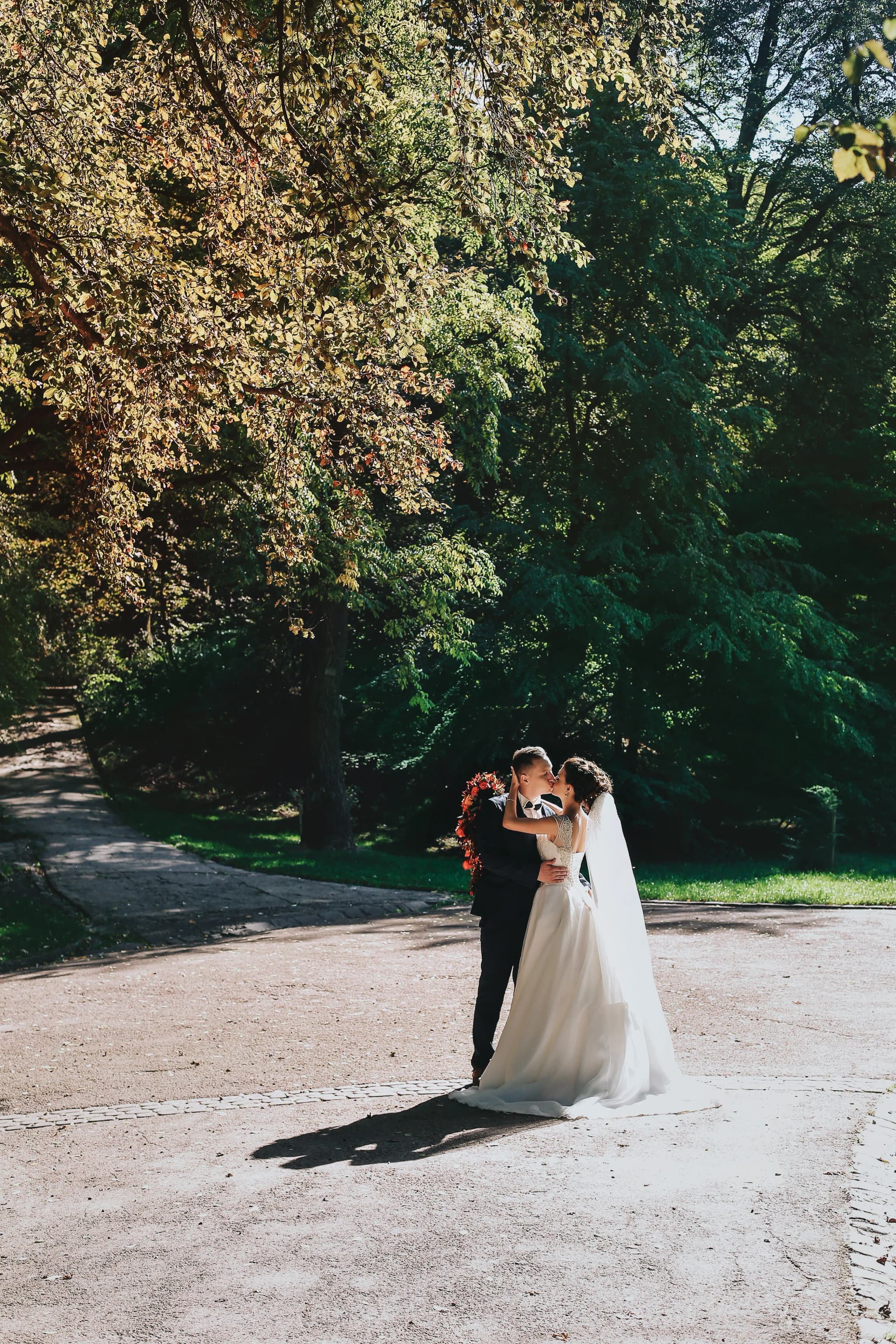
Spectacular Barn Wedding Venues in Yorkshire
By Yana Skakun·20 March 2026·6 min read
Yorkshire barn weddings occupy a category entirely their own in the British wedding landscape. The county's stone buildings — raised from limestone quarried on the very hillsides they overlook — carry centuries of working history that no amount of interior styling can replicate, and that history is exactly what makes them so compelling to photograph. From the sweeping Dales to the brooding North York Moors, marrying in a Yorkshire barn means the landscape itself becomes part of your wedding story.
What Makes Yorkshire Barns Photographically Exceptional
Yorkshire's barn architecture is strikingly different from the timber-frame barns of the Home Counties or the flint-and-brick buildings of East Anglia. Here the walls are thick-cut local stone — pale limestone in the Dales, darker gritstone across the Moors and Pennines — and they have weathered over two or three centuries into surfaces of extraordinary texture and tone. When afternoon light rakes across those walls, every stone tells its own story. As a photographer, I find myself returning to Yorkshire again and again precisely because the architecture does so much of the work.
The interiors are equally distinctive. Dales laithe barns — the traditional two-storey field barns built to house cattle below and hay above — often have steeply pitched rooflines that create soaring, cathedral-like spaces when converted. Original beams and joinery, the occasional surviving hay fork track running along the apex, and stone flag floors give a texture that purpose-built wedding venues simply cannot manufacture. Light enters through large barn doors at one end, creating a natural softbox effect that is ideal for portraiture and ceremony coverage alike.
Unlike many venues, Yorkshire barns rarely look better in bright sunshine than they do in the moody, cloud-filtered light that the county is known for. Overcast conditions saturate the greens of the surrounding fields and bring out the silver-grey depth in limestone walls. I never dread an overcast Yorkshire wedding day — in my experience, the images are often more atmospheric than anything a sharp sunny afternoon could produce.
Notable Yorkshire Barn Venues Worth Considering
Middleton Lodge near Richmond in North Yorkshire sits at the top of most photographers' lists for good reason. The Georgian estate has been immaculately restored, and its collection of converted farm buildings creates a sequence of photographic backdrops — a cobbled courtyard, a walled garden, mellow stone outbuildings — that unfold naturally as a wedding day progresses. The Dales horizon visible from the grounds adds a sense of scale and wildness that grounds even the most elegant styling.
Barden Tower in Wharfedale pairs a licensed ceremony barn with the ruins of a medieval hunting lodge, giving couples an almost unrepeatable combination of rugged stone backdrop and romantic ruin. The surrounding Dales National Park landscape means that portrait sessions here feel genuinely expansive; drystone walls, open moorland, and the River Wharfe are all within walking distance. East Riddlesden Hall near Keighley offers a National Trust setting with a magnificent Great Barn, its entrance front one of the most impressive pieces of vernacular architecture in the north of England.
Further north, venues around the Vale of Mowbray and the Hambleton Hills benefit from proximity to the North York Moors National Park, giving couples moorland heather (at its purple peak through August and September) as a backdrop for couple portraits. In the East Riding, the transformation of agricultural estates around the Yorkshire Wolds has produced a newer generation of beautifully converted barns that pair contemporary interiors with the gentler, chalk-downland character of that underrated landscape.
Planning Your Yorkshire Barn Wedding Day for Photography
Timing is everything in Yorkshire, where weather can shift dramatically within a single hour. I always recommend building a buffer of fifteen to twenty minutes around any outdoor portrait session rather than scheduling it to the minute. That flexibility allows us to step outside briefly during a dry spell even if rain was forecast, or to push the session slightly later if cloud cover is particularly beautiful at golden hour. The best Yorkshire light tends to fall in the final ninety minutes before sunset, when low sun skims across the stone and the landscape turns gold.
Conversation with your venue about the exact orientation of the barn is worth having before you finalise your day plan. Some Yorkshire barns face south-west, meaning late afternoon sun floods the interior and the courtyard; others are positioned to shelter from the prevailing westerly wind, which can place them in shade for portions of the afternoon. Understanding where the light will be at 4pm versus 6pm allows us to sequence the day intelligently — ceremony coverage and formal group photographs first, then a relaxed couple portrait session when the light is at its most flattering.
Yorkshire's weather also makes it worth discussing a backup plan for group photographs. Many barns have a covered yard, an open-fronted cart shed, or a glazed link building that provides shelter without sacrificing the stone backdrop. I always scout these options when I visit a venue before the wedding day so that we can pivot quickly if needed without the group photographs feeling compromised.
Styling That Works with Stone Interiors
Stone barns are bold, and the styling choices that work best lean into that boldness rather than trying to soften it. Abundant greenery — eucalyptus, ruscus, ivy, ferns — harmonises beautifully with the grey-green palette of Yorkshire stone and creates depth in photographs that more delicate florals cannot. Warm candlelight against cold stone produces a contrast of temperature and texture that is endlessly pleasing to photograph, particularly during the dinner reception when available-light images have a naturally cinematic quality.
Colour choices deserve thought in this context. Muted, earthy tones — terracotta, sage, dusty rose, warm ivory — sit naturally against limestone and gritstone. Stark white or very bright primaries can feel disconnected from the setting and tend to draw the eye away from the architectural surroundings in photographs. Linen, cotton voile, and woven fabrics bring texture into the frame; glossy or highly reflective surfaces can create unexpected challenges under the mixed natural-and-artificial lighting typical of barn spaces after dark.
A note on barn lighting after dark
Many Yorkshire barn venues rely on festoon string lights, lanterns, and candles for their evening atmosphere, which is photographically beautiful but requires a different approach to flash and exposure than a hotel ballroom. I always discuss the evening lighting plan with your venue in advance so there are no surprises at 8pm. If you are choosing between uplighting options, warm amber tones photograph far more naturally against Yorkshire stone than cool white or coloured LED washes. Ask your venue coordinator to show you photographs of the barn lit in the evening before you confirm your lighting package. If you would like to talk through your venue's specifics, get in touch and I am happy to advise.
Portrait Locations Beyond the Barn Itself
One of the joys of a Yorkshire barn wedding is how much portrait potential exists beyond the venue boundary. A fifteen-minute drive from almost any Dales barn venue will place you in landscape that would be unreachable from most southern English venues without a much longer journey. I routinely build time into Yorkshire wedding days for a brief excursion — even just to the edge of a moorland road or a viewpoint above the valley — because the resulting images have a scale and drama that simply cannot be achieved within a venue footprint.
If your venue is in the Dales, the classic drystone wall and field barn landscape is the portrait location. Even in midsummer when the walls are lined with wildflowers, those images feel quintessentially Yorkshire and anchor your photographs to the specific place you chose to marry. Near the Moors, consider asking your photographer to schedule a brief visit to the heather at the right time of year, or to find a section of Rosedale or Farndale where the valley opens out and the scale of the landscape becomes apparent. In the Vale of York or the Wolds, the flatter, softer landscape rewards a different compositional approach — wider, calmer images that emphasise the sky, the light, and the two of you within an open, peaceful countryside.
I travel to Yorkshire for weddings throughout the year and have a good working knowledge of the landscape around the major venue clusters. When we speak in the planning stages, I will always ask where your venue is and whether there are specific locations nearby that matter to you as a couple, because those personal connections produce the most meaningful photographs.
What to Expect from a Yorkshire Barn Wedding Gallery
A full Yorkshire barn wedding day typically yields a gallery that falls naturally into three distinct visual chapters: the golden, textural stone imagery of the ceremony and formal coverage, the landscape portraiture of the couple session, and the warm, candlelit intimacy of the evening reception. That range of light and setting means the gallery rarely feels monotonous, and the Yorkshire context gives even the quieter, candid moments a distinctiveness that photographs from a generic hotel function room simply cannot match.
Editing for Yorkshire weddings leans into the natural palette — stone greys, landscape greens, warm candlelight — rather than imposing a uniform colour grade that might flatten those differences. The result is a gallery that feels true to the day you actually had, in the place you actually chose, rather than a stylised version of someone else's wedding. That authenticity is, ultimately, what a converted Yorkshire barn offers a couple, and it is what good photography of it should reflect.
Yorkshire barn weddings reward couples who chose them for genuine reasons — a love of the landscape, a connection to the county, a desire for architecture with real history — and that conviction comes through in photographs. If you are considering a Yorkshire barn and would like to discuss how I approach documentary and portrait coverage in these venues, I would love to hear about your plans. You can find more information on the weddings page or get in touch directly.


Yana Skakun
Photographer · England
Professional wedding, family and portrait photographer based in England. Passionate about capturing authentic emotions and timeless moments.
About Yana →barn weddings YorkshireYorkshire barn wedding photographerYorkshire Dales barn venue
Wedding Tips — Wedding Photography in Cambridge & England
Yana Skakun is a professional wedding photographer based in Cambridge, covering weddings across England — from intimate elopements to full-day ceremonies at country houses, barns, and city venues. Every couple receives a relaxed, documentary approach that captures the day as it truly unfolds. This guide — Spectacular Barn Wedding Venues in Yorkshire — is part of the photography journal: practical, experience-based advice drawn from real sessions across England. Whether you arrived searching for barn weddings yorkshire or yorkshire barn wedding photographer, the same care and attention shapes every session Yana photographs.
Wedding Photography sessions are available year-round, with bookings open across Cambridge, Ely, Huntingdon, Peterborough, and further afield — East England, London, the Midlands, and beyond. If you have specific questions about yorkshire dales barn venue, mention it in your enquiry. Get in touch through the contact form above to check availability and discuss your session. Enquiries are welcomed from anywhere in the UK.
Frequently Asked Questions
How much does a wedding photographer cost in England?+
Wedding photography in England typically ranges from £1,500 to £4,000+ for a full day. Price depends on experience, coverage hours, and whether albums or engagement shoots are included. Most photographers charge between £2,000–£3,000 for 8–10 hours of coverage.
How early should you book a wedding photographer?+
For peak season (May–September), book 12–18 months in advance. For autumn and winter weddings, 9–12 months is usually sufficient. Popular photographers at popular venues fill up fast — as soon as you have a date and venue confirmed, start reaching out.
How many photos do you get from a wedding photographer?+
Most professional wedding photographers deliver 400–800 edited images for a full-day wedding. The exact number depends on coverage hours, how many guests there are, and the photographer's editing style. Quality matters more than quantity — a curated gallery of 500 images tells the story better than 1,500 unedited files.
Do you need a second photographer at your wedding?+
A second photographer is helpful if you want simultaneous coverage of getting-ready moments in different locations, multiple angles during the ceremony, or more candid coverage during the reception. It adds cost but significantly increases the variety and completeness of your gallery.
What is the difference between documentary and editorial wedding photography?+
Documentary (reportage) wedding photography captures moments as they happen — the photographer observes and doesn't intervene. Editorial photography involves deliberate direction: placing you in good light, shaping compositions, creating intentional portraits. Most photographers blend both styles throughout the day.
Continue Reading
Related Articles

Wedding Tips
Sustainable Eco-Friendly Wedding Guide — Planning a Green Celebration
15 min read · Read Article
Wedding Tips
Trash the Dress Session — Complete Planning and Photography Guide
14 min read · Read Article
Wedding Tips
Client Communication for Photographers — From Enquiry to Gallery Delivery
15 min read · Read Article
Get in Touch
Ready to Book Your Session?
Get in touch to discuss your vision — I'll reply within 24 hours.