Yana Skakun
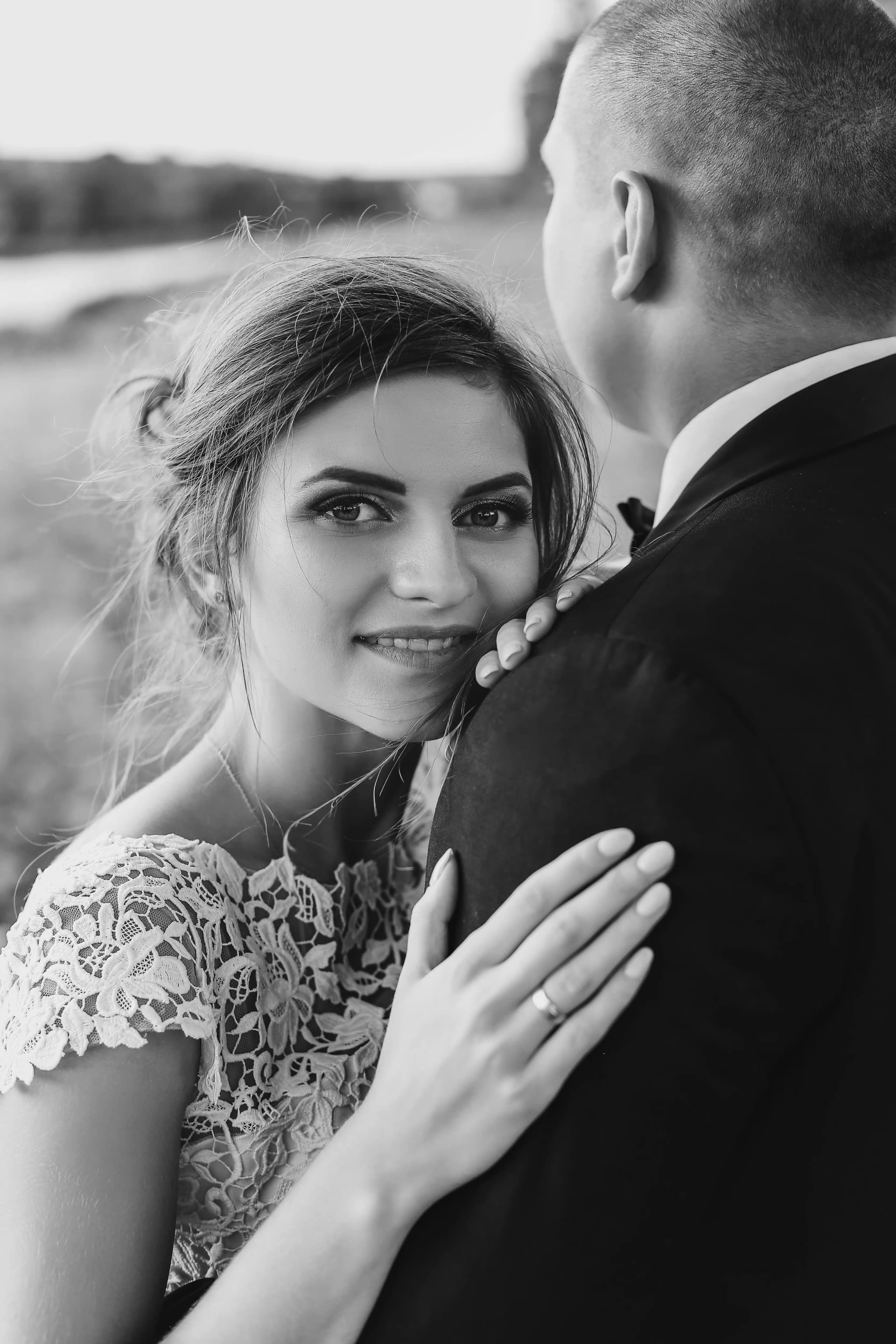
Bellagio Elopement Photography on Lake Como
By Yana Skakun·14 April 2026·6 min read
Bellagio sits at the precise tip of the promontory where the three branches of Lake Como meet, and there is nowhere else on earth quite like it. The town commands uninterrupted water views in every direction, with the snow-capped Alps rising behind the lake and centuries-old villas tumbling down to the shoreline. For a British couple considering an elopement abroad, Bellagio is not merely a beautiful setting — it is the kind of place that makes the photographs feel inevitable, as though the landscape itself was arranged for the occasion.
Why Bellagio Works So Well for Elopements
There is a particular quality to the light on Lake Como that I have not encountered anywhere else I have photographed. The water acts as a vast reflector, bouncing soft, diffused light back up through the town even on overcast days. In summer, the golden hour begins early in the evening and lasts for nearly an hour as the sun drops behind the western mountains, flooding the lake with amber and rose. In spring and autumn, the mist on the water at dawn creates a dreamy, atmospheric quality that flatters every couple and every lens.
Bellagio itself is also refreshingly manageable in scale. Unlike the larger lake towns, it has a compact historic centre, a handful of exceptional viewpoints, and a rhythm that rewards slow movement. For an elopement session, this intimacy matters enormously. You are not navigating a city; you are moving through a village where the next beautiful corner is always thirty seconds away. In my experience, this ease of movement allows couples to relax into the day rather than spending energy on logistics.
The town also has a genuine sense of occasion without being ostentatious. The lakefront restaurants are excellent, the hotels range from the grand (the legendary Villa Serbelloni) to the quietly luxurious, and the ferry connections to the rest of the lake make it straightforward to extend the day into Varenna or Menaggio if you want additional locations. Many of my UK couples pair Bellagio with a morning session in Varenna — the two towns are fifteen minutes apart by ferry and feel entirely different in character.
Villa Melzi and the Lakefront Promenade
Villa Melzi d'Eril is the defining landmark of Bellagio's southern shore: a neoclassical villa built in 1808 whose gardens stretch along the waterfront for several hundred metres. The gardens are open to the public and contain azaleas, Japanese maples, century-old plane trees, and a series of neoclassical sculptures positioned at the water's edge. The combination of formal European garden design and the vast informality of the lake behind creates a tension that translates beautifully into portraits.
The stone balustrade promenade below the villa is perhaps the single most-photographed stretch of lakefront in Italy, and for good reason. In the late afternoon, when the tourist boats have thinned out and the light falls at a low angle across the water, it becomes genuinely magical. I always recommend arriving at Villa Melzi in the mid-afternoon, spending time in the gardens, and then walking the promenade as the light shifts. The azaleas bloom in late April and early May, and if your elopement falls in that window, the colour is extraordinary.
One practical note for couples: the gardens have an entrance fee and specific opening hours that vary by season. It is worth checking in advance and, if possible, arriving early in the morning when the light from the east catches the water and the gardens are quiet. Some photographers arrange access through local contacts for pre-opening sessions, and I can facilitate this through my network of Lake Como suppliers for couples booking destination elopement packages.
The Historic Centre: Salita Serbelloni and the Narrow Vicoli
Step away from the lakefront and into Bellagio's historic centre, and the scale shifts dramatically. The famous Salita Serbelloni — the steep, stepped lane that climbs from the ferry landing through the heart of the town — is lined with boutiques, flower-hung balconies, and glimpsed views of the lake between the buildings. It is narrow enough to feel intimate but grand enough to frame two people beautifully against the architecture. The stone steps, worn smooth over centuries, have a texture and warmth that no studio could replicate.
The smaller vicoli that run parallel to the main street are quieter and offer more genuinely candid moments. Colourful painted shutters, trailing wisteria, cats sleeping on doorsteps — these details accumulate into an atmosphere that feels lived-in rather than staged. For portrait work, this matters. The best elopement photographs are not the ones where a couple stands stiffly in front of a famous view; they are the ones taken mid-conversation, mid-laugh, while walking through a place that has charmed them into forgetting the camera.
The Piazza della Chiesa, the small square in front of the Basilica di San Giacomo, is worth time in its own right. The basilica dates from the twelfth century and its Romanesque facade is deeply photogenic, particularly in the early morning when the light catches the carved stone. The piazza in front is small but has a human scale that works well for portraits. I often end a Bellagio elopement session here, as the light in the late afternoon falls directly onto the facade and the surrounding buildings glow warm against the blue of the sky.
Practical Logistics for British Couples
The most common question I receive from UK couples considering a Lake Como elopement is about the legal side. Italy does allow foreigners to marry legally, but the process involves advance paperwork filed with the local Comune di Bellagio, notification to the British consulate in Milan, and a waiting period. For many couples, particularly those eloping with a very small group, a symbolic ceremony in Italy — conducted by an Italian celebrant with no legal standing under Italian or UK law — is the simpler and more popular route. The legal marriage then takes place quietly at a UK register office before or after the Italian celebration.
Travel logistics to Bellagio are more straightforward than the town's remote appearance suggests. Milan Malpensa and Milan Linate are both served by direct flights from London, Manchester, Edinburgh, and Birmingham, and Como is approximately an hour from either airport by train or taxi. From Como, the ferry to Bellagio takes around an hour and forty minutes, though faster hydrofoil services reduce this significantly. I always recommend building a buffer day into the trip to allow for travel delays and to give yourselves time to settle into the environment before the photography day.
Accommodation in Bellagio ranges from the Grand Hotel Villa Serbelloni — one of Italy's iconic luxury hotels, with its own private gardens and lake access — to smaller boutique hotels and self-catering apartments. For elopement couples, I generally recommend staying in Bellagio itself rather than commuting from Como or Lecco: the early morning and late evening light on the lake is spectacular, and you want to be there for it without a ferry journey. The Villa Serbelloni also has exceptional terraces for portraits, which can be arranged for hotel guests.
Timing your Bellagio elopement
May and September are the sweet spots for Lake Como elopements. The tourist crowds are lighter than high summer, the light is warmer and more directional than winter, and the gardens are at their most photogenic. I always schedule the main session for the two hours before sunset, with an optional dawn session the following morning for couples who want the mist on the water. If you are planning a Bellagio elopement and would like to discuss dates, locations, and what to expect from the day, I would love to hear from you.
Enquire about a Lake Como elopement →What to Wear and How to Prepare
Lake Como elopements call for clothing that complements the landscape rather than competing with it. The palette of the lake and its surroundings — deep blues, grey-greens, warm stone, the white of the mountain peaks — is sophisticated and muted. Ivory, champagne, blush, and soft sage tend to photograph beautifully against these tones. Avoid very bright, saturated colours, which can look jarring against the natural environment. For the same reason, I generally advise against very stark white, which can be difficult to expose correctly in the bright lakeside light.
Bellagio's cobblestones and stepped alleys mean that impractical footwear will cause genuine problems. Many of my couples bring a second pair of shoes for the walking portions of the day and change into heels or more formal options for the specific shots they most want. The terrain is manageable but uneven, and comfort translates directly into relaxed, natural photographs. I send all my destination elopement couples a detailed preparation guide in advance covering clothing, hair and make-up timing, and what the day will actually feel like hour by hour.
Extending the Day: Varenna and the Wider Lake
Bellagio is the obvious centrepiece of a Lake Como elopement, but the wider lake offers exceptional variety for couples who want to build a full day or a multi-location session. Varenna, on the eastern shore, is connected to Bellagio by a short ferry crossing and has a completely different character: quieter, less visited, with a lakefront promenade (the Passeggiata degli Innamorati, literally the Lovers' Walk) that offers some of the most romantic views on the lake. Villa Monastero in Varenna also has extraordinary gardens available for photography.
For couples arriving by private boat — which can be arranged through local operators and which I strongly recommend for any serious Lake Como elopement — the lake itself becomes a location. Photographing from the water, with Bellagio receding behind you or the Villa del Balbianello (made famous by the James Bond film Casino Royale) rising from its wooded peninsula, produces images that are genuinely unlike anything available on land. The boat journey between locations also provides some of the most natural, unguarded moments of the whole day.
I have photographed on Lake Como across all seasons and all conditions, and my honest view is that there is no bad version of a Bellagio elopement. Even a grey, misty morning on the lake has a melancholy beauty that can produce extraordinary photographs — the kind that do not look like holiday snaps but like stills from a film. The key is to approach the day with flexibility, to trust the light wherever it appears, and to spend as much time as possible simply being present in one of the most beautiful places on earth.
A Bellagio elopement is not simply a location choice — it is a statement about the kind of day you want and the kind of photographs you intend to keep for the rest of your lives. The lake, the mountains, the ancient town, and the particular quality of Italian light combine into something that no studio backdrop or local park can approximate. If you are a British couple dreaming of an elopement that feels genuinely extraordinary, Lake Como — and Bellagio in particular — remains, in my experience, without equal.

Yana Skakun
Photographer · England
Professional wedding, family and portrait photographer based in England. Passionate about capturing authentic emotions and timeless moments.
About Yana →Bellagio elopement photographyBellagio Lake Como weddingLake Como elopementBellagio wedding photographerintimate wedding Lake Como
Wedding Tips — Wedding Photography in Cambridge & England
Yana Skakun is a professional wedding photographer based in Cambridge, covering weddings across England — from intimate elopements to full-day ceremonies at country houses, barns, and city venues. Every couple receives a relaxed, documentary approach that captures the day as it truly unfolds. This guide — Bellagio Elopement Photography on Lake Como — is part of the photography journal: practical, experience-based advice drawn from real sessions across England. Whether you arrived searching for bellagio elopement photography or bellagio lake como wedding, the same care and attention shapes every session Yana photographs.
Wedding Photography sessions are available year-round, with bookings open across Cambridge, Ely, Huntingdon, Peterborough, and further afield — East England, London, the Midlands, and beyond. If you have specific questions about lake como elopement, mention it in your enquiry. Get in touch through the contact form above to check availability and discuss your session. Enquiries are welcomed from anywhere in the UK.
Frequently Asked Questions
How much does a wedding photographer cost in England?+
Wedding photography in England typically ranges from £1,500 to £4,000+ for a full day. Price depends on experience, coverage hours, and whether albums or engagement shoots are included. Most photographers charge between £2,000–£3,000 for 8–10 hours of coverage.
How early should you book a wedding photographer?+
For peak season (May–September), book 12–18 months in advance. For autumn and winter weddings, 9–12 months is usually sufficient. Popular photographers at popular venues fill up fast — as soon as you have a date and venue confirmed, start reaching out.
How many photos do you get from a wedding photographer?+
Most professional wedding photographers deliver 400–800 edited images for a full-day wedding. The exact number depends on coverage hours, how many guests there are, and the photographer's editing style. Quality matters more than quantity — a curated gallery of 500 images tells the story better than 1,500 unedited files.
Do you need a second photographer at your wedding?+
A second photographer is helpful if you want simultaneous coverage of getting-ready moments in different locations, multiple angles during the ceremony, or more candid coverage during the reception. It adds cost but significantly increases the variety and completeness of your gallery.
What is the difference between documentary and editorial wedding photography?+
Documentary (reportage) wedding photography captures moments as they happen — the photographer observes and doesn't intervene. Editorial photography involves deliberate direction: placing you in good light, shaping compositions, creating intentional portraits. Most photographers blend both styles throughout the day.
Continue Reading
Related Articles

Wedding Tips
Sustainable Eco-Friendly Wedding Guide — Planning a Green Celebration
15 min read · Read Article
Wedding Tips
Trash the Dress Session — Complete Planning and Photography Guide
14 min read · Read Article
Wedding Tips
Client Communication for Photographers — From Enquiry to Gallery Delivery
15 min read · Read Article
Get in Touch
Ready to Book Your Session?
Get in touch to discuss your vision — I'll reply within 24 hours.