Yana Skakun

Black Tie Wedding Photography: Classic Elegance in London
By Yana Skakun·18 June 2026·7 min read
There is a particular hush that falls over a room when a black tie wedding begins — dinner jackets pressed to a sharp line, a bride's gown catching low evening light through tall windows, glassware already gleaming on tables that have not yet been touched. I have photographed black tie weddings in grand London hotels, in members' clubs with dark panelled walls, and in wide-windowed venues overlooking the river, and the thread that runs through all of them is a kind of deliberate formality that photographs beautifully when it is handled with the right eye. Black tie weddings ask more of a photographer than most other styles. The dress code demands precision, the venues are often architecturally rich and sometimes tightly controlled with light, and the whole event tends to move at a more considered pace than a relaxed countryside wedding. Getting it right means understanding not just how to expose a room full of black fabric and white shirts without losing all the detail, but how to read a day that is, by design, more composed than casual.
Why Black Tie Weddings Are a Different Photographic Challenge
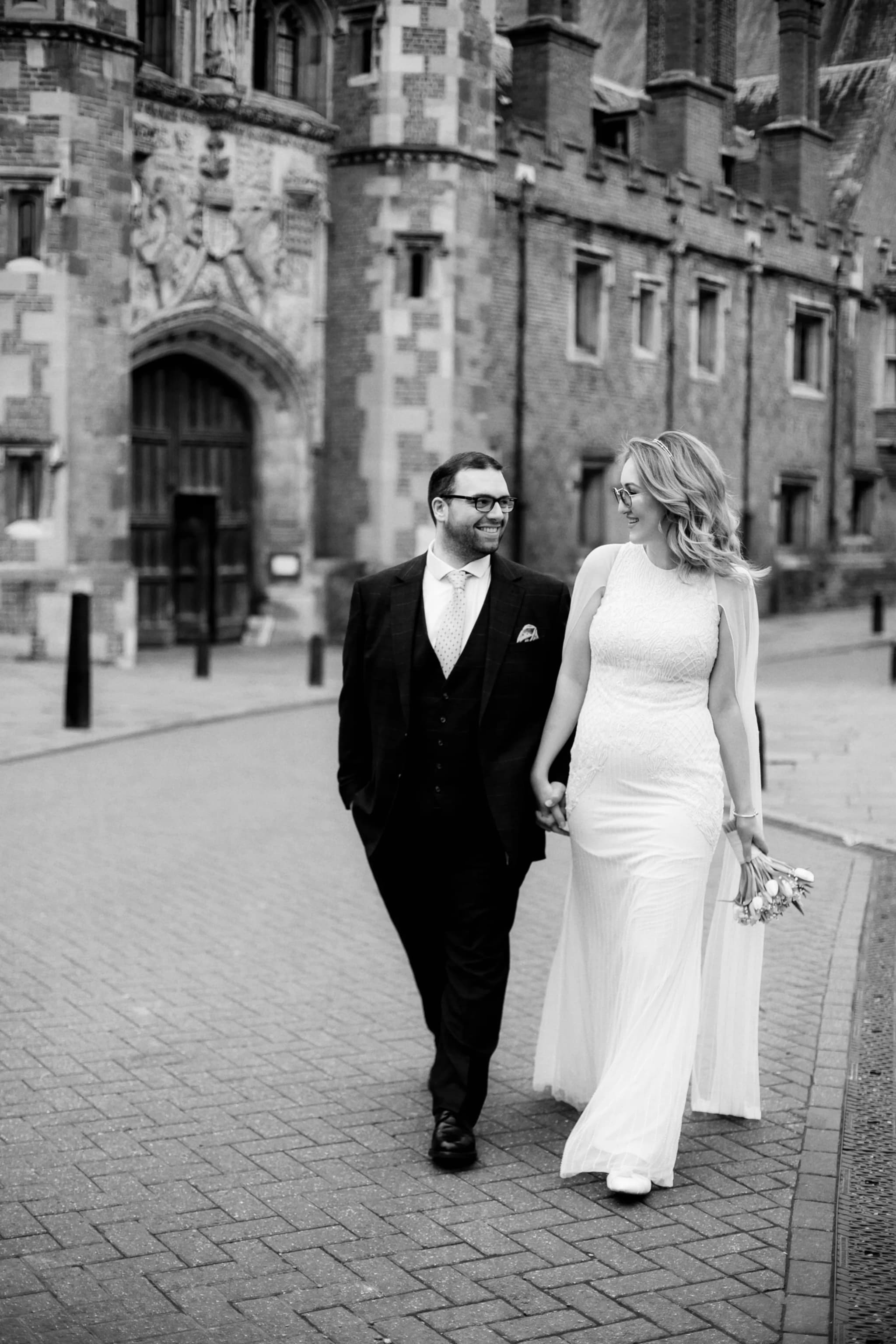
The single biggest technical hurdle in black tie wedding photography is contrast. A room full of guests in black dinner jackets and white shirts, set against a bride in ivory or white, is an enormous dynamic range for a camera to handle in one frame. Expose for the white of a shirt front and the black jacket collapses into an undifferentiated mass with no texture. Expose for the jacket and the shirt blows out to nothing. Getting genuine detail in both at once — the weave of the fabric, the sheen of a lapel, the crispness of a collar — requires careful metering, often a slightly underexposed base to protect highlights, and a confident hand in post-processing to bring the shadow detail back without the image looking flat or grey.
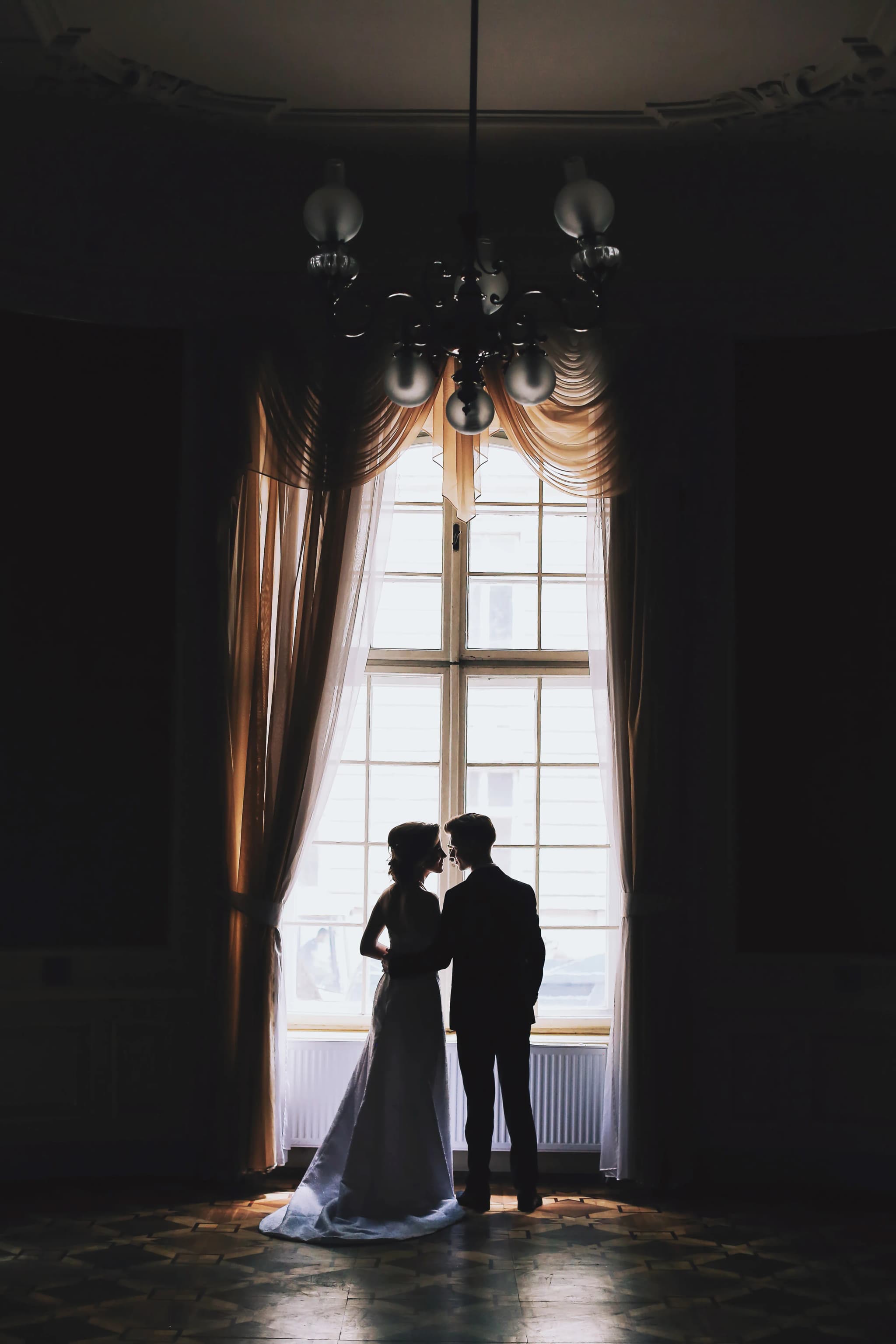
Then there is the venue itself. Black tie weddings in London tend to happen in spaces that were built for exactly this kind of occasion — grand hotel ballrooms, historic function rooms, private members' clubs — and those spaces often come with beautiful but demanding lighting conditions. Chandeliers throwing warm tungsten light, tall sash windows letting in cool daylight from one side of the room, wall sconces adding yet another colour temperature into the mix. Balancing all of that so skin tones look natural and the room still feels like itself, rather than corrected into blandness, is a skill that only comes from doing it repeatedly in spaces of exactly this kind.
Finally, black tie weddings are simply more formal in rhythm. There is usually less running around, more considered movement, more moments of people standing and talking rather than dancing or laughing loudly across a garden. That does not mean less emotion — if anything, the emotion in a black tie wedding often reads more powerfully because it breaks through the composure of the evening rather than existing in a constant state of it. My job is to be alert for those breaks: the moment a father's formal handshake turns into an unplanned embrace, the split second a bride's composed smile becomes a real laugh.
London Venues and the Light They Give You
London's black tie wedding venues generally fall into a few broad categories, and each behaves differently in front of a camera. Grand hotels with high-ceilinged ballrooms tend to have superb ambient lighting already built in — chandeliers, wall lighting, sometimes even a small stage or dance floor lit for evening events — but very little natural daylight once the evening reception begins, which means flash and off-camera lighting become essential tools rather than optional extras. Private members' clubs and historic function rooms often have the opposite problem: gorgeous natural light through tall windows during the day, followed by a real drop in usable light once the sun goes down, at which point the room's character shifts entirely and needs to be lit with intention rather than left to whatever lamps happen to be switched on.
Riverside and skyline venues bring their own considerations. A room with wide windows looking out over the Thames or the City skyline at dusk is one of the most striking backdrops London has to offer for a black tie wedding, but photographing people against that kind of view means balancing an interior lit for a formal dinner against an exterior that is often brighter, or at blue hour, considerably more colourful than the room itself. Getting a genuinely balanced frame there, where both the couple and the skyline read properly, is one of the more satisfying technical challenges in the whole day.
Whatever the venue, I always try to walk it in advance, ideally at the same time of day the wedding will actually take place, so I know exactly where the light will be coming from and how it will change over the course of the evening. A black tie wedding does not leave much room for improvisation once the day is under way — the schedule is usually tight and the formality of the dress code means people are less inclined to be shuffled around for the sake of a photograph. Knowing the room in advance means the photography can work with the day's actual rhythm rather than against it.
Capturing Texture and Detail in Formalwear
One of the genuine pleasures of black tie wedding photography is the sheer quality of the materials involved. A well-tailored dinner jacket has a texture and a drape that is worth photographing properly rather than glossing over as a flat block of black. Satin lapels catch light in a way that grosgrain does not; a silk bow tie has a different sheen to a satin one; a waistcoat with a subtle jacquard pattern only reveals itself under the right angle of light. I look for these details deliberately — cufflinks, watch faces, the stitching on a lapel, the fall of a pocket square — because they are part of the considered effort that goes into a black tie evening and deserve the same attention as the bride's dress.
The gown itself, in a black tie context, is often more architectural than a daytime wedding dress — structured bodices, dramatic trains, sometimes a change into a second, sleeker dress for the evening reception. Photographing that properly means finding the moments where the fabric moves: a train sweeping across a marble floor, a wrap or shawl caught mid-motion on the way into a ballroom, the particular way heavier evening fabrics fall differently to lighter daytime ones. I also pay close attention to jewellery in black tie weddings specifically, because evening jewellery tends to be more deliberate and often more substantial than daytime pieces, and it photographs beautifully against dark backgrounds under warm light.
Group photographs in black tie settings benefit from a slightly different approach to a garden wedding, too. A sea of dinner jackets can look striking and cohesive if the composition and lighting are handled with intention, but it can equally look like an undifferentiated block of black if it is not. I tend to build formal group shots around the venue's own architecture — a grand staircase, a set of tall doors, a fireplace — so the formality of the dress code is echoed by the formality of the setting, rather than fighting a background that was designed for something more casual.
Planning a black tie wedding in London?
I would love to talk through your venue, your timings, and how the day's formality can be photographed in a way that still feels warm and genuinely yours.
Get in touch about your dateTiming and Light Through a Black Tie Evening
Black tie weddings almost always run later into the evening than daytime celebrations, and that shift in timing changes the whole photographic approach. If the ceremony or drinks reception happens in late afternoon, there is often a genuinely beautiful window where natural light is still available — the kind of soft, low, golden light that flatters everyone — before the room shifts fully into evening mode and artificial lighting takes over. I try to identify that window in advance and make sure the couple portraits, or at least a meaningful part of them, happen while it is available, because the character of the images from that period is very different to anything achievable later in artificial light alone.
Once full evening arrives, the photography leans more heavily on flash, off-camera lighting, and a careful reading of whatever ambient light the venue provides. This is where black tie weddings genuinely reward experience over equipment. Knowing how to balance a room's existing chandeliers or sconces with a subtle fill of flash, rather than blasting a scene with light that flattens all the atmosphere out of it, is the difference between photographs that look like a formal event was documented and photographs that actually feel like being there — the warmth of the room, the candlelight on the tables, the particular glow of an evening that has been carefully designed.
Speeches, the first dance, and the cutting of the cake in a black tie wedding tend to happen with slightly more ceremony than at a relaxed daytime wedding, and I find it helps enormously to know the running order in advance so I can position myself for the moments that matter without being an obtrusive presence in a room where formality is part of the point. A black tie wedding rewards a photographer who can be quietly present rather than visibly directing, because so much of what makes these events beautiful is the atmosphere the couple and their guests have deliberately created.
Practical Advice for Couples Planning a Black Tie Wedding
If you are planning a black tie wedding and thinking about photography, a few practical points are worth considering early. First, think about where in your schedule there is a natural window for portraits with usable daylight, even if the bulk of your day is built around an evening reception — even twenty minutes of soft afternoon or early evening light can produce images with a completely different quality to anything shot later under artificial lighting alone. Second, walk your venue with your photographer if you can, particularly if it is a space neither of you has used for an event before, since black tie venues vary enormously in how much natural light they offer and how their evening lighting is set up.
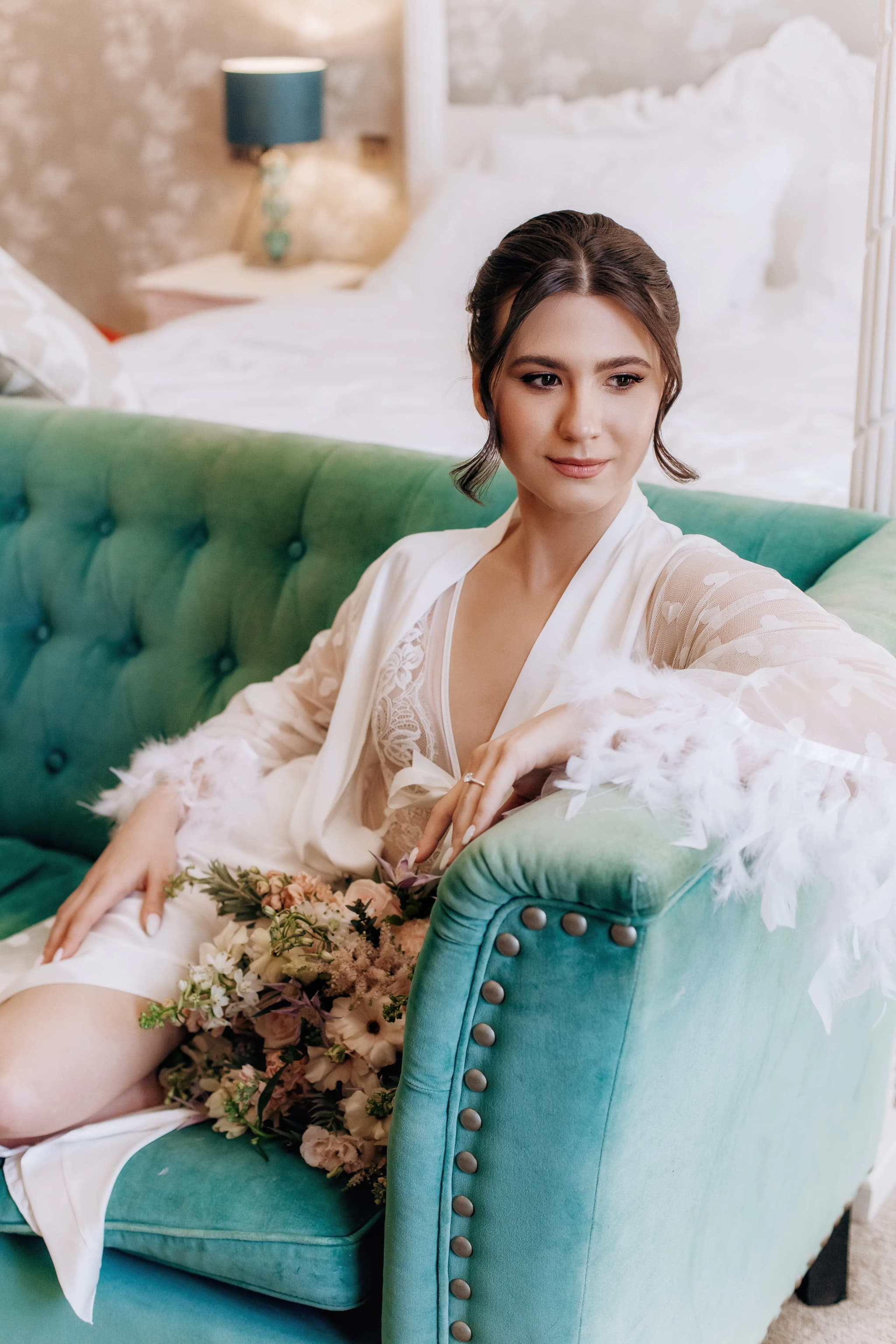
Third, think about hair, makeup, and dressing timings with photography in mind. Black tie weddings often involve more elaborate hair and makeup than daytime weddings, and the detail shots — jewellery laid out, the dress on its hanger, cufflinks and ties arranged before anyone gets dressed — are some of the most valuable images from the whole day if there is enough calm time to capture them properly rather than rushing through preparation. Finally, if your evening includes a change of dress, a second look, or a specific moment such as a formal entrance to the reception, flag it in advance so it can be planned for rather than caught by chance.
None of this is about turning a black tie wedding into a photography-led production. It is the opposite — the more the photography can be planned around quietly, the less it interrupts an evening that has clearly been designed with real care, and the more natural the resulting images feel. A black tie wedding already has its own atmosphere built in through the dress code, the venue, and the tone of the evening. The photography's job is to honour that atmosphere rather than compete with it.
Black tie weddings hold a particular place for me among the styles of wedding I photograph, precisely because they demand so much attention to detail — to light, to fabric, to the architecture of a room, to the small unplanned moments that break through an evening's formality. London gives couples an extraordinary range of venues for this kind of celebration, from grand hotel ballrooms to riverside rooms with the city laid out beyond the glass, and each one asks something slightly different of the photography. If you are planning a black tie wedding in London or further afield and would like to talk through how your venue, your timings, and your vision for the evening can come together in the photographs, get in touch and I would be genuinely glad to help you plan for it.

Yana Skakun
Photographer · England
Professional wedding, family and portrait photographer based in England. Passionate about capturing authentic emotions and timeless moments.
About Yana →black tie wedding photographyLondon wedding photographerformal wedding photographyevening wedding venues Londonluxury wedding photography
Wedding Tips — Wedding Photography in Cambridge & England
Yana Skakun is a professional wedding photographer based in Cambridge, covering weddings across England — from intimate elopements to full-day ceremonies at country houses, barns, and city venues. Every couple receives a relaxed, documentary approach that captures the day as it truly unfolds. This guide — Black Tie Wedding Photography: Classic Elegance in London — is part of the photography journal: practical, experience-based advice drawn from real sessions across England. Whether you arrived searching for black tie wedding photography or london wedding photographer, the same care and attention shapes every session Yana photographs.
Wedding Photography sessions are available year-round, with bookings open across Cambridge, Ely, Huntingdon, Peterborough, and further afield — East England, London, the Midlands, and beyond. If you have specific questions about formal wedding photography, mention it in your enquiry. Get in touch through the contact form above to check availability and discuss your session. Enquiries are welcomed from anywhere in the UK.
Frequently Asked Questions
How much does a wedding photographer cost in England?+
Wedding photography in England typically ranges from £1,500 to £4,000+ for a full day. Price depends on experience, coverage hours, and whether albums or engagement shoots are included. Most photographers charge between £2,000–£3,000 for 8–10 hours of coverage.
How early should you book a wedding photographer?+
For peak season (May–September), book 12–18 months in advance. For autumn and winter weddings, 9–12 months is usually sufficient. Popular photographers at popular venues fill up fast — as soon as you have a date and venue confirmed, start reaching out.
How many photos do you get from a wedding photographer?+
Most professional wedding photographers deliver 400–800 edited images for a full-day wedding. The exact number depends on coverage hours, how many guests there are, and the photographer's editing style. Quality matters more than quantity — a curated gallery of 500 images tells the story better than 1,500 unedited files.
Do you need a second photographer at your wedding?+
A second photographer is helpful if you want simultaneous coverage of getting-ready moments in different locations, multiple angles during the ceremony, or more candid coverage during the reception. It adds cost but significantly increases the variety and completeness of your gallery.
What is the difference between documentary and editorial wedding photography?+
Documentary (reportage) wedding photography captures moments as they happen — the photographer observes and doesn't intervene. Editorial photography involves deliberate direction: placing you in good light, shaping compositions, creating intentional portraits. Most photographers blend both styles throughout the day.
Continue Reading
Related Articles

Wedding Tips
Sustainable Eco-Friendly Wedding Guide — Planning a Green Celebration
15 min read · Read Article
Wedding Tips
Trash the Dress Session — Complete Planning and Photography Guide
14 min read · Read Article
Wedding Tips
Client Communication for Photographers — From Enquiry to Gallery Delivery
15 min read · Read Article
Get in Touch
Ready to Book Your Session?
Get in touch to discuss your vision — I'll reply within 24 hours.