Yana Skakun
Black & white wedding photography: Timeless classic or old-fashioned?
By Yana Skakun·20 February 2026·6 min read
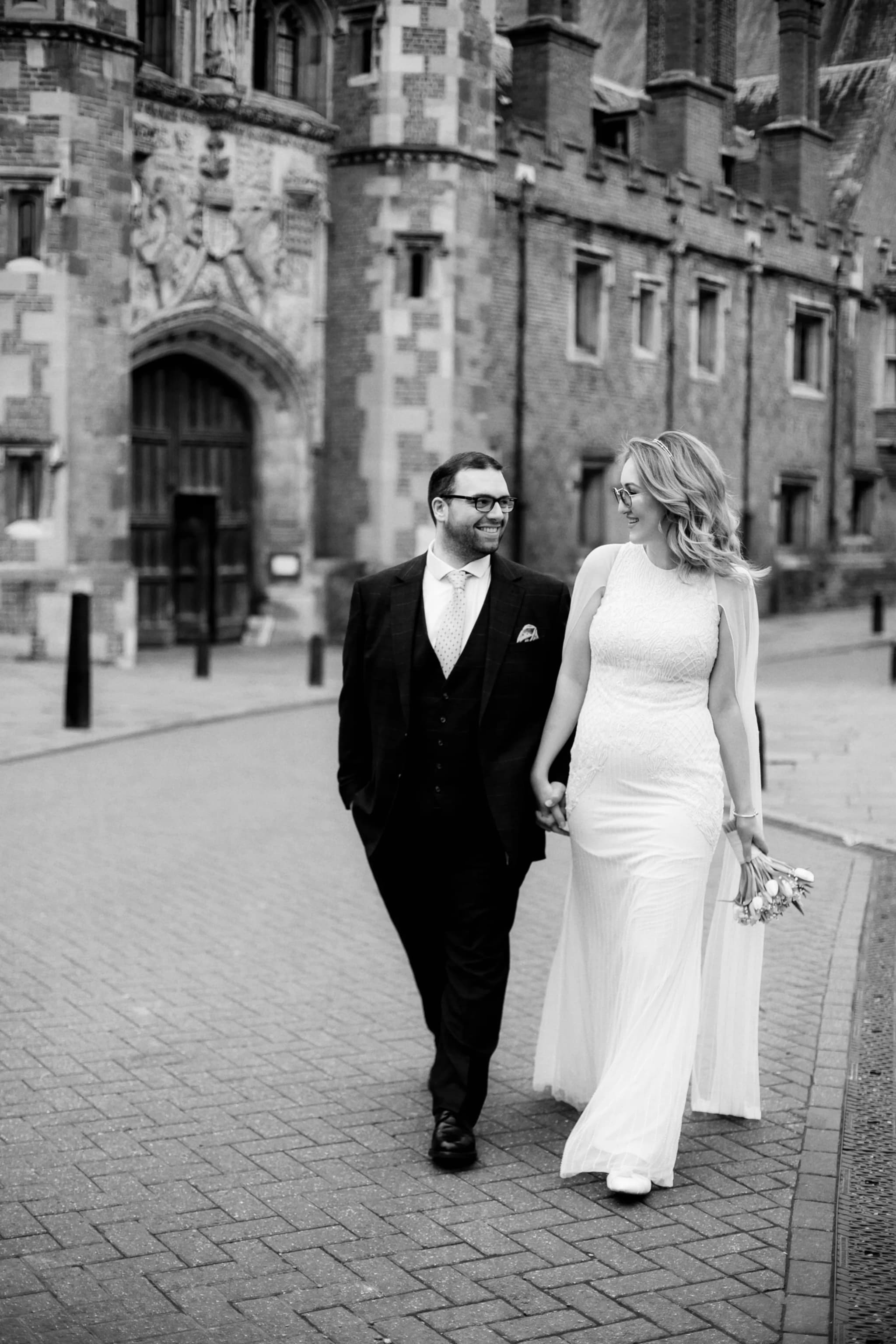
Black and white wedding photographs have a quality colour sometimes can't match — a timelessness, an emotional weight, a focus on the human moment rather than the decorative detail around it. But it isn't right for every image, every moment, or every couple, and I think a photographer who shoots everything in black and white is making as much of a stylistic error as one who never uses it at all. My approach is to let the moment and the light decide, rather than committing to one aesthetic across an entire wedding gallery.
When Black and White Works Best
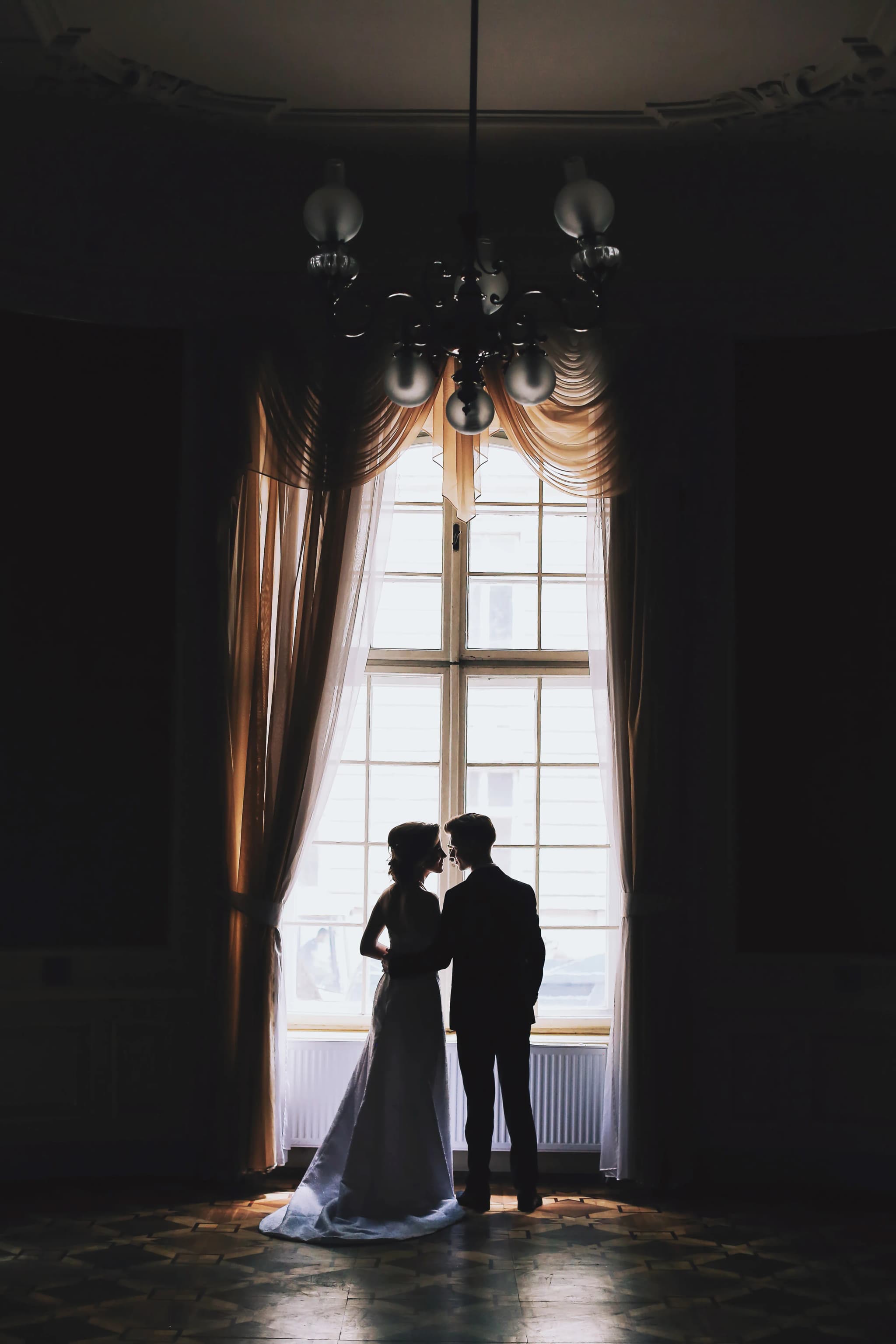
Emotional ceremony moments are where black and white earns its reputation — the first kiss, tears during vows, the look on a father's face walking his daughter down the aisle. Stripping away colour removes distraction and puts the emotion of the moment front and centre, with nothing competing for the viewer's attention. Strong contrasts in lighting are the other obvious candidate: shafts of light through a church window, or dramatic shadow falling across a doorway, become genuinely graphic and powerful once converted, in a way that colour can sometimes flatten.
Candid reception moments — laughter, dancing, an unguarded embrace between old friends — often suit the grainy, documentary quality of black and white particularly well. And there are practical cases too: clashing décor, unflattering venue lighting, or a busy, cluttered background can all be tidied away by converting to monochrome, which is sometimes the difference between a shot that works and one that gets left out of the final edit entirely.
The Difference Between Shooting for Black and White and Simply Converting
There's a meaningful difference between a photographer who understands which images are suited to black and white at the point of shooting, and one who simply desaturates every photo afterwards as a stylistic filter. Genuine black and white conversion requires understanding how different colours and wavelengths of light translate into tones of grey — a red dress and a green one might read as the same mid-grey shade if converted carelessly, losing all the contrast and separation that made the colour version work. It should be a deliberate, considered choice for each image, made because the photograph is genuinely better without colour, not applied as a shortcut to disguise a difficult lighting situation.
I look at black and white conversion the same way I look at colour grading — as part of the creative process, not an afterthought. Some images I know from the moment I press the shutter will end up in black and white; others reveal themselves during the edit, once I can see the finished frame properly and judge whether the colour is adding or subtracting from the story it's telling.
See the mix in my wedding galleries
My wedding galleries include a thoughtful mix of colour and black and white, used wherever each serves the image best. Have a look through my portfolio to see if the style suits you.
Enquire about wedding photographyHow Much Black and White Is Typical
There's no fixed formula, but in a typical wedding gallery I'd expect a meaningful minority of images to end up in black and white — enough to give the gallery real variety and to properly serve the moments that call for it, without tipping into a heavily stylised, all-monochrome look that some couples find too austere for a day they remember as full of colour. Detail shots — the dress, the flowers, the table settings — almost always stay in colour, since colour is usually part of the point of those images. Emotional and candid moments are where black and white appears most often.
Venue and light play a role too. A wedding held somewhere with strong natural light and interesting shadow — a church with high windows, a barn with exposed beams — tends to generate more black and white opportunities than a marquee with flat, even lighting throughout.
How to Request It
I include a selection of black and white images in every wedding gallery where they genuinely serve the photograph, but if you have a strong preference either way — more black and white than usual, or colour only throughout — just tell me at the consultation stage. It's always better to discuss style preferences early, before the wedding, than to discover a mismatch once the gallery is delivered. Some couples have a very clear aesthetic in mind from Pinterest boards or albums they've admired, and I'm always happy to talk through how that translates practically into the edit.
If you're still deciding what you want, my honest advice is not to overthink it before the day. Trust your photographer to make the right call moment by moment, and use the consultation to talk about overall mood and tone rather than trying to specify every single image in advance. The best black and white wedding photographs tend to come from a photographer reading the moment in real time, not from a strict brief handed over weeks beforehand.
Black and White for Albums and Prints
Black and white images have a particular strength when it comes to printed albums and wall art — a mixed-tone album, moving between colour and monochrome, tends to have a more considered, editorial feel than one that stays entirely in colour throughout. For a single statement print above a fireplace or on a stairwell wall, a black and white image often works better than colour too, since it sits more easily alongside a wider range of home décor and doesn't compete for attention with the colours already in the room.
If you know you want a specific black and white print made before the wedding — a particular ceremony moment, for instance, to give to parents afterwards — it's worth mentioning this in advance so I can make sure that moment is captured with a composition that will genuinely work well printed large, not just as a small image in a digital gallery.
A Note on Trends
Black and white wedding photography goes in and out of fashion in terms of how heavily it's used, but I try not to let short-term trends dictate the edit too heavily. A wedding gallery is something you'll look back on for decades, not just something that needs to look current for the next twelve months, so I lean towards choices that will still feel right in twenty years rather than whatever's trending on social media at the moment your wedding happens to take place.
Working with Different Venue Types
The venue itself has more influence on how much black and white ends up in your gallery than most couples expect. A church ceremony, with its high windows and often dramatic interior architecture, tends to produce strong candidates for conversion almost by default — the shafts of light and the depth of shadow are exactly the conditions black and white was made for. A bright, modern venue with large windows and neutral décor, by contrast, often photographs beautifully in colour throughout, since there's less dramatic contrast for monochrome to exploit and the colour palette itself is usually part of the intended aesthetic.
Outdoor ceremonies sit somewhere in between — the sky and greenery usually read best in colour, but close, emotional moments during the vows themselves often still work beautifully converted, regardless of the setting around them. I make these calls image by image rather than applying a blanket rule based on venue type, which is really the whole point of treating black and white as a creative decision rather than a fixed style.
Winter weddings, with their lower, softer light and often bare trees or misty mornings, tend to produce a noticeably higher proportion of strong black and white images than a bright summer wedding does, simply because the tonal contrast and atmosphere are already built into the conditions before I've made a single editing decision.
Black and White in the Full Wedding Story
I think of a wedding gallery as telling a complete story across the day, and black and white plays a specific narrative role within that story rather than existing as a separate stylistic add-on. The quieter, more reflective moments — getting ready, a private glance between the couple before the ceremony, the walk back down the aisle as married partners — often benefit from the stillness black and white brings, marking them out slightly from the busier, more colourful moments of celebration around them. Used this way, black and white becomes part of how the gallery paces itself emotionally, not just a visual filter applied to a handful of images.
Talking It Through Before Your Wedding
If black and white photography genuinely matters to you, whether because you want a lot of it or very little, I'd encourage bringing examples to your consultation rather than trying to describe the look in the abstract. A handful of images you love, from any photographer's portfolio, tells me far more about your taste in a few minutes than a lengthy written description could, and it means we start the wedding day with a genuinely shared understanding of what you're hoping the gallery will look like.

Yana Skakun
Photographer · England
Professional wedding, family and portrait photographer based in England. Passionate about capturing authentic emotions and timeless moments.
About Yana →black and white wedding photos UKmonochrome wedding photography Englandwhen to use black white wedding photoswedding photography style
Wedding Tips — Wedding Photography in Cambridge & England
Yana Skakun is a professional wedding photographer based in Cambridge, covering weddings across England — from intimate elopements to full-day ceremonies at country houses, barns, and city venues. Every couple receives a relaxed, documentary approach that captures the day as it truly unfolds. This guide — Black & white wedding photography: Timeless classic or old-fashioned? — is part of the photography journal: practical, experience-based advice drawn from real sessions across England. Whether you arrived searching for black and white wedding photos uk or monochrome wedding photography england, the same care and attention shapes every session Yana photographs.
Wedding Photography sessions are available year-round, with bookings open across Cambridge, Ely, Huntingdon, Peterborough, and further afield — East England, London, the Midlands, and beyond. If you have specific questions about when to use black white wedding photos, mention it in your enquiry. Get in touch through the contact form above to check availability and discuss your session. Enquiries are welcomed from anywhere in the UK.
Frequently Asked Questions
How much does a wedding photographer cost in England?+
Wedding photography in England typically ranges from £1,500 to £4,000+ for a full day. Price depends on experience, coverage hours, and whether albums or engagement shoots are included. Most photographers charge between £2,000–£3,000 for 8–10 hours of coverage.
How early should you book a wedding photographer?+
For peak season (May–September), book 12–18 months in advance. For autumn and winter weddings, 9–12 months is usually sufficient. Popular photographers at popular venues fill up fast — as soon as you have a date and venue confirmed, start reaching out.
How many photos do you get from a wedding photographer?+
Most professional wedding photographers deliver 400–800 edited images for a full-day wedding. The exact number depends on coverage hours, how many guests there are, and the photographer's editing style. Quality matters more than quantity — a curated gallery of 500 images tells the story better than 1,500 unedited files.
Do you need a second photographer at your wedding?+
A second photographer is helpful if you want simultaneous coverage of getting-ready moments in different locations, multiple angles during the ceremony, or more candid coverage during the reception. It adds cost but significantly increases the variety and completeness of your gallery.
What is the difference between documentary and editorial wedding photography?+
Documentary (reportage) wedding photography captures moments as they happen — the photographer observes and doesn't intervene. Editorial photography involves deliberate direction: placing you in good light, shaping compositions, creating intentional portraits. Most photographers blend both styles throughout the day.
Continue Reading
Related Articles

Wedding Tips
Sustainable Eco-Friendly Wedding Guide — Planning a Green Celebration
15 min read · Read Article
Wedding Tips
Trash the Dress Session — Complete Planning and Photography Guide
14 min read · Read Article
Wedding Tips
Client Communication for Photographers — From Enquiry to Gallery Delivery
15 min read · Read Article
Get in Touch
Ready to Book Your Session?
Get in touch to discuss your vision — I'll reply within 24 hours.