Yana Skakun
Blue Hour Winter Wedding Photography: The Secret Magical Window
By Yana Skakun·18 March 2026·6 min read
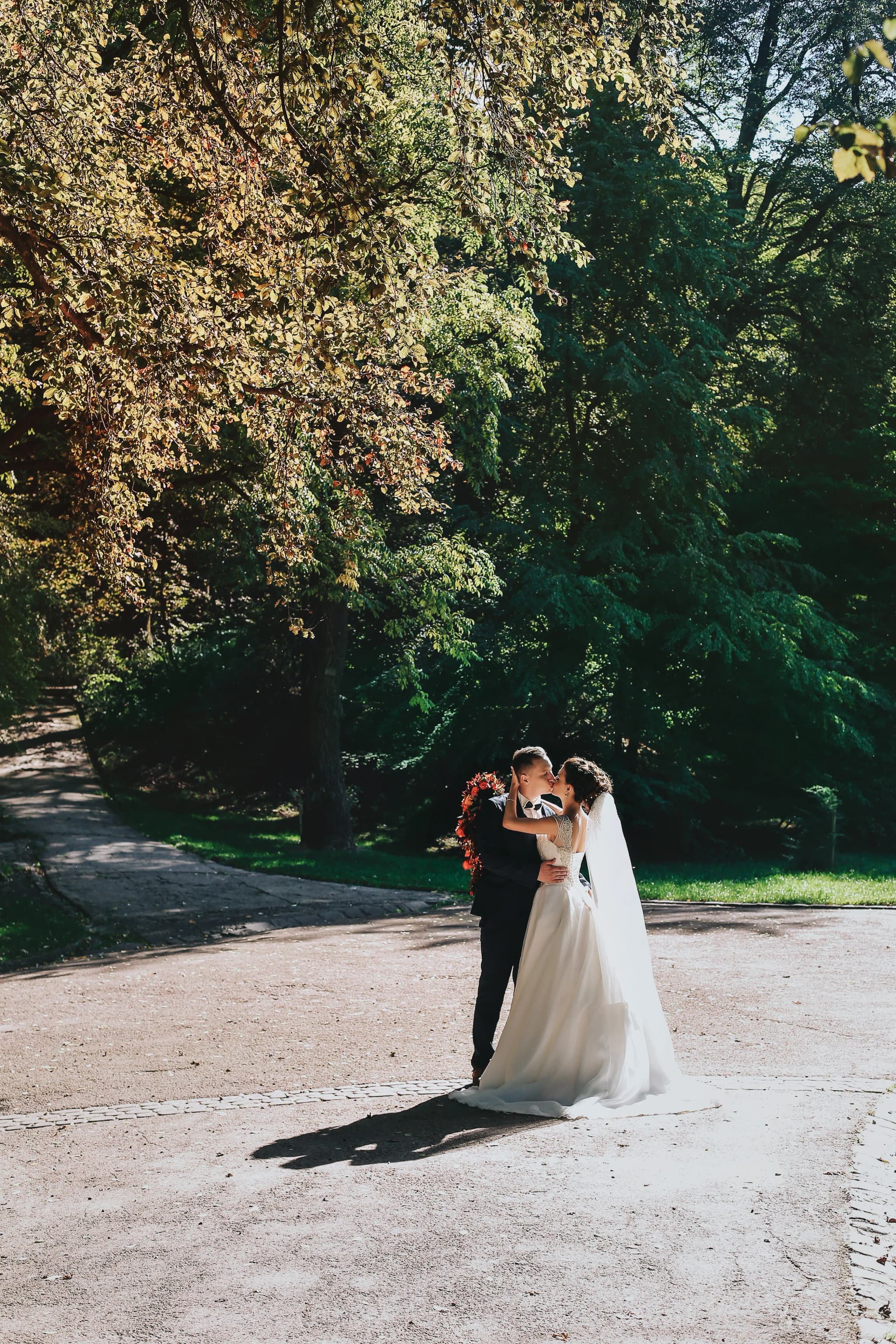
Blue hour is the twenty-to-forty-minute window after sunset when the sky turns extraordinary — a deep, saturating blue that doesn't exist at any other moment of the day. In winter, this window falls early: around four to half past four in the afternoon in December, which means it happens naturally within the wedding reception rather than at some inconveniently late hour when everyone has gone home. For wedding photography, winter blue hour is one of the most dramatic and genuinely beautiful conditions of the entire year, and it's something I actively plan winter wedding timelines around.
I photograph a good number of winter weddings, and blue hour is consistently one of the moments couples are most surprised and delighted by once they see the images — not because it requires anything unusual of them, but because so few people know this window exists or think to plan for it.
Why Blue Hour Is Special in Photography
The specific quality of blue hour light comes from several things happening at once. The sky becomes a backdrop in its own right — blue hour sky has a deep, saturated tone that provides real drama without any artificial setup, quite different from the pale wash of a daytime sky. As the sky darkens, venue window lights, external lanterns, and garden lighting all become visible and warm, and the contrast between the cold blue sky and warm amber windows is one of the most visually striking combinations available in photography, requiring no additional equipment to achieve.
Crucially, there is still enough ambient light from the sky during blue hour to illuminate people naturally, without needing flash or artificial lighting to make outdoor images work well. And unlike the harsh contrast of full daylight, blue hour is dramatic without being harsh — the light is even and forgiving across a face, which makes it genuinely pleasant to photograph people in, not just visually striking as a backdrop.
Blue Hour Wedding Photography in Practice
A typical winter blue hour portrait session runs something like this. We step outside at the very beginning of blue hour, around quarter to four in early December, as the sky starts to deepen from its post-sunset orange towards that distinctive saturated blue. I position the couple so the venue is behind them, its windows visible and glowing warm against the darkening sky, which is the composition that makes the most of the contrast between the two light sources.
From there we work through a range of compositions relatively quickly — close portraits with the sky as a clean backdrop, wider shots that show the full venue lit up behind the couple, and a few detail shots that make use of the unusual light. The window is short, typically fifteen to twenty minutes at its most striking, so I make sure I'm already outside and set up before it begins rather than losing several of those precious minutes to logistics.
Technical Approach
Blue hour photography requires a slightly different technical approach from daytime portraits. Longer exposure times allow the ambient sky light to register fully in the frame, and careful white balance management preserves the blue, cold tone of the sky while still rendering faces naturally rather than letting them go blue as well. For venue exterior shots without people in them, a tripod is sometimes useful for the longer exposures that give the richest, most detailed rendering of the sky.
When photographing people during blue hour, I generally work close to the limits of hand-holdable exposure with a wide-aperture lens, which lets in enough light to keep the couple sharp and naturally exposed against the darkening sky without needing flash that would flatten the mood of the scene. It's a technique that takes practice to get consistently right, and it's worth asking a prospective winter wedding photographer whether they have specific experience shooting in this kind of low, changing light.
Planning a winter wedding with a blue hour moment
This is one of the most dramatic photography conditions of the year, and it needs a few minutes built into your timeline to work properly.
Talk through your winter wedding timelineWhy Winter Blue Hour Is Different
In summer, blue hour arrives around ten in the evening, by which point most wedding couples are exhausted from a long day and most guests have been drinking for six hours or more, which makes coordinating a proper portrait session at that hour genuinely difficult. In winter, blue hour is a mid-afternoon event, arriving well before the reception has really got going. The couple is still fresh, guests are just gathering for the evening, and everyone still has energy and excitement rather than the fatigue that sets in later in a long wedding day. This makes winter blue hour photography considerably more productive and enjoyable than its summer equivalent, even though the days themselves are shorter overall.
It also means winter weddings, which sometimes get overlooked in favour of the longer daylight hours of summer, have a genuine photographic advantage that summer weddings simply can't offer at a convenient time — the whole spectacle happens early enough that nobody has to be pulled away from a late reception to make the most of it.
Planning Your Timeline Around Blue Hour
For couples marrying in November, December, or January, I always ask for sunset time at the venue's specific location and build a short window into the day's timeline around it — typically straight after the wedding breakfast, before speeches or the evening reception properly begins, since this tends to be the natural lull in proceedings. It doesn't need to disrupt the flow of the day; fifteen to twenty minutes is genuinely enough, and the couple usually returns to their guests having barely been missed, with a set of images that consistently become some of the most striking in the whole gallery.
If you're planning a winter wedding and want to make sure blue hour is built properly into your day, get in touch and I can help plan your timeline around it, based on the sunset time at your specific venue and date.
Choosing a Location for Blue Hour Portraits
The venue itself matters more for blue hour photography than for most other parts of a wedding day, simply because the composition depends so heavily on having warm venue lighting visible against the darkening sky. Barns and country houses with well-lit windows, festoon lighting strung across a courtyard, or a marquee glowing from within all give strong results. A venue with minimal exterior lighting is more of a challenge, though even then, a doorway or a scattering of lanterns can be enough to create the warm-against-cold contrast that makes blue hour portraits so distinctive.
If your venue doesn't have much natural exterior lighting, it's worth asking whether additional lanterns, festoon lights, or fairy lights could be added for the evening — many venues are happy to accommodate this, and it doesn't need to be extensive to make a real difference to the images.
What to Wear for Blue Hour Portraits
Dark or richly coloured outfits tend to work particularly well against the blue hour sky, since they don't compete with its intensity the way pale or very bright colours can. For winter weddings, this often aligns naturally with what couples are already wearing — deep-toned bridesmaid dresses, dark suits, and richer seasonal colour palettes all photograph beautifully in this light. A warm coat or wrap kept nearby for the walk outside is worth having on hand too, since December afternoons are genuinely cold, and a couple who are comfortable rather than visibly shivering will always photograph better.
Building It Into Your Wedding Day Timeline
The easiest way to make sure blue hour doesn't get missed is to treat it as a named item on your wedding day timeline, the same way you would the first dance or the cutting of the cake, rather than leaving it as a vague hope that it might happen if there's time. I always confirm the exact sunset time for your specific date and venue well in advance, and build a short, clearly labelled slot into the schedule immediately after that time, ideally during a natural lull such as the changeover between the wedding breakfast and evening reception.
If you're not sure whether your venue and date will give you good conditions for this kind of shot, that's exactly the sort of thing worth asking about at your consultation. I can look at sunset timing, the venue's exterior lighting, and the likely mood of your specific day, and give you an honest sense of whether a blue hour session is worth prioritising or whether your time might be better spent elsewhere in the schedule.


Yana Skakun
Photographer · England
Professional wedding, family and portrait photographer based in England. Passionate about capturing authentic emotions and timeless moments.
About Yana →blue hour wedding photographywinter twilight wedding photosblue hour winter wedding photographer UK
Wedding Tips — Wedding Photography in Cambridge & England
Yana Skakun is a professional wedding photographer based in Cambridge, covering weddings across England — from intimate elopements to full-day ceremonies at country houses, barns, and city venues. Every couple receives a relaxed, documentary approach that captures the day as it truly unfolds. This guide — Blue Hour Winter Wedding Photography: The Secret Magical Window — is part of the photography journal: practical, experience-based advice drawn from real sessions across England. Whether you arrived searching for blue hour wedding photography or winter twilight wedding photos, the same care and attention shapes every session Yana photographs.
Wedding Photography sessions are available year-round, with bookings open across Cambridge, Ely, Huntingdon, Peterborough, and further afield — East England, London, the Midlands, and beyond. If you have specific questions about blue hour winter wedding photographer uk, mention it in your enquiry. Get in touch through the contact form above to check availability and discuss your session. Enquiries are welcomed from anywhere in the UK.
Frequently Asked Questions
How much does a wedding photographer cost in England?+
Wedding photography in England typically ranges from £1,500 to £4,000+ for a full day. Price depends on experience, coverage hours, and whether albums or engagement shoots are included. Most photographers charge between £2,000–£3,000 for 8–10 hours of coverage.
How early should you book a wedding photographer?+
For peak season (May–September), book 12–18 months in advance. For autumn and winter weddings, 9–12 months is usually sufficient. Popular photographers at popular venues fill up fast — as soon as you have a date and venue confirmed, start reaching out.
How many photos do you get from a wedding photographer?+
Most professional wedding photographers deliver 400–800 edited images for a full-day wedding. The exact number depends on coverage hours, how many guests there are, and the photographer's editing style. Quality matters more than quantity — a curated gallery of 500 images tells the story better than 1,500 unedited files.
Do you need a second photographer at your wedding?+
A second photographer is helpful if you want simultaneous coverage of getting-ready moments in different locations, multiple angles during the ceremony, or more candid coverage during the reception. It adds cost but significantly increases the variety and completeness of your gallery.
What is the difference between documentary and editorial wedding photography?+
Documentary (reportage) wedding photography captures moments as they happen — the photographer observes and doesn't intervene. Editorial photography involves deliberate direction: placing you in good light, shaping compositions, creating intentional portraits. Most photographers blend both styles throughout the day.
Continue Reading
Related Articles

Wedding Tips
Sustainable Eco-Friendly Wedding Guide — Planning a Green Celebration
15 min read · Read Article
Wedding Tips
Trash the Dress Session — Complete Planning and Photography Guide
14 min read · Read Article
Wedding Tips
Client Communication for Photographers — From Enquiry to Gallery Delivery
15 min read · Read Article
Get in Touch
Ready to Book Your Session?
Get in touch to discuss your vision — I'll reply within 24 hours.