Yana Skakun

Brand Photography for Bookkeepers: Building Trust Before the First Call
By Yana Skakun·17 April 2026·9 min read
Why Bookkeepers Need Professional Brand Photography
Bookkeeping is a trust-intensive profession. Clients are handing over access to their financial records, their cash flow data, and in many cases their most commercially sensitive information. The decision to hire a bookkeeper is rarely made on price alone — it is made on the impression of professionalism, reliability, and trustworthiness that a potential client forms in the first few seconds of viewing your website.
Professional brand photography is one of the most direct ways to communicate those qualities visually before a single word has been read.
The Credibility Gap: Why Stock Images Undermine Bookkeepers
Many bookkeeping websites rely heavily on stock photography — generic images of laptops, calculators, and businesspeople who bear no resemblance to the actual practitioner. Prospective clients have seen these images hundreds of times and process them as generic content rather than genuine signals.
Real photography of you — your workspace, your working style, your genuine professional presence — creates immediate differentiation. It signals that you invest in your business and take it seriously, which are exactly the qualities a client needs to believe before trusting you with their finances.
Core Images Every Bookkeeper's Brand Needs
The Professional Headshot
A clean, well-lit headshot is the foundation. For bookkeepers, the visual language should communicate precision and professionalism without being cold or unapproachable. A warm neutral background or shallow-focus office environment works well; overly dramatic or creative headshots can undermine the professional clarity the profession requires.
The Working Environment Portrait
Photographs of you at your desk — working naturally rather than posed — communicate the reality of your practice. A well-organised workspace with relevant objects in the background (a secondary monitor, organised folders, a notebook) signals methodical professionalism. This image category is particularly effective on About pages and for LinkedIn.
Detail and Atmospheric Supporting Images
Supporting brand images — a close-up of hands at a keyboard, an organised desk from above, a coffee cup beside a notebook — provide visual variety for blog posts, social media, and proposal documents without requiring a new shoot for every content piece.
Client-Meeting or Consultation Imagery
If you meet clients in person or conduct video calls as a regular part of your work, images that represent this human interaction — even if shot with a stand-in rather than a real client — communicate that your service is personal and relationship-based rather than purely transactional.
What to Wear for Bookkeeper Brand Photography
Clothing choices for bookkeeper brand sessions should reinforce the qualities that clients need to trust: professionalism, competence, and approachability. This does not mean a formal suit unless that reflects your actual working style and brand positioning.
- Smart-casual or business casual is appropriate for most independent bookkeepers working with small businesses and sole traders
- Navy, mid-blue, grey, and charcoal read as professional and trustworthy — these are backed by research on colour psychology in financial services contexts
- White and light blue shirts or blouses photograph cleanly and communicate clarity
- Avoid very busy patterns or logos — these distract from the face and undermine the professional composition of the image
- Bring multiple options to a shoot — a formal and a slightly more casual outfit allows flexibility for different intended uses
Planning the Session Around Your Business
Before booking, identify where your brand photography will actually be used. The answer shapes what you need from the session:
- Website header: Landscape-format or square images; needs to work at large scale
- LinkedIn profile and company page: Formal headshot; working environment portrait
- Proposal documents and client onboarding packs: Friendly, warm headshots that reinforce personal relationship
- Google Business Profile: Outdoor or clean indoor portraits; real-world setting signals local presence
- Instagram or social content: Lifestyle-adjacent images — workspace detail, atmospheric coffee-shop or home-office settings
Where to Shoot: Location Options for Bookkeepers
Many bookkeepers work from home or from shared office spaces. Either can work well for brand photography with the right preparation:
Home Office
If your home office is well-organised and has reasonable natural light, it is an authentic location that communicates directly about how and where you work. Declutter surfaces, remove personal items not relevant to the brand, and ensure the background tells the right story.
Hired Studio or Co-working Space
For bookkeepers whose working environment doesn't photograph well, a rented co-working desk or professional studio with a neutral set provides a credible alternative. This gives full control over backgrounds and props.
Outdoor
A small selection of outdoor images in a professional setting — a Cambridge courtyard or urban streetscape — can add variety and a human quality to a brand set dominated by indoor workspace images.
Brand Photography for Your Bookkeeping Business
Professional brand photography positions your bookkeeping practice above competitors still relying on stock images. Get in touch to discuss what a tailored session would look like for your business and brand.
Explore Corporate Photography
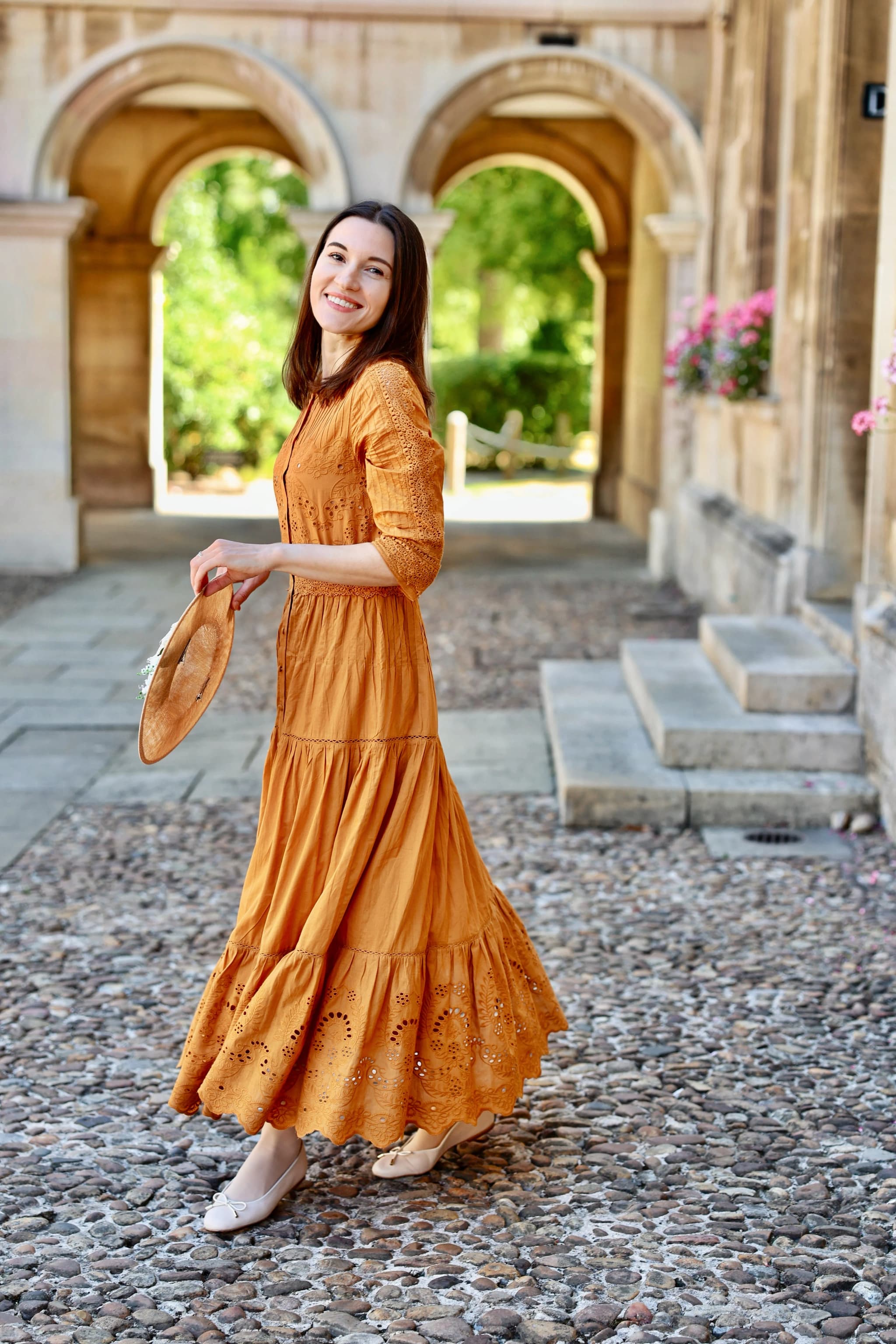

Yana Skakun
Photographer · England
Professional wedding, family and portrait photographer based in England. Passionate about capturing authentic emotions and timeless moments.
About Yana →bookkeeper brand photography UKbookkeeper headshot UKbookkeeping professional photo UKbookkeeper brand imagesCambridge bookkeeper photographerbookkeeping business photography UK
Business Headshots — Corporate Headshot Photography in Cambridge & England
Corporate photography with Yana Skakun covers individual headshots, team portraits, and event documentation — all delivered with the same consistent quality and professional tone. Available in Cambridge and across England for businesses of all sizes. This guide — Brand Photography for Bookkeepers: Building Trust Before the First Call — is part of the photography journal: practical, experience-based advice drawn from real sessions across England. Whether you arrived searching for bookkeeper brand photography uk or bookkeeper headshot uk, the same care and attention shapes every session Yana photographs.
Corporate Headshot Photography sessions are available year-round, with bookings open across Cambridge, Ely, Huntingdon, Peterborough, and further afield — East England, London, the Midlands, and beyond. If you have specific questions about bookkeeping professional photo uk, mention it in your enquiry. Get in touch through the contact form above to check availability and discuss your session. Enquiries are welcomed from anywhere in the UK.
Frequently Asked Questions
What camera settings should I use for outdoor portraits?+
For outdoor portraits, shoot in aperture priority mode. Use a wide aperture (f/1.8–f/2.8) to blur the background and isolate your subject. Keep ISO as low as possible in good light. In bright conditions, use a neutral density filter or switch to manual to avoid overexposure at wide apertures.
What is the golden hour in photography?+
Golden hour is the period roughly 30–60 minutes after sunrise and before sunset. The sun is low in the sky, producing warm, soft, directional light that flatters skin tones and creates beautiful long shadows. It's widely considered the best natural light for portrait and outdoor photography.
How do you get sharp photos in low light?+
In low light, increase your ISO (accepting some grain), use the widest aperture your lens allows, and slow your shutter speed to the slowest you can hand-hold without camera shake (roughly 1/focal length as a guide). Use image stabilisation if available, and consider a tripod for static subjects.
What is the rule of thirds in photography?+
The rule of thirds divides the frame into a 3×3 grid. Placing your subject on one of the four intersection points — rather than dead centre — creates a more dynamic, visually interesting composition. It's a guideline, not a rule: some of the most powerful images break it deliberately.
How do you edit photos to look professional?+
Professional editing starts with shooting in RAW format. In Lightroom or similar software, correct exposure, white balance, and contrast first. Recover shadow and highlight detail. Apply gentle colour grading for mood. Be conservative with skin retouching — the goal is natural enhancement, not transformation. Consistency across a set of images is what separates professional from amateur editing.
Continue Reading
Related Articles
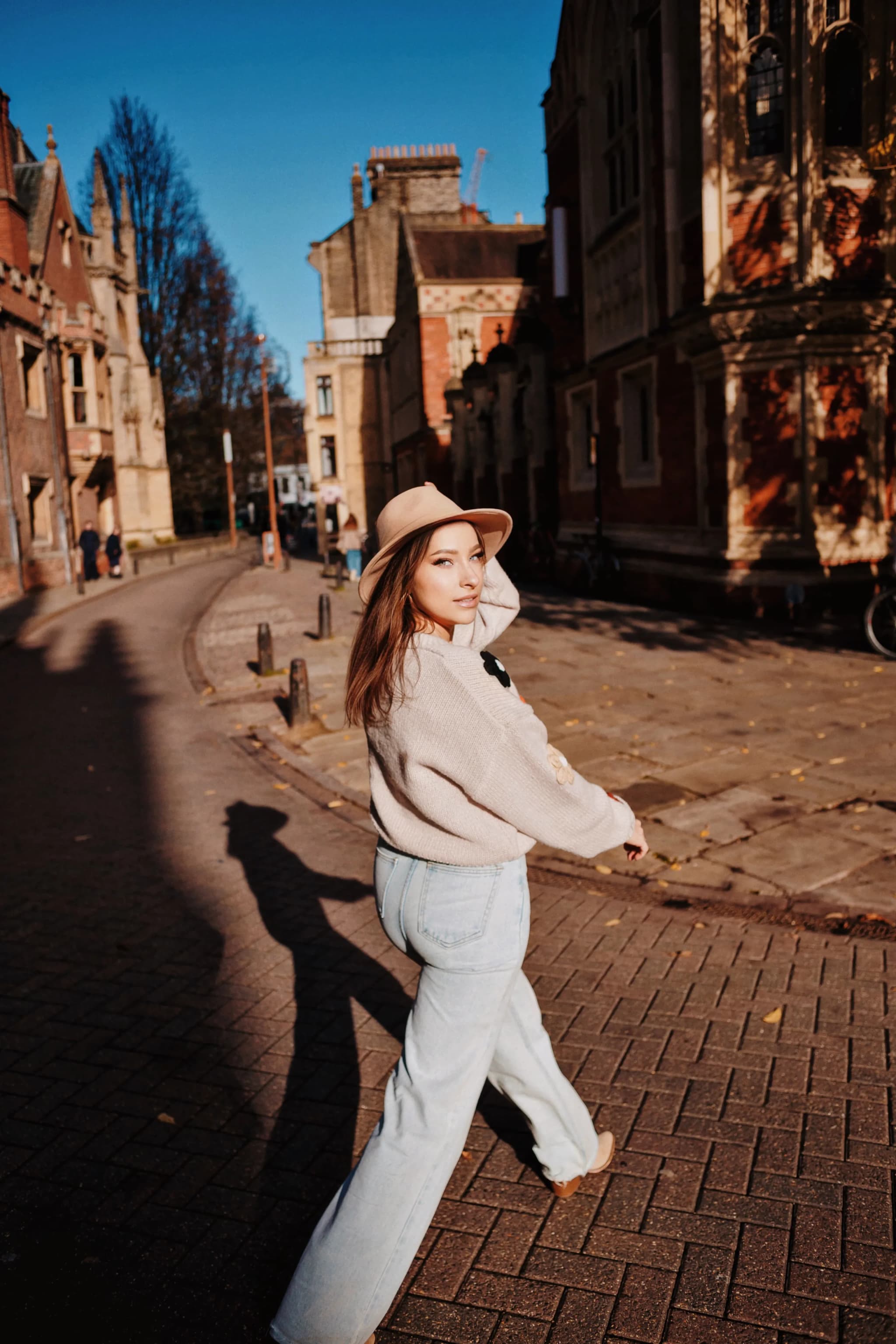
Business Headshots
Why professional business headshots are worth the investment in 2025
7 min read · Read Article
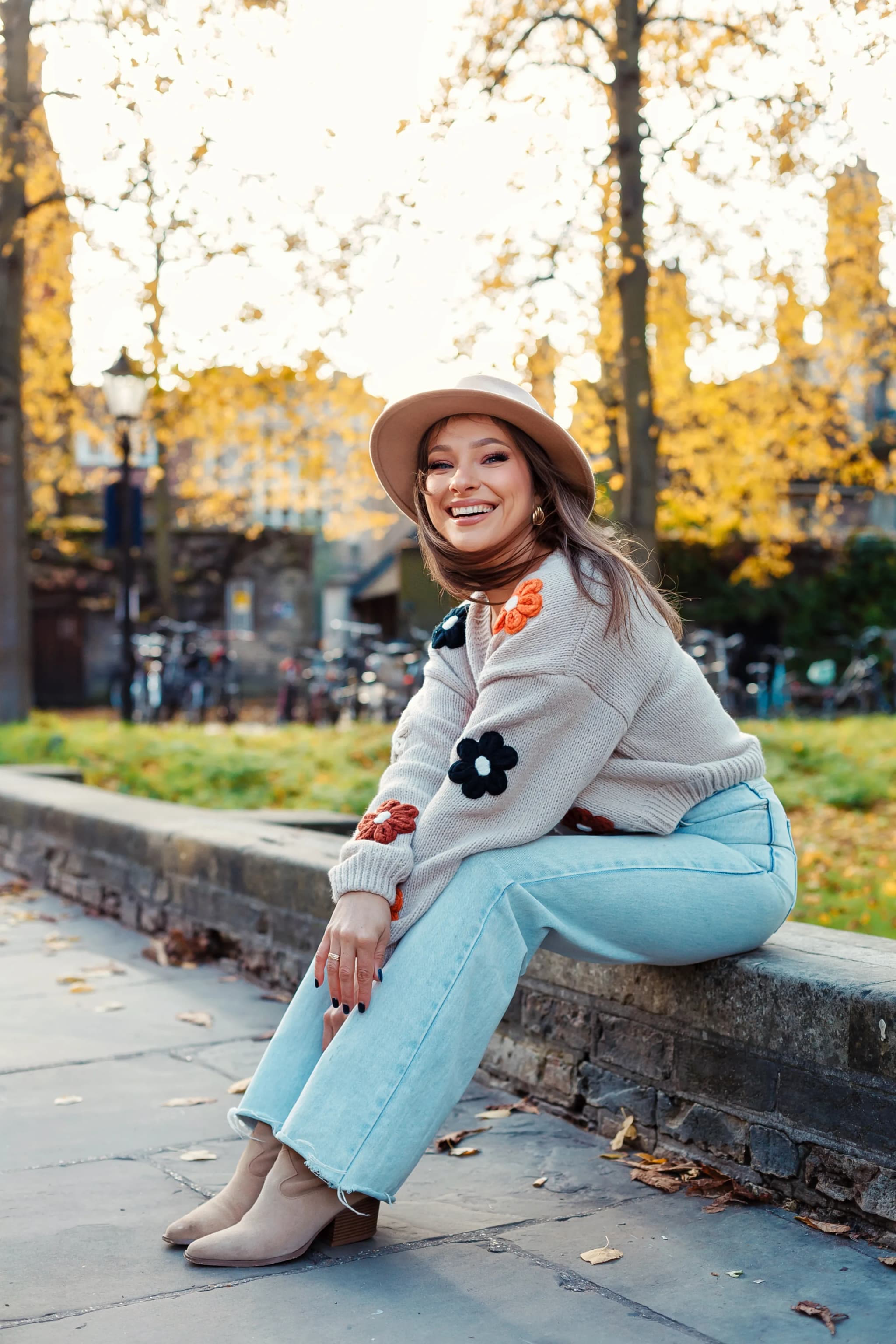
Business Headshots
The complete corporate headshot guide: What to expect and how to prepare
7 min read · Read Article
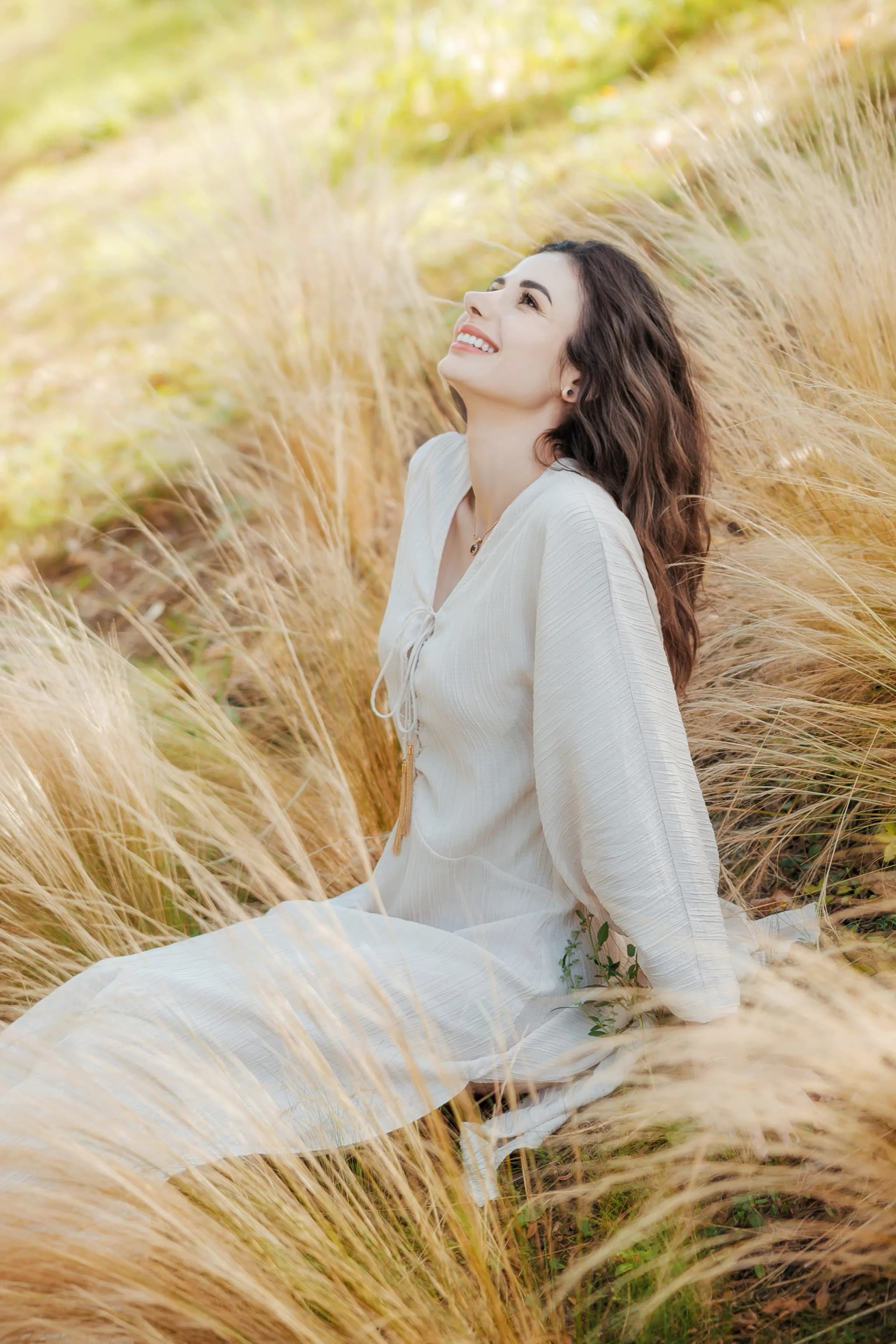
Business Headshots
LinkedIn headshot: What actually makes a profile photo work
7 min read · Read Article
Get in Touch
Ready to Book Your Session?
Get in touch to discuss your vision — I'll reply within 24 hours.