Yana Skakun
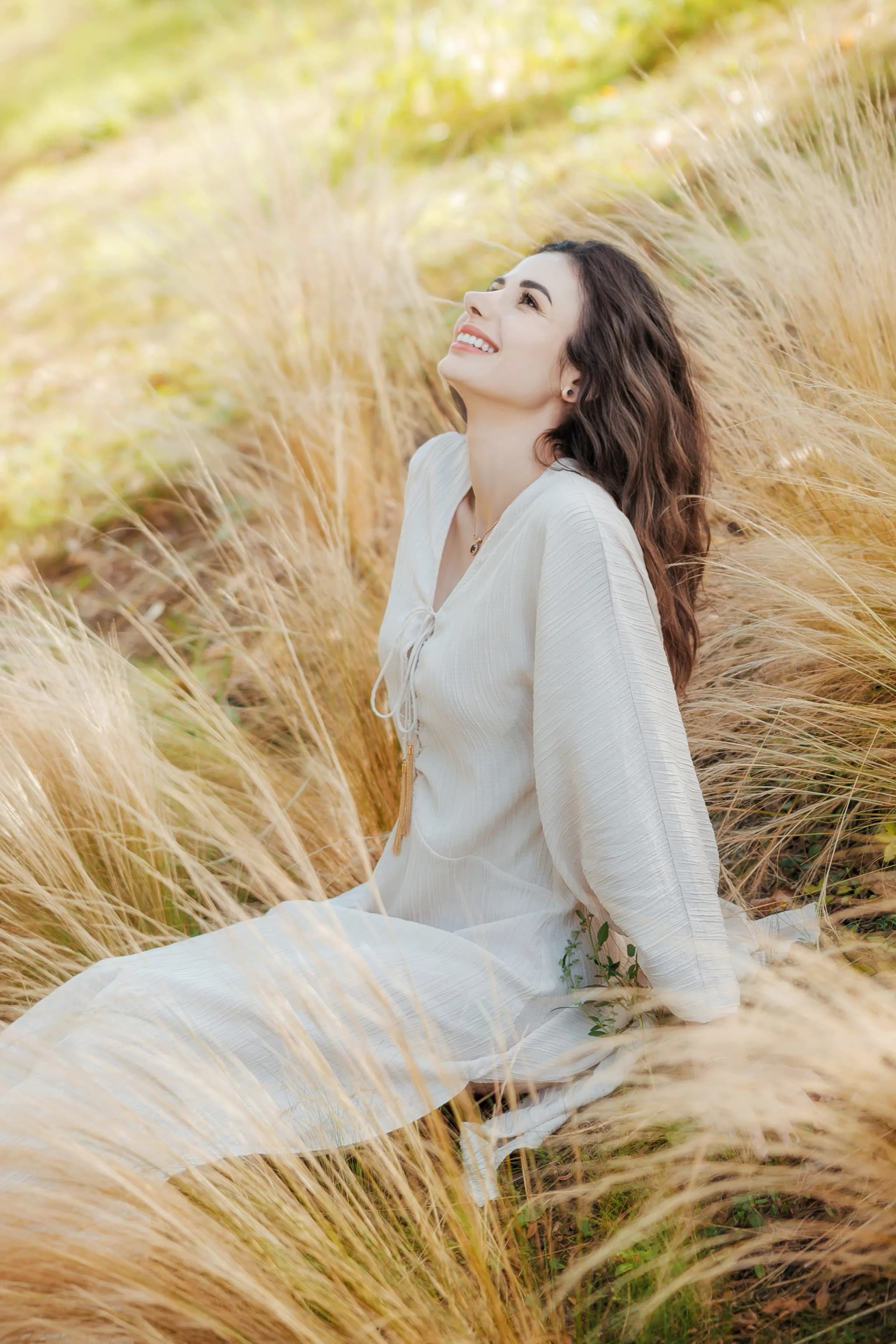
LinkedIn headshot: What actually makes a profile photo work
By Yana Skakun·27 October 2026·7 min read
Your LinkedIn profile photograph is examined by more people than almost any other professional image you will ever appear in. Recruiters, potential clients, conference organisers, and collaborators all form an instant impression within milliseconds of seeing it — and yet most profiles still carry a blurry crop from a Christmas party or a stiff passport-style shot taken years ago. As a professional portrait photographer based in Cambridge, I see the difference a considered headshot makes to how people are perceived, and in this guide I want to share everything I know about getting it right.
Why LinkedIn Headshots Are Different from Other Professional Portraits
A headshot for LinkedIn exists in a specific and demanding context. It appears at thumbnail size in a fast-scrolling news feed, at medium size on your profile page, and occasionally at larger sizes when recruiters or premium subscribers view full profiles. It competes with dozens of other faces on any given search results page. This means the image has to work simultaneously at very small scale — where only the rough impression of a face and expression read — and at larger scale, where the quality of light, background, and detail all become visible.
Wedding and event portraits are different: they are often viewed at leisure, in albums, on large screens, by people who already have an emotional connection to the subject. LinkedIn headshots must earn attention first. That requirement changes almost every decision in the shoot: framing, background, expression, and clothing all need to serve legibility and instant warmth rather than artistic interest alone.
In my experience, the most effective LinkedIn photographs are not the most elaborate. They are the ones where the subject looks genuinely comfortable, where the light is flattering and clean, and where nothing in the background competes with the face. Simplicity is a deliberate professional choice, not a limitation.
Light Quality: The Single Variable That Matters Most
Professional photographers talk about light quality constantly, and for good reason. The difference between a camera phone portrait and a headshot that communicates authority and warmth is almost entirely the quality of the light falling on the subject's face. Harsh, overhead, or direct light creates hard shadows under the eyes and chin, flattens the nose awkwardly, and makes skin texture appear more pronounced than it is in person. Soft, directional light from the side or at a slight angle wraps around the face, opens up the eyes, and produces the kind of even, luminous result that reads as "professional" even when viewers cannot articulate why.
Window light is the most accessible version of this. A large north-facing window in overcast British weather — which we have in abundance — provides beautiful, diffuse, directional light for free. The subject should face the window directly or at a slight angle, and the window should be the primary light source in the room. Ceiling lights, which are almost always too far above and too cold in colour, should be switched off. If you are working with a photographer, ask whether they offer natural-light sessions: in Cambridge, I frequently use studios with large north-facing skylights, as well as outdoor sessions in parks and college grounds where open shade provides the same softness.
For studio sessions, softboxes and beauty dishes can produce equally flattering results, but the setup matters. A single large softbox placed at roughly 45 degrees to the subject's face and slightly above eye level — often called Rembrandt or loop lighting depending on the angle — is the classic formula for portrait photography because it mimics the quality of good window light. Avoid photographers who use ring flashes as their primary light for headshots: ring flash produces a distinctive catchlight and removes nearly all shadow from the face, which looks striking in fashion contexts but reads as flat and slightly odd in professional portraits.
Background: What Works and What Distracts
At thumbnail size, a cluttered or patterned background competes directly with your face for the viewer's attention. The brain has to work slightly harder to extract the face from the visual noise, and the overall impression is one of slight busyness or lack of consideration. Plain backgrounds — whether a painted studio backdrop, a neutral wall, or an out-of-focus architectural element — direct all attention to the subject and make the thumbnail instantly legible in a crowded feed.
Colour matters too. Mid-grey, warm cream, and deep charcoal are all versatile backdrop colours that work with most skin tones and clothing choices. Stark white can look clinical and is less forgiving of exposure variation. Bright colours read as fashion choices rather than professional ones and rarely serve the image in a business context. If you choose an environmental background — an office, a bookshelf, a Cambridge college building — ensure it is photographed with enough lens compression (a slightly longer focal length, typically 85mm to 135mm equivalent) that the background becomes impressionistic rather than distracting.
Outdoors can work beautifully for LinkedIn headshots, particularly in dappled shade or against clean architectural backgrounds. The Backs in Cambridge, the streets around the Fitzwilliam Museum, or the courtyard of the Guildhall can all provide elegant, contextually rich backgrounds that suit certain professionals — academics, consultants, creative directors — particularly well. The key is open shade: direct sunlight produces harsh shadows and causes subjects to squint, which undermines any impression of warmth or confidence.
Expression and Direction: The Hardest Part to Get Right
The most common LinkedIn headshot problem is not technical. It is the forced smile — the expression most people produce the moment they know a camera is pointing at them. This is a completely understandable reflex, but it results in a photograph that looks stiff, slightly uncomfortable, and immediately recognisable as someone performing "being photographed" rather than simply being themselves. Recruiters and clients notice this, even if only subconsciously.
Genuine warmth is a different thing altogether. It involves the muscles around the eyes — what is sometimes called a Duchenne smile — and it is produced by actual amusement, genuine connection, or relaxed engagement rather than by the instruction to smile. I always spend the first part of any headshot session talking with clients about their work, what they enjoy about it, and what they are hoping to convey. By the time we are actually shooting, the camera has become familiar and the expressions that result are recognisably the person rather than a performance of professionalism.
The exact expression to aim for depends on sector and seniority. A senior solicitor or finance director may want something slightly more composed and authoritative — warm but measured. A creative professional, a coach, or someone in sales benefits from more visible warmth and energy. A researcher or academic might want an expression that communicates thoughtfulness and engagement without necessarily a broad smile. I always produce a range of expressions in a single session so clients can choose what feels most authentic to their professional identity.
What to Wear and How to Prepare
Clothing choices for LinkedIn headshots follow a simple rule: wear what you would wear to an important client meeting in your sector, and avoid anything that will date quickly or draw attention away from your face. Solid colours almost always outperform patterns and prints at thumbnail size. Necklines matter: for women, something that frames the face cleanly — a shirt collar, a simple round neck, a well-fitted blazer — generally photographs better than very low necklines or very high polo necks, which both change how the face sits in the frame.
Avoid clothes with logos, slogans, or busy graphic elements. Avoid clothing so similar in tone to your planned background that you begin to merge into it. Bring two or three options to your session so you can make a final decision when you see what looks best in the light on the day. I advise clients to steam or iron everything the night before, because fabric creases that are barely visible in person become noticeable in a full-resolution portrait.
Hair and grooming should reflect how you normally appear in professional settings — not a version dressed up beyond recognition, but the best version of your everyday professional appearance. If you colour your hair, book your session after a fresh colour rather than when roots are showing, if that matters to you. For men, a fresh haircut two or three days before the session is ideal: close enough to look considered, long enough that it has settled naturally. Arrive with skin that is clean and moisturised; most photographers will have minimal retouching included as standard, but good skin preparation makes retouching both easier and more natural-looking.
How Often Should You Update Your LinkedIn Headshot
The honest answer is: whenever it no longer looks like you. A photograph that is five or more years old, or one taken at a significantly different weight, hair length, or stage of life, creates a small but meaningful disconnect when you meet people in person who have already seen your LinkedIn profile. That moment of "oh, you look different from your photo" is not catastrophic, but it is an unnecessary friction in professional relationships.
A useful benchmark is to review your profile photograph each time you update your LinkedIn headline or summary — these tend to coincide with career transitions or shifts in professional positioning, which are also good moments to ensure the photograph reflects who you currently are. Many of my Cambridge clients book a headshot session every two to three years as a matter of professional maintenance, in the same category as updating a CV or a website biography.
Book a Professional LinkedIn Headshot in Cambridge
Individual and corporate headshot sessions from £175, available in natural light and studio settings across Cambridge and London. Sessions include full direction, multiple wardrobe options, and professionally retouched final images delivered within five working days.
Enquire About a Headshot Session →A LinkedIn headshot is a small investment with an unusually long return. It sits at the top of your professional profile for years, shapes first impressions before you have said a word, and communicates something about your attention to detail and self-presentation every time your name appears in a search or a feed. Getting it right is not vanity — it is professional infrastructure. If you are based in or near Cambridge and are considering updating yours, I would be glad to help you produce an image that genuinely reflects the professional you are.


Yana Skakun
Photographer · England
Professional wedding, family and portrait photographer based in England. Passionate about capturing authentic emotions and timeless moments.
About Yana →LinkedIn headshot tipsbest LinkedIn profile photoprofessional headshot for LinkedInLinkedIn photo guidehow to take a good LinkedIn photo
Business Headshots — Corporate Headshot Photography in Cambridge & England
Corporate photography with Yana Skakun covers individual headshots, team portraits, and event documentation — all delivered with the same consistent quality and professional tone. Available in Cambridge and across England for businesses of all sizes. This guide — LinkedIn headshot: What actually makes a profile photo work — is part of the photography journal: practical, experience-based advice drawn from real sessions across England. Whether you arrived searching for linkedin headshot tips or best linkedin profile photo, the same care and attention shapes every session Yana photographs.
Corporate Headshot Photography sessions are available year-round, with bookings open across Cambridge, Ely, Huntingdon, Peterborough, and further afield — East England, London, the Midlands, and beyond. If you have specific questions about professional headshot for linkedin, mention it in your enquiry. Get in touch through the contact form above to check availability and discuss your session. Enquiries are welcomed from anywhere in the UK.
Frequently Asked Questions
What camera settings should I use for outdoor portraits?+
For outdoor portraits, shoot in aperture priority mode. Use a wide aperture (f/1.8–f/2.8) to blur the background and isolate your subject. Keep ISO as low as possible in good light. In bright conditions, use a neutral density filter or switch to manual to avoid overexposure at wide apertures.
What is the golden hour in photography?+
Golden hour is the period roughly 30–60 minutes after sunrise and before sunset. The sun is low in the sky, producing warm, soft, directional light that flatters skin tones and creates beautiful long shadows. It's widely considered the best natural light for portrait and outdoor photography.
How do you get sharp photos in low light?+
In low light, increase your ISO (accepting some grain), use the widest aperture your lens allows, and slow your shutter speed to the slowest you can hand-hold without camera shake (roughly 1/focal length as a guide). Use image stabilisation if available, and consider a tripod for static subjects.
What is the rule of thirds in photography?+
The rule of thirds divides the frame into a 3×3 grid. Placing your subject on one of the four intersection points — rather than dead centre — creates a more dynamic, visually interesting composition. It's a guideline, not a rule: some of the most powerful images break it deliberately.
How do you edit photos to look professional?+
Professional editing starts with shooting in RAW format. In Lightroom or similar software, correct exposure, white balance, and contrast first. Recover shadow and highlight detail. Apply gentle colour grading for mood. Be conservative with skin retouching — the goal is natural enhancement, not transformation. Consistency across a set of images is what separates professional from amateur editing.
Continue Reading
Related Articles
Business Headshots
Why professional business headshots are worth the investment in 2025
7 min read · Read Article
Business Headshots
The complete corporate headshot guide: What to expect and how to prepare
7 min read · Read Article
Business Headshots
Virtual backgrounds vs real headshots: Why your LinkedIn photo still matters
6 min read · Read Article
Get in Touch
Ready to Book Your Session?
Get in touch to discuss your vision — I'll reply within 24 hours.