Yana Skakun
Boutique Hotel Wedding Venues Across England
By Yana Skakun·20 March 2026·6 min read
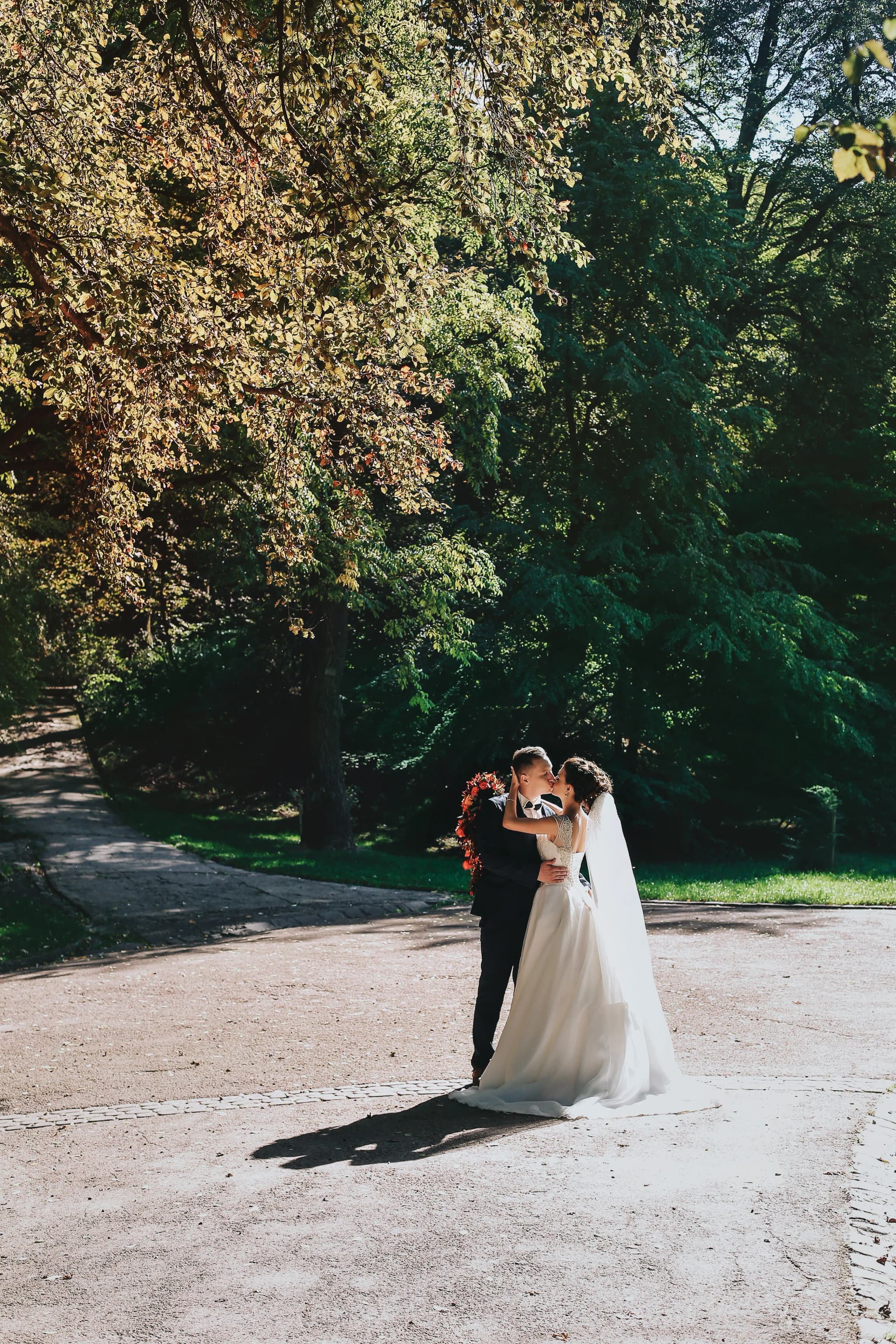
Boutique hotel weddings occupy a genuinely distinctive place in the English wedding landscape. Smaller than the grand country house hotel, more personal than a hired barn, and far richer in character than the branded chains, they offer couples something increasingly rare: a venue with a genuine point of view. In my experience as a wedding photographer working across Cambridge, the Cotswolds, East Anglia, and beyond, boutique hotels consistently produce some of the most photogenic and emotionally resonant weddings I have ever shot.
What Makes a Boutique Hotel Different
The word boutique gets used loosely, but in the wedding context it typically means a property with fewer than forty or fifty bedrooms, a strong and intentional interior aesthetic, and a level of personalisation that larger operations simply cannot match. These are places where the owners have made decisions about every surface — the wallpaper in the ceremony room, the crockery at the breakfast table, the garden planting scheme — and those decisions show in photographs. There is no beige carpet, no anonymous ballroom. Every corner tells a story.
Exclusive hire is where boutique hotels really come into their own. Many English boutique properties will offer the entire venue to one wedding party for a full weekend, meaning your guests check in on Friday, your wedding happens on Saturday, and everyone lingers over breakfast together on Sunday morning. That extended, unhurried rhythm produces a very different photographic record to a single-day celebration — I find myself capturing moments across a whole narrative arc rather than a single compressed event.
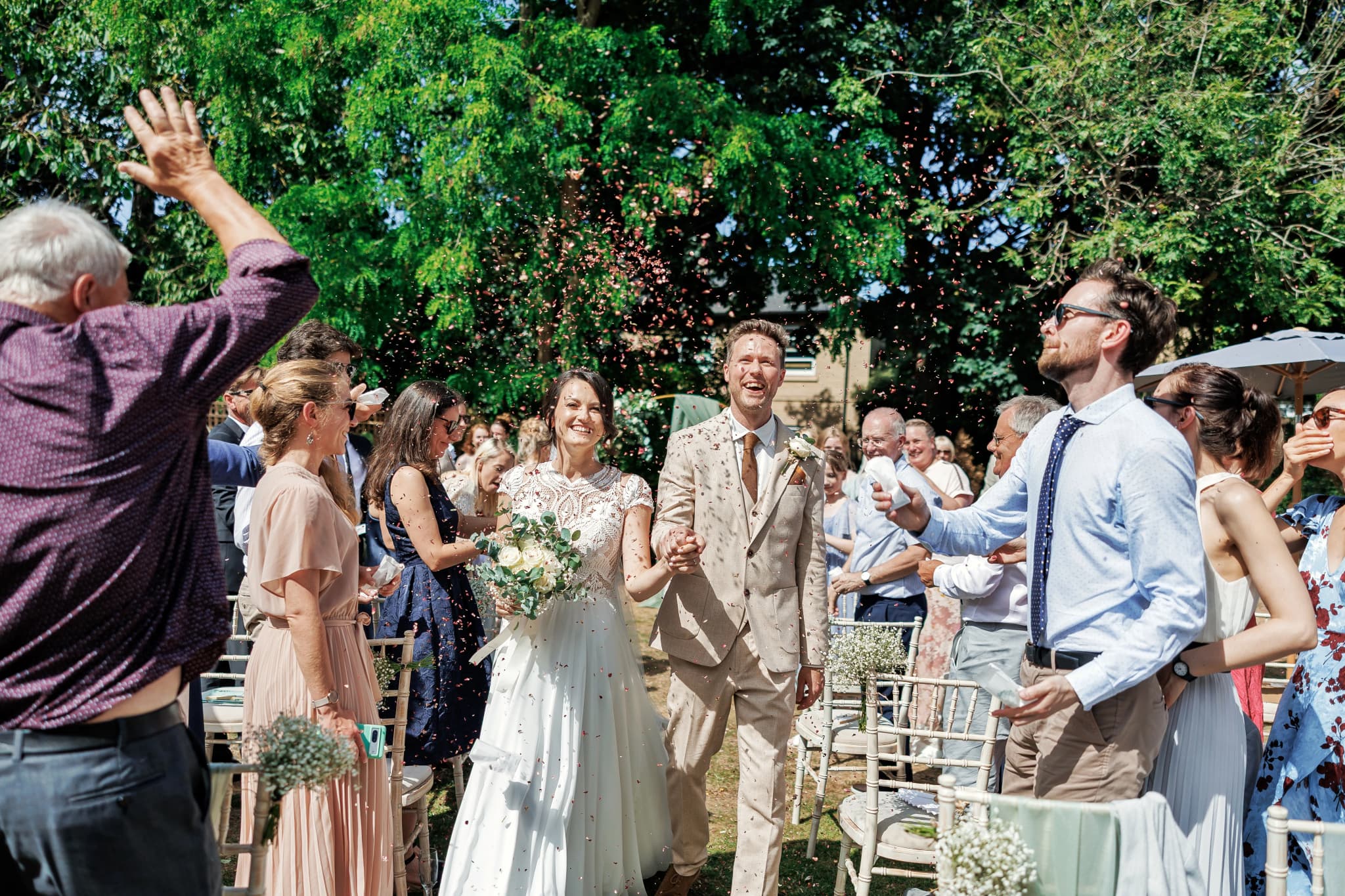
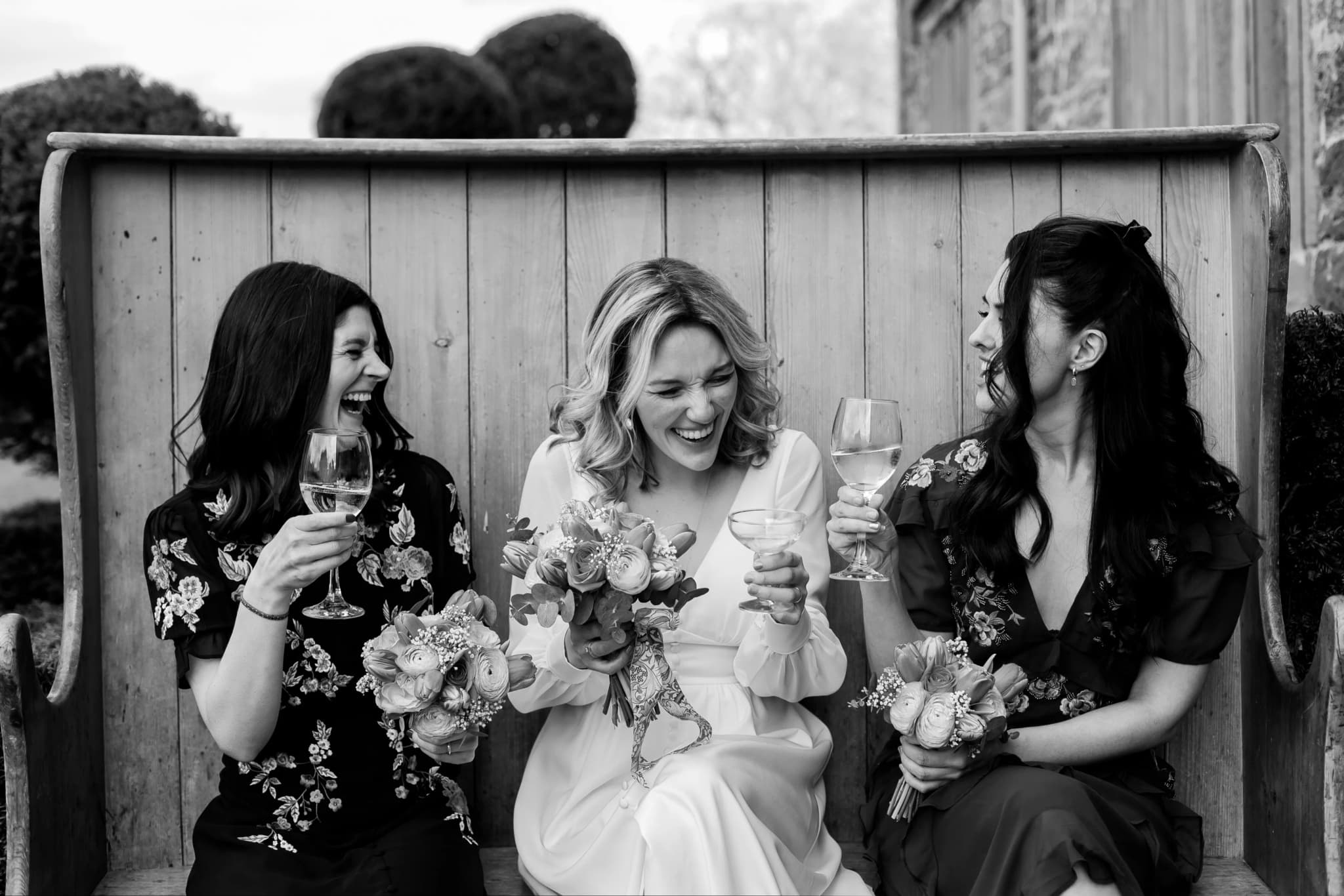
The intimacy also changes the dynamic between guests. When the whole wedding party is staying together under one roof, formality dissolves quickly. People wander between rooms in their dressing gowns, children chase each other through the garden, grandparents sit together over a long dinner that nobody wants to end. These are the photographs that couples treasure most, and boutique hotels create the conditions for them almost automatically.
Notable Boutique Hotel Wedding Venues Across England
England has a remarkable concentration of boutique hotel wedding venues, particularly in the Cotswolds, Norfolk, Yorkshire, and the Home Counties. In the Cotswolds, properties like The Wild Rabbit at Kingham and Thyme at Southrop offer the classic limestone-and-meadow aesthetic that photographs beautifully in every season, with lavender fields and kitchen gardens providing natural colour and texture throughout the warmer months. These venues suit couples who want a relaxed country feel without sacrificing elegance.
For those drawn to the east of England, Norfolk and Suffolk have developed a strong boutique wedding scene. The Assembly House in Norwich blends Georgian grandeur with intimate scale, while smaller properties along the Norfolk coast combine sea views with a distinctly personal character. Closer to Cambridge, several converted farmhouses and manor houses have reinvented themselves as boutique wedding venues — properties that feel genuinely lived-in rather than manufactured for events.
In Yorkshire, the moors and dales provide a dramatic backdrop for boutique properties that lean into stone, slate, and open fire aesthetics. The Pheasant at Harome and Swinton Park in Masham represent different ends of the boutique spectrum — the former intimate and almost cottage-like, the latter a full castle experience on a smaller scale than the grandest country house hotels. For couples planning weddings in the north, these venues offer a richly textured visual world.
The Photography of Boutique Hotel Weddings
Photographing a boutique hotel wedding requires a different approach to scouting and planning than a purpose-built wedding venue. I always visit the property well in advance of the wedding day — not just to identify the obvious ceremony and reception spaces, but to find the less obvious ones. A staircase with beautiful light at mid-morning. A garden wall that catches the last of the afternoon sun. A quiet corner of the bar where two guests are having the most important conversation of their week. Boutique hotels reward careful exploration.
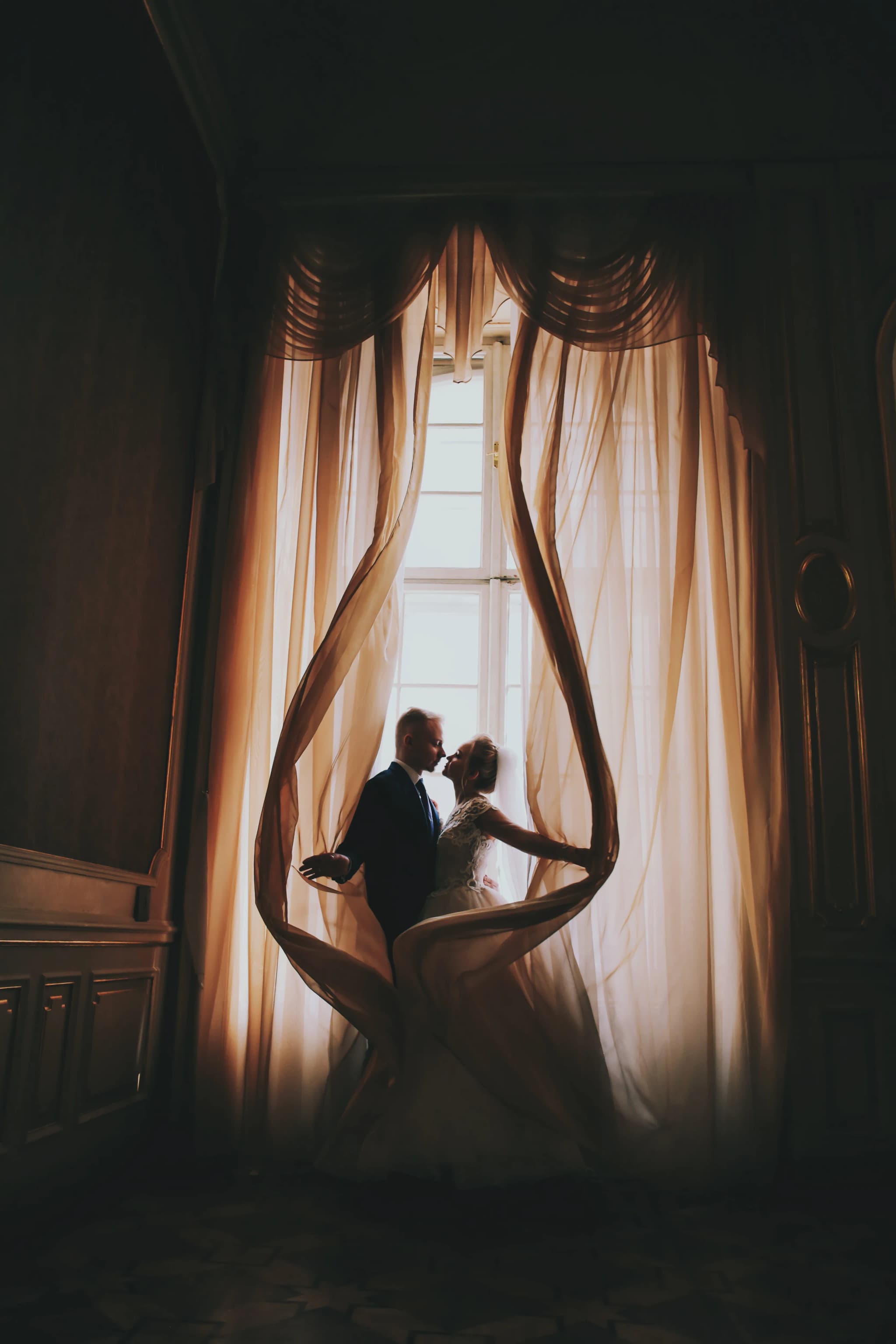
Interior light quality varies enormously between properties, and this is something couples should ask about specifically when viewing venues. The best boutique hotels have invested in genuine hospitality lighting — warm, layered, and responsive to the time of day. Properties that have retained original features like sash windows, stone mullions, or large conservatories often have exceptional natural light that creates effortlessly beautiful images without any additional equipment. I carry supplementary lighting for evening receptions, but I always prefer to work with what the venue naturally provides whenever possible.
The grounds of boutique hotels often offer photographic opportunities that feel genuinely unique. Kitchen gardens, wildflower meadows, croquet lawns, walled terraces — these are spaces that carry a character you simply cannot replicate in a generic venue. I encourage couples to allocate time during the day for a short walk through the grounds with their photographer, away from the main gathering, even if only for twenty minutes. The images from those quieter moments almost always become the favourites.
Planning a boutique hotel wedding?
When you book your venue, ask the coordinator for a full floor plan and ask which rooms get good natural light at different times of day. This information is invaluable for your photographer. I always schedule a venue visit before the wedding to plan the day around the light — it makes an enormous difference to the photographs you take home. Learn more about how I approach wedding photography or get in touch to discuss your venue.
Choosing the Right Boutique Hotel for Your Wedding
The most important question when evaluating a boutique hotel wedding venue is whether its aesthetic genuinely reflects who you are as a couple. These venues have strong identities, and the photographs will be deeply inflected by that identity. A maximalist venue with bold wallpaper and dramatic floral arrangements will produce very different images to a pared-back property where the beauty lies in texture and restraint. Neither is better in absolute terms, but one will feel more authentically yours.
Capacity is a practical consideration that shapes everything else. Most boutique hotels work best with guest lists between thirty and eighty people — small enough that the venue does not feel empty, large enough to create genuine atmosphere. If you are planning a very small ceremony of ten or fifteen guests, some boutique hotels can feel slightly over-scaled for the occasion, though many do offer specific elopement or micro-wedding packages designed for small gatherings. Conversely, if your guest list exceeds a hundred, the most intimate boutique properties may struggle to accommodate everyone comfortably.
Accommodation is genuinely central to the boutique hotel experience in a way that it is not at other venue types. Check exactly how many bedrooms are available, whether they can be allocated to specific guests (bridal party, immediate family, elderly relatives who need ground-floor access), and what happens if your party is too large to fill every room. Some venues require a minimum room-night commitment; others will allow a mix of staying and non-staying guests. These logistics matter more at a boutique property, where the overnight element is often core to the experience.
Seasonal Considerations for Boutique Hotel Weddings
English boutique hotels are genuinely beautiful in every season, but each season offers something distinct. Summer brings the best of any kitchen garden or flower planting scheme, and long evenings mean the golden hour light that every photographer loves falls well after the formalities are finished. I particularly love June and early July weddings at garden-focused boutique properties, when the planting is at its peak but the atmosphere is not yet as scorched as late August can sometimes be.
Autumn has its own compelling case. October and early November bring amber light and the rich texture of fallen leaves, and the interior character of a boutique hotel comes into its own when there are candles in the windows and fires in the grates. For couples who are not attached to outdoor ceremonies, autumn boutique hotel weddings often produce some of the most atmospheric photography of the year — the light has a quality that is simply not replicable in summer.
Winter weddings at boutique hotels are underappreciated. The combination of short days, candlelight, log fires, and the intimacy of a small group staying together in a beautiful property creates an almost fairytale atmosphere. There is less pressure to rush through a photographic itinerary before the light fails when you have agreed from the outset that the day will be primarily interior-focused, and the decorative detailing that boutique hotels invest in comes into its own in winter when it carries the whole visual weight of the event.
Working with Your Photographer at a Boutique Venue
Communication between couple, venue coordinator, and photographer is always important, but it is especially so at boutique hotels where the day often runs across multiple rooms and spaces rather than following a fixed venue layout. I ask all my couples to arrange an introduction between me and the venue coordinator at least a month before the wedding — not just a brief email exchange but a proper conversation about the flow of the day, which spaces will be used at which times, and where the logistical pinch points are likely to be.
Lighting the reception is worth a specific conversation. Many boutique hotels have atmospheric but low-level evening lighting that suits a romantic dinner beautifully but can be challenging for photography without supplementary lights. I always discuss this with couples in advance and, where possible, with the venue directly — sometimes it is simply a matter of asking for a few additional candles or adjusting the dimmer settings during the speeches, which makes an enormous difference without disrupting the atmosphere the venue has worked to create.
Finally, embrace the extended timeline that a boutique hotel weekend naturally provides. Some of my favourite photographs from boutique hotel weddings were taken at seven in the morning when the bride was sitting in the window light reading, or at eleven at night when the last guests were gathered around the fire. The day is not six hours; it is a full weekend, and the best photographers will treat it as such.
Boutique hotel weddings reward couples who value character, intimacy, and a genuinely personal experience over scale and spectacle. The photographs they produce are distinctive, richly textured, and deeply personal — a visual record not just of a wedding day but of a particular place, a particular gathering, and a particular version of celebration that belongs entirely to the people who chose it.


Yana Skakun
Photographer · England
Professional wedding, family and portrait photographer based in England. Passionate about capturing authentic emotions and timeless moments.
About Yana →boutique hotel wedding venues Englandsmall hotel wedding photographerboutique wedding venue photography
Wedding Tips — Wedding Photography in Cambridge & England
Yana Skakun is a professional wedding photographer based in Cambridge, covering weddings across England — from intimate elopements to full-day ceremonies at country houses, barns, and city venues. Every couple receives a relaxed, documentary approach that captures the day as it truly unfolds. This guide — Boutique Hotel Wedding Venues Across England — is part of the photography journal: practical, experience-based advice drawn from real sessions across England. Whether you arrived searching for boutique hotel wedding venues england or small hotel wedding photographer, the same care and attention shapes every session Yana photographs.
Wedding Photography sessions are available year-round, with bookings open across Cambridge, Ely, Huntingdon, Peterborough, and further afield — East England, London, the Midlands, and beyond. If you have specific questions about boutique wedding venue photography, mention it in your enquiry. Get in touch through the contact form above to check availability and discuss your session. Enquiries are welcomed from anywhere in the UK.
Frequently Asked Questions
How much does a wedding photographer cost in England?+
Wedding photography in England typically ranges from £1,500 to £4,000+ for a full day. Price depends on experience, coverage hours, and whether albums or engagement shoots are included. Most photographers charge between £2,000–£3,000 for 8–10 hours of coverage.
How early should you book a wedding photographer?+
For peak season (May–September), book 12–18 months in advance. For autumn and winter weddings, 9–12 months is usually sufficient. Popular photographers at popular venues fill up fast — as soon as you have a date and venue confirmed, start reaching out.
How many photos do you get from a wedding photographer?+
Most professional wedding photographers deliver 400–800 edited images for a full-day wedding. The exact number depends on coverage hours, how many guests there are, and the photographer's editing style. Quality matters more than quantity — a curated gallery of 500 images tells the story better than 1,500 unedited files.
Do you need a second photographer at your wedding?+
A second photographer is helpful if you want simultaneous coverage of getting-ready moments in different locations, multiple angles during the ceremony, or more candid coverage during the reception. It adds cost but significantly increases the variety and completeness of your gallery.
What is the difference between documentary and editorial wedding photography?+
Documentary (reportage) wedding photography captures moments as they happen — the photographer observes and doesn't intervene. Editorial photography involves deliberate direction: placing you in good light, shaping compositions, creating intentional portraits. Most photographers blend both styles throughout the day.
Continue Reading
Related Articles

Wedding Tips
Sustainable Eco-Friendly Wedding Guide — Planning a Green Celebration
15 min read · Read Article
Wedding Tips
Trash the Dress Session — Complete Planning and Photography Guide
14 min read · Read Article
Wedding Tips
Client Communication for Photographers — From Enquiry to Gallery Delivery
15 min read · Read Article
Get in Touch
Ready to Book Your Session?
Get in touch to discuss your vision — I'll reply within 24 hours.